
If you’ve been exploring calming, minimalist interior styles, you may have come across Wabi-Sabi and Japandi. While both stem from Japanese design philosophies, they differ in origin, purpose, and expression. Understanding their distinctions can help you design a home that feels deeply intentional, whether you prefer soulful imperfection or clean-lined simplicity.
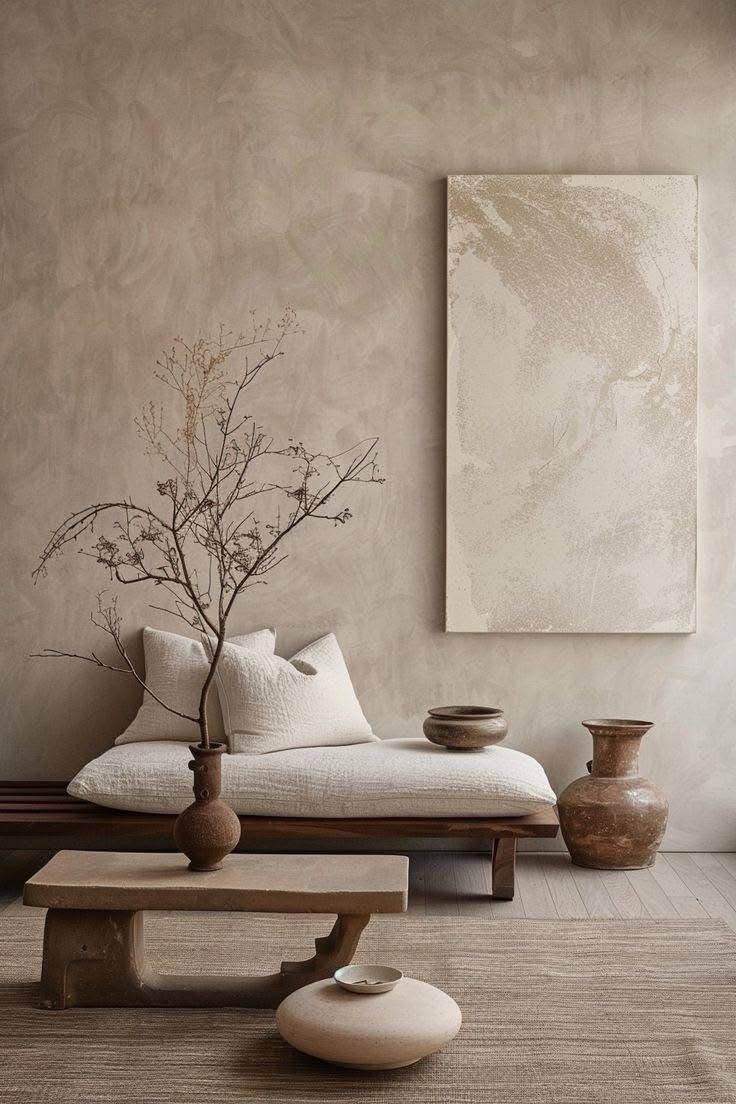
What Is Wabi-Sabi?
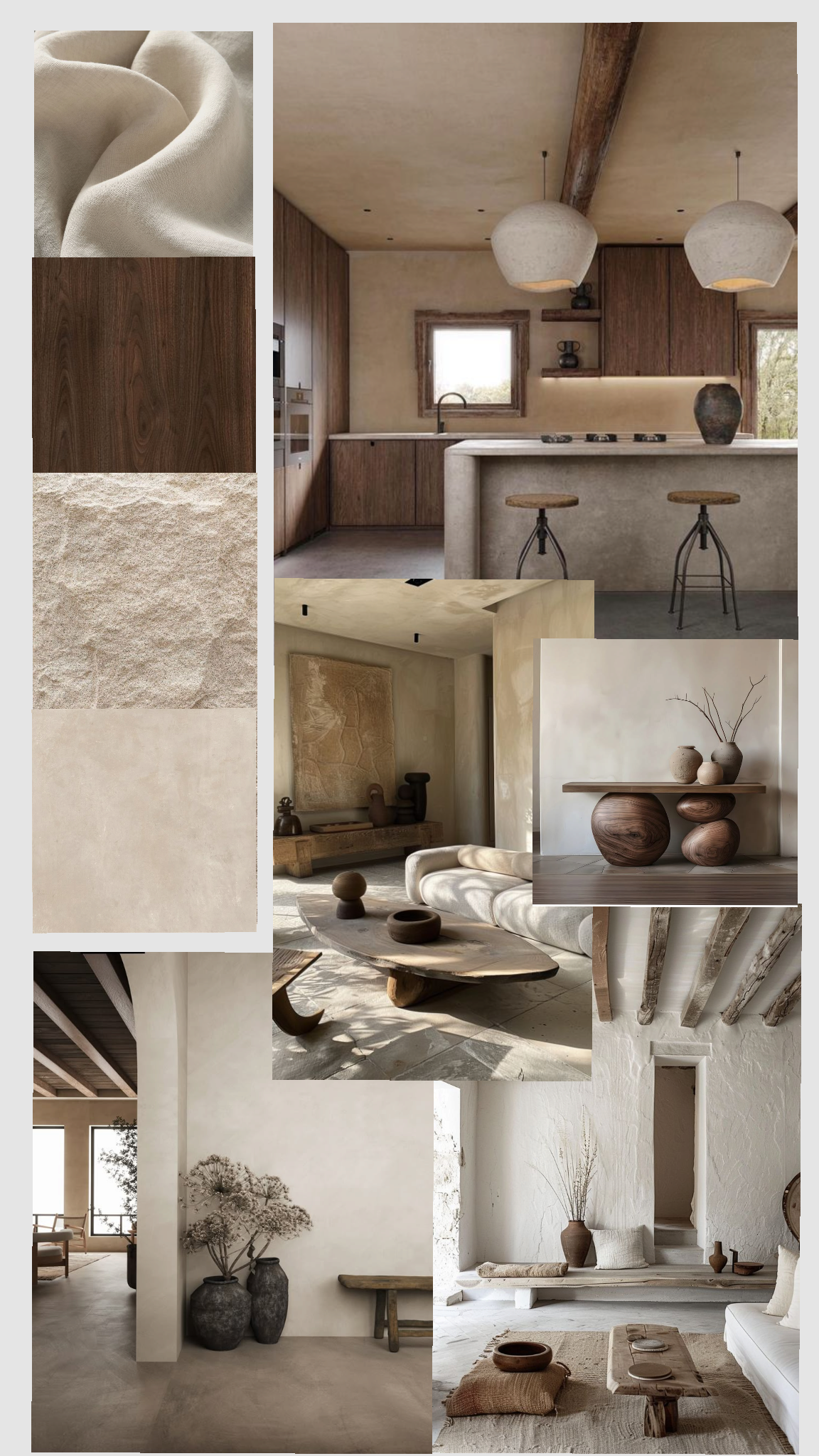
Wabi-Sabi is a traditional Japanese philosophy that finds beauty in imperfection, impermanence, and the quiet aging of natural materials. It’s a design approach that prioritizes authenticity, emotional depth, and a reverence for timeworn beauty. Wabi-Sabi interiors often feel grounding and contemplative, reflecting a deep appreciation for the passage of time and the story each object holds.
Key traits of Wabi-Sabi design:
- Embraces natural materials like raw wood, clay, stone, linen, and rattan
- Values asymmetry, irregularity, and handmade craftsmanship
- Uses muted, earthy tones such as taupe, charcoal, sand, and moss green
- Highlights textures be it weathered surfaces, patina, visible grain, or cracks
- Evokes a quiet, introspective, and soulful mood
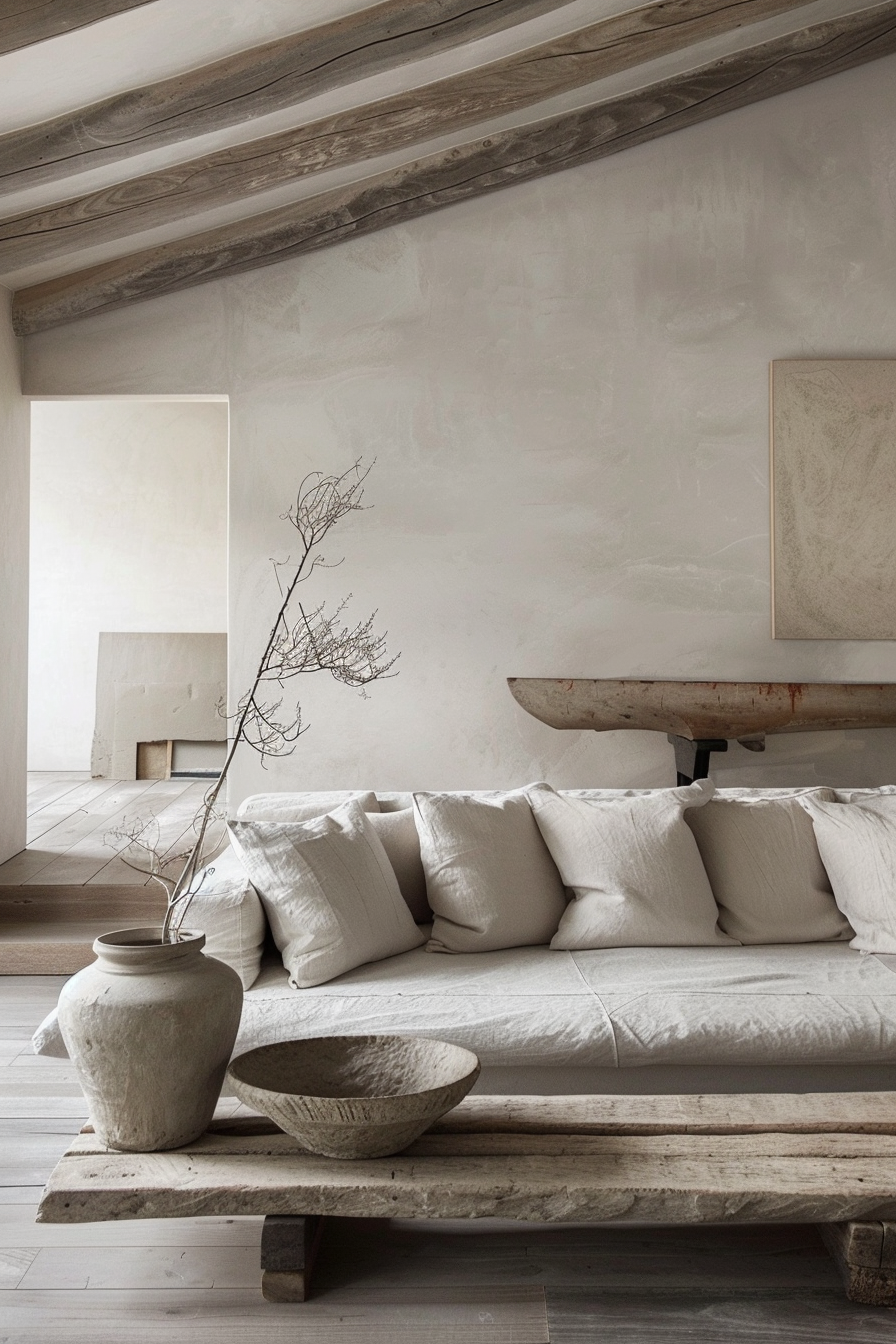
For example, a Wabi-Sabi home might feature an antique bench with worn edges, a roughly glazed ceramic bowl, or walls with subtle imperfections in texture and tone. In this philosophy, flaws are not hidden, instead they’re embraced and even celebrated. A perfect example would be one of our recent projects here!
What Is Japandi?
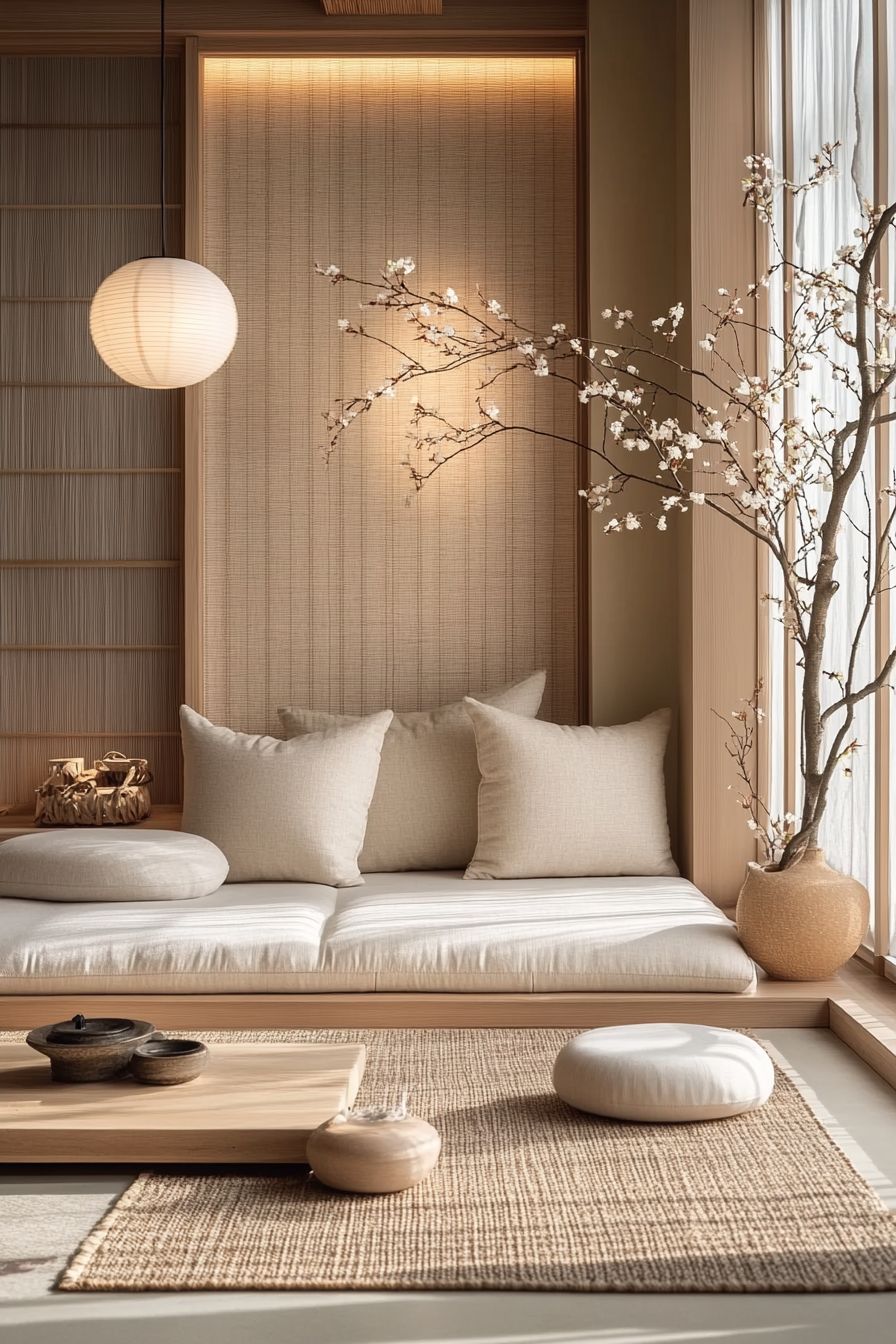
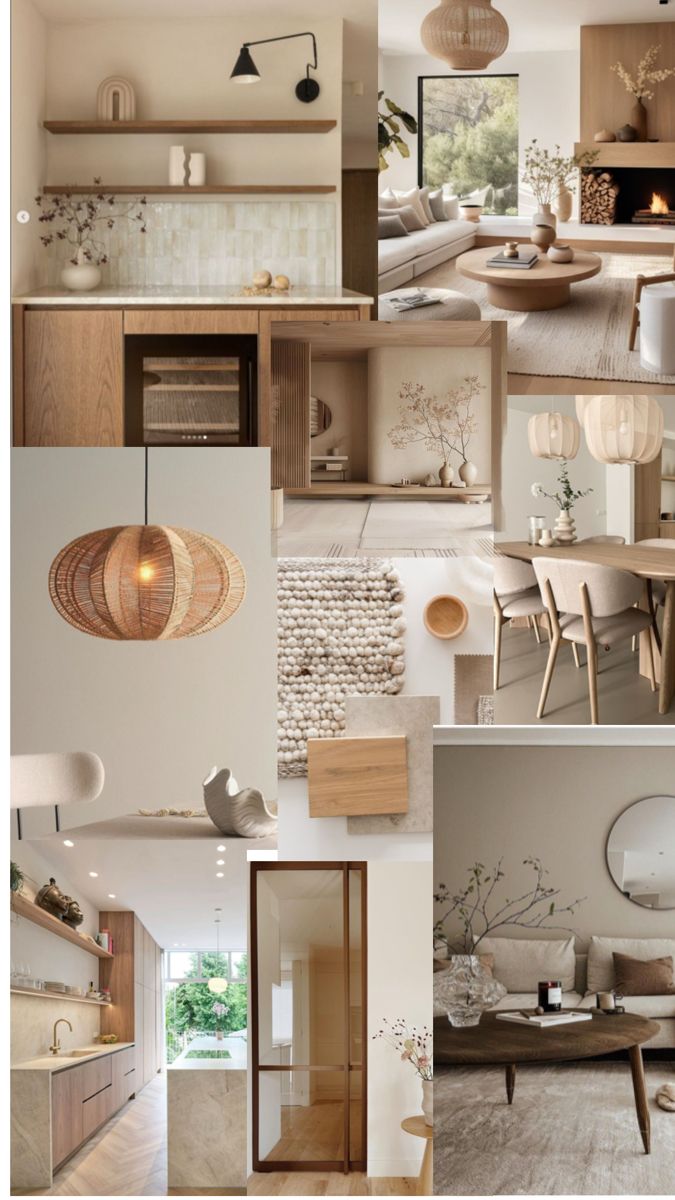
Japandi is a more contemporary design style that blends Japanese minimalism with Scandinavian functionality. This fusion combines the thoughtful restraint and natural elegance of Japanese interiors with the warmth, simplicity, and practicality of Scandinavian design.
Japandi spaces are structured yet cozy, calm yet highly functional. The focus is on quality over quantity, with an emphasis on clean lines and carefully chosen pieces that serve both an aesthetic and practical purpose.
Key traits of Japandi design:
- Minimalist furniture with clean, sleek lines and purposeful form
- A neutral color palette, often with whites, beiges, soft greys, and sage greens
- A mix of light woods (like oak or ash) with subtle dark contrasts
- Incorporates cozy, tactile materials such as cotton, wool, and soft ceramics
- Prioritizes balance, order, and intentional decluttering
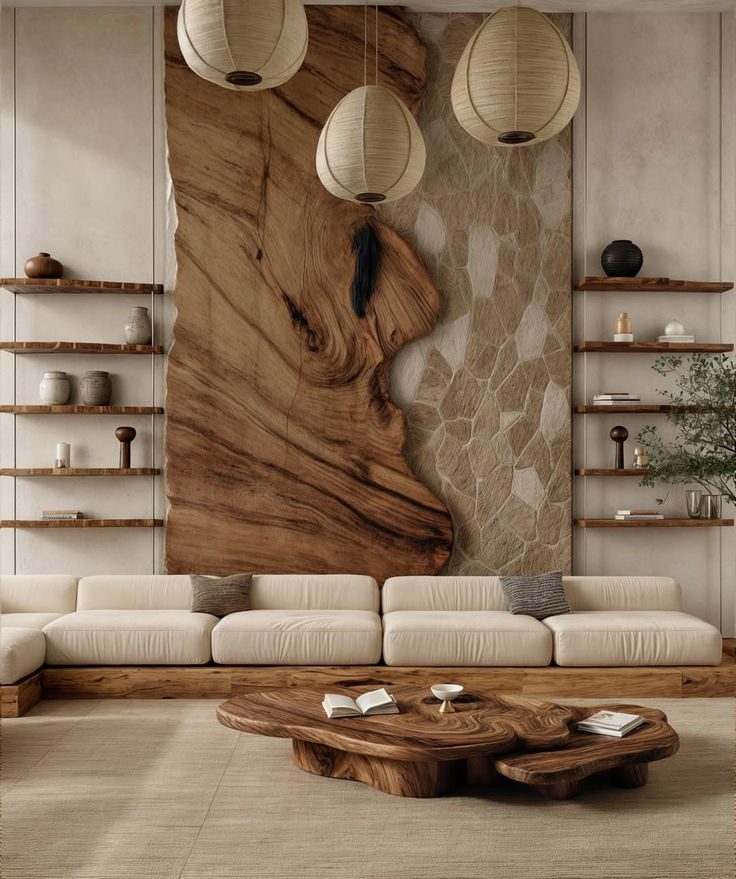
A Japandi-style home might showcase a pale wood table paired with soft textiles, structured lighting, and a clutter-free open layout. It’s a style ideal for those who value harmony, simplicity, and liveability.
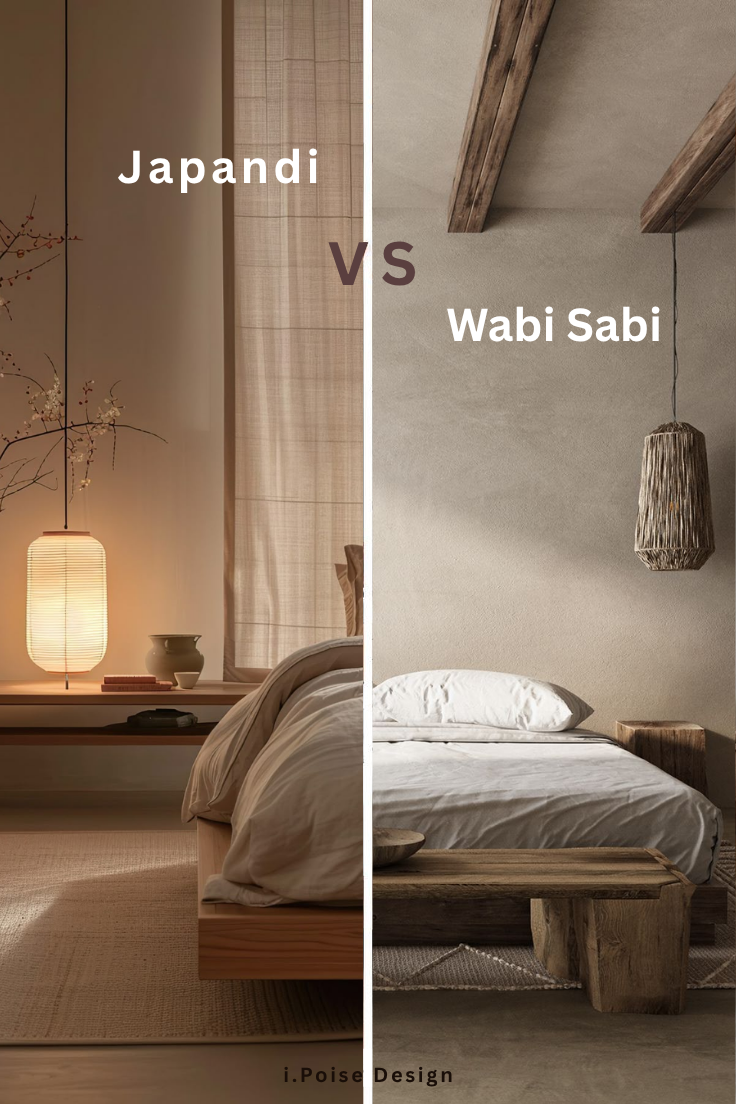
Key Differences Between Wabi-Sabi and Japandi
Although both design styles are minimal and nature-inspired, the philosophies behind them are distinct.
Wabi-Sabi is about emotional connection, embracing the imperfect and the impermanent. It’s more rustic, raw, and soulful. Every texture and blemish contribute to a sense of authenticity and history. Design choices are less about visual symmetry and more about evoking a certain mood, the quiet, reflective, and unpolished.
Japandi, on the other hand, leans toward structure and clarity. It’s about blending warmth and function, drawing it also draws from nature, Japandi interiors feel more curated and refined, often aiming for elegance in simplicity.
Japandi vs Wabi-Sabi at a Glance
| Japandi | Wabi-Sabi | |
| Overall look | Clean, refined and warm | Organic, imperfect and understated |
| Main influence | Japanese + Scandinavian design | Traditional Japanese philosophy |
| Materials | Light timber, stone, linen, ceramics | Aged timber, textured plaster, stone, handmade ceramics |
| Colour palette | Warm neutrals and muted earth tones | Earthy, weathered and natural shades |
| Furniture | Simple, functional and refined | Organic, handmade and imperfect |
| Finishes | Controlled and cohesive | Textured and naturally irregular |
| Overall feeling | Calm and intentional | Quiet and lived-in |
Which Style Is Right for You?
Choose Wabi-Sabi if you:
- Are drawn to organic, tactile materials and finishes
- Appreciate the character of aged or handmade items
- Want your home to feel grounding, soulful, and meditative
- Don’t mind visible wear, texture, or asymmetry
Choose Japandi if you:
- Prefer a clean, orderly, and minimalist environment
- Enjoy soft, natural palettes with structured furnishings
- Want your space to feel both modern and cozy
- Value functional design that supports everyday life
Both Wabi-Sabi and Japandi offer meaningful alternatives to fast-paced, trend-driven interiors. While Wabi-Sabi celebrates imperfection and emotional resonance, Japandi thrives on harmony, purpose, and simplicity. No matter which direction you lean, both styles invite you to slow down, be present, and live more intentionally surrounded by beauty that speaks to your values and sense of peace. And no matter what you choose, the team at i.Poise Design is ready to convey it to your home. Contact our design team via our Contact Us page, at our main line +65 63451730 or speak to our studio directors directly at +65 97386690 (Alicia)
Frequently Asked Questions
Is Japandi the same as Wabi-Sabi?
No. Japandi combines Japanese minimalism with Scandinavian functionality and warmth, while Wabi-Sabi is a Japanese philosophy centred on simplicity, imperfection and natural ageing. They share an appreciation for natural materials and restraint, which is why the styles can look similar.
Is Japandi suitable for HDB homes?
Yes. Japandi works particularly well for HDB interiors because clean lines, functional furniture and concealed storage can help maximise space while reducing visual clutter.
Is Wabi-Sabi suitable for Singapore’s climate?
Yes, provided materials are selected appropriately for Singapore’s humid climate. Natural-looking and textured finishes should still be durable, maintainable and suitable for their intended areas.
Can Japandi interiors use dark colours?
Yes. Japandi does not need to be entirely light or beige. Dark timber, charcoal, muted greens and black accents can introduce contrast while maintaining the style’s restrained aesthetic.
Can I mix Japandi and Wabi-Sabi?
Yes. Japandi can provide the clean spatial foundation, while Wabi-Sabi influences can be introduced through natural textures, handcrafted pieces, stone, timber and intentionally imperfect finishes.