
Planning a home renovation in Singapore can feel like a mix of excitement and anxiety. You’ve got your Pinterest board bursting with inspiration, your contractor’s number on speed dial, and a budget you think is airtight. But here’s the reality check: renovation costs almost always creep beyond what you first expect. Why? Because some expenses hide in plain sight, it’s always the ones you don’t think to ask about until they’re already on the bill.
Let’s pull back the curtain on these sneaky add-ons, so your dream home doesn’t become a budgeting nightmare.
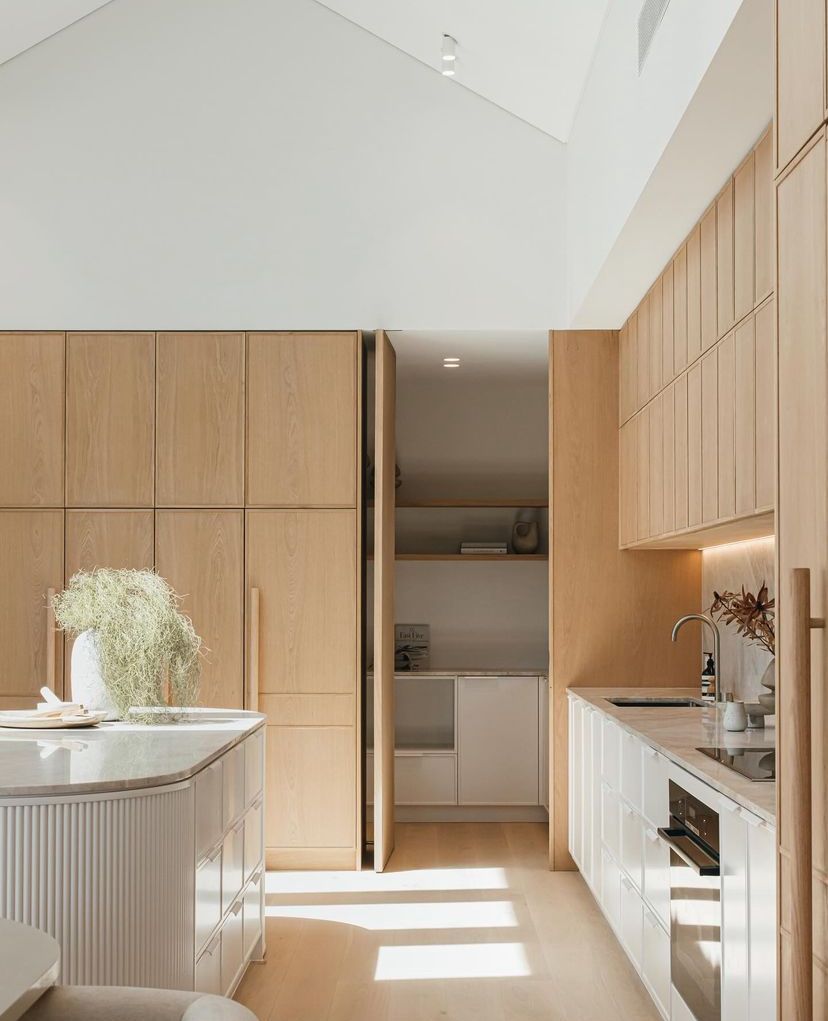
Built-Ins: Sleek, Seamless… and Not Cheap
Custom carpentry is a Singapore homeowner’s best friend, and biggest budget buster. Those wall-to-wall wardrobes, kitchen cabinets, and TV consoles look incredible, and maximises what little space Singapore houses have, but costs are usually calculated per foot run. Add premium laminates, soft-close hinges, or hidden compartments, and the total climbs faster than you in NAPFA.
Built-ins also aren’t “portable investments.” Unlike furniture you can bring with you to a new place, these are part of the flat forever. So while they’re great for maximising small HDB or condo spaces, they’re not exactly budget-friendly if you’re planning to upgrade homes down the road
Electrical & Rewiring: The Invisible Upgrade
If you’re buying a resale HDB or older condo, rewiring is often a non-negotiable. Outdated electrical systems may not handle today’s appliance-heavy lifestyle, from induction cookers to home office setups. And if you’re adding recessed lighting or feature walls, concealed wiring adds to both labour and material costs.
In this age of digital homes, extra sockets, USB ports, and smart home integration all sound like small upgrades, but they require extra cabling, switches, and installation time. You don’t “see” the rewiring when it’s done, but you’ll definitely feel it in your renovation bill.


False Ceilings: The Price of Polished
False ceilings do more than just hide messy wires, they create design opportunities. Want ambient cove lighting, a sleeker aircon trunking layout, or a hotel-inspired ceiling finish? You’ll need a false ceiling.
But plasterboard, framework, painting, and recessed lights add layers and layers of cost. The more complex the design like layered coves or LED strip integrations, the higher the bill. It’s an expense many homeowners forget to include when planning for “just new lights.”
Flooring: A Step Into a Bigger Bill
Flooring is one of the most visible parts of your home, but it’s also one of the easiest places for budgets to balloon. Hacking existing tiles alone can cost thousands, and that’s before factoring in new finishes, or the previously hidden uneven flooring. Vinyl, laminate, and tiles each come at different price points, but premium choices like marble or parquet can raise the total dramatically.
Labour costs for levelling and laying are often underestimated, and don’t forget about skirting or transitions between rooms. If your space has an unusual layout or needs heavy-duty waterproofing (especially in kitchens and bathrooms), the expenses climb even higher. Flooring may look flat, but its costs run deep.

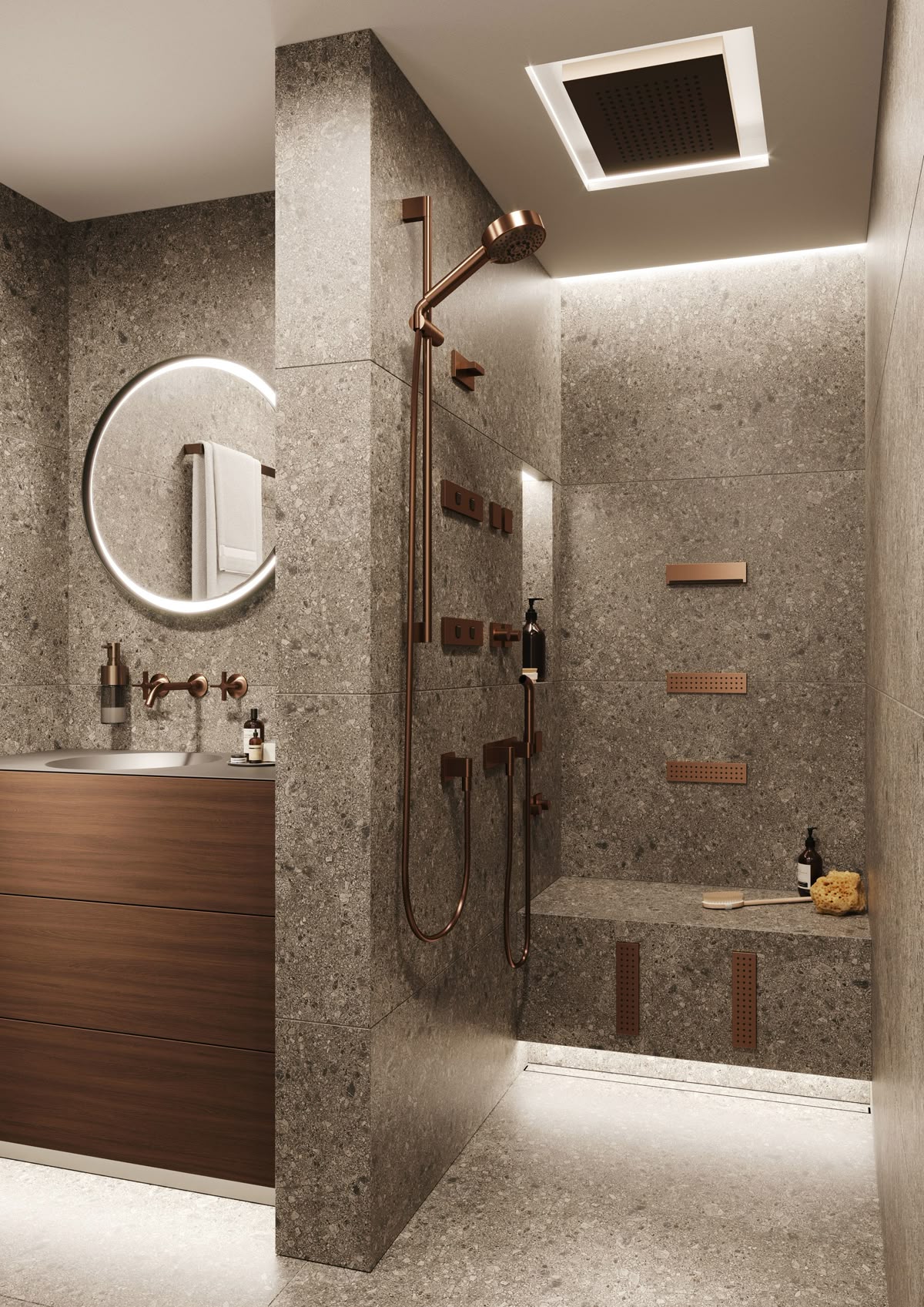
Plumbing & Wet Works: The Drainage of your Wallet
Waterproofing, piping, and tiling are often underestimated. Changing your bathroom layout, adding a rain shower, or shifting your washing machine point isn’t just about fixtures, it’s about hacking, replumbing, and retiling. These costs snowball quickly, especially with premium tiles, complicated layouts or a rusty pipe.
And here’s a tip: skimping on waterproofing to save money upfront often leads to leaks, repairs, and more costs later. You can’t get the best of both worlds.
The “Little Things” That Don’t Feel Little
Small items add up shockingly fast. Designer handles, custom door frames, fancy switches, or even the choice of laminate finish can shift your budget drastically. Then there are often-overlooked charges like haulage, disposal of old fittings, protective floor coverings during works, and after-renovation cleaning.
Individually, these things seem minor. Together, they can add thousands to your total, all for things you barely notice after moving in but remain crucial to the process.
How to Avoid Budget Shock
Hidden renovation costs don’t have to derail your dream home. Here are some ways to prepare:
- Pad your budget by 10–20%. It’s better to set aside a buffer than scramble later.
- Ask detailed questions. Request a breakdown of “what’s included” in your contractor’s or designer’s quote. But of course, here at i.Poise we already itemise the whole process for you.
- Prioritise essentials. Focus on durable investments (rewiring, waterproofing, carpentry you’ll actually use daily) before splurging on luxuries.
- Work with professionals. Experienced interior designers help flag hidden costs before you’re blindsided.
Renovation in Singapore is more of a marathon than a sprint, and “hidden” costs are part of the journey. Built-ins, rewiring, false ceilings, plumbing, and even the so-called “small stuff” can pile up faster than you expect. That’s precisely why smart planning and realistic budgeting are important so you can keep surprises under control and still achieve the dream home you envisioned.
Think of it this way: planning for the hidden costs isn’t just about saving money. It’s about saving your peace of mind, if all else fails, you can always contact our design team via our Contact Us page, at our main line +65 63451730 or speak to our studio directors directly at +65 97386690 (Alicia)/+65 81234411 (Eugene) today!