
In a city of glass towers and fast lifts, biophilic design offers what Singaporeans crave most, calm. It’s more than just adding plants to your home; it’s about creating a deeper connection with nature through design.
Whether you live in a compact condo or a spacious landed home, integrating natural elements can instantly make your space feel fresher, warmer, and more alive. Here’s how to bring the outside in, beautifully.
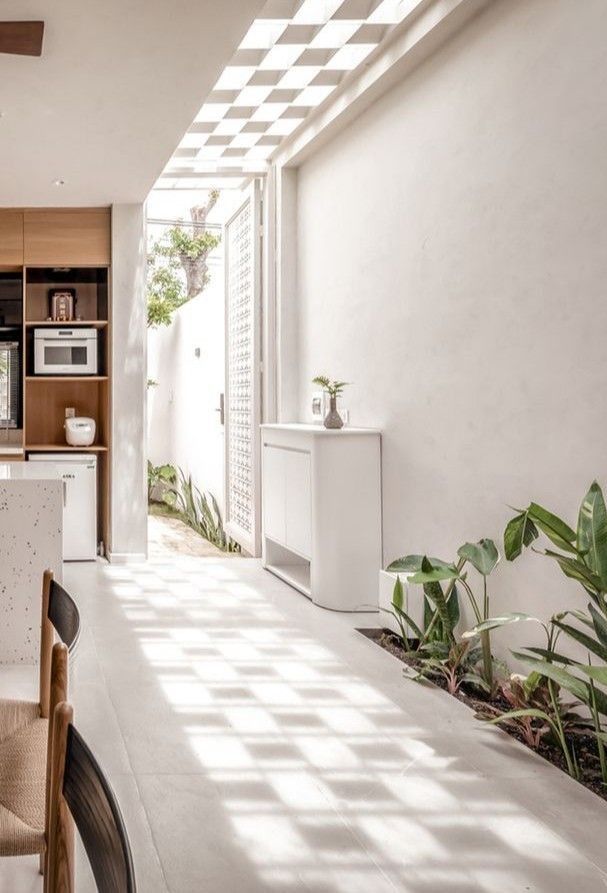
1. Start with Natural Light
Biophilic design begins where nature already shines, through sunlight.
Maximise your daylight exposure by keeping window treatments light and sheer or using glass panels to allow light to spill from one space to another.
In Singapore’s tropical climate, light shifts dramatically throughout the day. A well-planned layout can capture that soft morning brightness in the bedroom to golden afternoon light in the living room. Consider the use of matte surfaces and lighter palettes to let natural light bounce softly through your space without glare. It enhances warmth without the heat.
2. Integrate Plants with Purpose
Plants are the most visible expression of biophilic design, but they shouldn’t just sit in corners. Think about how they interact with your space from vertical gardens that soften walls to potted greens that define zones.
Low-maintenance species like snake plants, peace lilies, and pothos thrive in Singapore’s humidity and low-light interiors. For statement pieces, fiddle-leaf figs or bird of paradise plants make stunning sculptural accents.
If you’re tight on floor space, hang planters near windows or create a slim built-in ledge for a mini-indoor garden. Every touch of green counts.
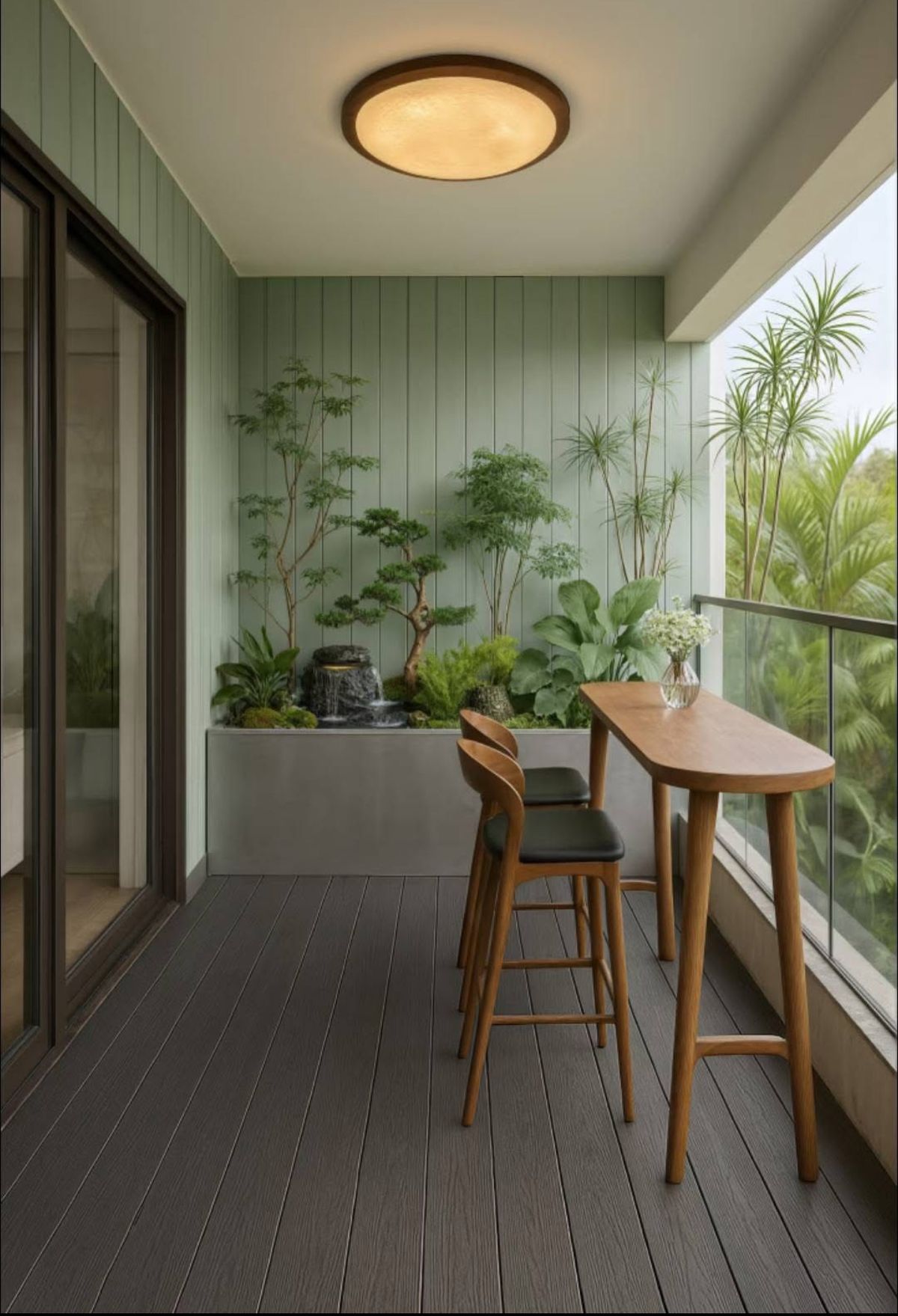
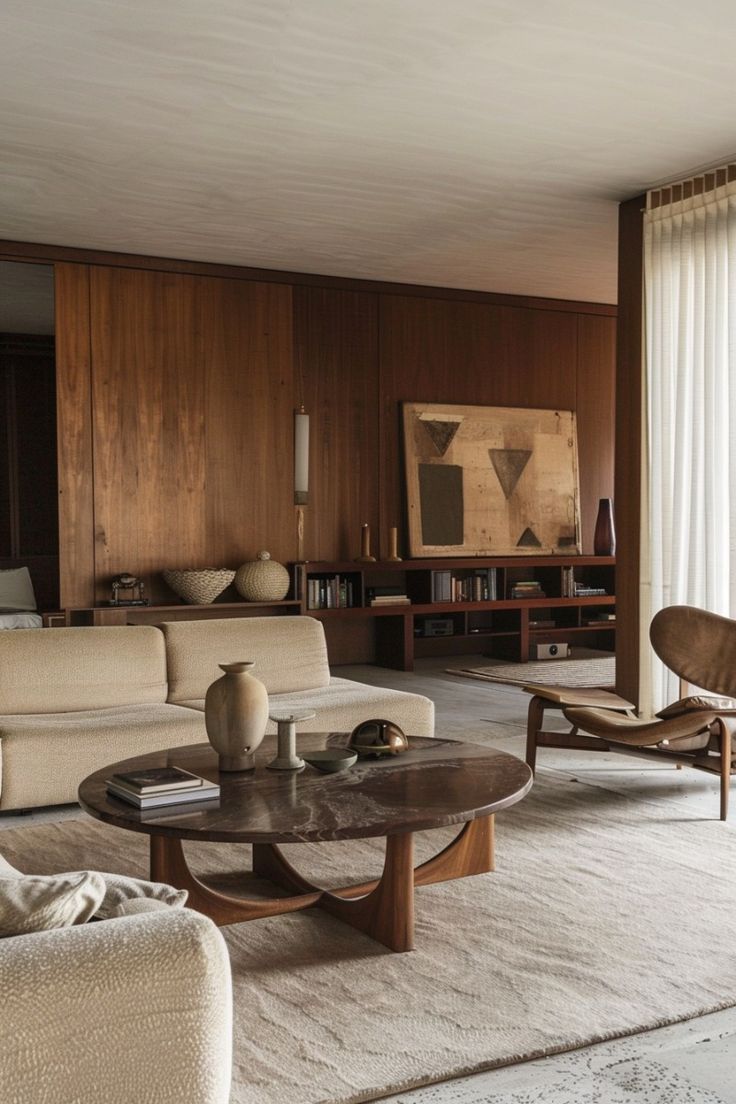
3. Use Natural Materials and Textures
Biophilic interiors go beyond greenery, they’re rooted in texture. Incorporate wood, stone, rattan, linen, and bamboo finishes to evoke a tactile sense of nature.
These organic materials ground your space with visual warmth while balancing Singapore’s often sleek, modern architecture.
You can also layer these textures, be it a rattan armchair beside a travertine table, or a jute rug under a soft linen sofa. The contrast of rough and smooth mimics the organic balance found outdoors.
4. Create Flow with Plant-Friendly Layouts
Nature isn’t cluttered, it’s structured. And so should your home be.
A biophilic layout should allow energy, air, and light to move freely. Avoid blocking windows with bulky furniture and keep pathways open to encourage natural ventilation.
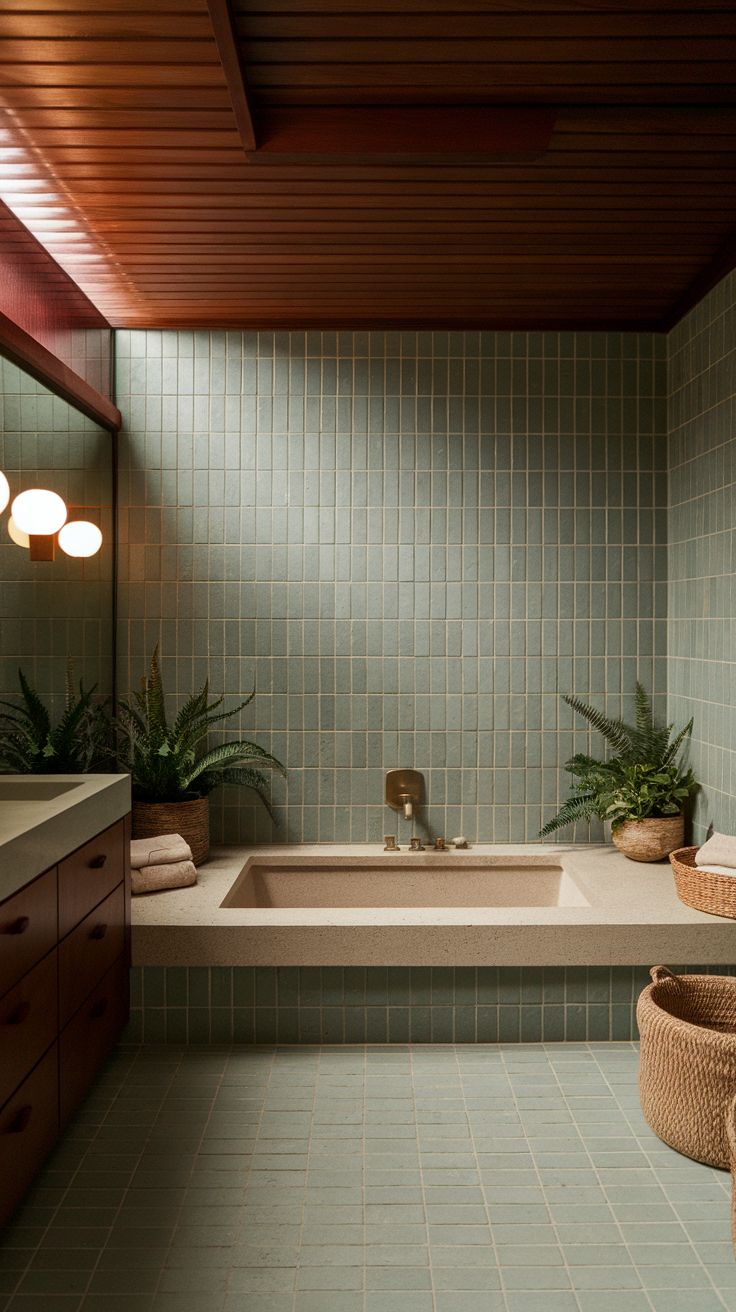
Consider the “microclimate” of each room before adding plants, bathrooms suit ferns and air plants that love humidity, while bright living rooms welcome succulents and palms.
Design-wise, pairing greenery with neutrals and soft earthy tones helps maintain balance. The goal is serenity, not a forest.
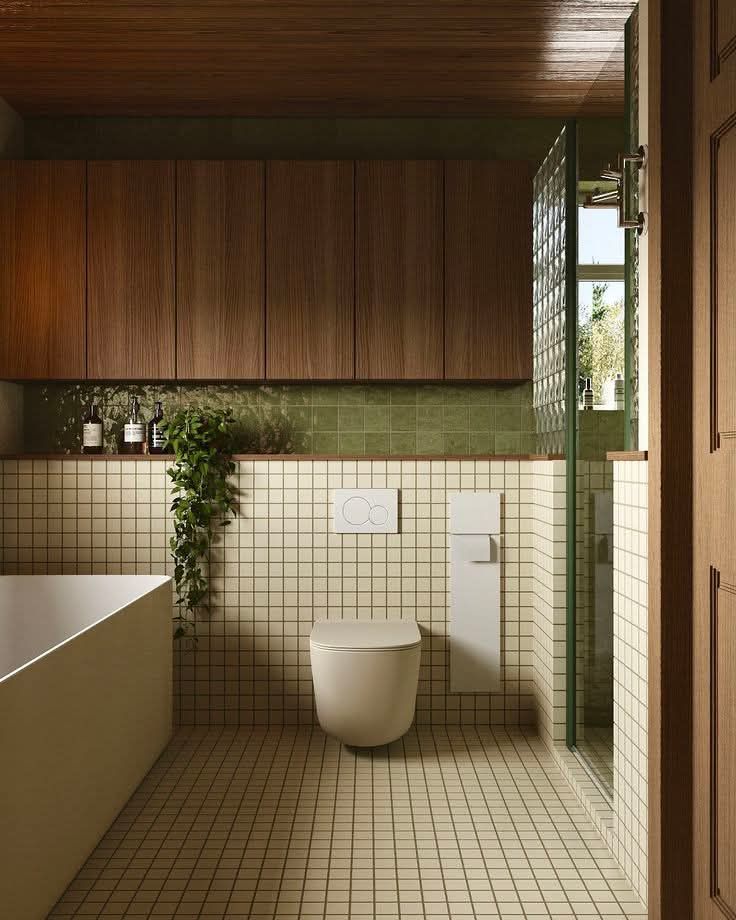
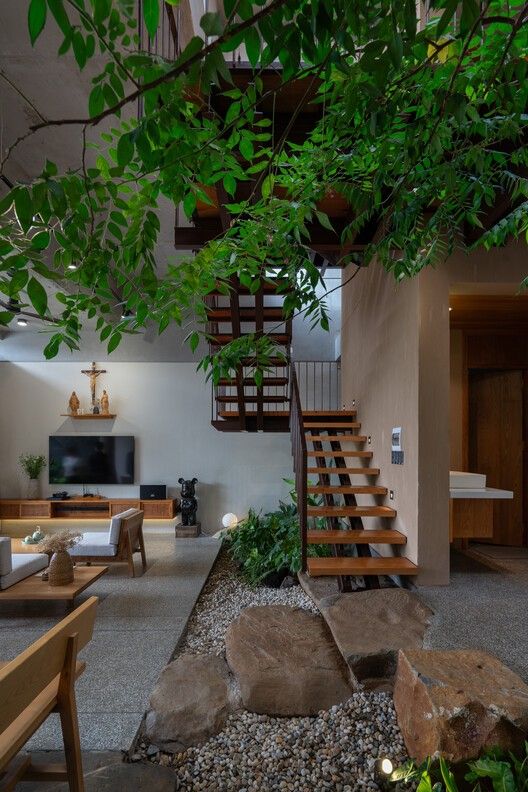
5. Connect Indoor and Outdoor Spaces
Singapore homes often blur the line between indoor and outdoor living; balconies, patios, and terraces offer perfect transitions for biophilic design. Sliding glass doors, folding panels, or even small potted herb gardens by the window create that sense of continuity.
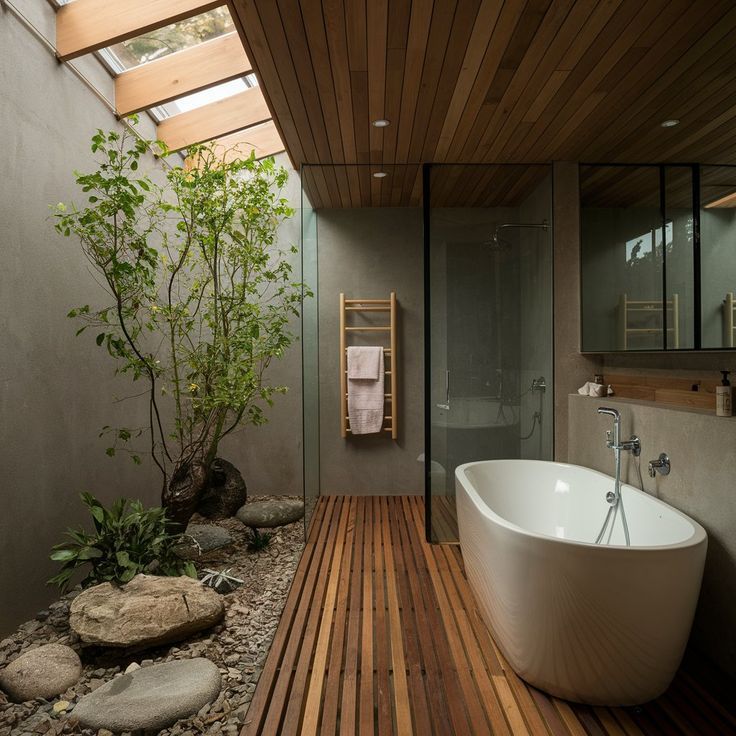
If you’re in a landed home, consider courtyards or skylights that frame the sky and greenery like living art pieces. More than just the daylight, you’ll get a gorgeous view of the night sky.
For condos or HDBs, small adjustments like using reflective mirrors to extend your view of the outdoors can make a big impact too.
6. Embrace Natural Patterns and Colours
Nature rarely deals in perfection, and that’s the beauty of it.
Introduce organic patterns through wallpaper, textiles, or tiles that mimic leaves, waves, or stone veining. Of course, paint is an option too if you hold your reservations about wallpaper. And of course, we have a guide for that too. Choose a palette inspired by nature: earthy browns, mossy greens, sandy beiges, and sky blues.
These tones create emotional calm and visual harmony, a natural antidote to the overstimulation of city life.
7. Layer the Senses: Sound, Scent, and Touch
True biophilic design engages more than sight.
Consider sound, soft background music, water features, or even an open window for natural breeze and birdsong.
Add scent through natural candles, wood diffusers, or indoor herbs like mint and basil.
Textural comfort is equally key: think of cotton throws, woven cushions, and wooden flooring that feels warm underfoot. When all senses align, your home becomes not just seen, but felt. Nothing would feel better than those clean sheets after a long day.
8. Design for Wellness, Not Just Style
Ultimately, as much as sustainability is on the uprise, biophilic design isn’t a trend, it’s more of a lifestyle shift.
Research shows that incorporating natural elements indoors can lower stress, boost creativity, and improve air quality. I’m sure we’ve all heard of the Singaporean saying of “ Go stare at some trees to rest your eyes” whenever we complained about work. In Singapore’s fast-paced environment, it’s a small but powerful step toward slower living. Even one element, a plant corner by the window or a wood-accented study nook, can make a difference.
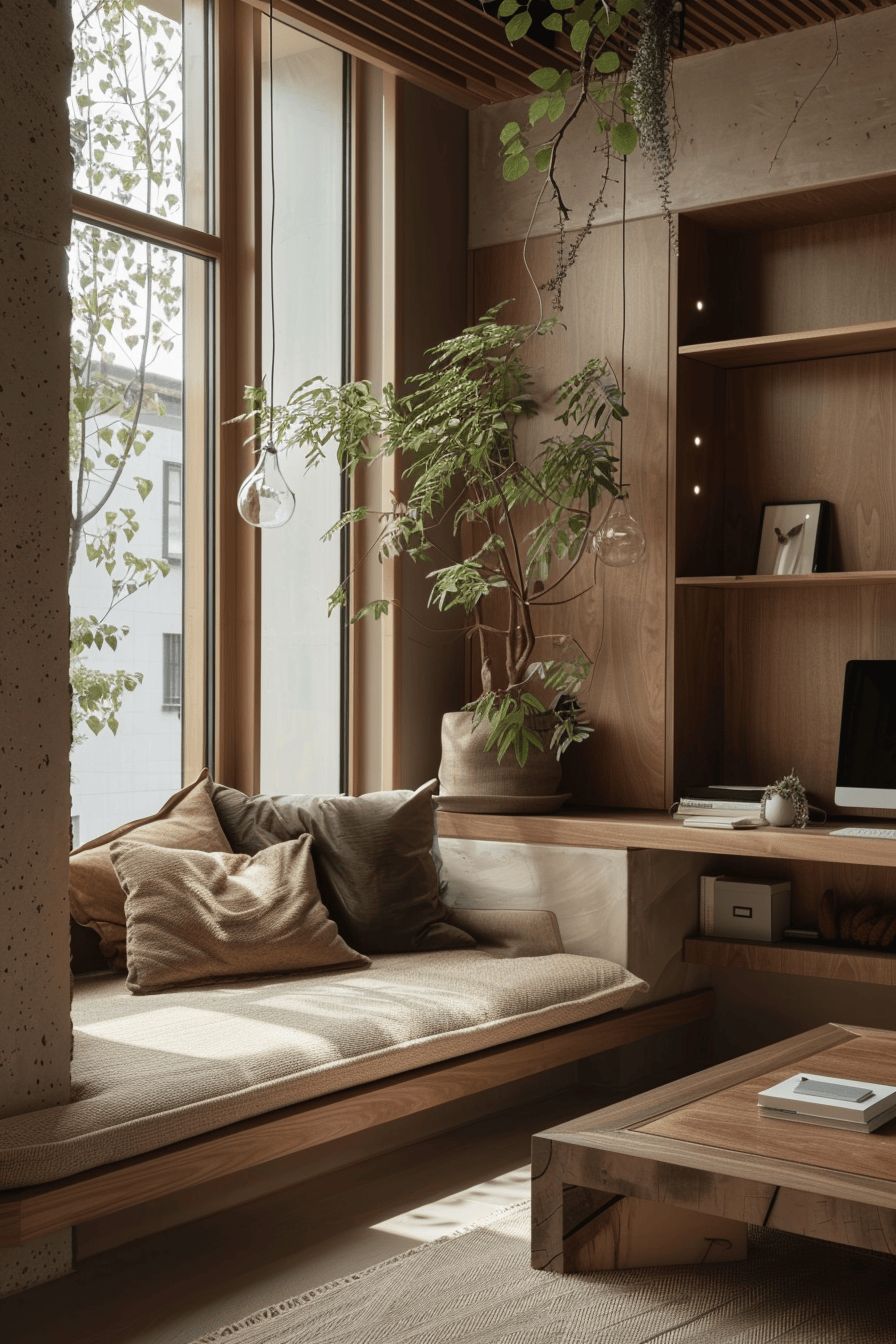
In homes where glass and steel dominate, adding organic warmth gives balance. It reminds us that good design doesn’t just look good, it feels good too.
After all, the best homes don’t shut the world out. They bring the beauty of it back in. Contact our design team via our Contact Us page, at our main line +65 63451730 or speak to our studio directors directly at +65 97386690 (Alicia)/+65 81234411 (Eugene) today!