
Hiring an interior designer in Singapore can feel a bit like dating. You’re committing time, money, and a lot of trust, and everyone is putting their best foot forward at the start. When it works, the result is a home that feels effortless and well thought out. When it doesn’t, you’re left juggling timelines, budgets, and messages at midnight.
The good news? Most renovation disputes can be avoided with the right expectations, communication, and process. Here’s how to work with an interior designer in Singapore smoothly, from first meeting to final handover.
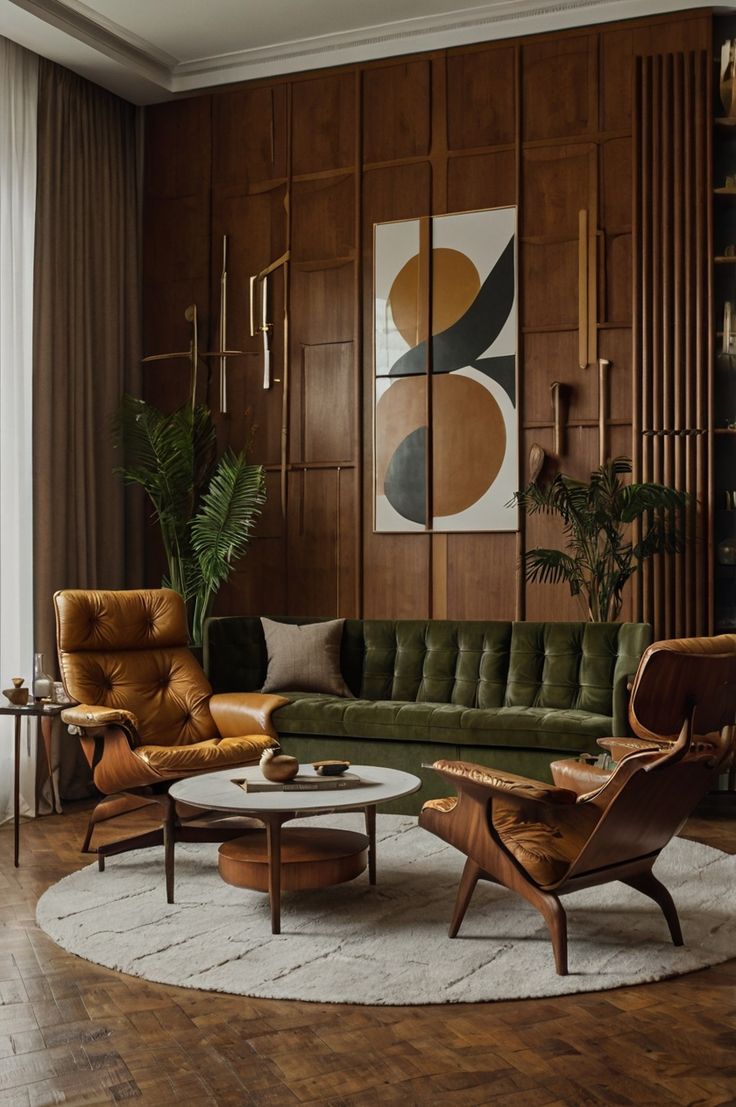
1. Understand the Interior Design Process (Before Anything Starts)
Before the mood boards, carpentry drawings, and material samples appear, it helps to know how a typical interior design project in Singapore unfolds.
Most projects follow these stages:
- Initial consultation and space assessment
- Concept design and layout planning
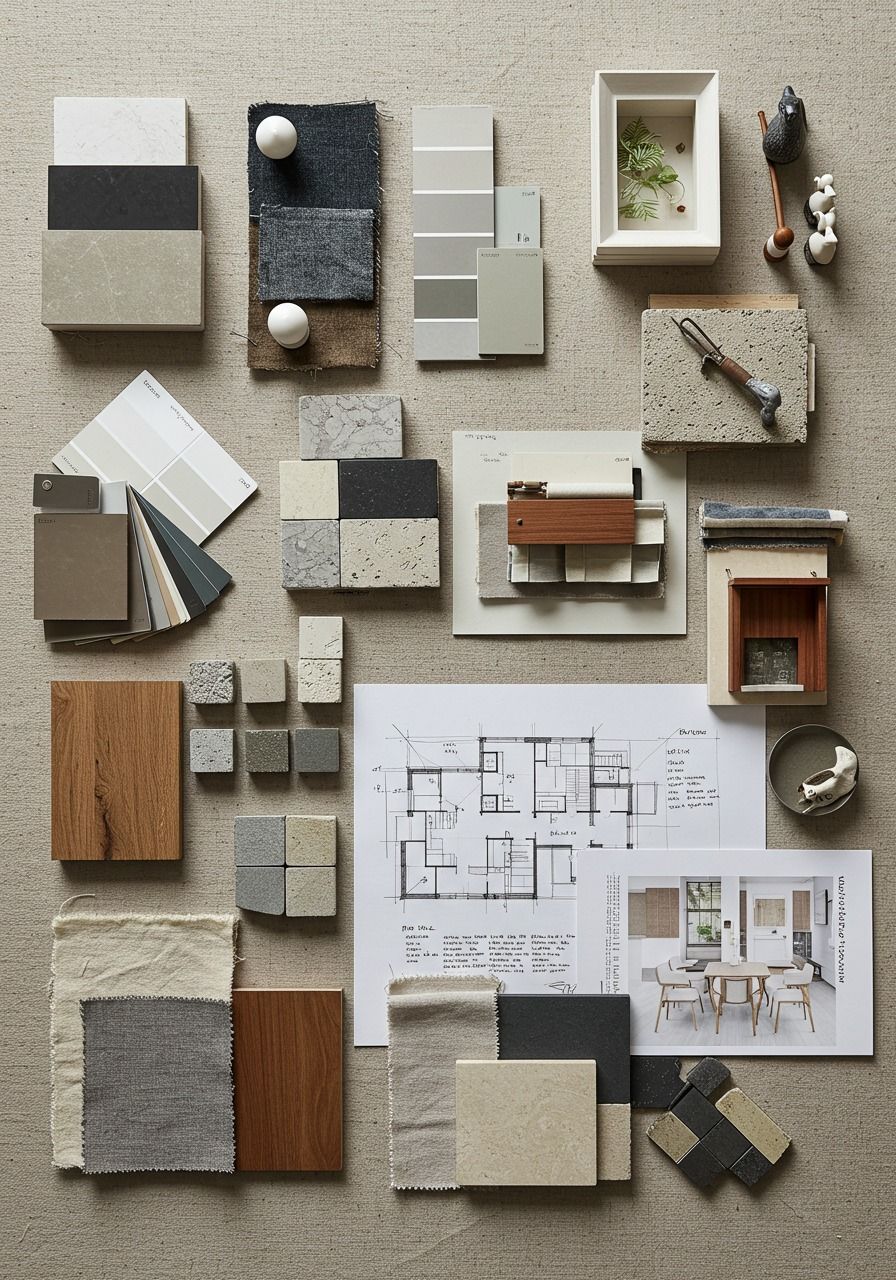
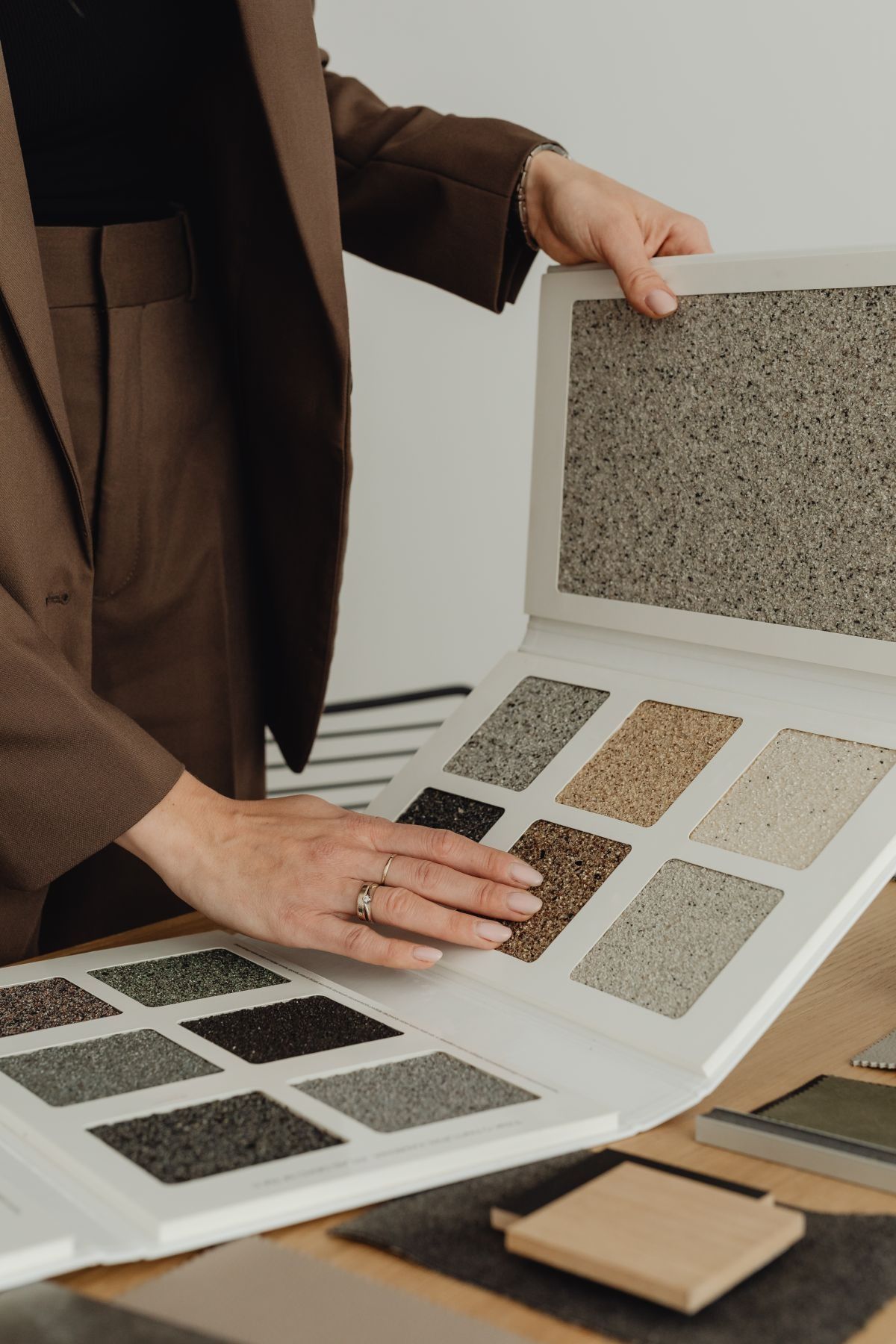
- 3D visualisation and material selection
- Cost breakdown and contract signing
- Renovation works and site coordination
- Styling, handover, and defects rectification
Understanding this flow prevents unrealistic expectations, especially around timelines. Design takes time, approvals take time, and good workmanship is never rushed.
2. Be Clear About Budget, Not Just Style
One of the fastest ways to derail a renovation is being vague about budget. It’s common for homeowners to say, “We’ll see how first,” but designers can only design realistically when they understand financial boundaries.
Instead of fixing one magic number, share:
- Your comfortable budget range
- Areas you’re willing to invest more in
- Areas where you’re happy to compromise
This allows your interior designer to prioritise intelligently allocating spend where it matters most while avoiding unnecessary redesigns later.
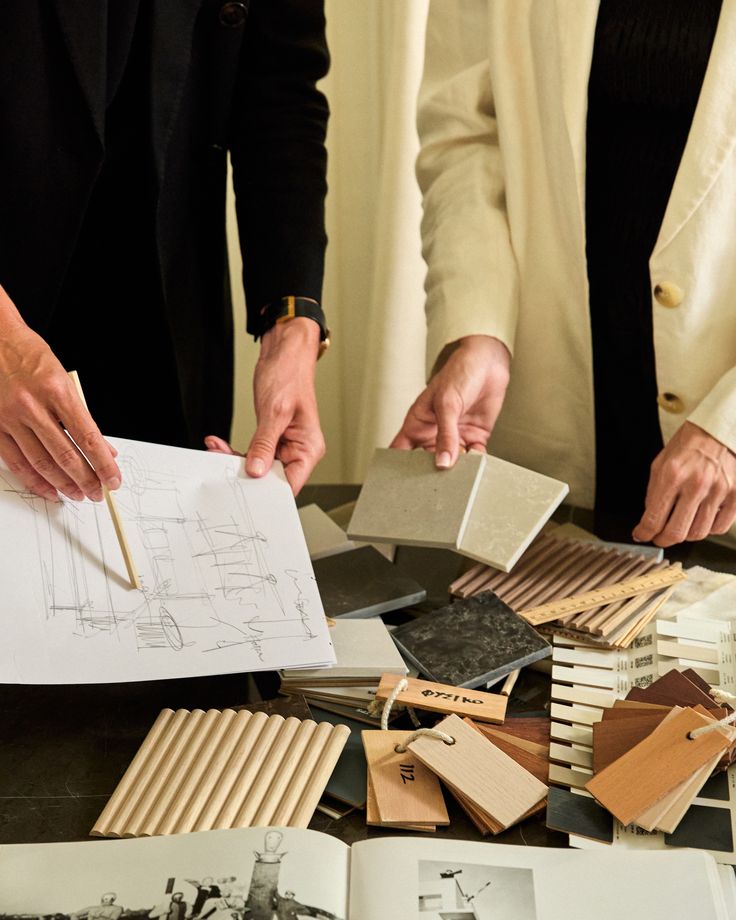

3. Communicate Your Lifestyle, Not Just Your Pinterest Board
Images are helpful, but lifestyle is critical.
A designer needs to know:
- How many people live in the home
- Work-from-home habits
- Cooking frequency and style
- Storage needs
- Pets, children, or elderly family members
- Long-term plans (selling vs staying long-term)
The more context you provide, the better your designer can create a space that actually works. The important thing is not just looking good in photos but better yet bring you potential resale value.
4. Trust the Professional, But Ask the Right Questions
Interior designers in Singapore juggle aesthetics, space planning, technical constraints, and renovation regulations. While it’s important to voice concerns, it’s equally important to trust expertise.
Instead of asking:
“Can we just do it this way?”
Try:
- “What are the pros and cons of this option?”
- “Will this affect maintenance or durability?”
- “Is this suitable for Singapore’s climate?”
Good designers welcome informed questions and will explain the reasoning behind their recommendations clearly.
5. Get Everything in Writing (Yes, Everything)
Verbal agreements are the root of most renovation disputes.
Before renovation begins, ensure these are clearly documented:
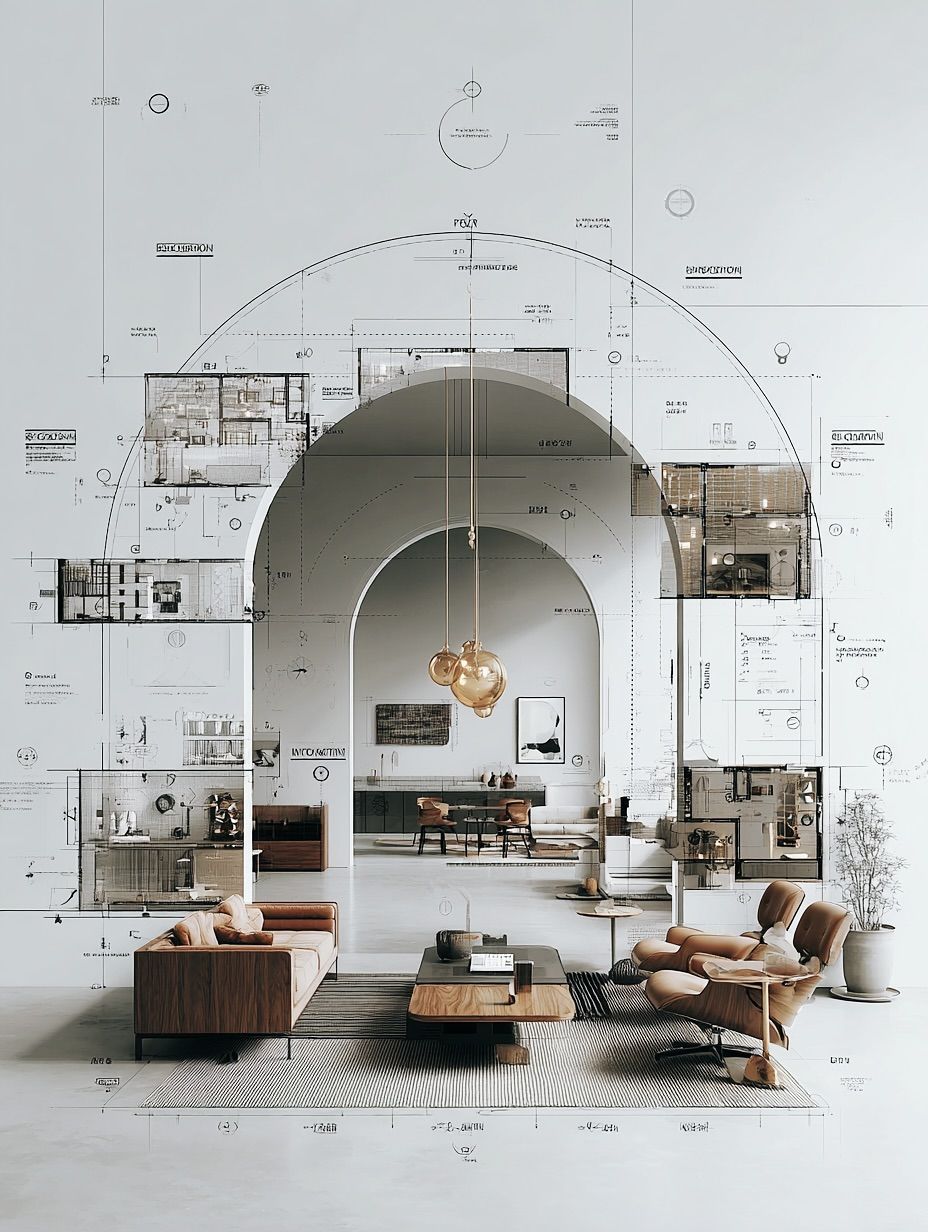
- Finalised layout drawings
- Material and finish specifications
- Scope of works
- Payment schedule
- Project timeline
- Warranty and defects liability period
A detailed contract protects both you and the designer. If something changes mid-way, confirm it via email/text or written variation orders to avoid misunderstandings.
6. Respect the Timeline, Including Design Time
In Singapore, many homeowners underestimate how long good design takes. Rushing decisions often leads to costly changes later.
Delays often happen when:
- Material selections are postponed
- Design approvals keep changing
- On-site works are paused waiting for decisions or even payments
Sticking to agreed timelines and responding promptly keeps the project moving smoothly, and within budget.
7. Understand What Designers Can (and Can’t) Control
Interior designers coordinate multiple parties; your contractors, suppliers, carpenters, electricians, but external factors still exist.
Common uncontrollable elements include:
- Material supply delays
- Building management restrictions
- Weather conditions
- Hidden site issues uncovered during renovation
A good designer communicates these early and offers solutions, but flexibility and understanding from homeowners go a long way.
8. Handle Issues Early, Not Emotionally
Problems don’t always mean poor workmanship. Renovation is a complex process, especially in older HDBs, condos, or landed homes.
If something feels off:
- Flag it early
- Stay specific and factual
- Refer back to drawings or contracts
- Give your designer time to rectify
Calm, timely communication leads to faster resolutions than letting frustrations build.

9. Think Long-Term, Not Just Move-In Day
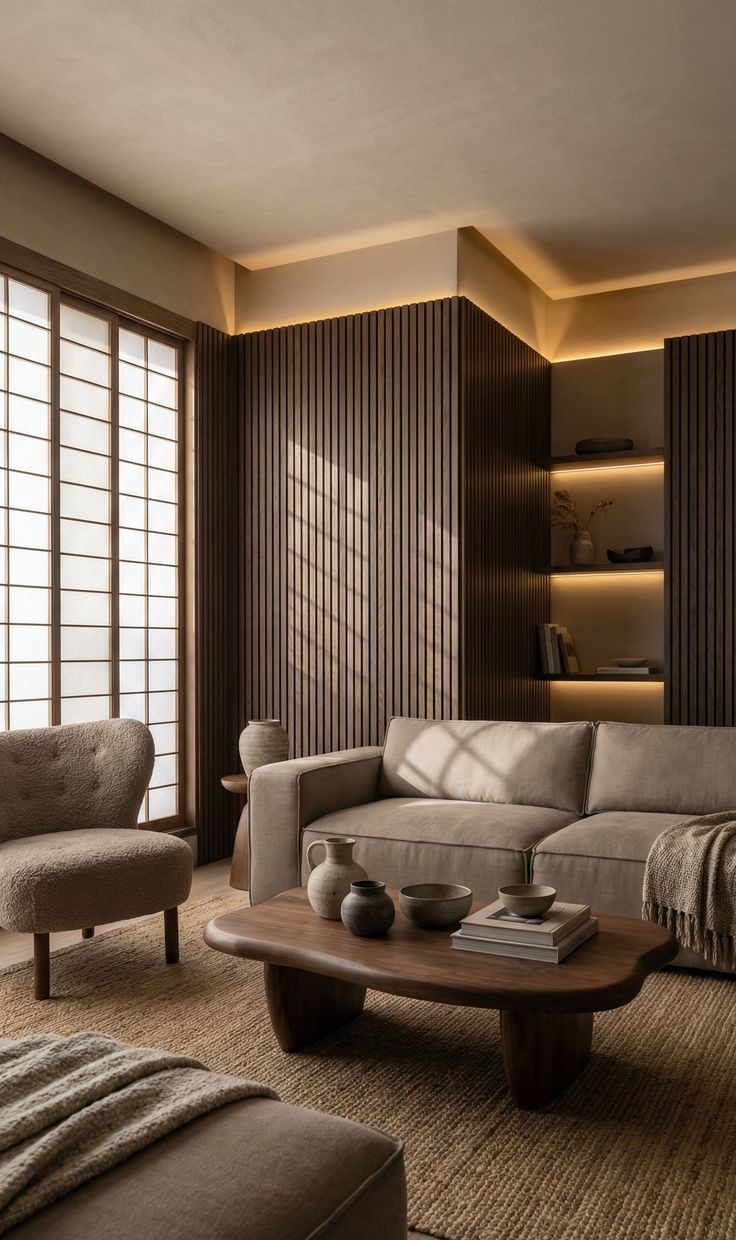
A good interior designer doesn’t just design for photos or immediate comfort. They think about:
- Maintenance
- Durability
- Ageing-in-place needs
- Future adaptability
Being open to these conversations helps future-proof your home and ensures your renovation investment holds value.
Working with an interior designer in Singapore is a collaboration. When expectations are clear, communication is open, and trust is mutual, the renovation process becomes far more enjoyable and far less stressful.
With the right partnership, your home won’t just be beautifully designed. It will be thoughtfully planned, well-executed, and truly suited to how you live. Decide today by contacting our design team at our Contact Us page, at our main line +65 63451730 or speak to our studio directors directly at +65 97386690 (Alicia)/+65 81234411 (Eugene) today!