
You can plan for months, pour over mood boards, and obsess over finishes, yet some interior design mistakes only reveal themselves after you’ve lived in the space for a while. These are not the obvious renovation disasters, but the subtle, everyday frustrations that slowly creep in once real life begins.
Here are the most common interior design mistakes Singapore homeowners only notice after moving in, and how to avoid them.
When Beautiful Lighting Turns Into Daily Glare
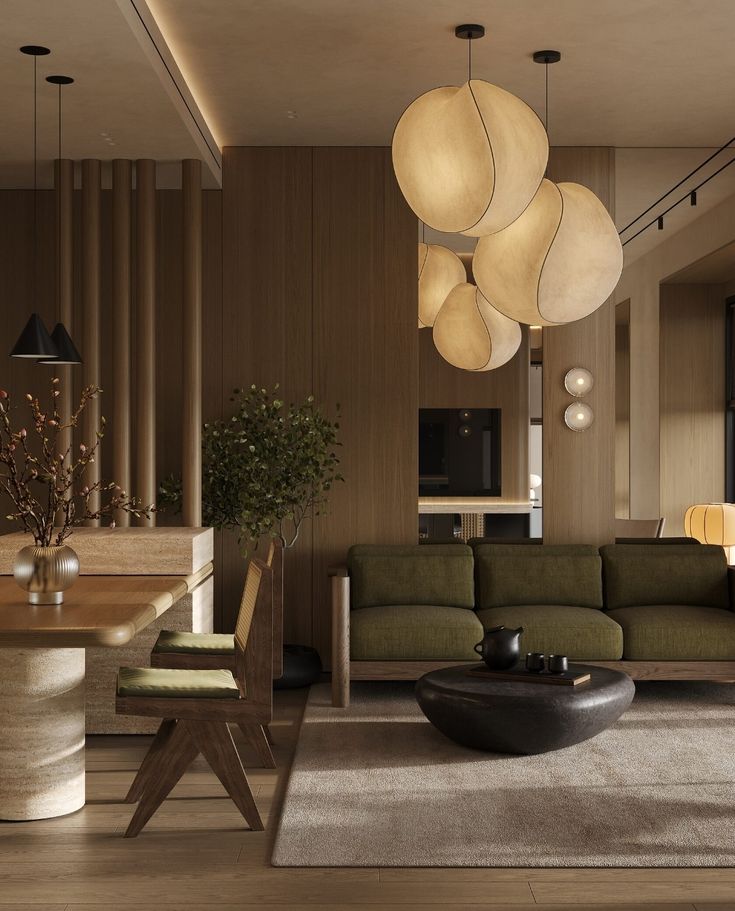
Lighting often looks perfect during handover, but daily use tells a different story. Downlights positioned directly above dining tables, sofas, or beds can cause uncomfortable glare, especially in compact Singapore homes where ceilings aren’t very high. Mirror finishes, glossy cabinetry, and marble surfaces can amplify the issue by reflecting light harshly.
What works better is layered lighting: ambient lights for general brightness, task lighting for function, and accent lighting to add depth. Warm colour temperatures also make a big difference for long-term comfort, especially in bedrooms and living spaces.
Carpentry That Looks Sleek but Doesn’t Work
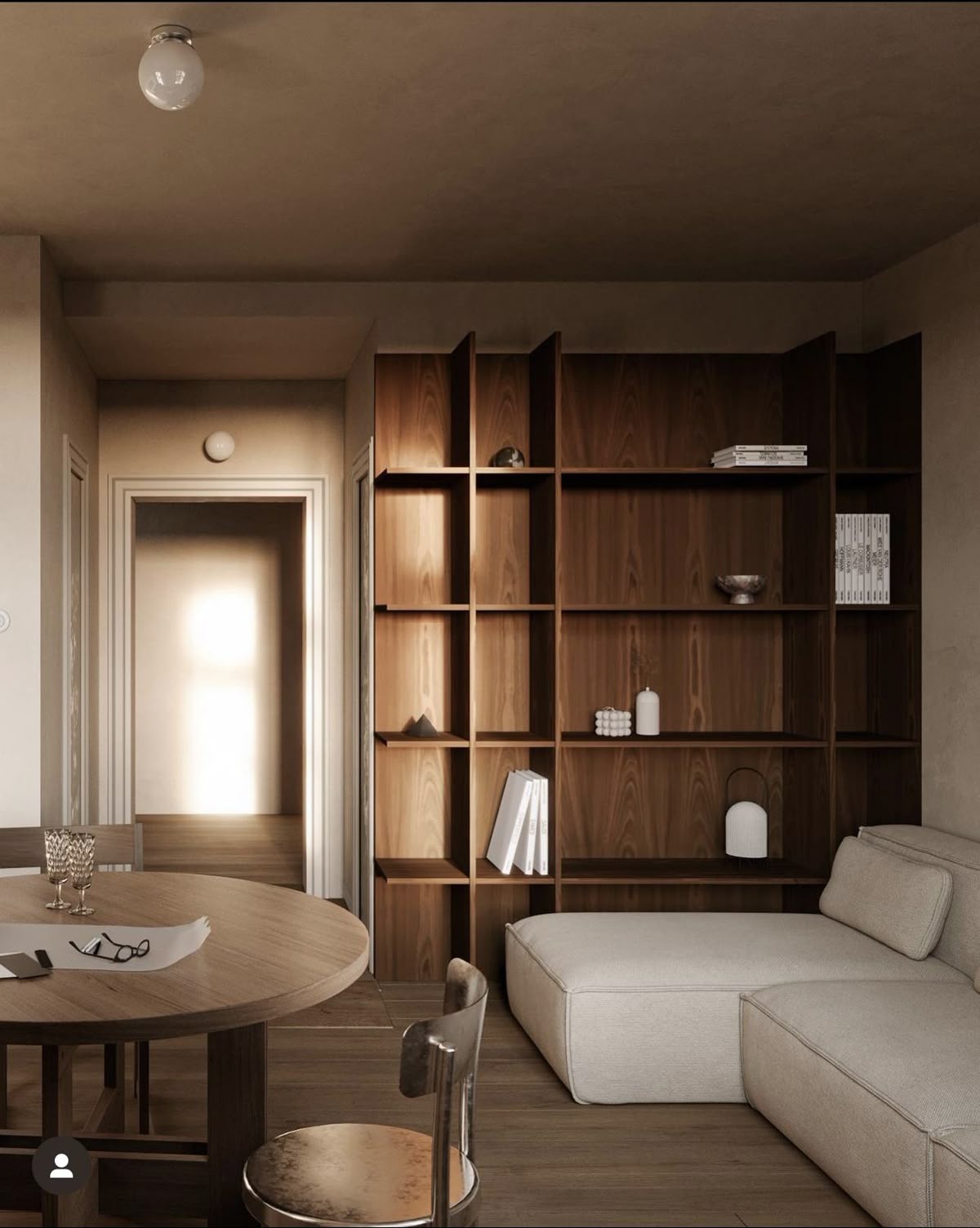
One of the most common renovation mistakes in Singapore is prioritising aesthetics over usability in carpentry. Ultra-slim shelves that can’t fit actual items, wardrobes that look flush but don’t accommodate hangers properly, and kitchen cabinets that are too shallow for appliances quickly become daily annoyances.
Good carpentry design considers real-life use, not just how it looks in photos. Depth, internal layout, door swing clearance, and access all matter. Storage should work for your habits, not just your Pinterest board.
Storage That Exists, But Isn’t Practical
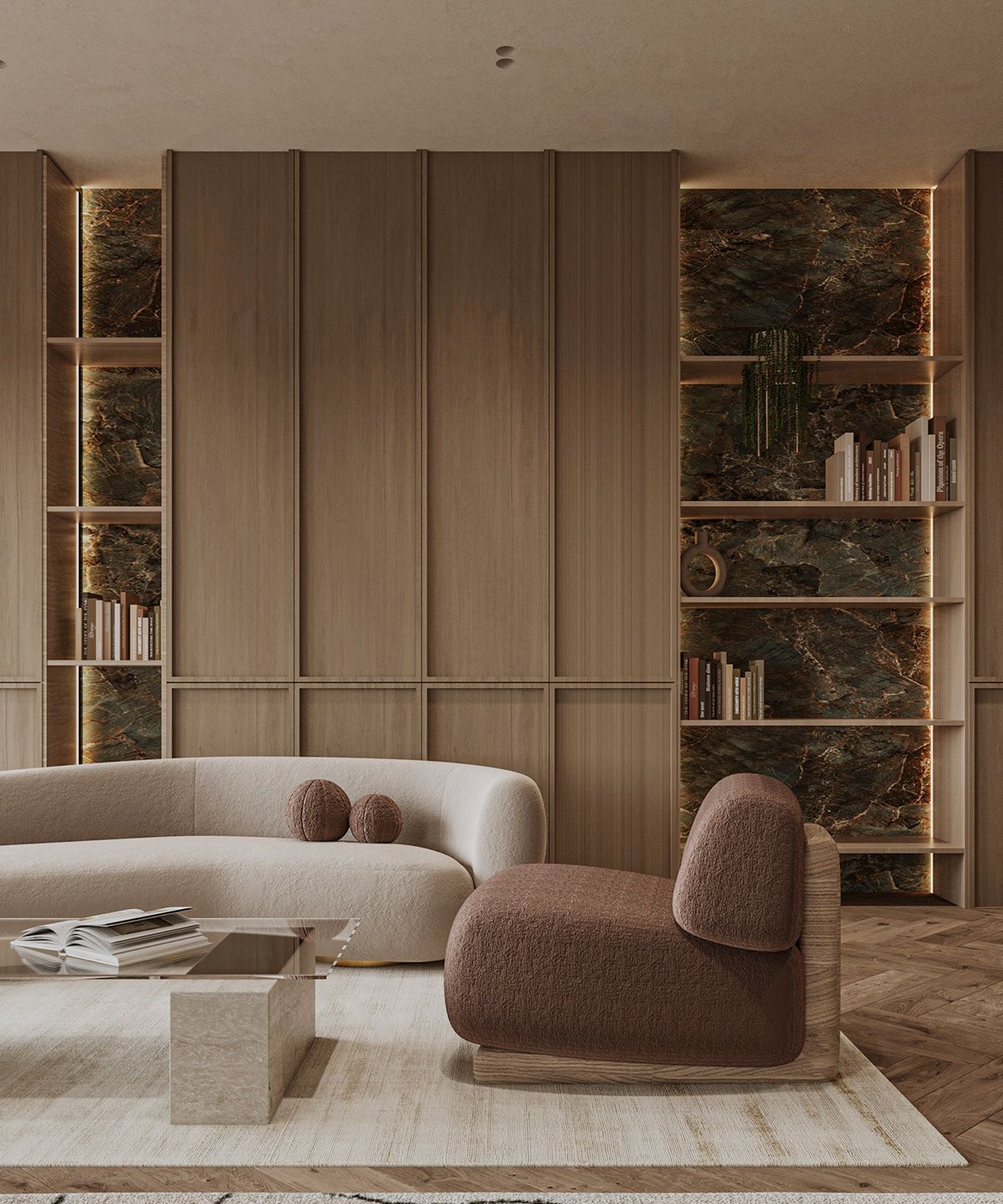
Many homes technically have enough storage, but it’s poorly planned. Hard-to-reach overhead cabinets, deep drawers without organisers, or display shelves that collect dust faster than they store anything often go unused.
Effective storage design is intuitive. Frequently used items should be easy to access, while long-term storage can be tucked away. In smaller HDB flats and condos, smart storage design is less about quantity and more about placement and usability.
Maintenance Regrets You Didn’t See Coming
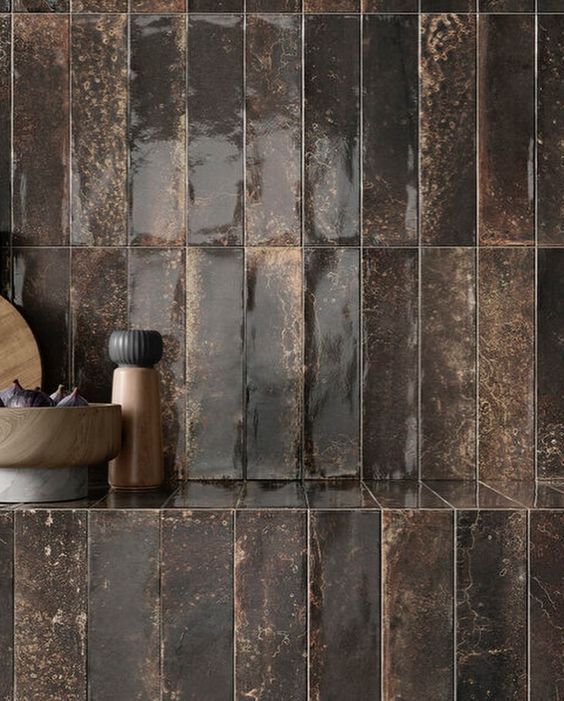
That textured wall finish, dark grout, or matte black tapware may have looked stunning during renovation but daily upkeep can be another story. Certain materials show water stains, fingerprints, or dust far more easily in Singapore’s humid climate.
This doesn’t mean avoiding luxury finishes altogether, but understanding where they make sense. High-maintenance materials are better suited for feature areas rather than high-touch zones like kitchens and bathrooms.
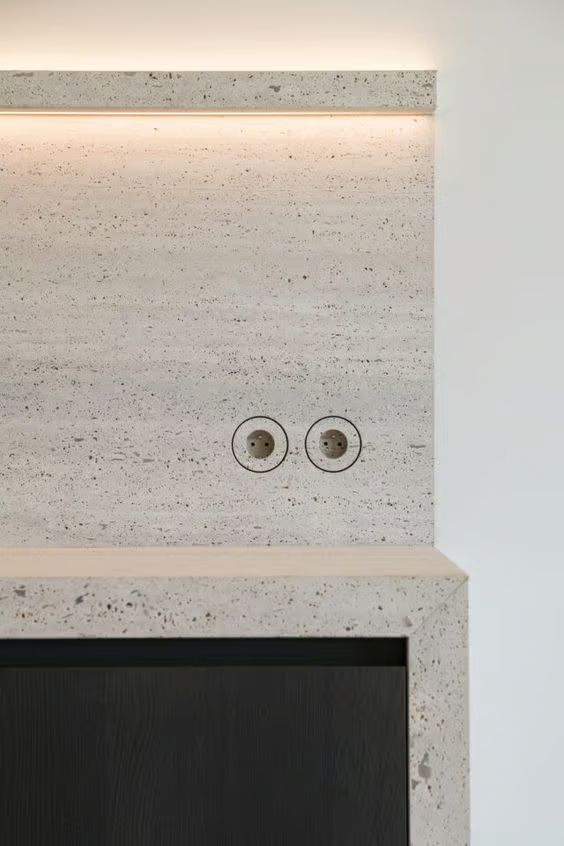
Power Points and Switches in All the Wrong Places
You never really notice power points until you don’t have one where you need it. After moving in, many homeowners realise their charging spots don’t align with actual furniture placement, or switches are inconveniently located.
A good renovation plan maps out daily routines, not just anyone’s, but your own routine map. Be it where you want to charge phones, use appliances, or even considerations of working from home, it’s important before finalising electrical layouts. It’s one of the least glamorous but most impactful parts of interior design.
Furniture That Fits the Showroom, Not Your Home
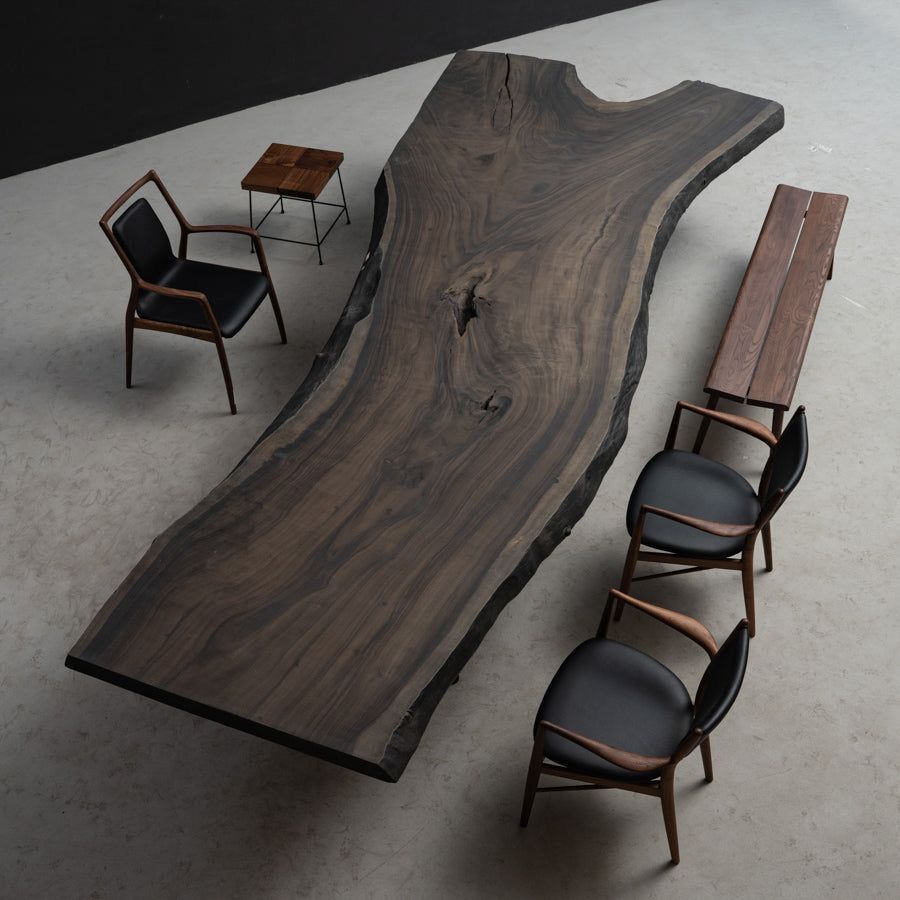
Oversized sofas, statement dining tables, or bulky bed frames can overwhelm compact Singapore homes. Even if measurements technically fit, circulation space often suffers, making the home feel cramped over time.
Scale matters just as much as style. Furniture should allow comfortable movement, accommodate multiple users, and adapt to changing needs, especially in homes where space is at a premium.
Open Concepts That Feel Less Practical Over Time
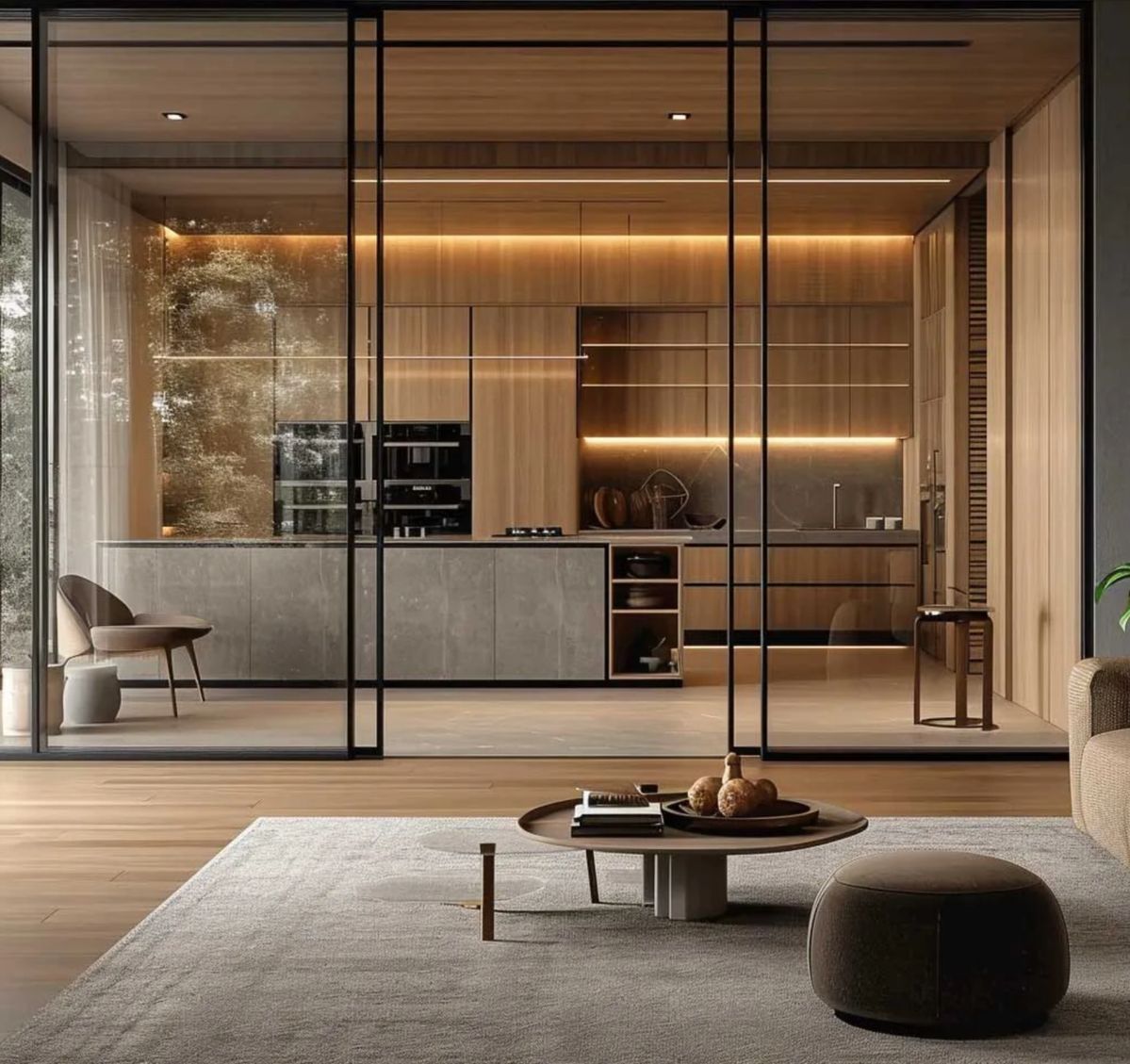
Open-plan layouts are popular, but some homeowners only realise later that noise travels easily, cooking smells linger, and privacy is limited. This is especially noticeable for large families or those working from home.
Thoughtful zoning through sliding panels, screens, or flexible layouts helps balance openness with functionality. Open concept doesn’t have to mean zero separation.
Design Decisions That Don’t Age Well
Trendy finishes, overly bold colours, or niche design themes can feel exciting at first but tiring after a year or two. What photographs well may not always translate to long-term comfort.
Timeless base designs with room for change through accessories, lighting, or soft furnishings tend to age better and offer more flexibility as lifestyles evolve.
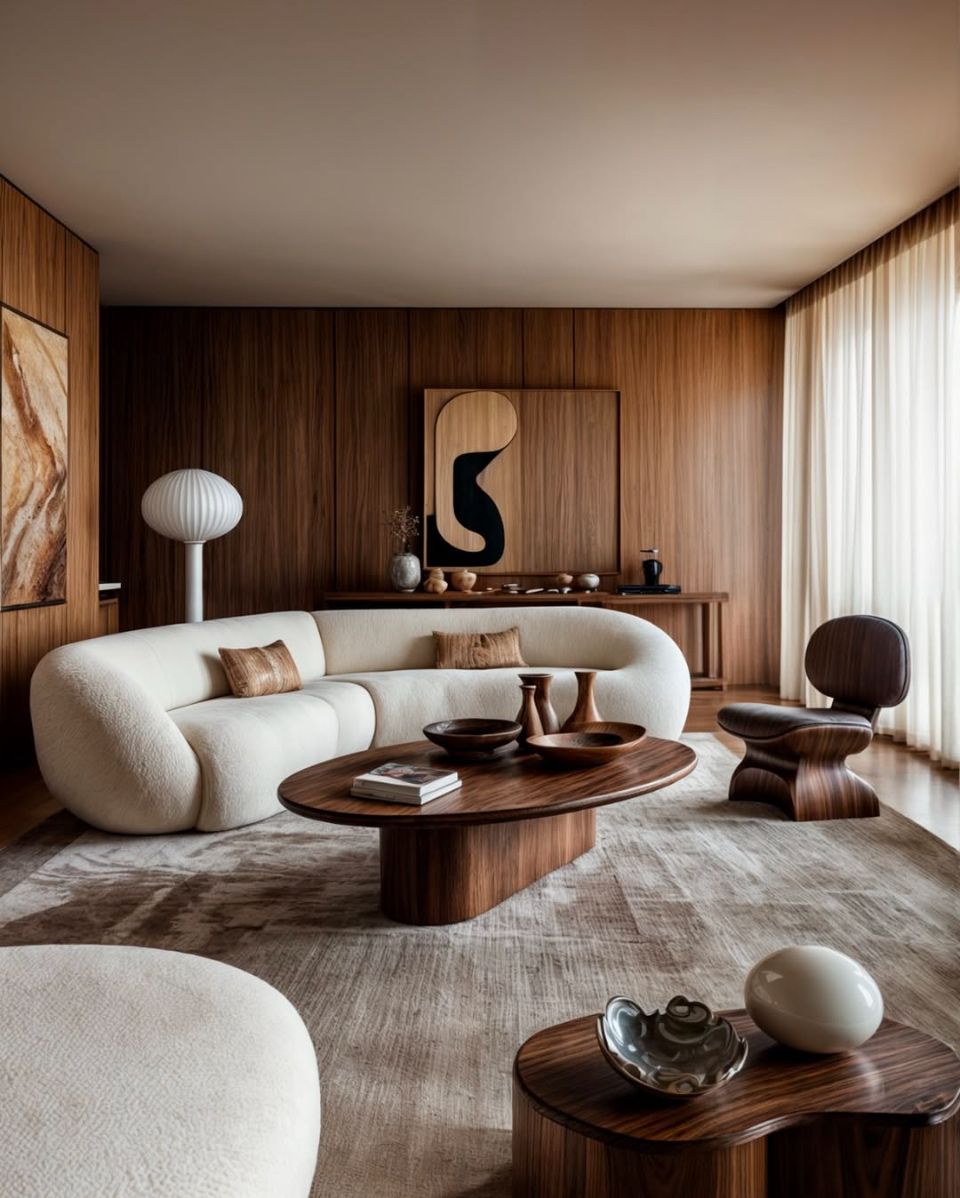
The best interior design doesn’t shout for attention, it quietly supports daily life. Many renovation mistakes in Singapore homes aren’t obvious at handover but reveal themselves through everyday use.
Designing with real habits, maintenance realities, and long-term comfort in mind makes all the difference. Because at the end of the day, a home isn’t meant to be admired only once, it’s meant to be lived in, comfortably, every single day. Planning? Start by contacting our design team at our Contact Us page, at our main line +65 63451730 or speak to our studio directors directly at +65 97386690 (Alicia)/+65 81234411 (Eugene) today!