
We’ve all been there. You walk into an interior design showroom in Singapore and everything looks perfect. The lighting is flattering, the sofa looks impossibly plush, the space feels generous and effortless. You leave thinking, “I want exactly this in my home.”
Then renovation ends. You move in. And somehow… it doesn’t feel the same.
The truth is, showroom designs are designed to impress, not to be lived in. Here’s why what works beautifully in a showroom doesn’t always translate well into real homes and how to manage renovation expectations more realistically.
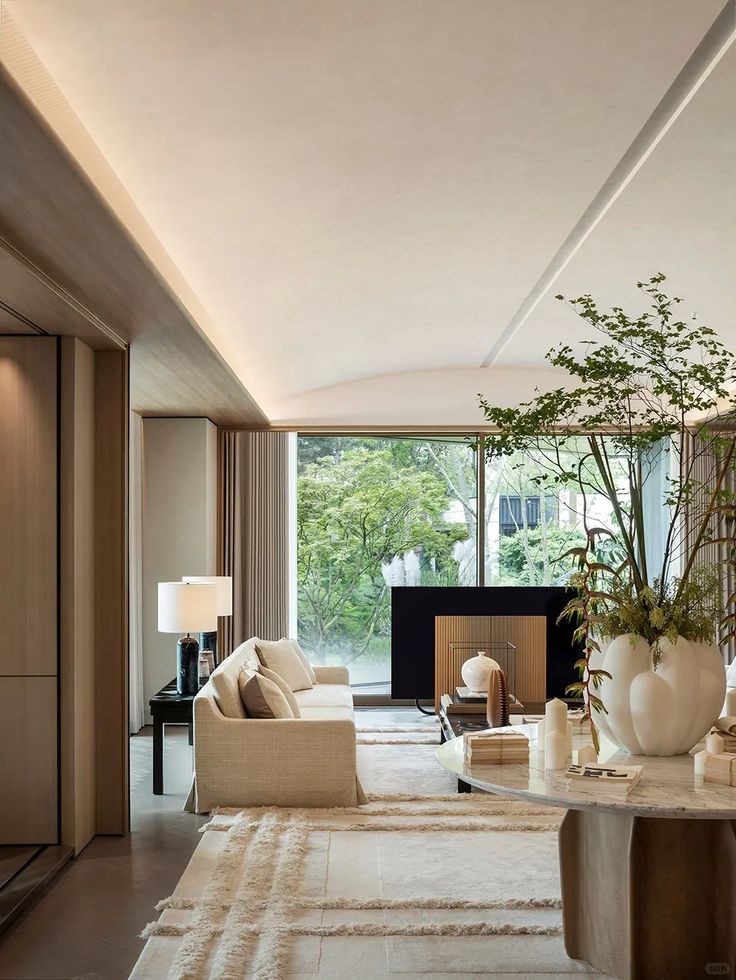
Showrooms Are Built on Ideal Scale, Not Real Constraints
Often, showrooms often occupy larger, uninterrupted floor plates with higher ceilings and fewer structural limitations. There are no awkward columns, beams, or oddly shaped corners to work around. Furniture is spaced generously, walkways are wide, and nothing feels tight.
In contrast, most Singapore homes whether it be HDBs, condos, or even landed properties, they come with real spatial constraints. Once walls, doors, and circulation paths are factored in, that same sofa or dining setup can suddenly feel oversized or intrusive.
What looks balanced in a showroom may feel cramped once it’s placed into a real, lived-in layout. There’s also a fine line between minimalist and empty. Forcing your house into something picturesque doesn’t mean its truly your home.
Lighting in Showrooms Is Carefully Engineered (and Very Forgiving)
Showroom lighting is one of the biggest reasons everything looks good. Lighting is layered, controlled, and positioned specifically to flatter materials and finishes. There’s often a combination of ambient lighting, accent spotlights, and concealed LEDs, all calibrated to reduce shadows and highlight textures.
In real homes, lighting needs to serve daily activities, not just aesthetics. Ceiling heights are lower, natural light changes throughout the day, and lights need to work for reading, cooking, resting, and cleaning. Without careful planning, homes can end up too bright, too harsh, or unevenly lit. Unfortunately, what felt cozy in a showroom can quickly feel glaring or flat at home. It’s best to consult your designer on more than just where, but how – what type of lighting, what angle it’ll be and how cool or warm your lighting would be.
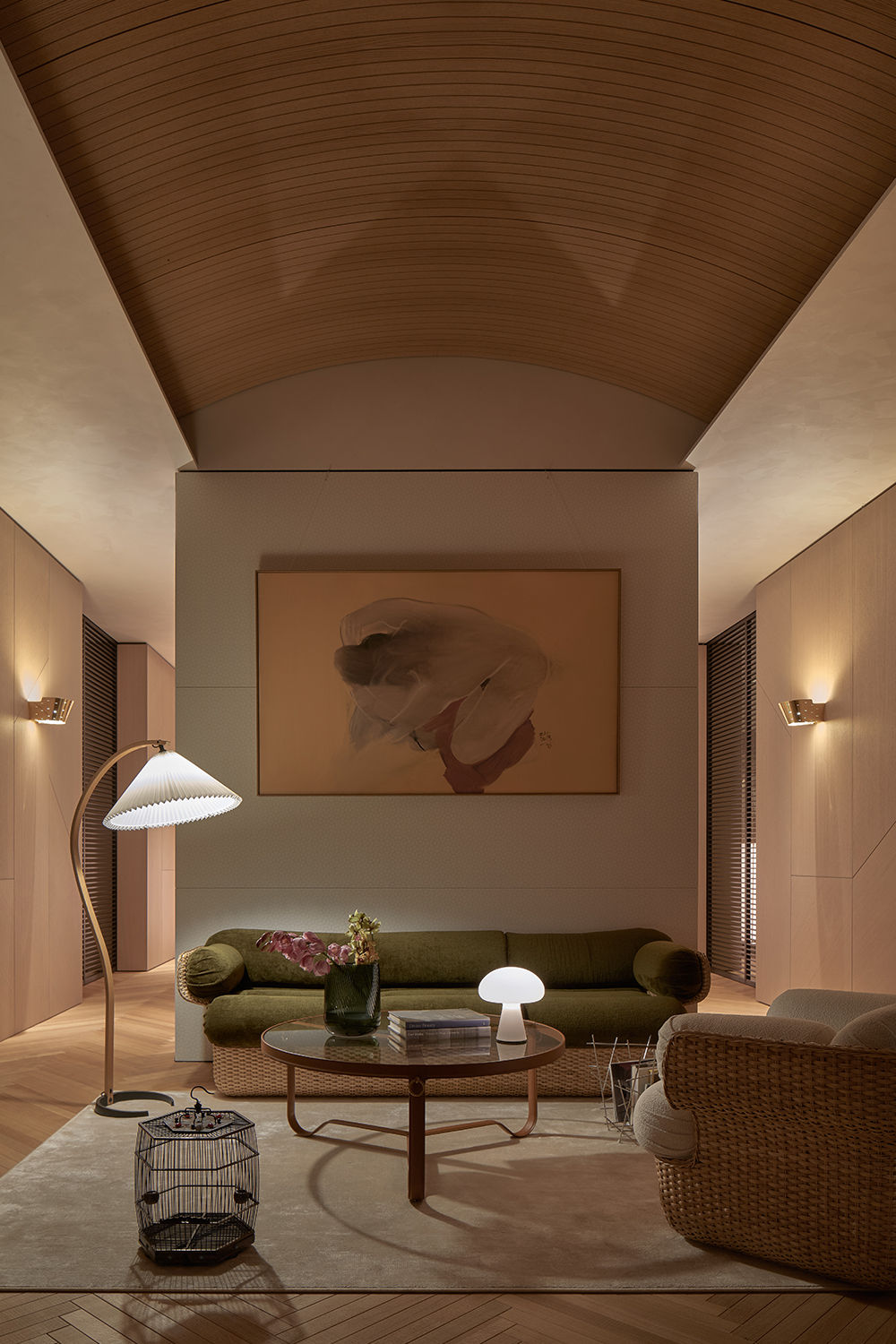
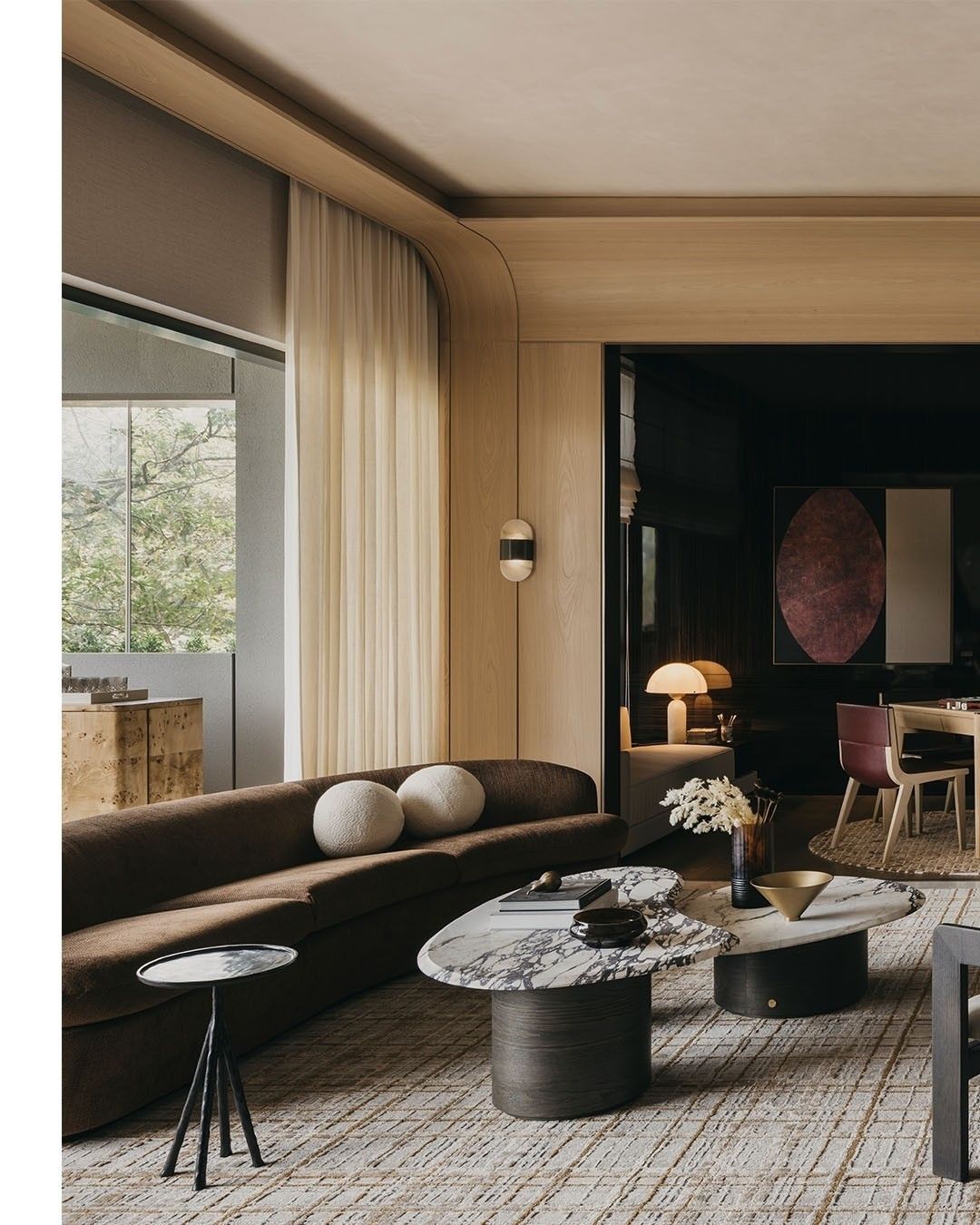
Camera Angles and Visual Tricks Change Perception
Many showroom images and even physical walk-throughs rely on visual tricks. Wide-angle lenses make spaces look larger, mirrors are strategically placed, and furniture is chosen to exaggerate openness. Even in person, your eye is guided to focal points rather than everyday functional zones. In real homes, you experience the space from normal eye level, moving through it multiple times a day. You notice circulation issues, tight corners, and areas that don’t flow well because you’re living in them, not just admiring them.
True, real-life usage exposes things photos never will. It’s always more than just seeing your Pinterest boards, but more of how interior designers incorporate these with your everyday needs.
Showroom Homes Don’t Account for Daily Habits
Showrooms are styled to look clutter-free at all times. Obviously, there are no school bags by the door, no laundry baskets, no charging cables, and no storage filled to capacity. Everything is curated to stay pristine. In life, real homes tell a different story. Daily habits introduce movement, mess, and repetition. Storage fills up, surfaces get used, and furniture gets pushed, pulled, and lived on.
Designs that don’t consider daily routines; cooking frequency, work-from-home needs, family size, often feel impractical over time, even if they looked beautiful initially.
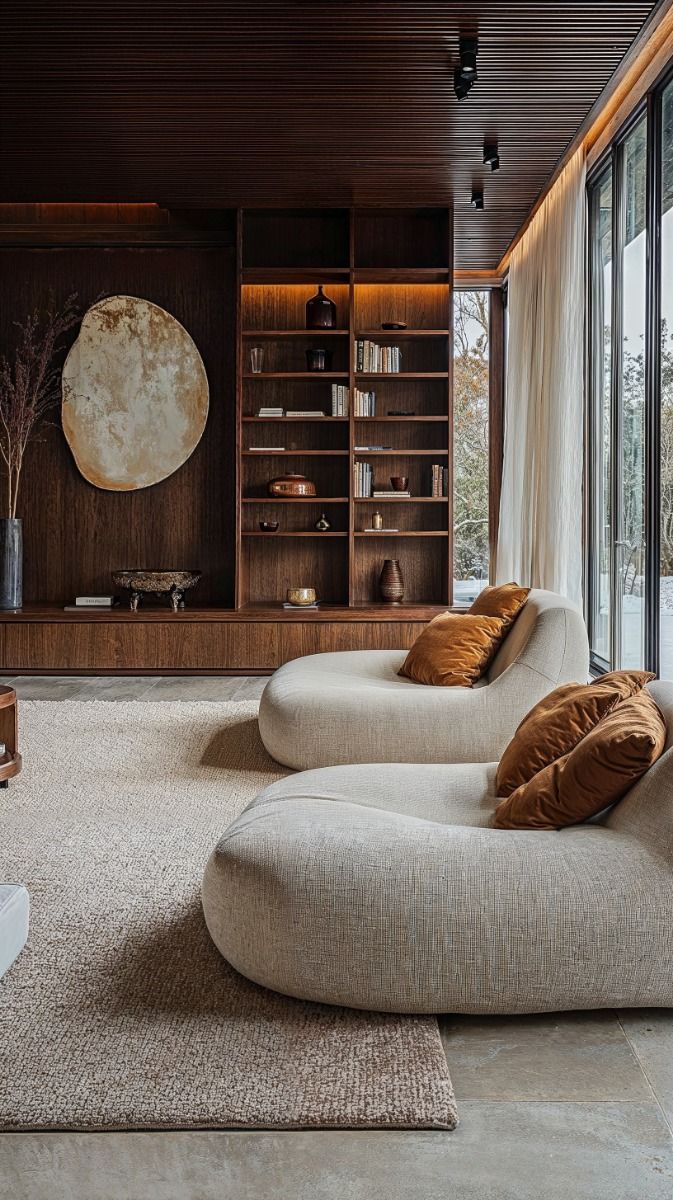
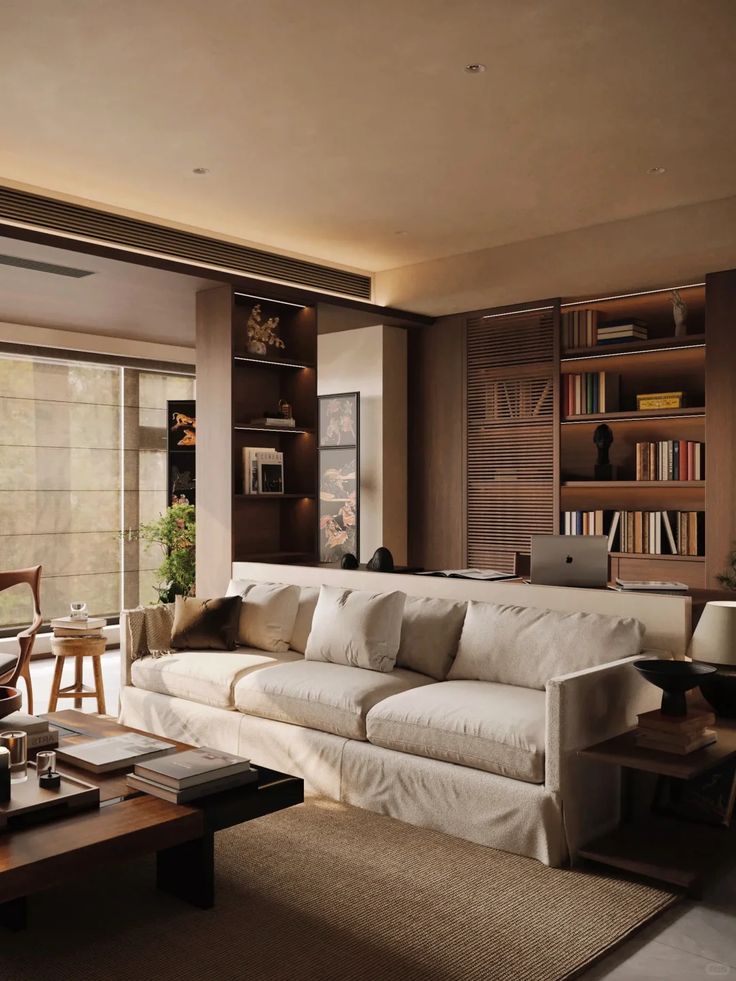
Furniture in Showrooms Is Chosen for Impact, Not Longevity
Statement furniture works well in showrooms because it’s rarely used. In real homes, comfort, durability, and proportions matter much more. Oversized sofas, low coffee tables, or ultra-minimal dining chairs may photograph well but feel uncomfortable after long-term use.
What looks stylish for a short visit may not suit hours of sitting, working, or hosting. Truly good interior design balances visual appeal with long-term comfort.
Materials Behave Differently When You Live With Them
That matte black finish, glossy cabinet, or textured wall may look flawless under showroom conditions. But, daily exposure to fingerprints, water splashes, humidity, and wear tells a different story. Woefully, Singapore’s climate amplifies this, materials need to withstand heat, moisture, and frequent cleaning. Showroom finishes don’t always show how surfaces age or how much maintenance they require.
A material that looks premium at first glance may demand more upkeep than expected.
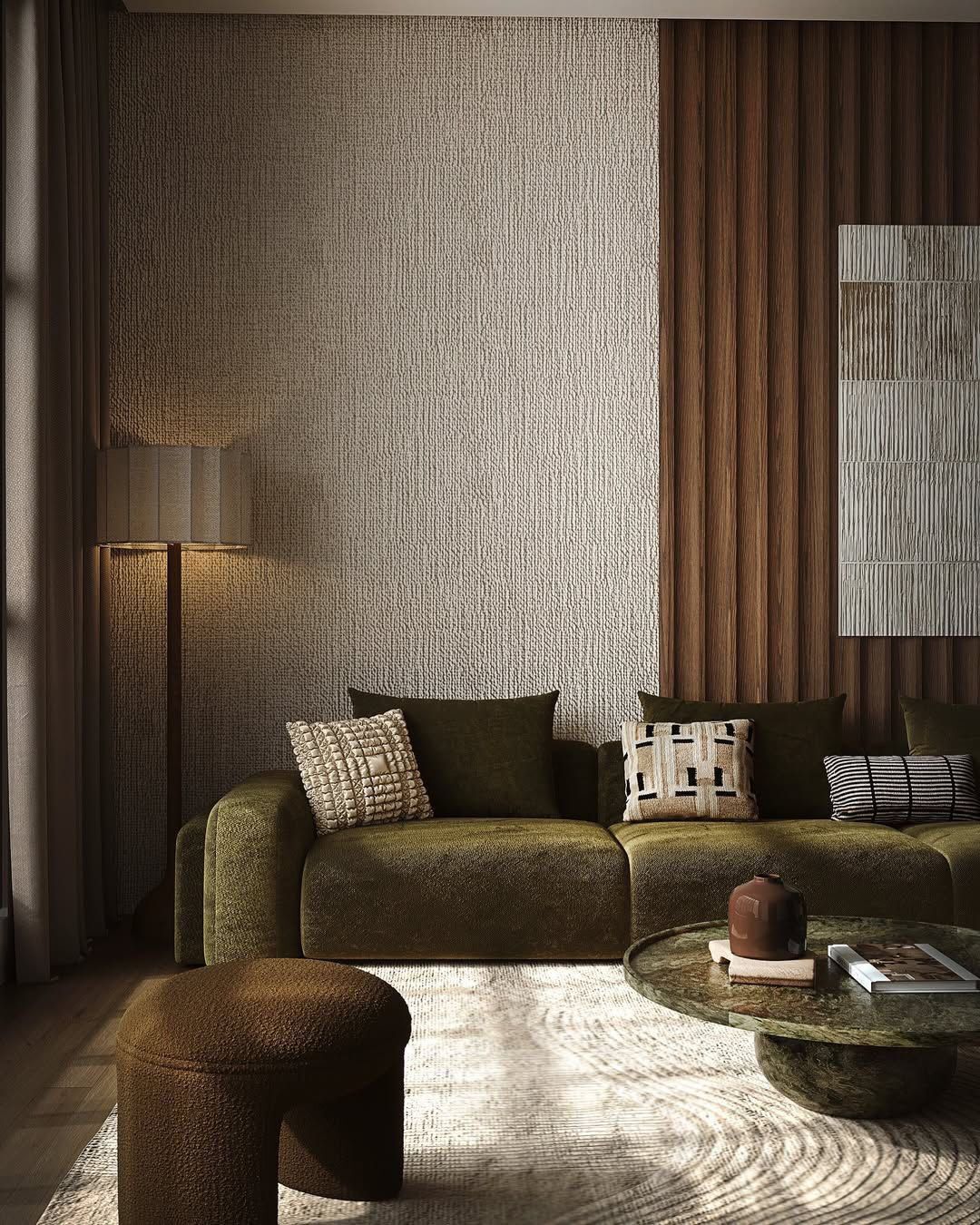
Showrooms are excellent for inspiration, but they shouldn’t be treated as one-to-one templates. The best renovations reinterpret showroom ideas through the lens of real space, real habits, and real constraints. Working with an interior designer who understands this difference helps bridge the gap between aspiration and reality. Good design isn’t about copying a look, it’s about translating an idea into something that works for your home and lifestyle.
Because at the end of the day, a home isn’t meant to look good for a walkthrough. It’s meant to feel good every day you live in it. Decide today by contacting our design team at our Contact Us page, at our main line +65 63451730 or speak to our studio directors directly at +65 97386690 (Alicia)/+65 81234411 (Eugene) today!