
In Singapore, few renovations start with a blank canvas. Beams, columns, odd layouts, and low ceilings are part of the territory. Instead of treating these elements as obstacles, smart designers embrace them, transforming constraints into features that define the character and functionality of a home.
Understanding renovation constraints in Singapore early allows homeowners to make informed decisions, save money, and avoid frustrating revisions during construction. The goal isn’t just to hide imperfections, but to integrate them thoughtfully into the overall design.

Beams and Columns: From Nuisance to Feature
Exposed beams or structural columns often cause panic at first glance. Yet, these are rarely movable in resale flats or even certain landed homes due to structural safety. Instead of awkwardly boxing them in or cutting corners, designers can turn them into functional or aesthetic statements.
For instance, a beam can become the base for a floating shelf, a subtle lighting channel, or even a framing element for a seating area. Columns can double as partitions, display areas, or accent walls. By working with renovation constraints in Singapore rather than against them, you save costs and create a home that feels intentional rather than patched together.
Odd Layouts: Creativity Within Boundaries
Singapore homes aren’t always perfectly rectangular. Many resale flats and older condos come with oddly shaped rooms or small corners that seem unusable. The temptation is to try to force traditional furniture or layout patterns, which often leads to wasted space and awkward sightlines.
Smart design approaches these constraints as opportunities. Custom carpentry, flexible storage, and multi-purpose furniture allow you to make these corners functional. Sometimes the “problem areas” become the most memorable parts of the home, be it a cozy reading nook, a study corner, or a pet zone.

Low Ceilings: Making Spaces Feel Open
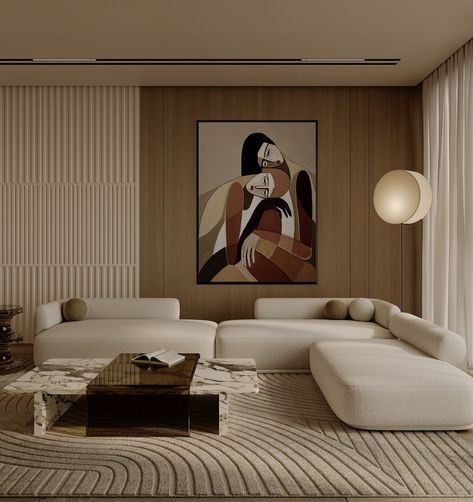
Low ceilings are another common constraint, especially in new BTO flats or older apartments. Rather than trying to disguise them with heavy paint or oversized fixtures, designers should play with lighting, reflective surfaces, and vertical visual lines to make the ceiling feel higher.
LED strip lighting, open shelving, and floor-to-ceiling cabinetry all create vertical movement, enhancing a sense of space. These are classic examples of interior design planning that respects the limitations of the structure while still delivering a comfortable, airy environment.
At the end of the day, the best homes don’t ignore their challenges, they embrace them. Every beam, column, and quirky angle becomes a chance to innovate. By acknowledging renovation constraints from the start, designers can create spaces that feel harmonious, functional, and unique.
In other words: the walls you once worried about might just become the walls that make your home unforgettable. Contact our design team at our Contact Us page, at our main line +65 63451730 or speak to our studio directors directly at +65 97386690 (Alicia)/+65 81234411 (Eugene) today!