
There is a moment right after a renovation is completed when everything looks perfect.
The marble gleams. The carpentry is pristine. Not a single fingerprint exists anywhere in the house. But here’s the truth every designer knows: homes are not meant to stay frozen in that moment.
People cook, host friends, move furniture around, and occasionally drop things where they shouldn’t. Over time, materials inevitably change. Some begin to look tired surprisingly quickly. Others, however, do something remarkable, they start looking better.
This is where luxury materials in interior design truly reveals its value. The best materials are not chosen only for how they look on day one, but for how they mature over the years. Rather than fighting time, they collaborate with it, and the result is a home that grows more beautiful the longer you live in it.
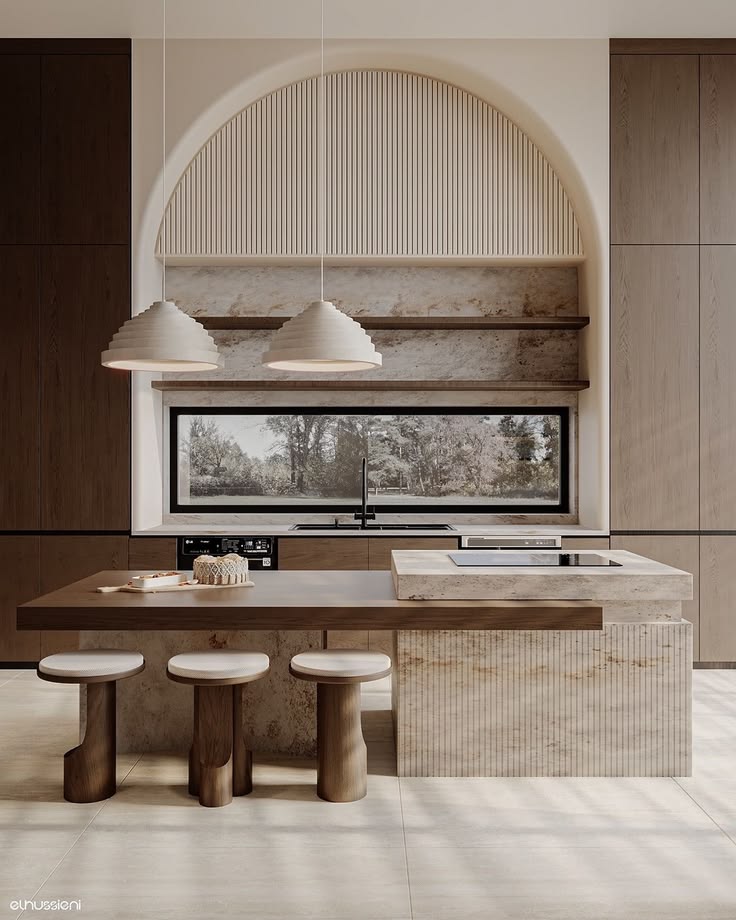
Natural Stone: The Material That Refuses to Look Boring
Natural stone has been used in architecture for centuries, which is probably the biggest endorsement it could possibly receive.
Marble, travertine, and limestone have a quality that manufactured surfaces rarely replicate convincingly. They are full of subtle variabilities. Veins, mineral patterns, and colour variations make every slab slightly different from the next. It’s purely unique to your piece.
More importantly, stone evolves. In kitchens or bathrooms, marble might develop a softer patina in frequently used areas. Instead of ruining the surface, these changes often give it a depth that polished engineered materials simply cannot achieve.
In fact, many designers working with luxury materials in interior design intentionally prefer honed or matte finishes because they allow stone to age gracefully rather than trying to keep it looking artificially untouched.
Think of it this way: a marble countertop that has hosted countless dinners and coffee conversations often feels far more interesting than one that still looks like it belongs in a showroom. Even that one chip off it comes from an eventually funny memory.
Solid Wood: The Material That Improves With Time
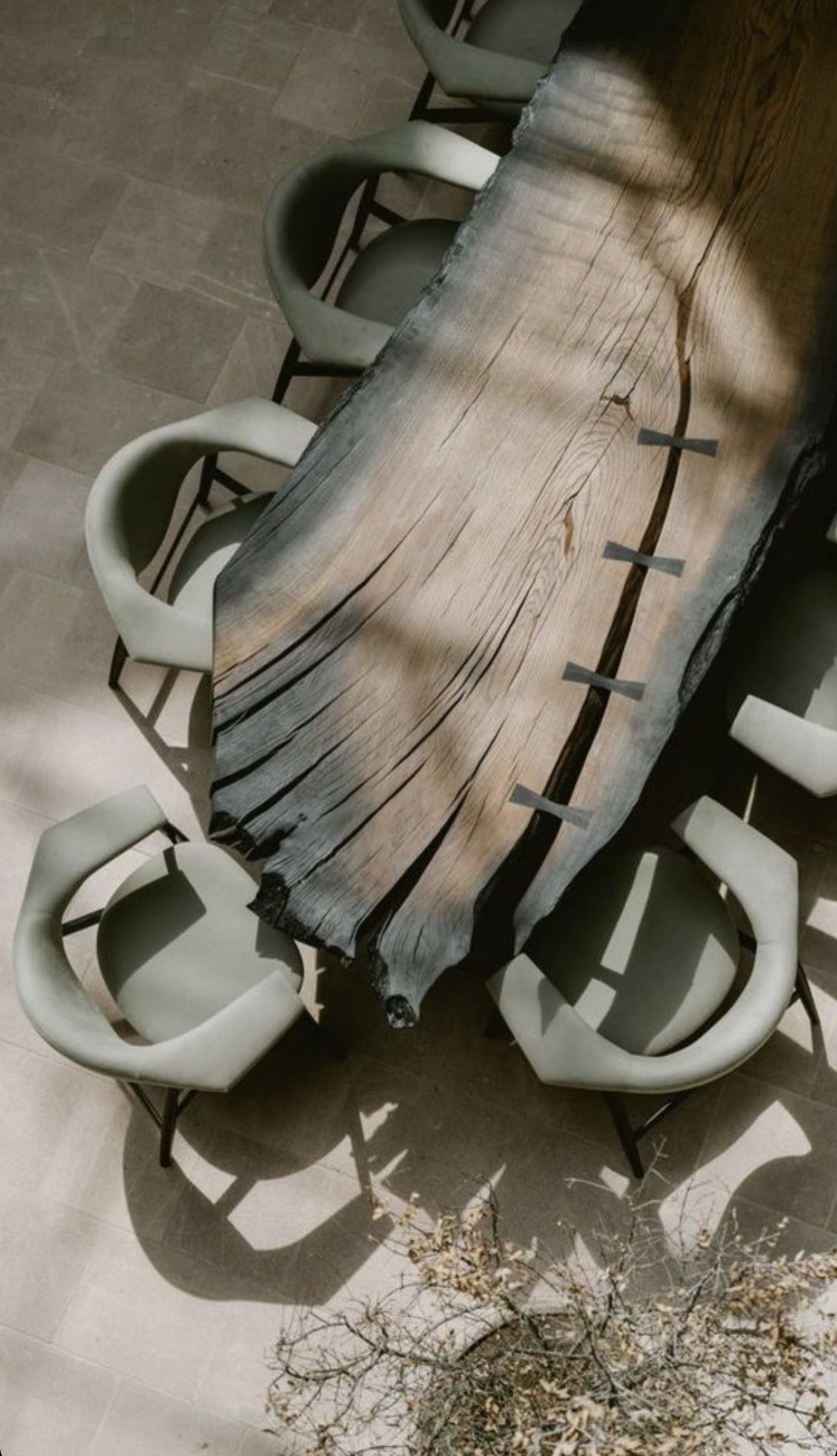
If you’ve ever seen antique wooden furniture, you already understand the appeal of real timber. Solid wood does something fascinating over time, it deepens in tone and warmth. Exposure to light slowly enhances its natural colour, bringing out the richness of the grain.
This is one reason materials like walnut, oak, and teak appear frequently as luxury materials for interior design. They do not simply survive daily use; they evolve because of it. Small marks from everyday life rarely look like damage. Instead, they add character, a visual record that the space is being lived in. Compare that to laminate surfaces, which often look flawless until the day they suddenly don’t. Solid wood, on the other hand, ages like good leather: softer, richer, and more interesting over time.
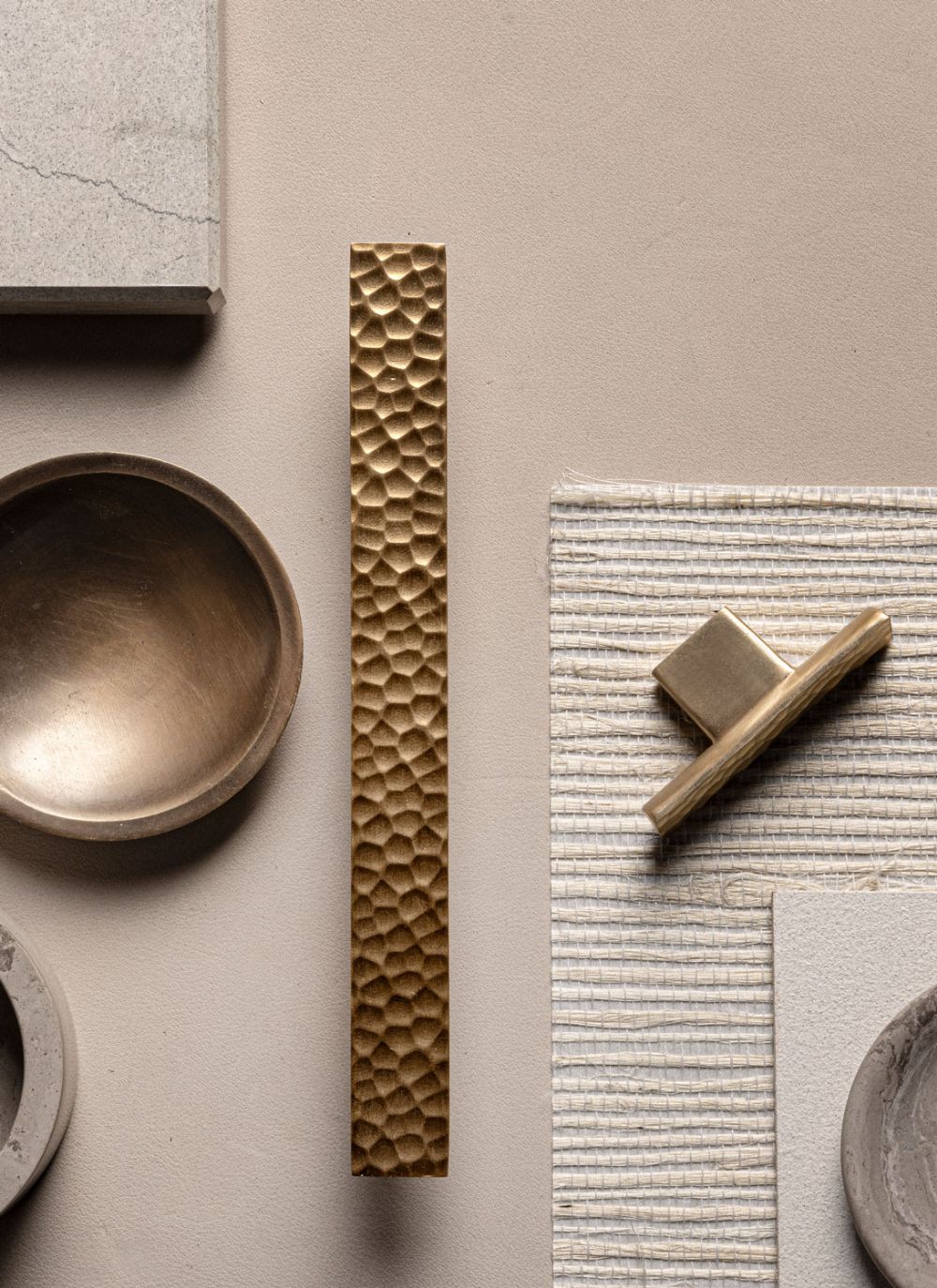
Brass and Bronze: Metals With Personality
Shiny chrome fixtures have their place, but they tend to stay exactly the same year after year. Brass and bronze take a slightly more interesting approach to ageing.
When exposed to air and touch, these metals slowly develop patina, a gentle darkening that adds depth and variation to the surface. Handles, taps, and lighting fixtures gradually shift in tone, becoming richer and more complex.
Designers who specialise in luxury interior design often favour brushed or aged brass finishes for this reason. Instead of trying to preserve a perfect polished look, the metal becomes more expressive with time. It’s a visual record of your life – your touches, grips and holds.
The end result feels less like a showroom display and more like a carefully curated interior that has matured naturally.
Textured Surfaces: The Secret to Low-Stress Luxury
There is a quiet trick many designers rely on when selecting materials for high-end homes.
They avoid surfaces that demand perfection. Highly glossy finishes may look impressive initially, but they also reveal every fingerprint, scratch, and smudge. Maintaining that level of pristine polish quickly becomes exhausting. Why add to your mental load?
Textured finishes, however, are much more forgiving. Honed stone, brushed metals, textured plaster walls, and natural fabrics all interact with light in softer ways. They hide small imperfections gracefully while still looking refined.
This is why luxury interior design often favours finishes with depth and texture rather than mirror-like gloss. The home remains elegant without requiring constant vigilance. It is luxury that feels relaxed rather than fragile.
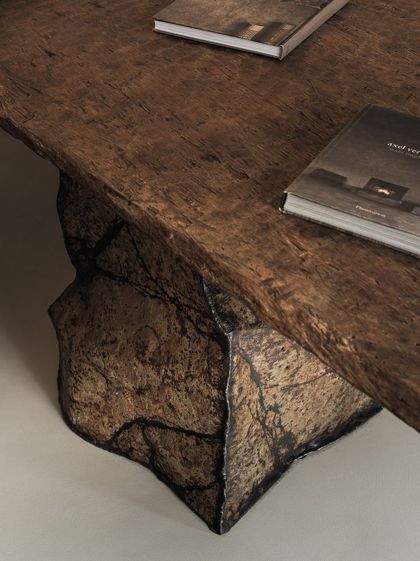
One of the most overlooked principles in design is this: the best homes are not designed to stay perfect.
They are designed to age well.
Over time, the interior becomes layered with subtle history rather than looking frozen in its original condition. This philosophy sits at the heart of using luxury materials in interior design. Instead of chasing flawless surfaces, designers select materials that respond beautifully to everyday life. Contact our design team at our Contact Us page, at our main line +65 63451730 or speak to our studio directors directly at +65 97386690 (Alicia)/+65 81234411 (Eugene) today!