
In a climate like Singapore’s, designing a home that feels cool, calm, and breathable isn’t just a stylistic choice, it’s a practical one. Yet “tropical design” is often misunderstood. Some imagine overly themed interiors filled with palm prints and resort-style décor. Others associate it with traditional wooden homes that feel heavy rather than refined.
Modern tropical design sits somewhere far more interesting.
It is not about recreating a resort. It is about designing a home that responds intelligently to climate, light, and lifestyle, all while maintaining a clean, contemporary aesthetic. This is why modern tropical interior design Singapore homeowners are increasingly drawn to, goes beyond surface-level styling. It combines architecture, materiality, and spatial planning to create homes that feel effortlessly comfortable in a humid environment.
At its best, it doesn’t try to impress loudly. It simply makes living feel better.

Designing for Climate, Not Just Aesthetics
The foundation of modern tropical design lies in one simple principle: work with the environment, not against it. In Singapore, that means addressing heat, humidity, and airflow from the very beginning. Large openings, cross-ventilation, and spatial flow become essential considerations. Instead of enclosing every area, layouts are often designed to encourage air movement across the home.
Even in apartments or landed homes where structural changes may be limited, designers working on a modern tropical interior design often create a sense of openness through visual continuity. Fewer partitions, aligned sightlines, and thoughtful furniture placement allow spaces to feel more breathable. Ceiling fans, once seen as purely functional, are also making a strong comeback, now designed as sleek, sculptural elements that complement contemporary interiors.
The result is a home that feels naturally cooler, without relying entirely on air-conditioning.
A Palette That Feels Calm, Not Contrived
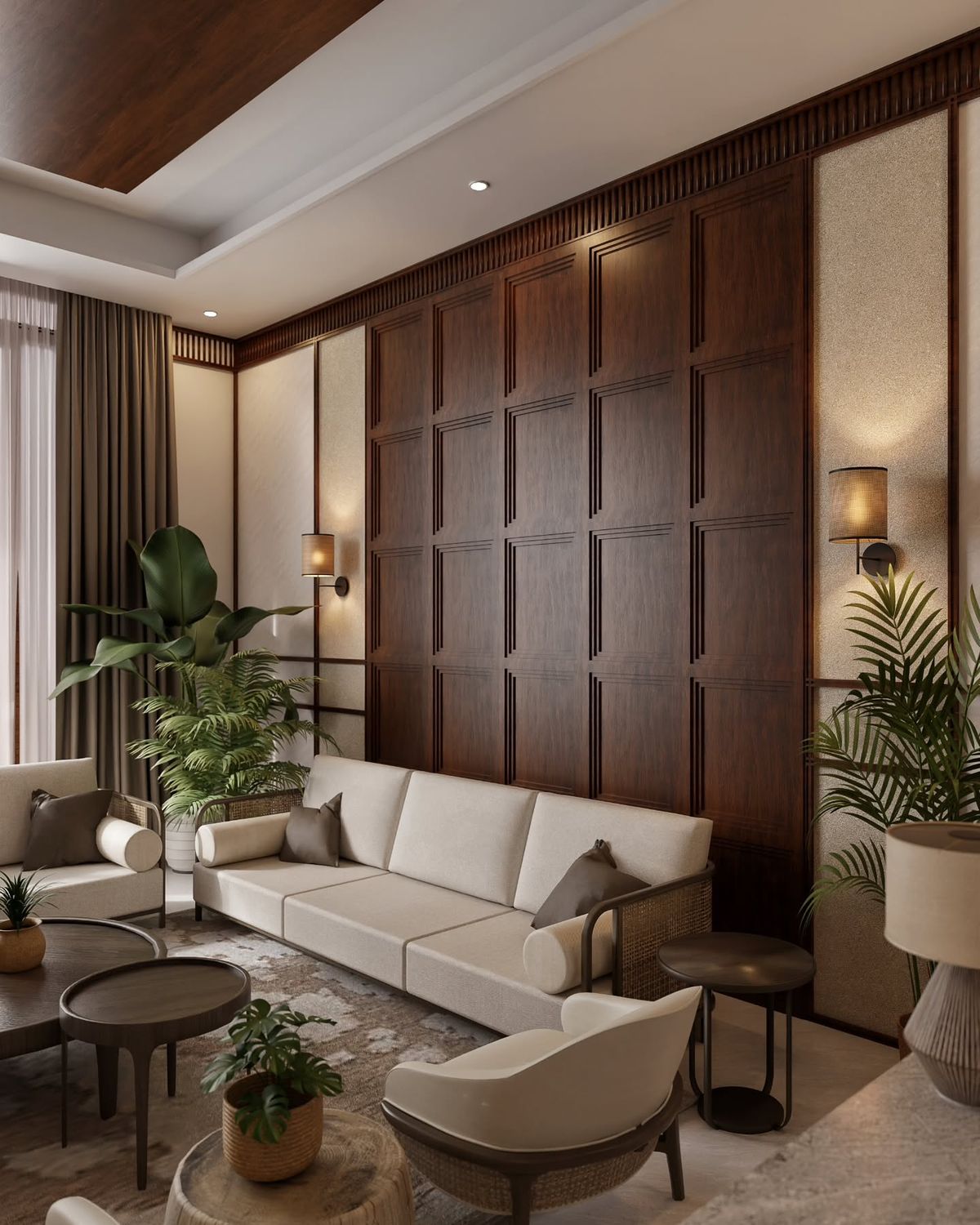
Modern tropical interiors avoid heavy, saturated colours in favour of tones that feel more naturally grounded and calming. Think warm neutrals, soft beiges, sandy hues, muted greens, and off-whites. These colours reflect natural light gently, preventing spaces from feeling visually heavy.
The goal is not to mimic a jungle, but to evoke a sense of quiet connection to nature. Designers specialising in modern tropical interior design often use colour restraint intentionally. By keeping the palette controlled, the focus shifts to textures and materials, allowing the space to feel layered without becoming overwhelming.
Accents can still be introduced, perhaps through greenery or subtle décor, but they remain complementary rather than dominant.
Materials That Breathe With the Space
Material selection plays a central role in achieving the modern tropical look.
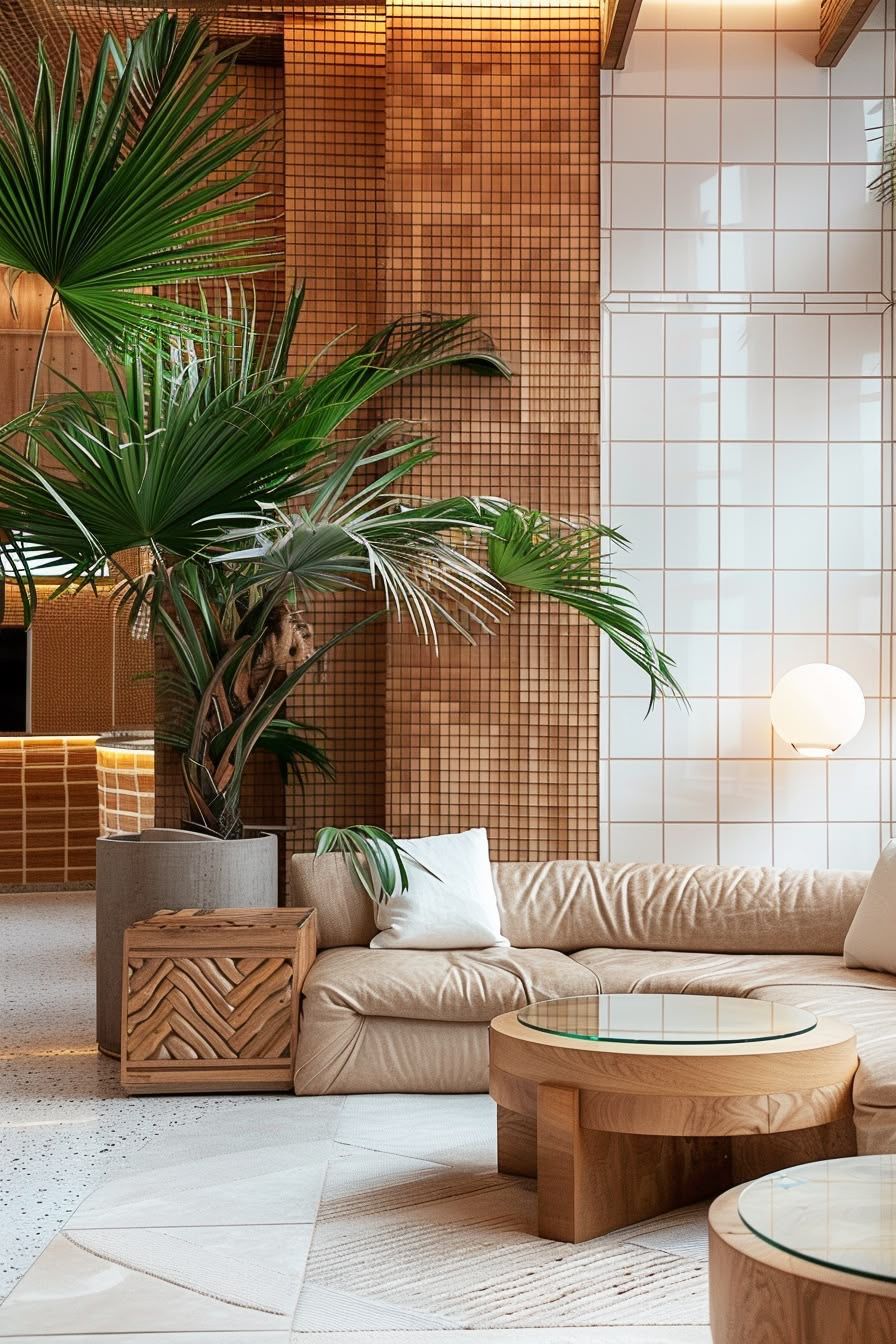
Natural materials such as wood, rattan, linen, and stone are commonly used, but always with a contemporary sensibility. Instead of rich detailing, finishes are kept clean and minimal. Timber, for example, is often used in lighter tones to prevent spaces from feeling too dense. Rattan appears in controlled applications, in a feature chair or panel detail rather than across every surface. Stone surfaces with honed finishes add subtle texture while keeping the overall look refined.
In Singapore modern tropical interior design, materials are chosen not just for their appearance, but for how they interact with the climate. Breathable fabrics and finishes that do not trap heat contribute to overall comfort. This creates a home that feels tactile and inviting, without becoming visually cluttered.
Indoor-Outdoor Continuity Without the Fuss
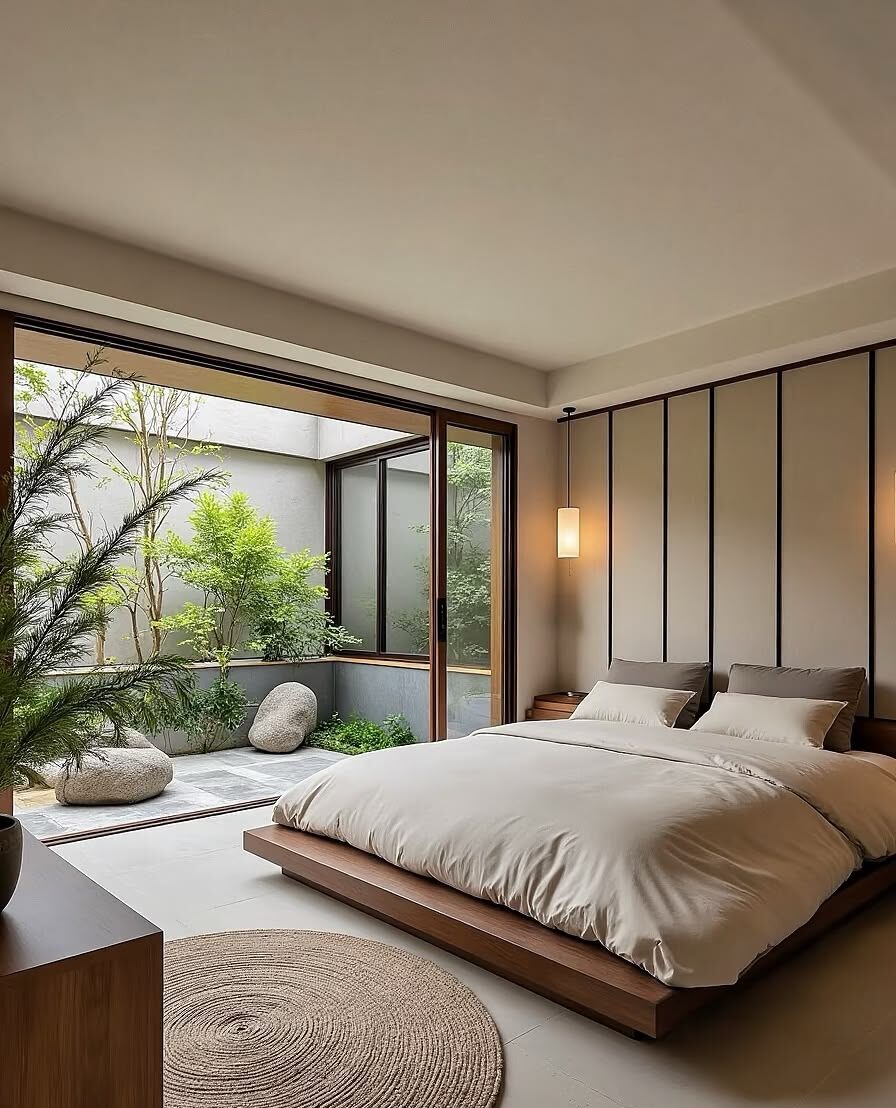
One of the defining characteristics of tropical design is the relationship between indoor and outdoor spaces. In landed homes, this may take the form of courtyards, patios, or landscaped pockets that visually extend the interior. In apartments, the effect can still be achieved through balconies, large windows, or even carefully framed views.
The key is continuity.
Flooring materials that extend outward, consistent colour palettes, and unobstructed views all help blur the boundary between inside and outside. Avoid abrupt transitions, and instead, create a gentle visual flow that makes the home feel larger and more connected to its surroundings. It is less about physically merging spaces, and more about making them feel like part of the same experience.
Greenery, But With Restraint
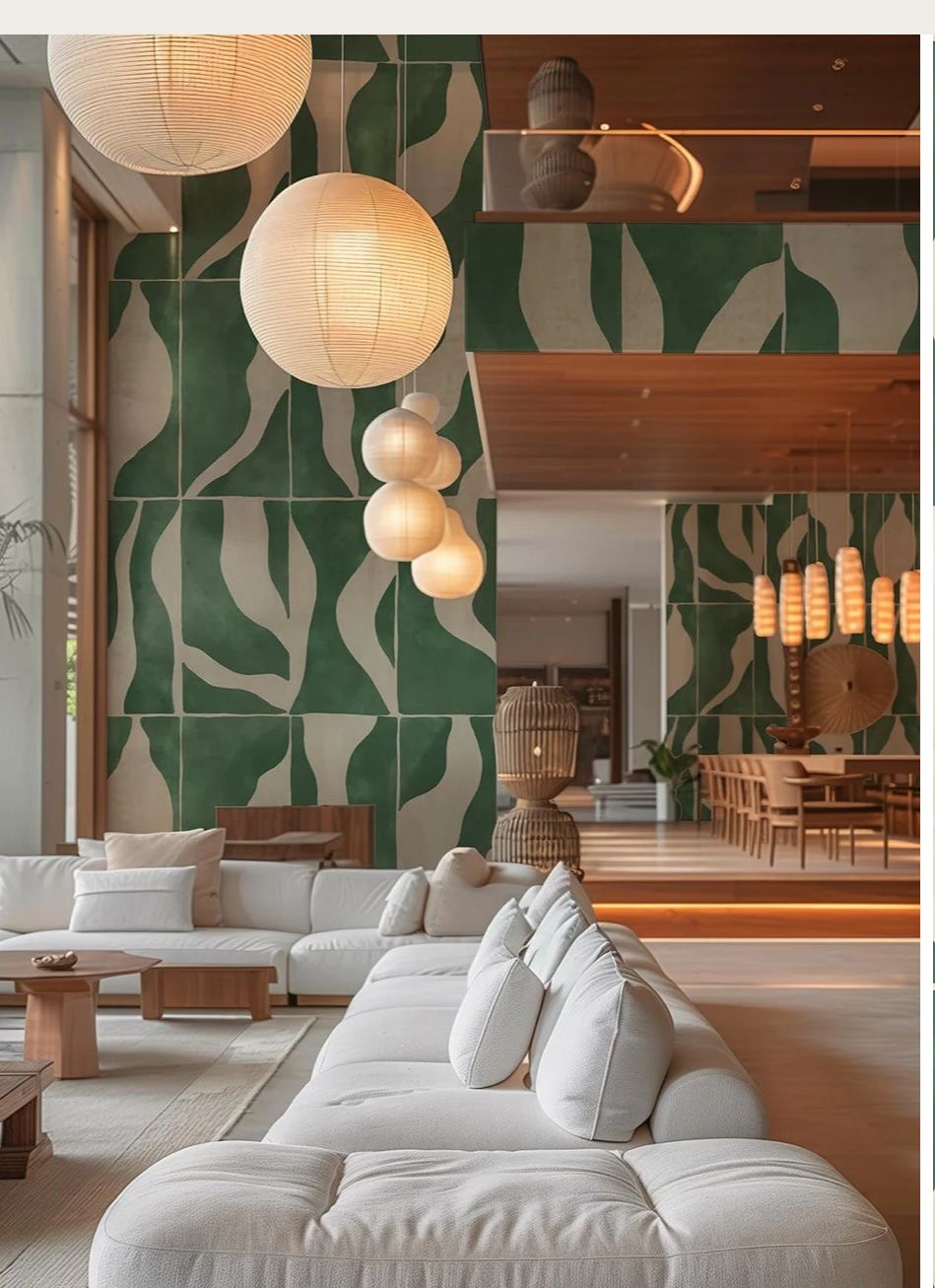
No tropical interior is complete without greenery, but modern tropical design approaches this with intention. It’s not about overwhelming spaces and filling every corner with plants… greenery should be used strategically to create focal points and soften the space.
A large statement plant in the living room, a cluster of smaller plants near a window, or even a curated indoor garden can be more impactful than excessive layering. This restrained approach aligns with the overall philosophy of modern tropical interior design, balance over abundance. Plants should enhance the space, not overwhelm it.
Lighting That Feels Soft and Natural
Lighting in modern tropical interiors leans towards softness rather than drama. Natural light is prioritised wherever possible, often diffused through sheer curtains or light-filtering blinds. This reduces glare while maintaining brightness, especially if you’re privy to the sought-after floor-to-ceiling windows.
Artificial lighting follows a similar approach. Warm, indirect lighting such as cove lights or concealed LED strips creates a gentle ambient glow in the evenings. Rather than harsh spotlights, the aim is to replicate the softness of natural daylight.
In many modern tropical homes, lighting is layered carefully to support both functionality and atmosphere, ensuring the space feels calm at all times of the day.
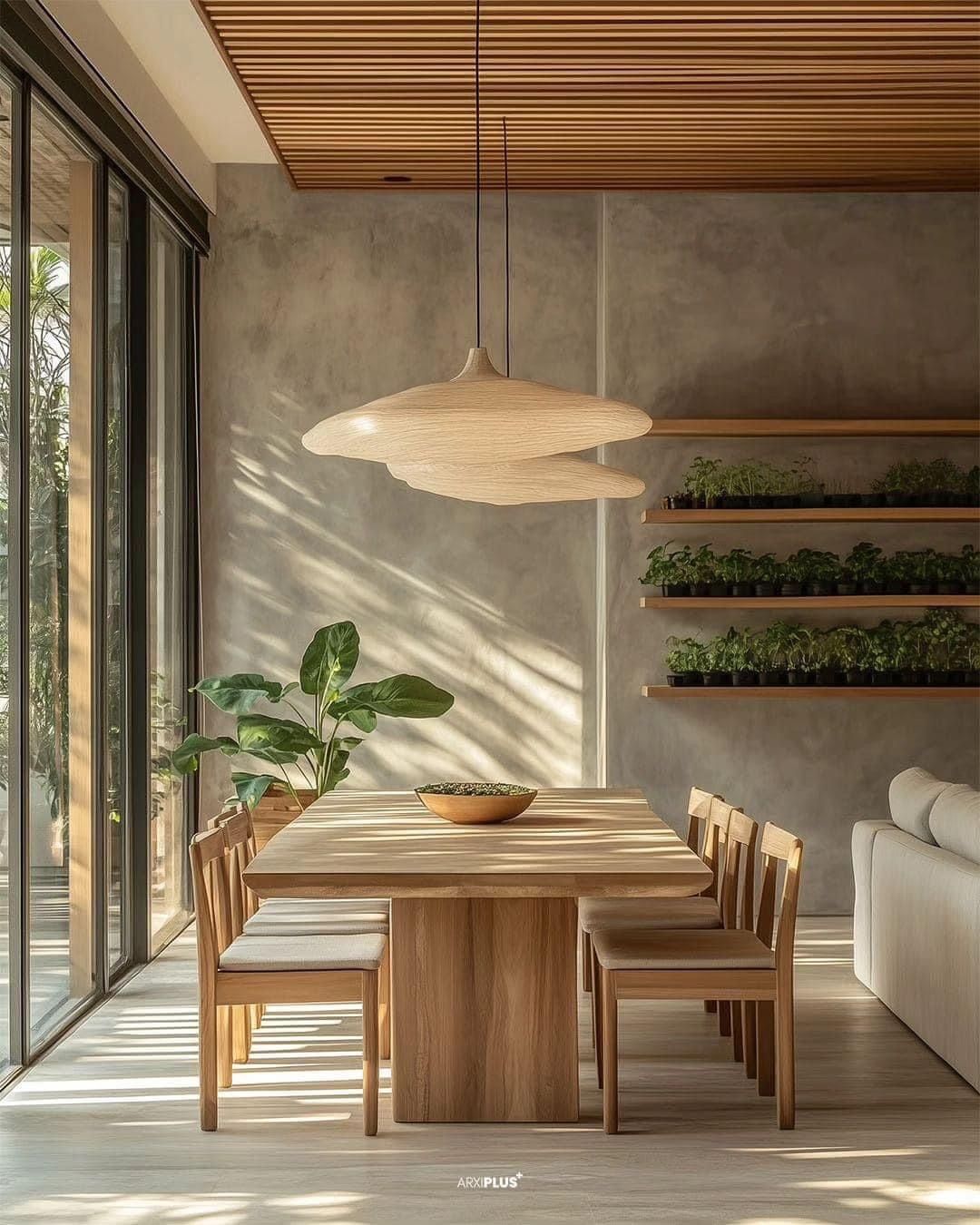
What makes modern tropical design so appealing is its effortlessness. It does not rely on bold statements or dramatic features. Instead, it focuses on creating an environment that feels intuitive, breathable, and quietly luxurious.
It is not about turning your home into a resort, it’s about designing a space where coming home already feels like one. Contact our design team at our Contact Us page, at our main line +65 63451730 or speak to our studio directors directly at +65 97386690 (Alicia)/+65 81234411 (Eugene) today!