
In most homes, sound is an afterthought. In a well-designed landed home, it becomes part of the architecture.
A successful home theatre is not simply about installing a larger screen or more speakers. Room proportions, acoustic treatment, soundproofing, lighting, seating and technology all influence how the space ultimately feels and performs.
In landed homes, where larger volumes and connected spaces allow sound to travel more freely, these decisions become even more important. Planning them early creates a theatre that feels immersive when in use, yet remains comfortably integrated with the rest of the home.
In most homes, sound is an afterthought. In a well-designed landed home, it becomes part of the architecture.
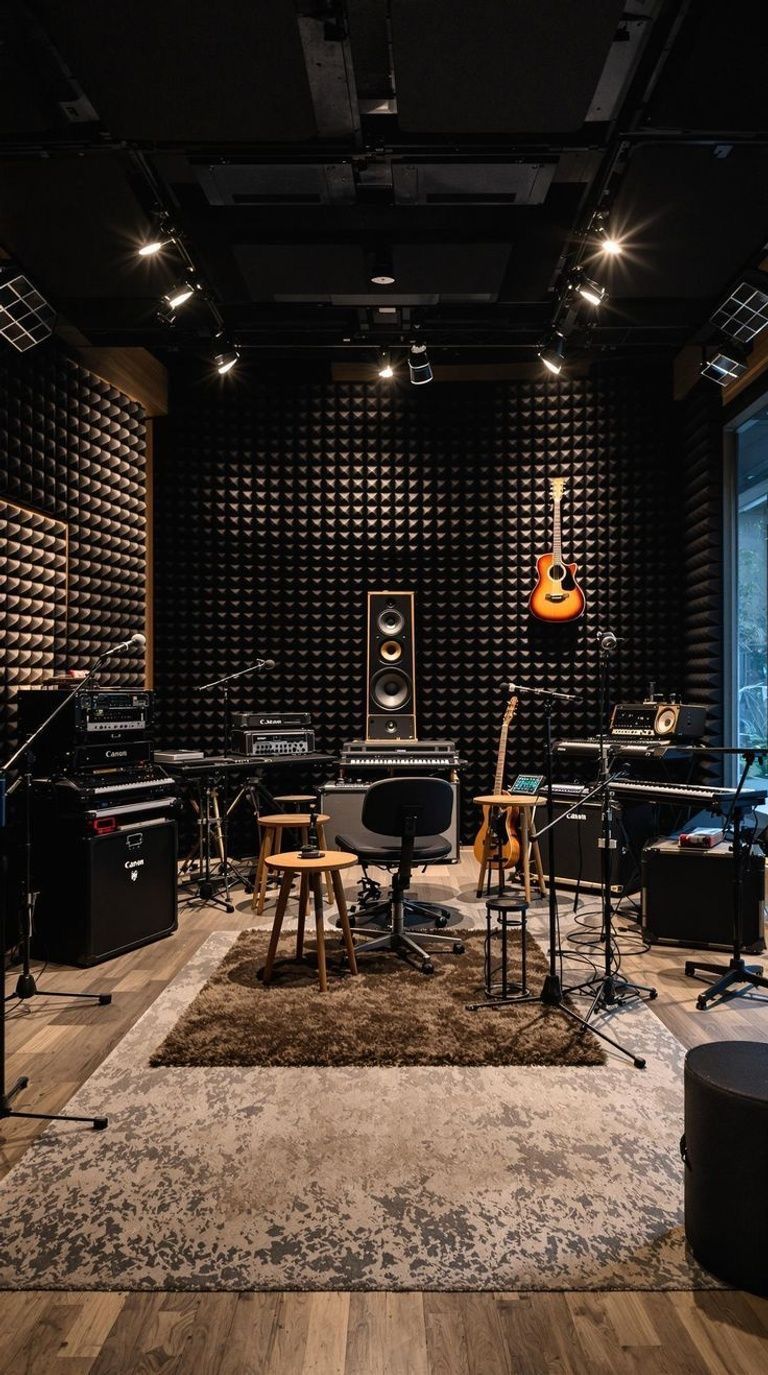
When Sound Is Designed
There is a noticeable difference between a room that is loud and one that is immersive. The distinction often lies in acoustic design Singapore homes tend to overlook in the early stages.
Without proper planning, sound behaves unpredictably. In landed homes, these issues are amplified by scale. Higher ceilings and more generous volumes create an environment where sound has more room to travel, but less control.
Acoustic design addresses this by shaping how sound moves within a space. It is not always immediately visible, but it is always felt. Considerations like wall treatments, material choices, and spatial proportions work together to ensure proper balance and depth. The result is not just louder audio, but cleaner, more intentional sound.
What Makes a Good Home Theatre in a Landed House?
A well-designed home theatre balances acoustic treatment, sound containment, speaker placement, viewing distance, lighting and comfort. In a landed property, soundproofing is particularly important because entertainment spaces may sit close to bedrooms, family areas or other floors of the home.
The Role of Soundproofing in a Landed Setting
While acoustic treatment refines sound within a room, Singapore room soundproofing tends to focus on keeping it contained. This distinction becomes particularly important in a landed house home theatre, where spaces are often connected rather than isolated. Without proper home theatre soundproofing, sound travels easily through structures, turning what should be a private experience into a forcefully shared one.
Effective soundproofing is less about a single solution and more about a tactically layered approach. Dense wall constructions, sealed doors, and isolated structural elements help prevent sound leakage, allowing the theatre room to function independently from the rest of the home.
There is a certain luxury in containment. A well-designed theatre room does not announce itself. It exists quietly, activated only when needed.
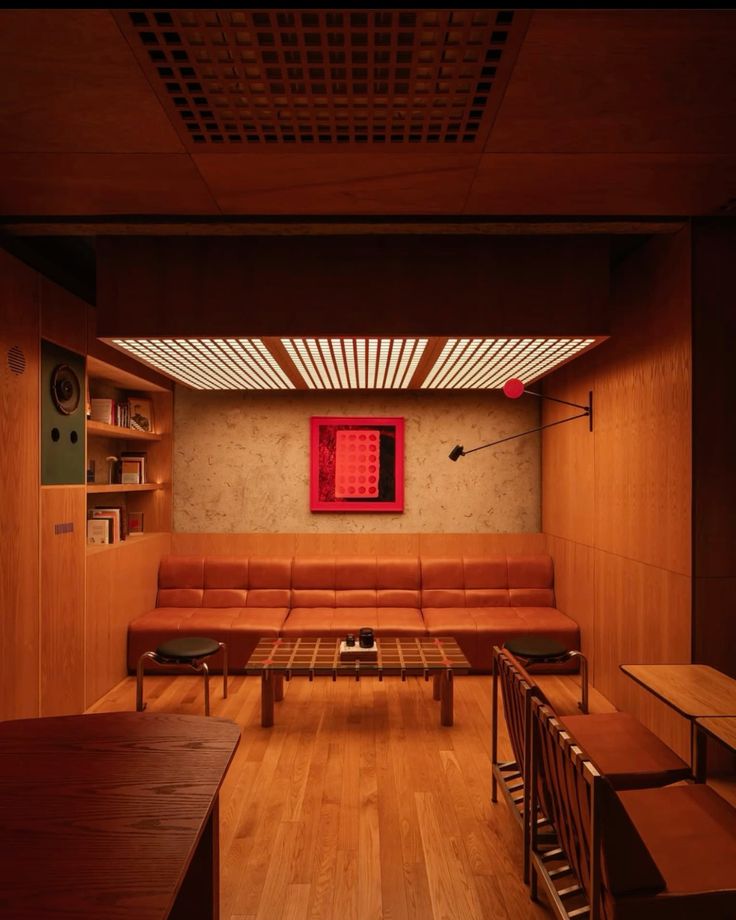
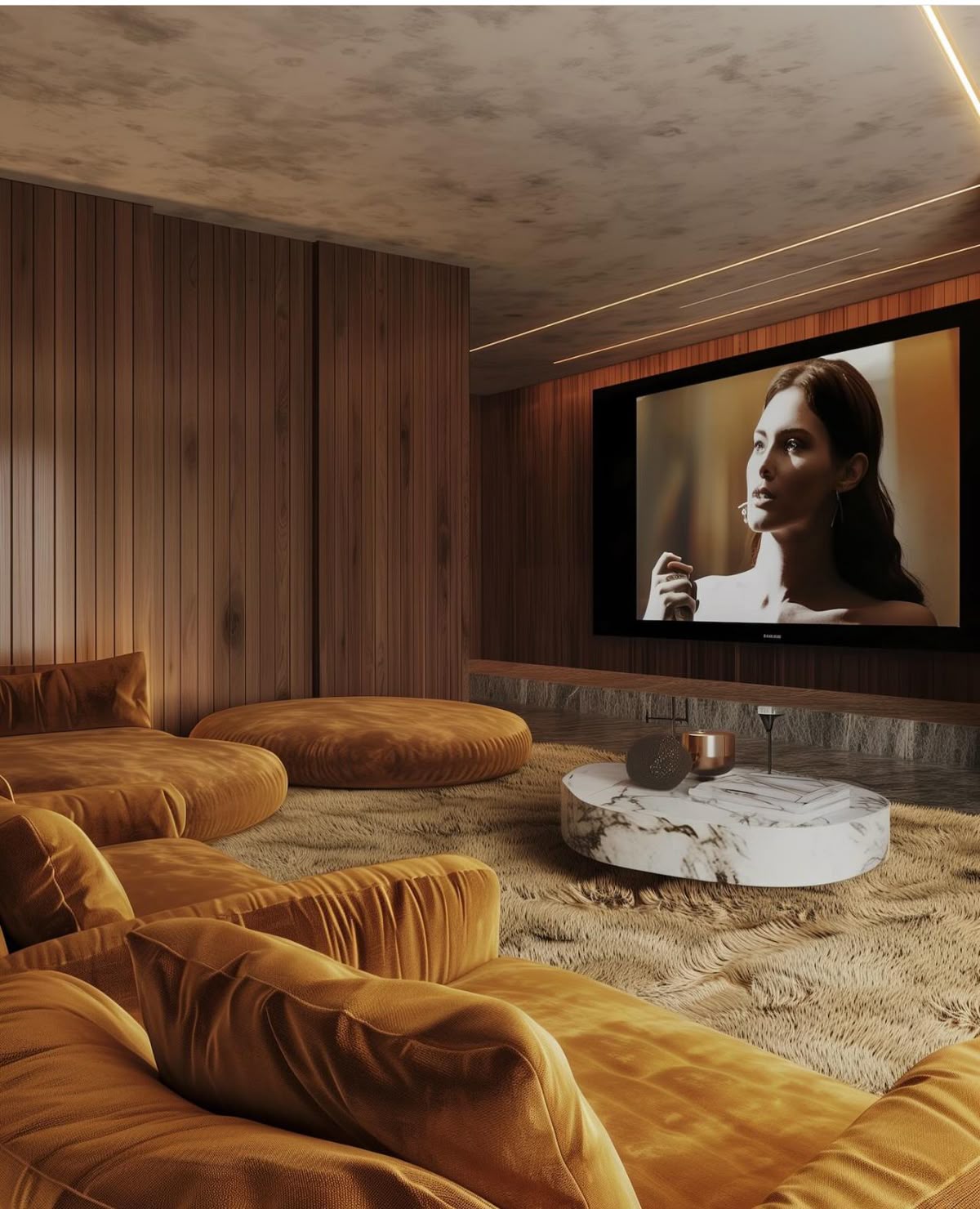
Designing Around How Sound Is Experienced
A well-executed private cinema room setup is never defined by the number of speakers alone. It is defined by how sound is experienced in relation to the space.
Speaker placement follows a logic that is both technical and spatial. Dialogue should feel anchored to the screen, ambient sounds should move naturally around the room, and low frequencies should be present without overwhelming. Achieving this requires careful calibration of angles, distances, and height.
Equally important is the relationship between seating and space. Viewing distance, ceiling height, and room proportions all influence how sound is perceived along with sight. In this sense, the architecture of the room becomes inseparable from the performance of the system itself.
It is less about adding more, and more about aligning everything that is already there.
Lighting That Knows When to Step Back
Lighting in a home theatre is not meant to be noticed, it is meant to know when to recede. In a thoughtfully designed home theatre space, lighting operates in levels. A soft ambient glow may define the room before the film begins, while subtle pathway lighting ensures movement without disruption. As the experience shifts, the lighting responds accordingly, dimming or disappearing entirely.
Smart systems elevate this further by allowing transitions to happen seamlessly. With a single command, the room adjusts itself, removing the need for manual intervention. It is a small detail, but one that defines the difference between a functional room and a considered one. Kind of like iron man with Jarvis no?
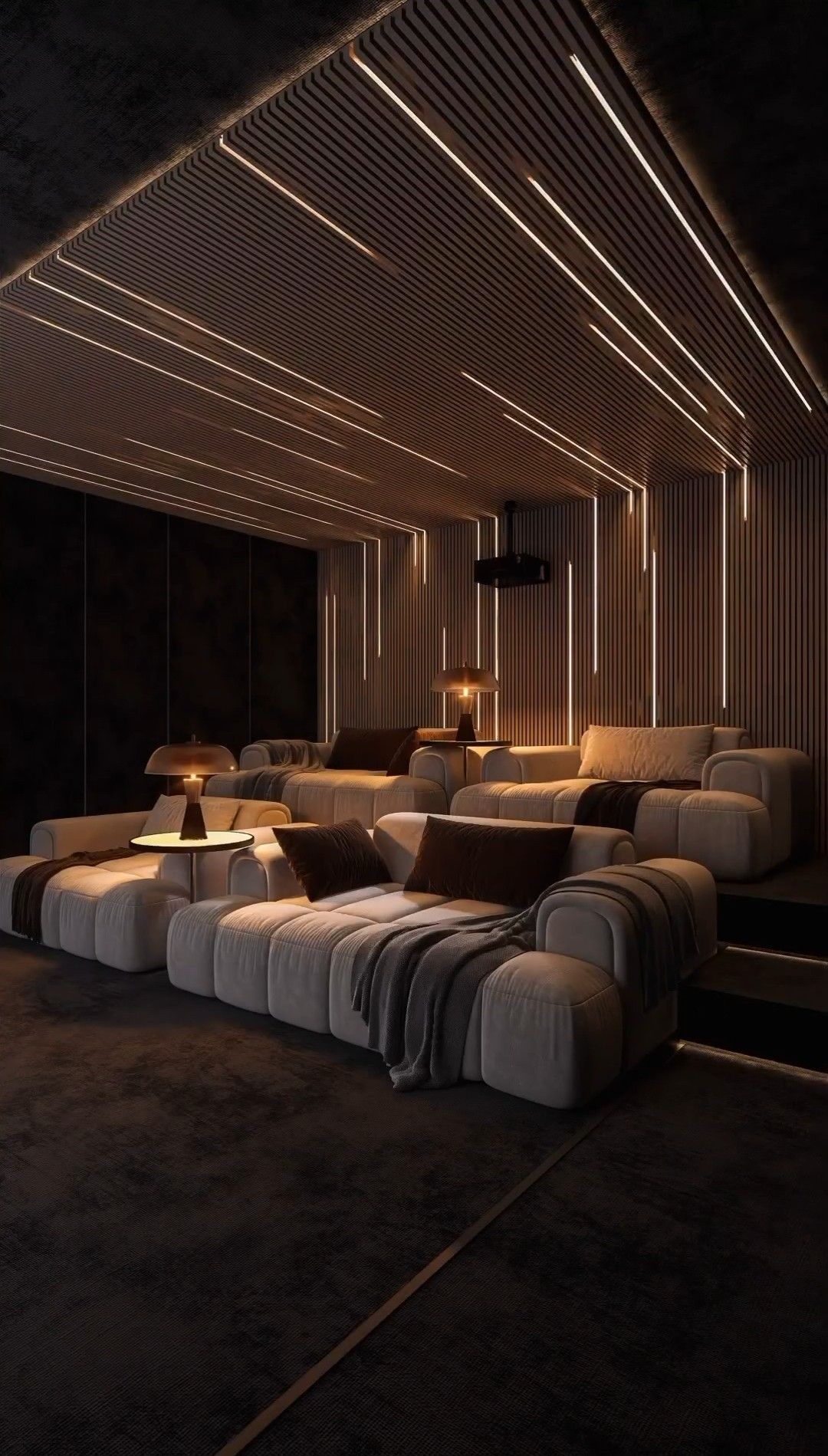
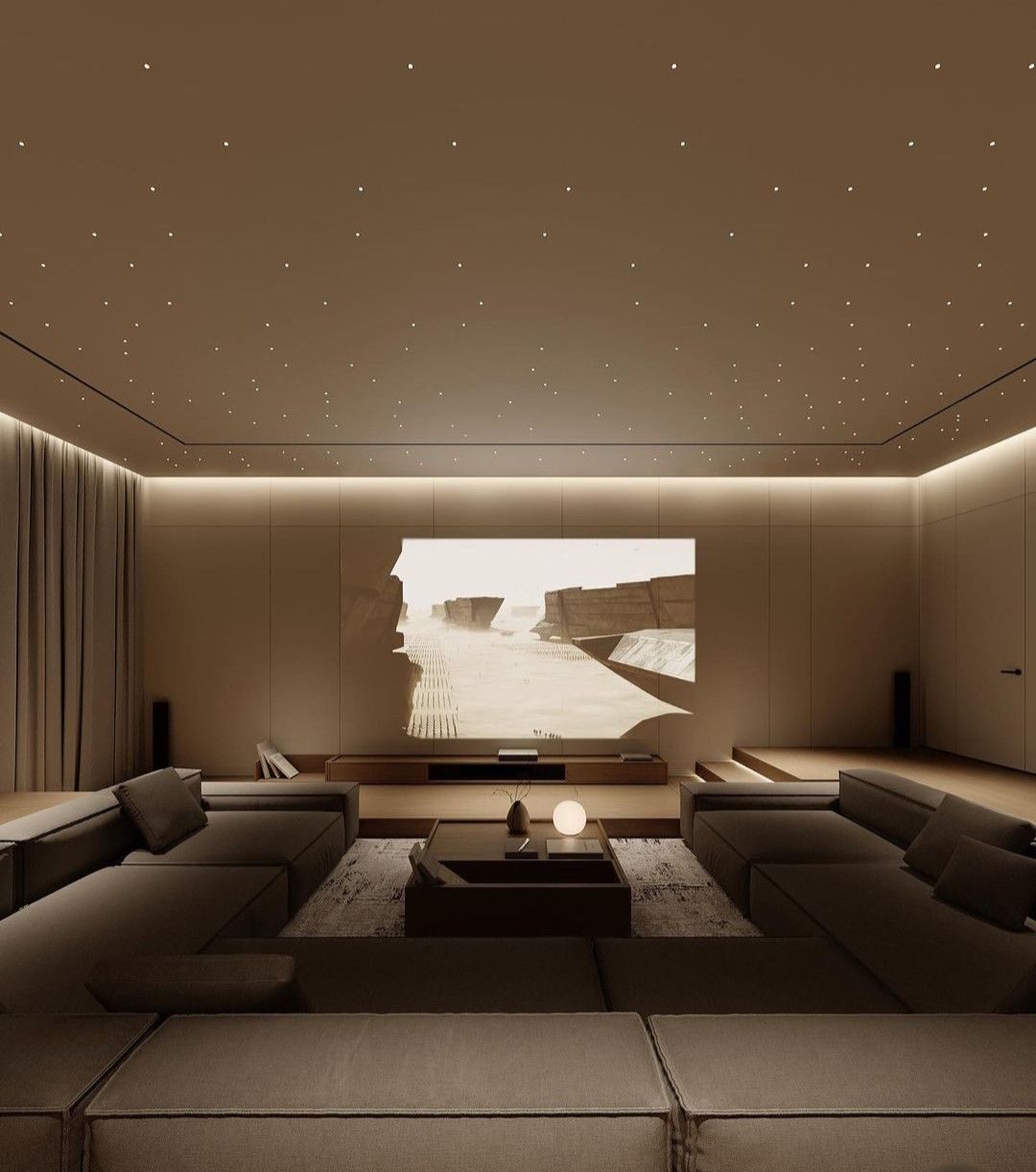
Materiality, Comfort, and Acoustic Balance
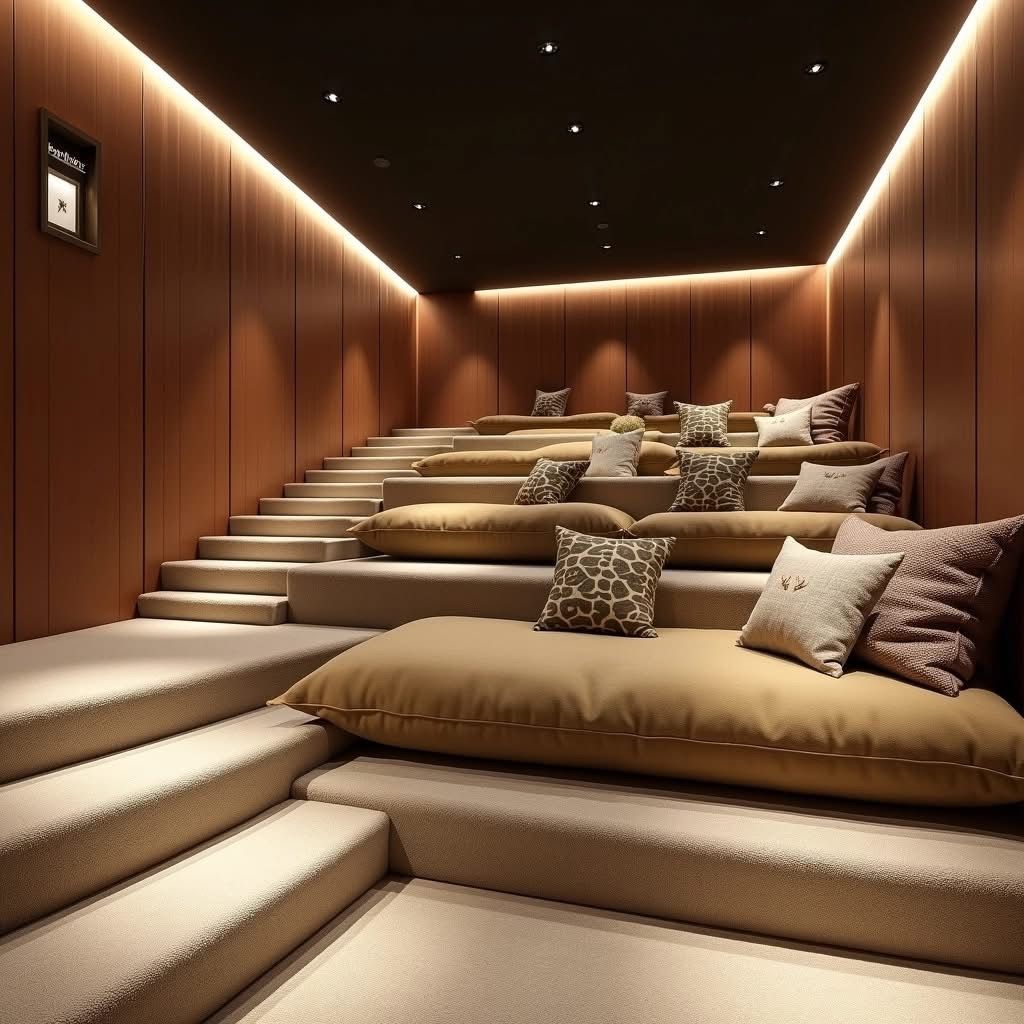
Comfort is expected in a home theatre, but it also serves a technical purpose. Materials play a significant role in acoustic design projects. Upholstered seating, soft furnishings, and carpets do more than enhance comfort. They absorb excess sound, reducing harsh reflections and improving overall clarity. It’s the same logic that goes for any aspiring home artist.
Even the placement of furniture carries weight. Seating positioned too close to walls can distort bass, while asymmetrical layouts may affect balance across the room. Subtle adjustments in layout can significantly influence how sound is experienced.
The most successful spaces are those where these decisions feel invisible. Nothing appears overly engineered, yet everything performs as it should.
Technology That Disappears Into the Background
A common misconception is that a home theatre should feel technical. In reality, effortless displays come with refinement. Modern home theatres increasingly rely on integrated systems that bring audio, lighting, and visual elements together under a single interface. Screens descend when needed, blinds adjust automatically, and sound systems activate without a visible process.
What remains is not the technology itself, but the experience it enables. There is a certain restraint in allowing technology to step back. It creates a space that feels calm and classy, not cold and “techy”.
A Space That Reflects How You Live
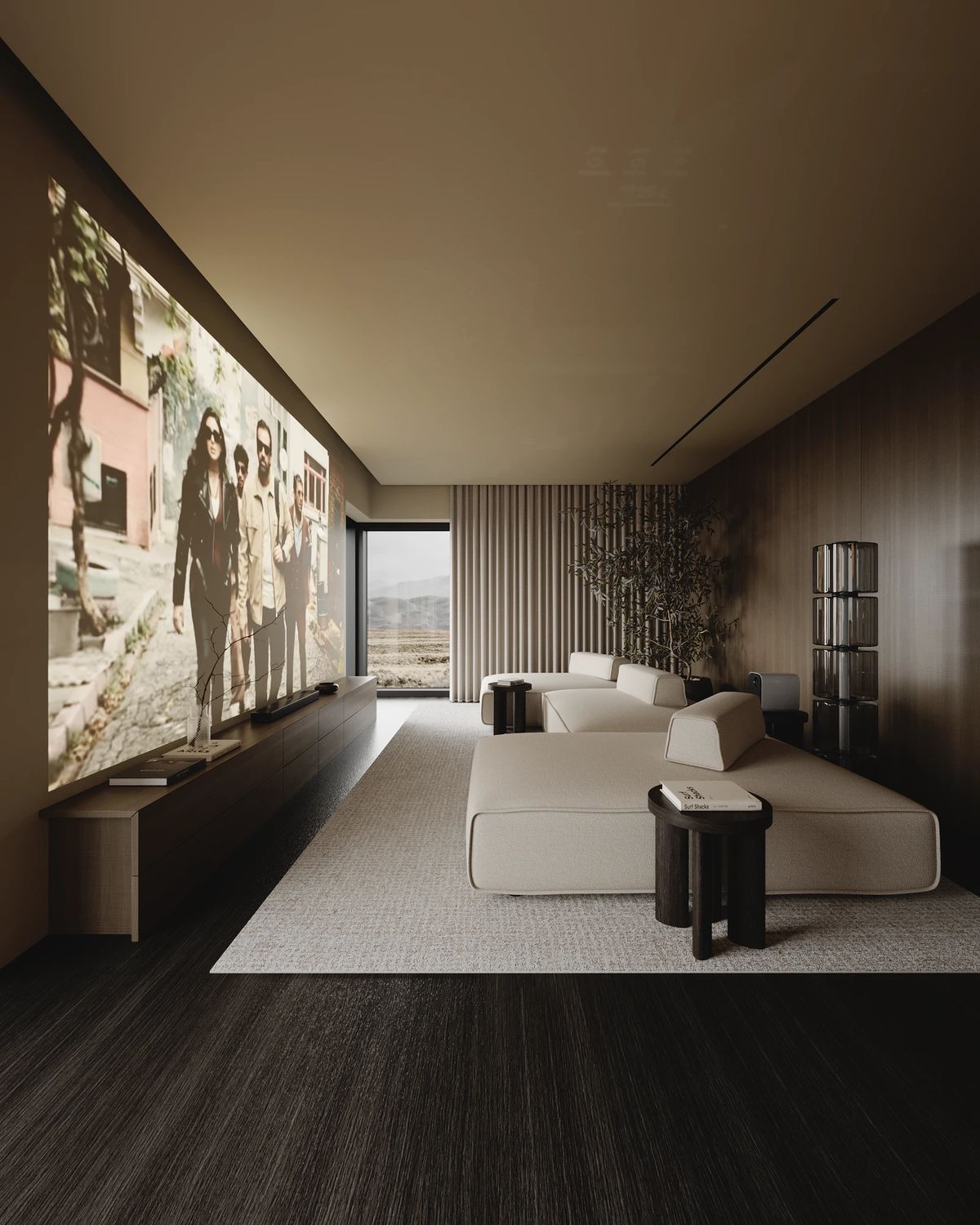
Not every theatre room needs to be enclosed or dramatic. For some, a dedicated cinema offers a sense of retreat. For others, a more open media space allows entertainment to blend into daily living.
Both approaches can work, provided the design responds to how the space will actually be used. A private cinema room for Singapore homeowners to invest in may prioritise full immersion, while a shared lounge may require a more flexible acoustic strategy.
What matters is alignment. The design should support the lifestyle, not dictate it.
In landed homes, where scale allows for greater ambition, the opportunity is not just to build a theatre, but to shape an experience. Because when sound is treated as part of the architecture, the result is not simply better audio. Contact our design team at our Contact Us page, at our main line +65 63451730 or speak to our studio directors directly at +65 97386690 (Alicia)/+65 81234411 (Eugene) today!