
The modern office has been steadily opening up. Walls have come down, desks have been rearranged, and collaboration has become the defining principle of workplace design. The result is a space that feels dynamic, connected, and visually aligned with how businesses want to present themselves.
But once people begin to work in these environments, a quieter reality emerges. What was designed for collaboration often ends up working against concentration.
This is the tension at the heart of many modern office design Singapore projects today. The challenge is no longer choosing between open or enclosed layouts, but understanding how to balance both, creating a space that supports interaction without compromising privacy.
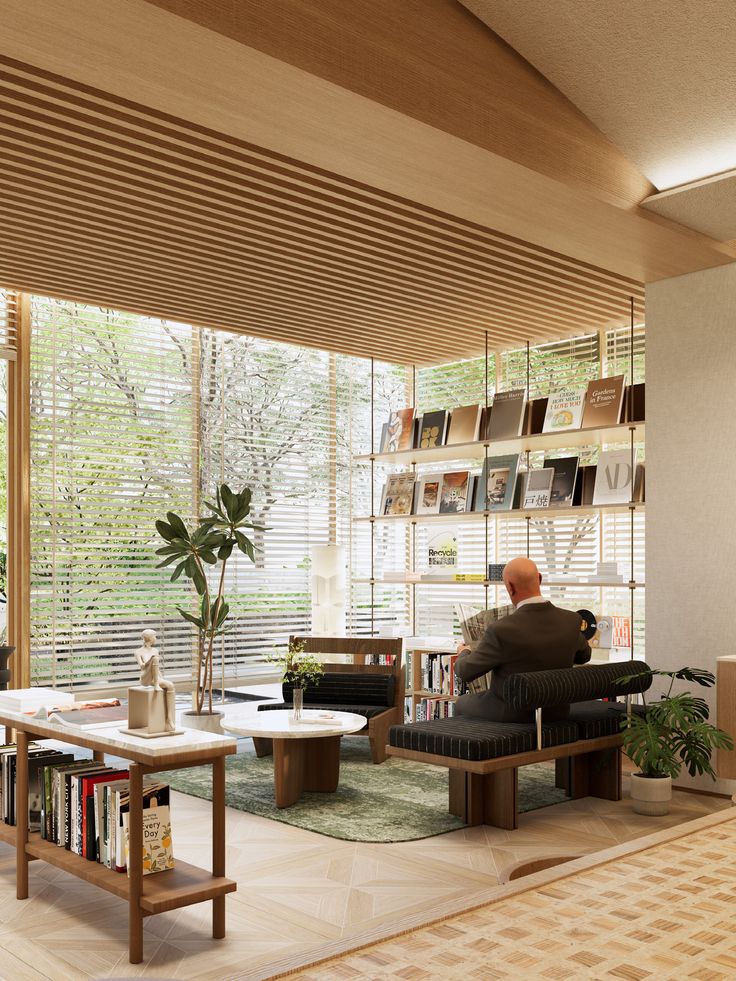
When Openness Becomes Overexposure
Open-plan offices are appealing for a reason, who can say no to an inclusive, efficient, and adaptable layout? Teams appear more connected, and communication seems more immediate. But without careful planning, openness quickly becomes overexposure.
In an environment where everything is visible and audible, even simple tasks begin to compete with one another. A seemingly simple phone call in one corner becomes a distraction in another. A quick discussion extends into background noise for the rest of the room. Not everyone appreciates that white noise after all.
This is where office layout planning requires more nuance.
Because collaboration does not happen everywhere, all the time. It happens in moments. And those moments need to coexist with periods of focused, uninterrupted work.
Privacy Without Isolation
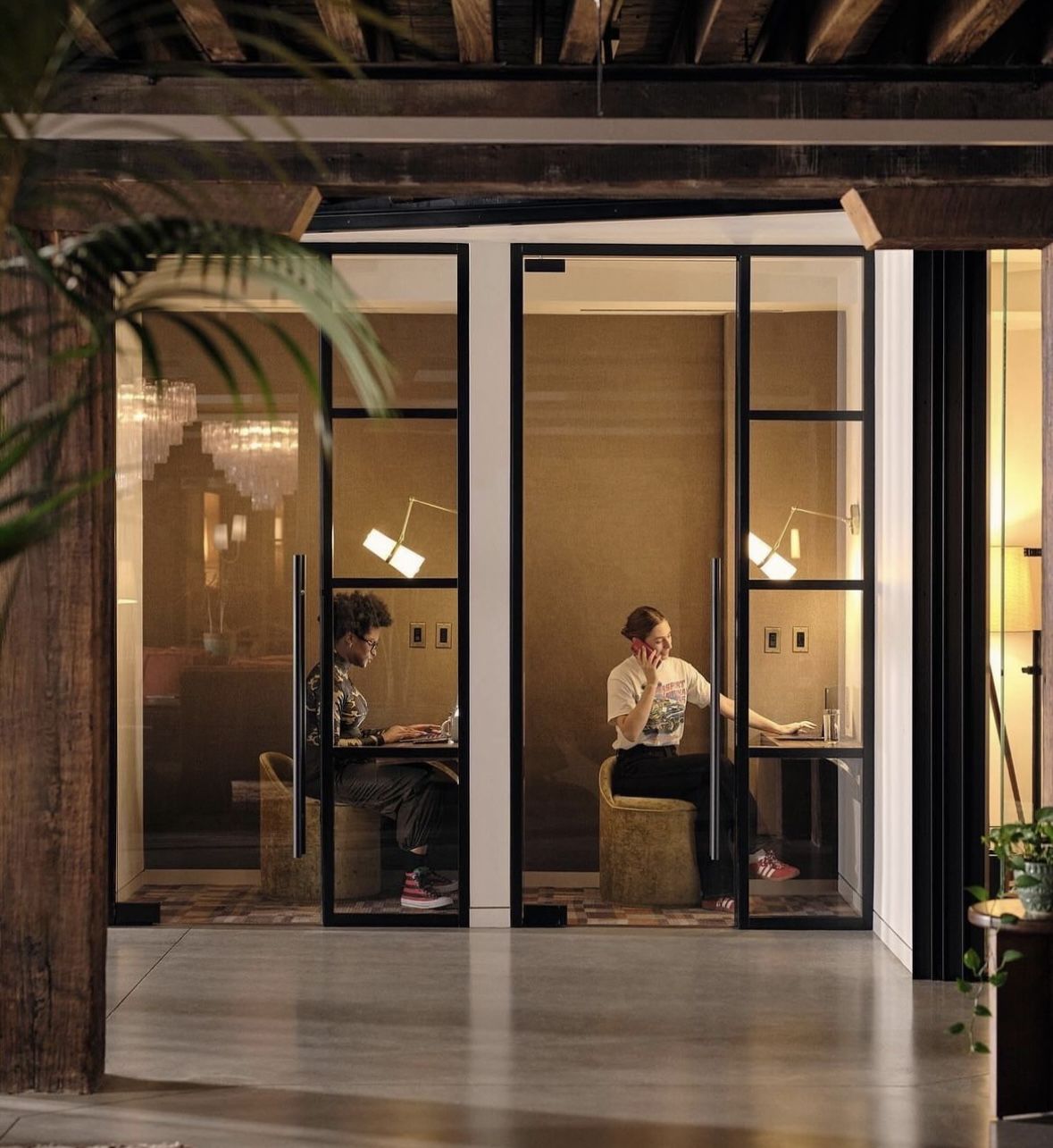
One of the more effective responses to open-plan challenges has been the introduction of acoustic booths.
These are not traditional meeting rooms, nor are they meant to replace them. Instead, they offer a contained environment for short, focused activities. Calls, quick discussions, or moments that require privacy without full separation from the workspace.
In a well-considered office, acoustic booths feel integrated rather than inserted. Positioned along circulation paths or at the edges of open areas, they provide accessibility without disrupting flow. More importantly, they acknowledge a simple truth: not every task belongs in an open environment.
Designing for Informal Exchange
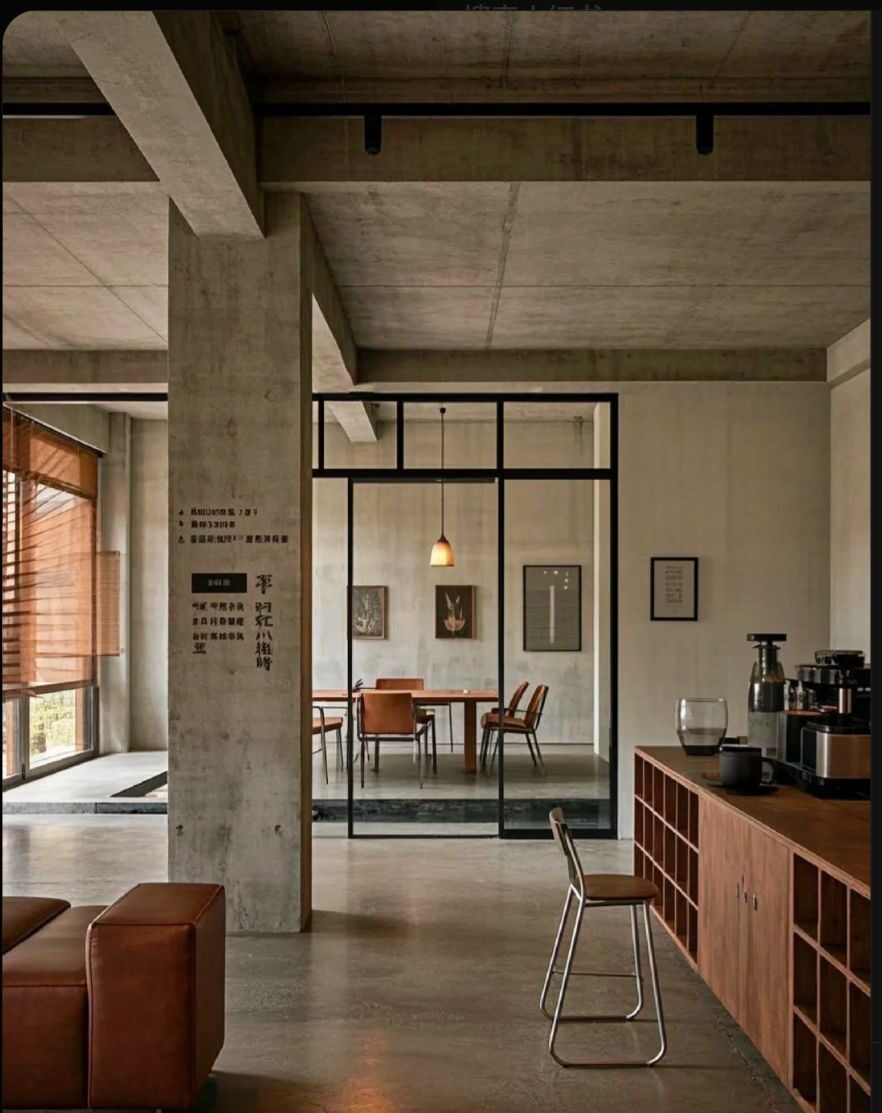
If acoustic booths support privacy, breakout zones support spontaneity.
These are the spaces where conversations happen naturally, not scheduled, not formalised, but part of the rhythm of the workday. A quick idea shared over coffee, a casual discussion that turns into something more. In many modern office design Singapore projects, breakout areas are treated as aesthetic additions. Comfortable seating, softer materials, a shift in tone from the main workspace.
Unknowingly, their real value lies in placement.
When positioned thoughtfully, breakout zones act as buffers between focused and collaborative areas. They absorb activity that would otherwise spill into workstations, creating a more balanced acoustic environment. More than just social spaces, they are spatial transitions.
Adapting to How Teams Work
Traditional meeting rooms were designed with a single purpose in mind. Today, work is less predictable. Teams shift in size, meetings vary in format, and the need for adaptability has become more pronounced.
Flexible meeting spaces respond to this by allowing rooms to expand, contract, or reconfigure depending on use. Sliding partitions, modular furniture, and adaptable layouts make it possible to host anything from a quick internal discussion to a larger presentation. Flexibility is not just about movement; it is about anticipating variation.
A well-designed meeting space does not feel oversized when used by two people, nor constrained when used by ten. It adjusts quietly, without drawing attention to itself.
The New Essential
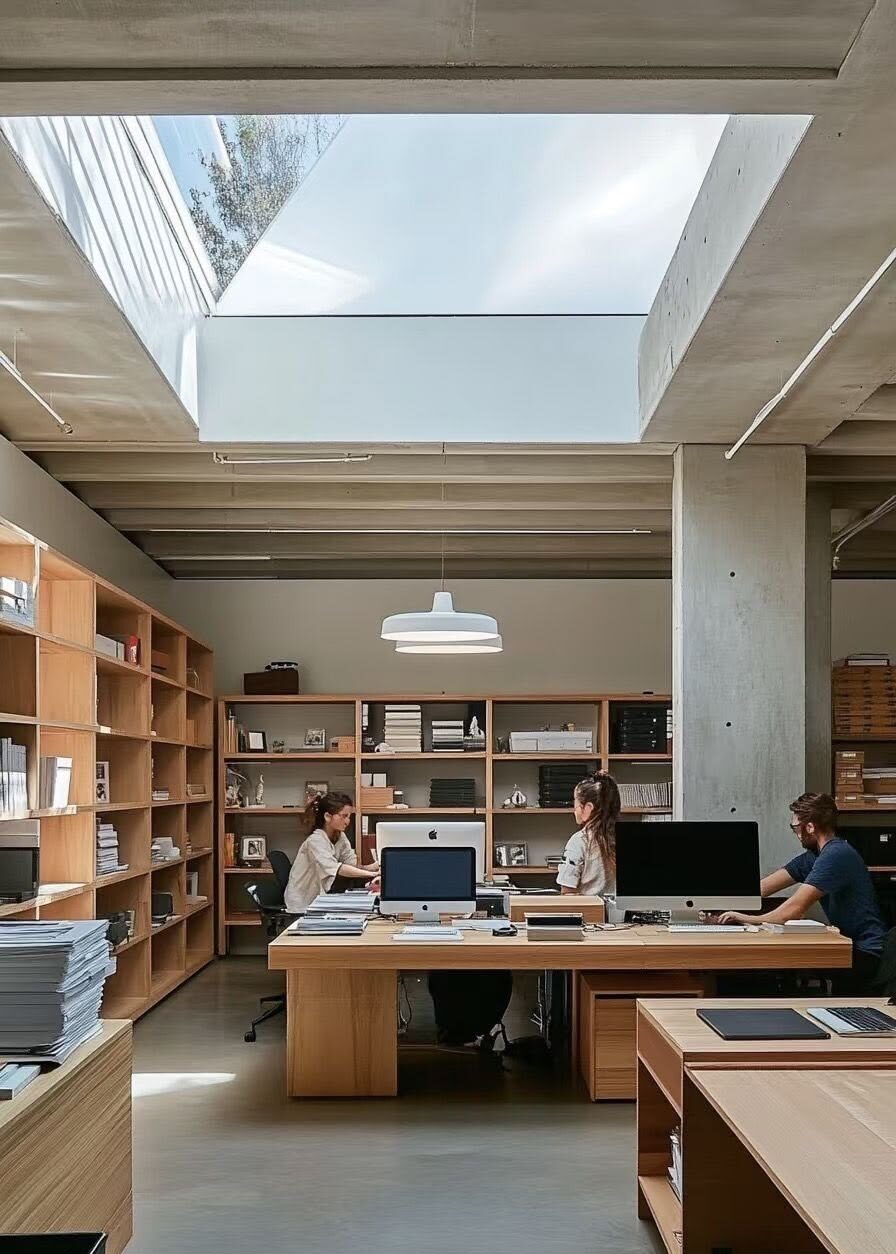
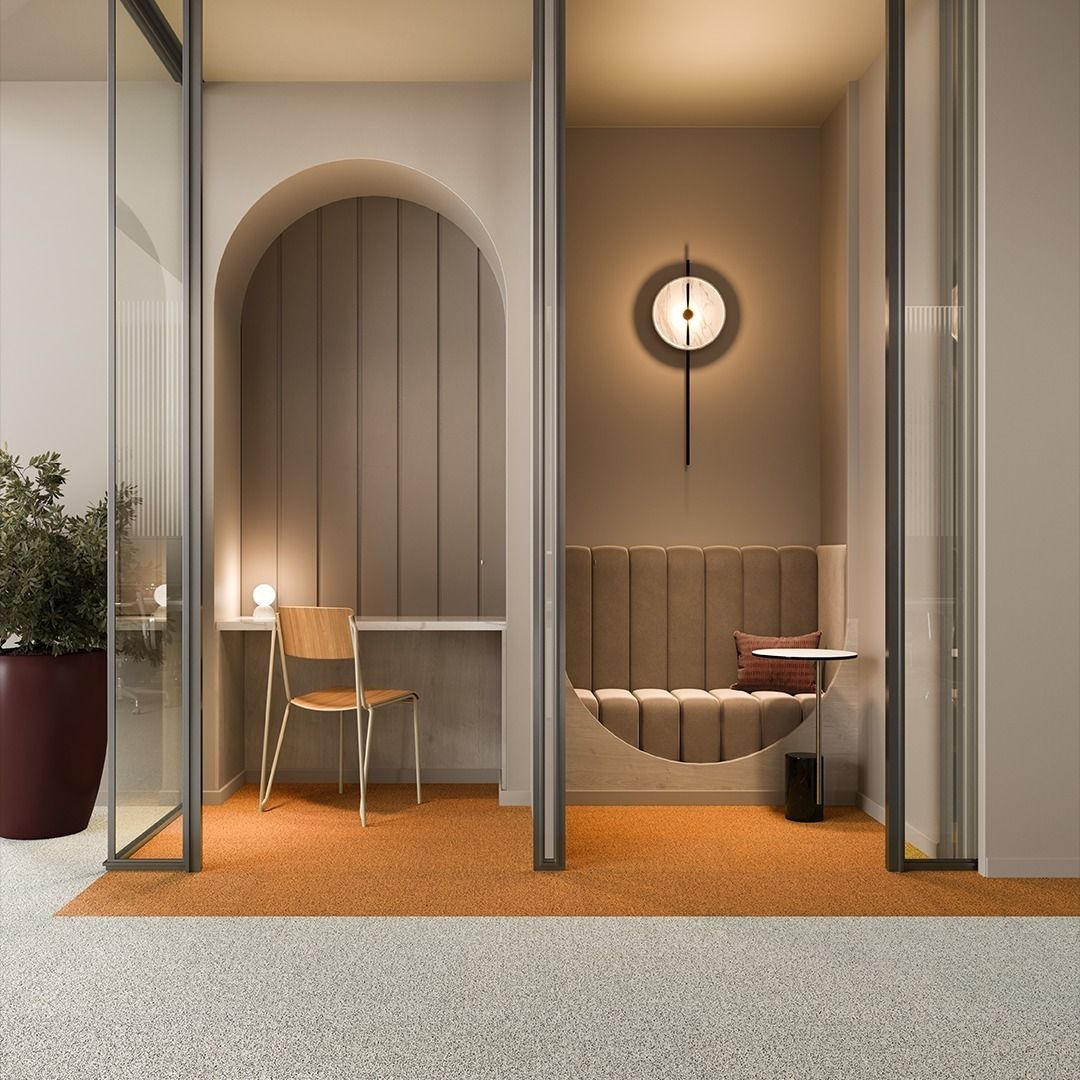
Perhaps the most telling addition to contemporary offices is the quiet room. In an era that celebrates collaboration, the need for silence has become more pronounced than ever.
Quiet rooms are not simply enclosed spaces. They are environments designed for focus, minimal distractions, controlled acoustics, and a sense of separation from the rest of the office. They support work that requires depth: writing, analysis, problem-solving. In many ways, they restore what open-plan offices tend to remove. And increasingly, they are not seen as optional, but essential. Where else would you go to when you’re overstimulated?
Designing for Rhythm, Not Just Function
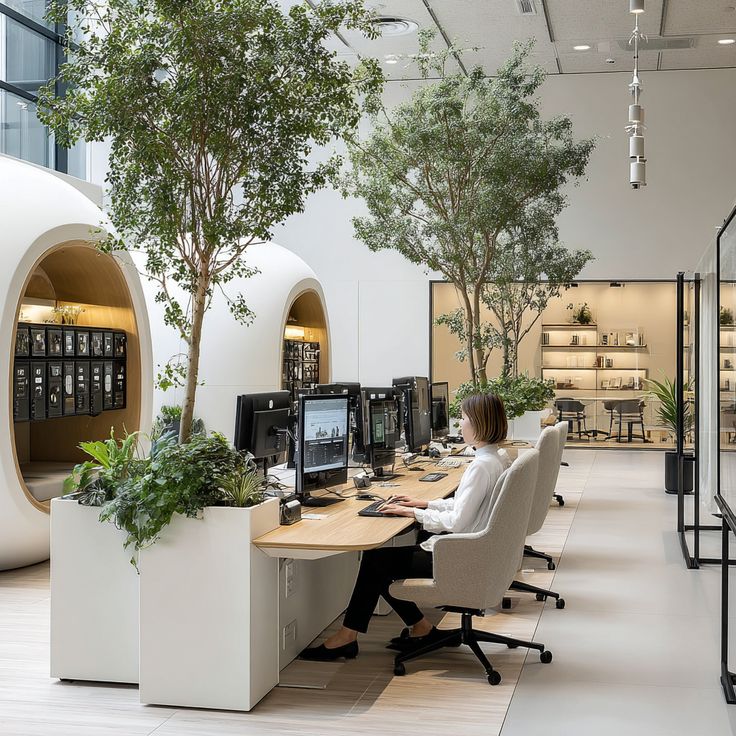
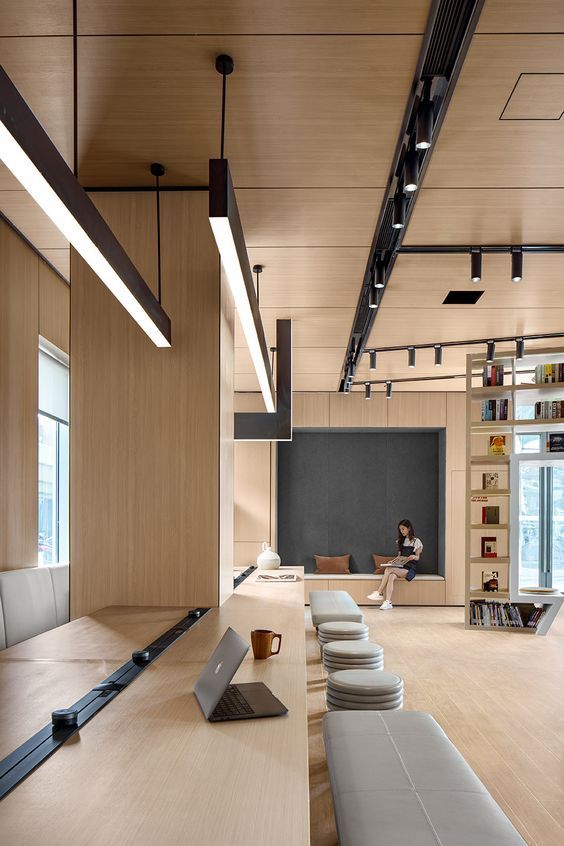
What connects these elements: booths, breakout zones, flexible rooms, quiet spaces, is not just their individual function, but how they work together. A well-balanced office is not divided strictly into open and closed areas. It is layered.
There are spaces for interaction, spaces for retreat, and spaces that sit somewhere in between. Movement between them feels natural, guided by the needs of the moment rather than enforced by layout. Rhythm is created, and that’s what drives better working motivation. Work becomes less about adapting to the space, and more about the space adapting to different modes of working.
Why Balance Defines the Modern Workplace
The conversation around modern office design Singapore has evolved. It is no longer about choosing openness as a default, but about understanding its limits.
Collaboration remains important. So does visibility, flexibility, and connection. But without privacy, these qualities begin to lose their effectiveness. Balance, then, becomes the defining factor. Not as a compromise, but as a deliberate design approach, one that recognises that work is not a single activity, but a series of shifting needs.
The most successful offices are not the ones that look the most open, or the most structured. They are the ones that feel intuitive to use.
In the end, good office layout planning is less about choosing between collaboration and privacy. It is about allowing both to exist, without either becoming a limitation.
Contact our design team at our Contact Us page, at our main line +65 63451730 or speak to our studio directors directly at +65 97386690 (Alicia)/+65 81234411 (Eugene) today!