
Smart homes, at first glance, promise effortlessness.
Lights that adjust automatically. Air-conditioning that responds before you feel the heat. Curtains that open and close without a second thought. The idea is simple – It’s a home that works quietly in the background.
However somewhere along the way, many smart homes begin to feel less like homes, and more like systems. Too many switches, apps and reminders that everything is being controlled.
This is the tension within many smart home design Singapore projects today. The technology is there, but the experience often feels fragmented. Because a truly well-designed smart home is not defined by how much it can do. It is defined by how little you have to think about it.
When Technology Becomes Visible
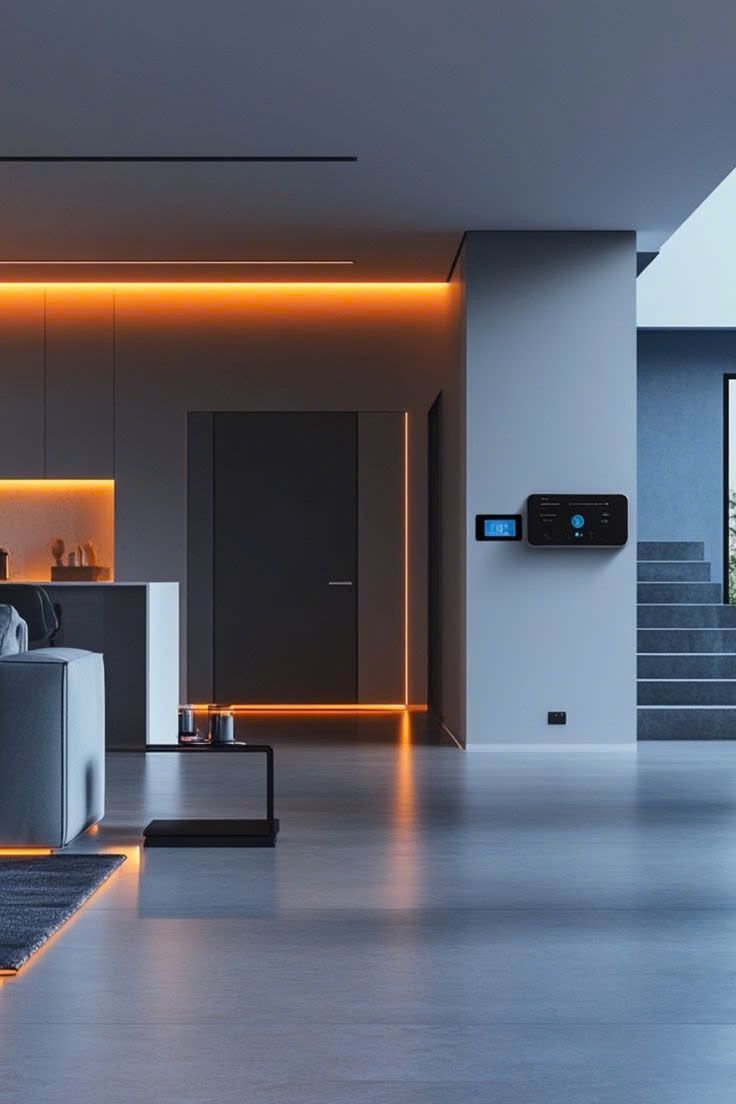
One of the most common missteps in smart home design is visibility.
Devices are installed, wiring is accommodated, and control panels are introduced. All necessary but not always considered as part of the overall design language. Over time, these elements begin to accumulate.
Individually, they are functional. Collectively, they start to interrupt the space. In a well-resolved home, technology does not compete with the interior, it recedes into it. Wiring is planned early, not retrofitted. Devices are positioned with intention, not convenience. Control points are consolidated rather than scattered.
The goal is not to eliminate technology, but to make its presence feel deliberate, almost invisible unless needed.
Rethinking the Role of Switches
The promise of a smart home often suggests fewer switches. The reality in many cases, is the opposite.
Walls become lined with multi-gang panels, each controlling a different layer of lighting or function. While technically efficient, the experience becomes less intuitive. You pause, look, and think which switch controls what?
This is where smart home design Singapore projects benefit from restraint.
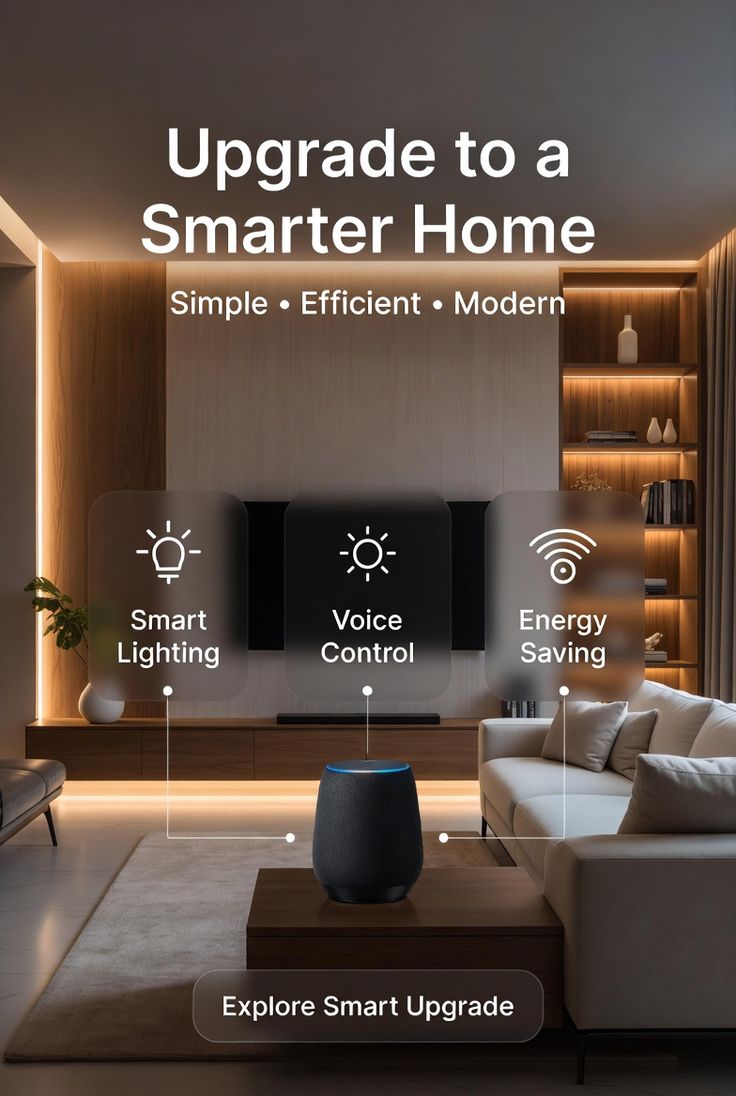
Minimal switches do not mean fewer controls, but better ones. Consolidated panels, clearly defined functions, and in some cases, the replacement of multiple switches with scene-based controls. Sound/voice controls are becoming more popular too, especially with users of Alexa and it’s relative counterparts.
A single command “evening”, “entertain”, “wind down” can replace a series of individual actions. Because convenience is not about having more options. It is about reducing the need to choose.
Designing Technology Into the Space
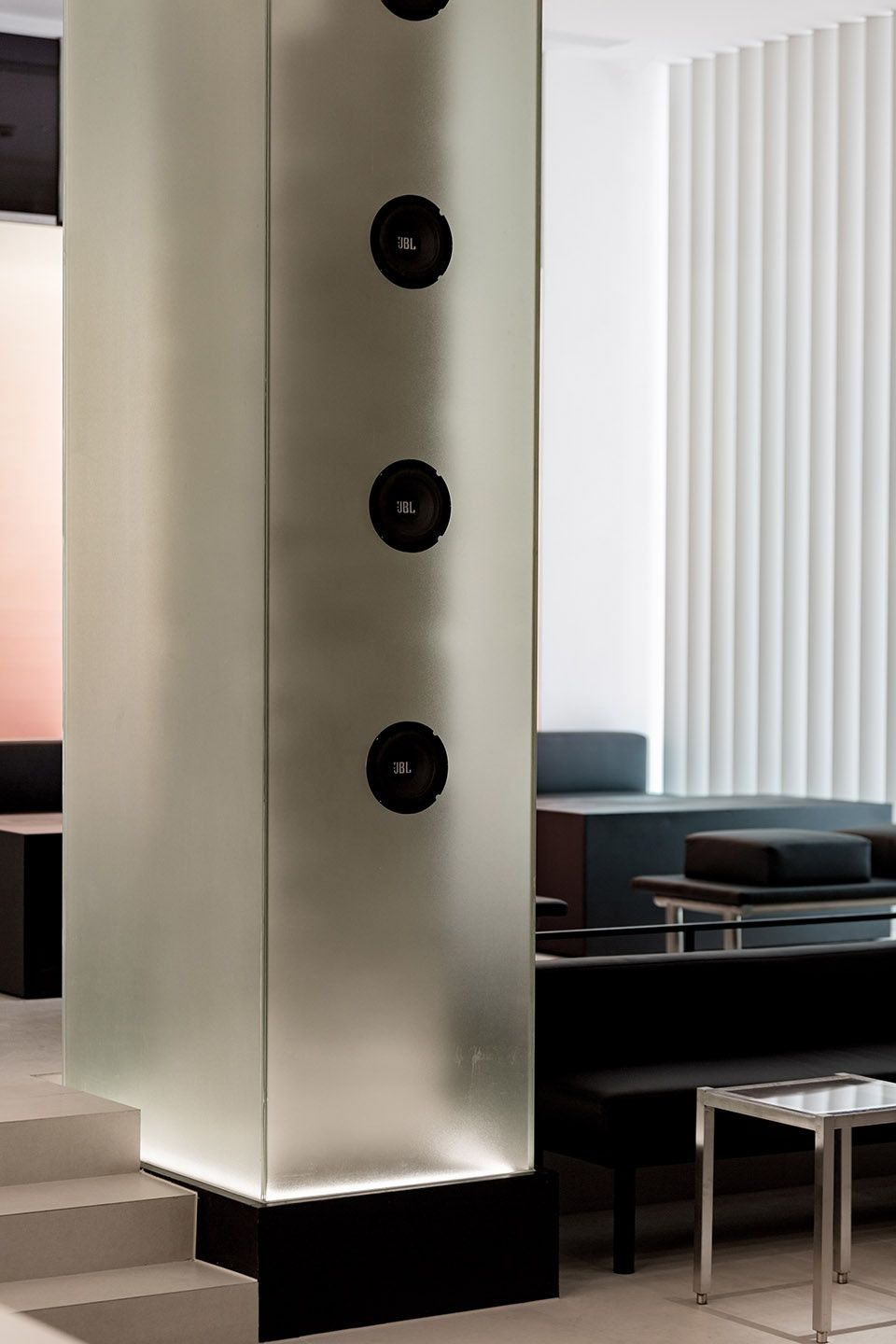
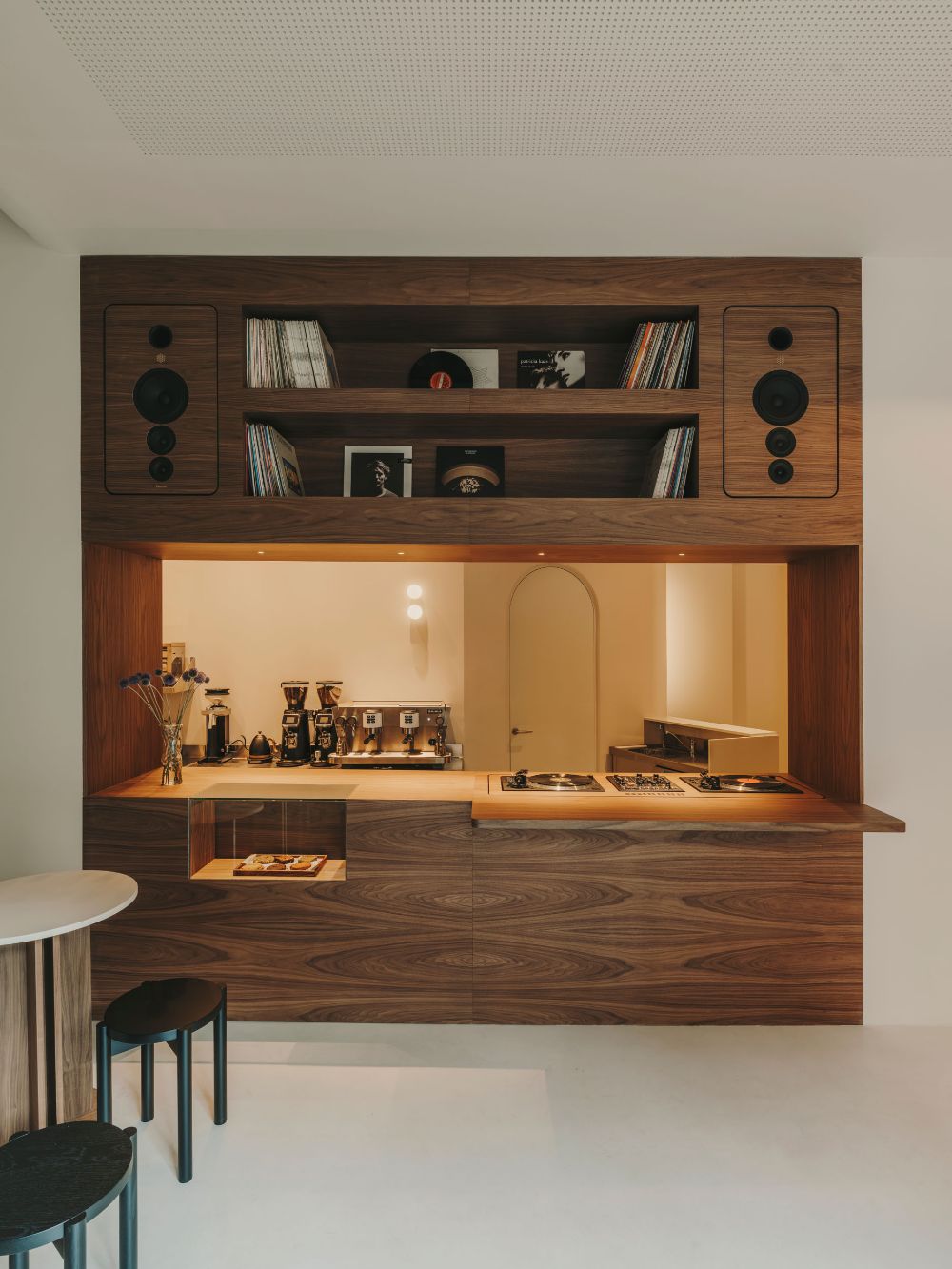
Technology, when thoughtfully integrated, should feel like part of the architecture. Going beyond concealment, it is about alignment.
Speakers are built into ceilings rather than placed on surfaces. Sensors are positioned where they function effectively without drawing attention. Control panels are selected not just for capability, but for how they sit within the material palette of the home.
Even something as simple as a smart lock or thermostat becomes part of the design language. This is where many homes fall into a subtle disconnect, high-end interiors paired with visibly generic devices. Seamless integration requires thinking about technology early, at the same stage as layout and materials. Not as an addition, but as a layer within the design itself.
When Systems Start to Compete
A less obvious challenge in smart homes is fragmentation. Lighting controlled through one app, air-conditioning through another and security through a third. Each system works independently, but not necessarily together. The result is not convenience, but clutter. Not of objects, but of interaction.
Over time, this becomes tiring. Not because the technology fails, but because it demands too much attention. A well-considered smart home reduces this friction. Where possible, systems are integrated into a single interface. Controls are centralised, not scattered across multiple platforms. The experience becomes cohesive, rather than segmented.
Because a home should not feel like a collection of systems. It should feel like one environment.
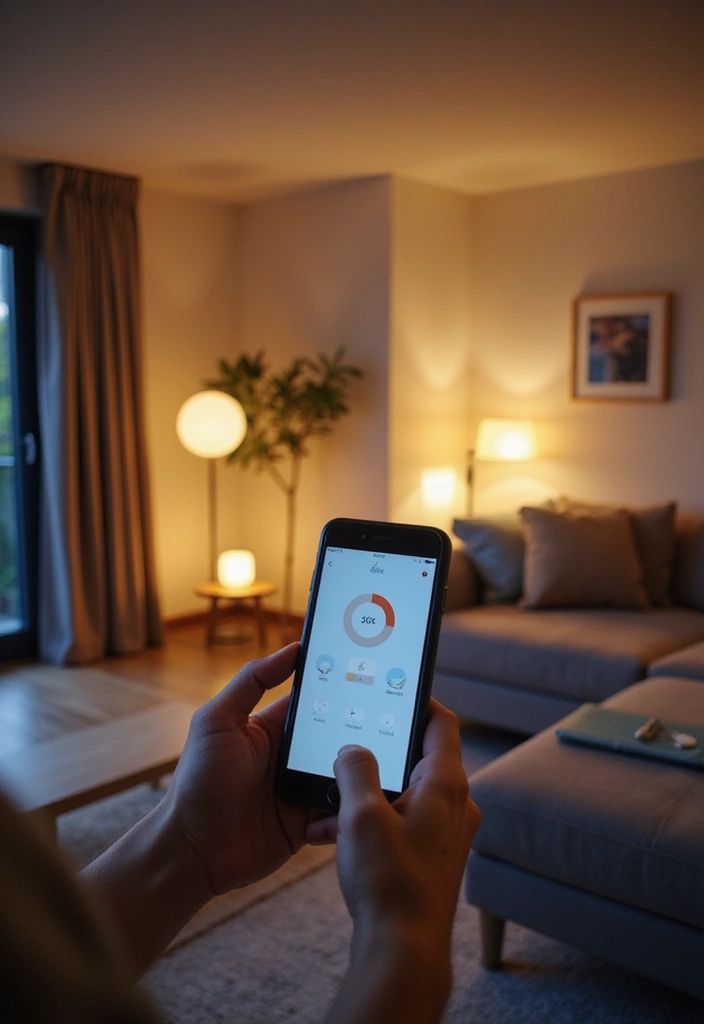
Lighting: Designed, Not Just Automated
Smart lighting is often one of the first features homeowners adopt. But without thoughtful design, it risks becoming little more than a novelty.
Changing colours, adjusting brightness, scheduling routines. These are features, not design, yet some salesmen overexaggerate it’s self-sustainability.
Good lighting begins with intention. Where light is placed, how it interacts with surfaces, and how it shifts throughout the day. In a well-designed home, smart lighting enhances this foundation rather than replacing it. Scenes are calibrated to support different moods – Your morning clarity, evening warmth and softer transitions at night.
Natural light also needs to be considered. Automation may adjust blinds or curtains, but it’s not always in response to how the space is meant to feel. The difference is subtle, but important.
Designing for Intuition, Not Instruction
Perhaps the most overlooked aspect of a smart home is usability. A system may be powerful, but if it requires explanation, it has already introduced friction.
Guests should not need guidance to turn on lights. Even more so daily routines should not depend on remembering which app controls which function. Intuitive design anticipates behaviour, automations that support habits rather than forcing new ones.
Over time, the system becomes almost unnoticeable. And that is the point.
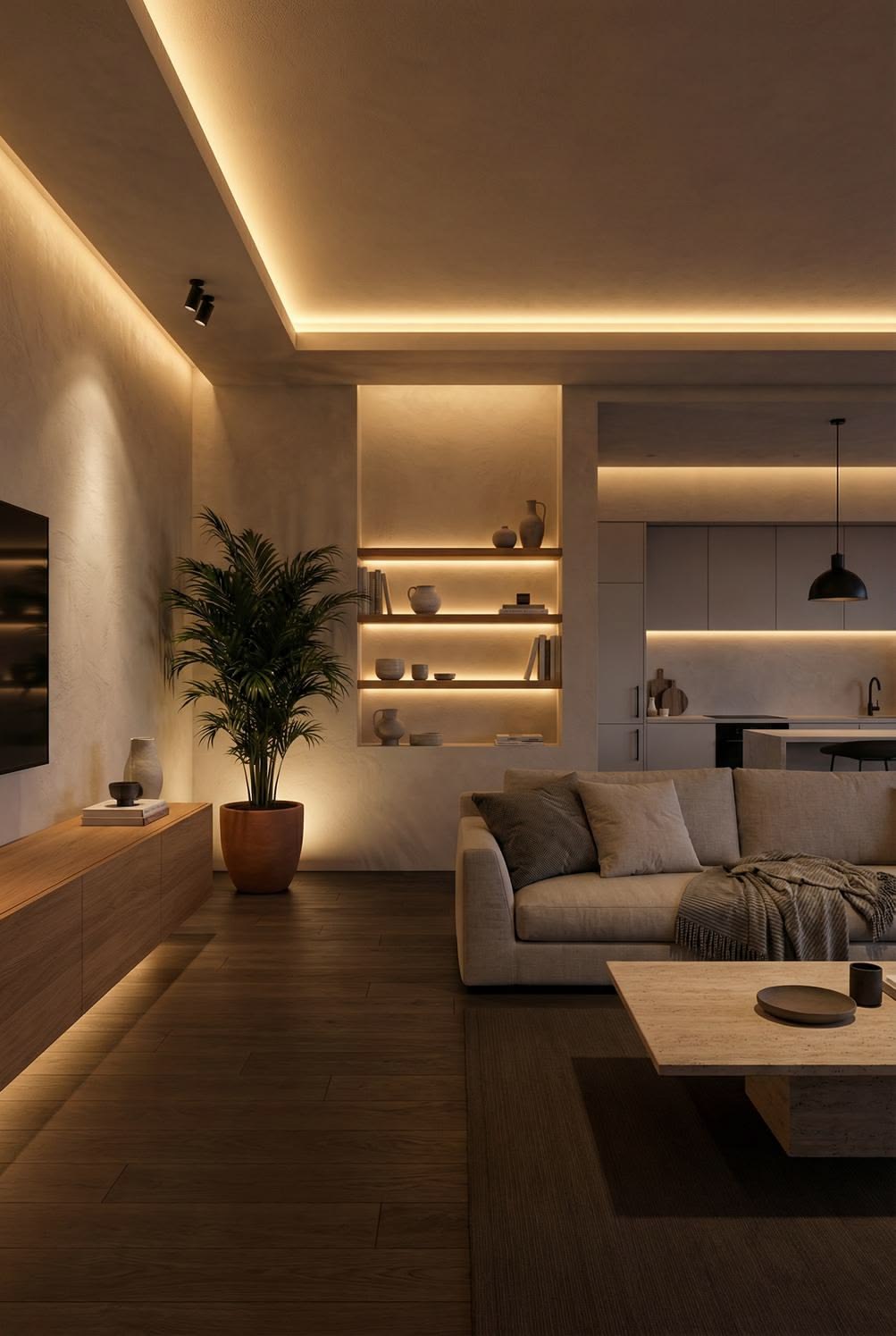
A well-designed smart home design Singapore project is not defined by the number of features it includes. It is defined by how seamlessly those features fit into everyday life.
Technology should support the home, not dominate it. It should simplify routines, not complicate them. Above all, it should feel quiet – present when needed, invisible when not.
In the end, the goal is not to create a home that feels smart. It is to create one that feels effortless. Contact our design team at our Contact Us page, at our main line +65 63451730 or speak to our studio directors directly at +65 97386690 (Alicia)/+65 81234411 (Eugene) today!