
Lighting in residential spaces is often emotional. It sets mood, creates warmth, and shapes how a home feels at different times of the day. In commercial environments, however, lighting carries a different kind of responsibility. It influences focus, visibility, energy levels, and how people interact within a space. Poor lighting in a home may feel uncomfortable. Poor lighting in a workplace quietly affects performance for hours at a time.
This is why commercial lighting design Singapore projects require a very different approach from residential ones. The goal is not simply to make a space look good, but to make it function better, often without people consciously noticing why.
Because in commercial design, lighting is not just atmosphere. It is infrastructure.
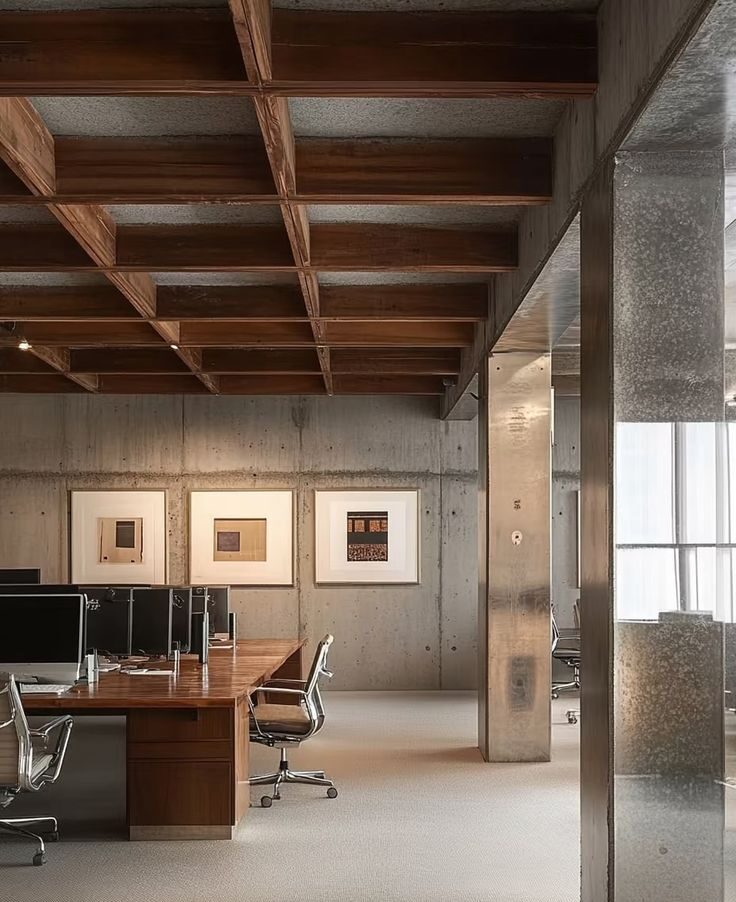
The Difference Between Residential and Commercial Lighting
In homes, lighting tends to revolve around comfort and ambience. Softer tones, decorative fixtures, and mood-setting layers take priority because the space is ultimately meant for rest and personal living.
Commercial spaces operate differently.
An office, showroom, or retail environment must support concentration, movement, interaction, and visibility for extended periods of time. Therefore, the lighting needs to be more deliberate, more controlled, and far more consistent.
This is where many businesses underestimate the role of office lighting design. Residential-style lighting may look appealing initially, but it often fails to support the practical demands of a working environment. Warm decorative lighting alone may create visual softness, but without proper task illumination, the space quickly becomes tiring to work in.
Commercial lighting needs to balance aesthetics with performance, something residential lighting rarely has to do to the same degree.
Why Task Lighting Matters More Than People Realise
One of the biggest differences between residential and commercial spaces lies in the role of task lighting. At home, lighting is often generalised. A living room may rely primarily on ambient lighting, with occasional accent fixtures layered in. Offices, on the other hand, revolve around activities that require sustained visual focus.
I’m sure you know. It’s the typical thing you do – The reading of documents, working on screens, writing and meetings. Without sufficient task lighting, even a visually attractive office begins to feel mentally fatiguing.
This does not necessarily mean brighter spaces. In fact, excessive brightness often creates its own problems. What matters is precision, ensuring light is directed where it is needed, without overwhelming the rest of the environment. A well-designed office uses task lighting to quietly support productivity, rather than demanding attention to itself.
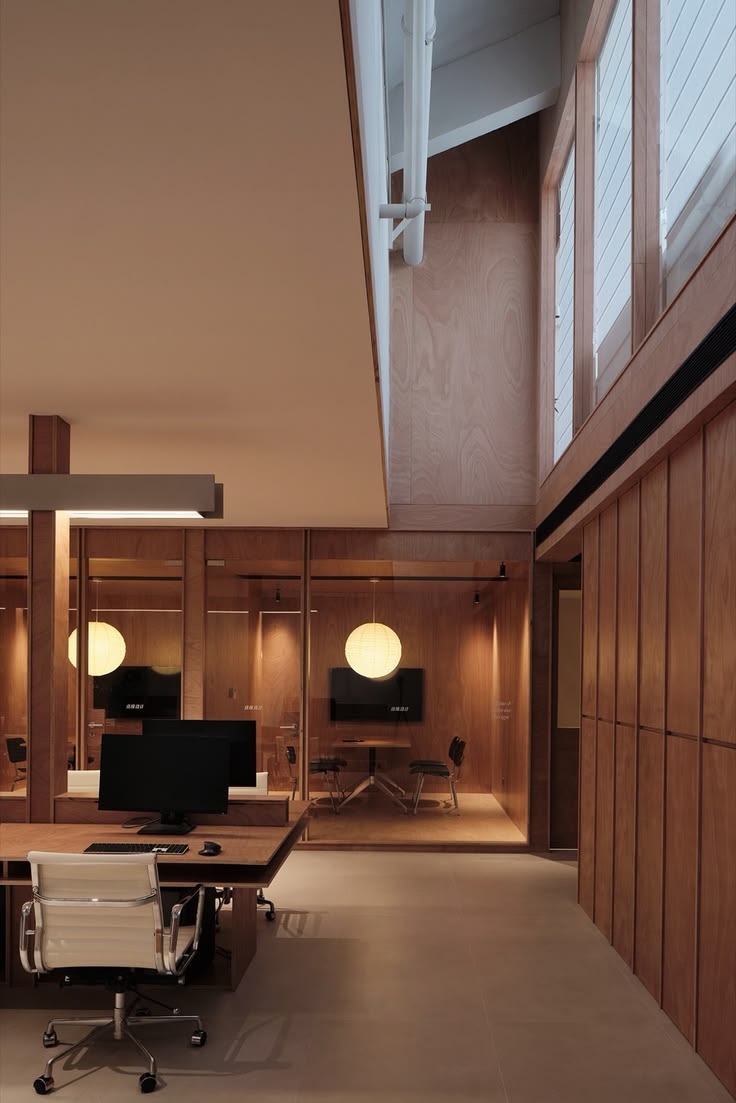
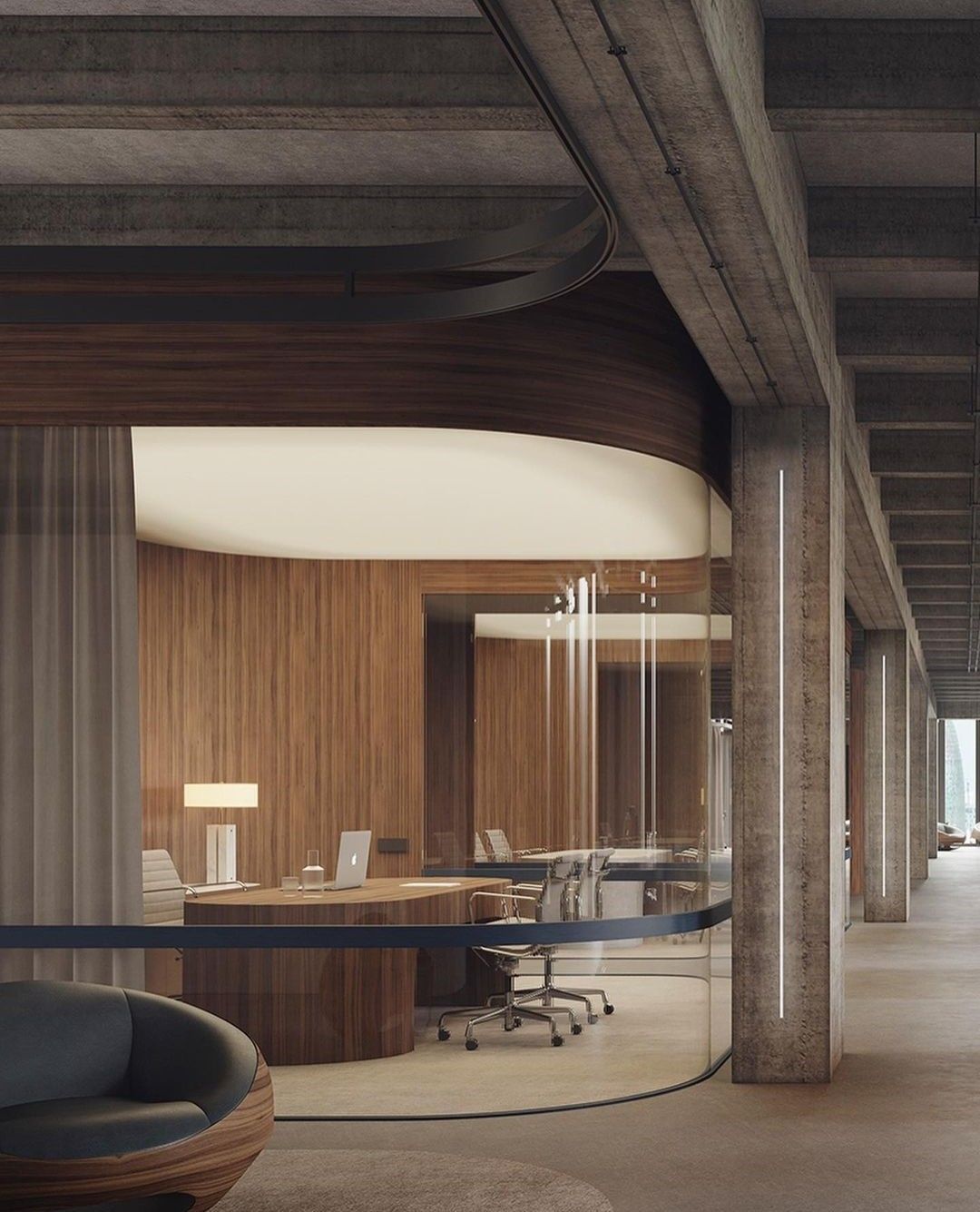
The Problem With Glare
Few things disrupt concentration faster than glare. In modern workplaces, where screens dominate daily tasks, lighting must account for reflections far more carefully than residential spaces typically require. Overhead fixtures positioned incorrectly can bounce light directly onto monitors, creating visual strain that accumulates throughout the day.
This is one of the quieter challenges within commercial lighting design. A space may appear bright and polished yet still feel uncomfortable after prolonged use. Reducing glare often comes down to thoughtful positioning and layering. Indirect lighting, controlled beam angles, and careful placement relative to workstations all contribute to a more comfortable visual environment. Natural light also plays a role. While highly desirable (especially in your personal homes), uncontrolled daylight can create strong contrast and reflections if not managed properly through blinds, films, or spatial orientation.
Good office lighting does not fight the eye. It works with it, just as you work.
Why Layered Lighting Matters in Offices
Commercial spaces are rarely used in one consistent way throughout the day. An office may shift between focused individual work, collaborative discussions, presentations, and social interaction within a matter of hours. A single layer of lighting cannot effectively support all these functions.
This is where layered lighting becomes essential.
First, ambient lighting that provides overall visibility. Second, task lighting that supports focused work. Finally, accent lighting introduces depth and hierarchy. All these may seem excessive, but it all tribulates to helping the space feel more composed rather than uniformly bright. In many office lighting design projects, the mistake lies in relying too heavily on overhead downlights alone. The result is a flat, overlit environment that feels clinical rather than productive.
Layered lighting introduces variation and control. It allows different zones within the office to respond to different activities, creating a workplace that feels more adaptable and less visually exhausting. Because brightness alone does not create good lighting, it’s balance that does.
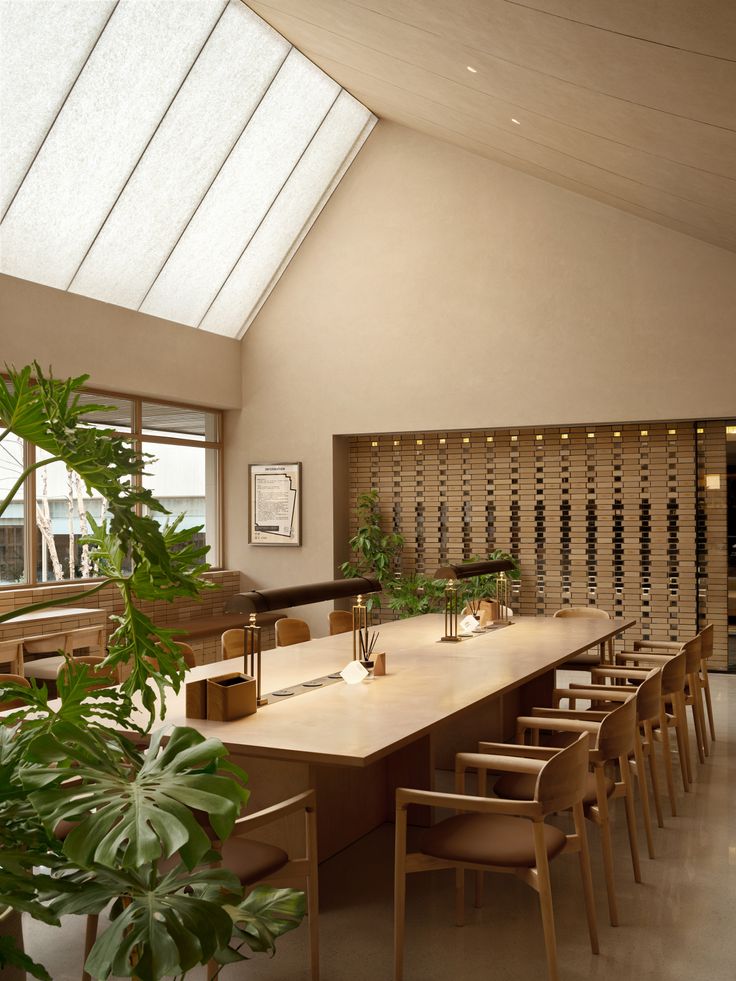
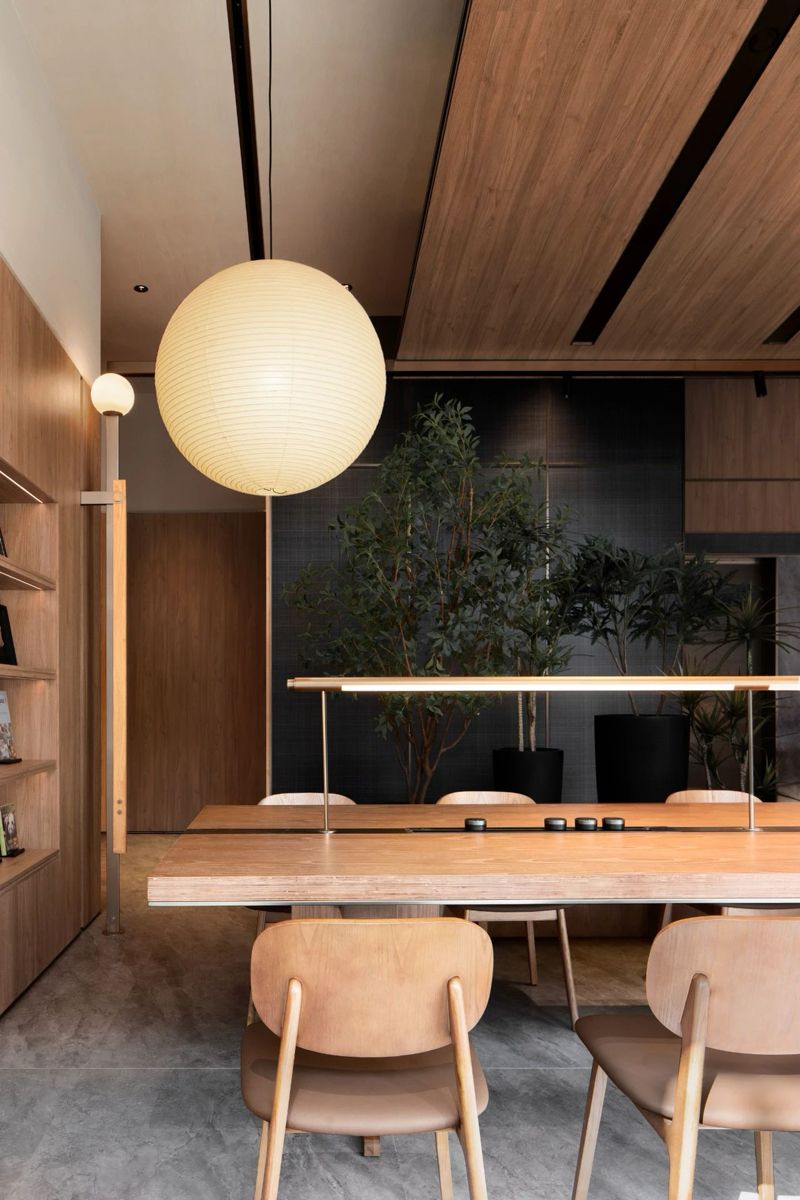
How Lighting Quietly Shapes Productivity
Lighting affects behaviour more than most people realise. Spaces that are too dim tend to reduce alertness. Spaces that are overly harsh create fatigue. Poor colour temperature selection can make environments feel either sterile or sluggish, depending on how it is handled. These effects are subtle, but cumulative. Over the course of a workday, lighting influences concentration, comfort, and even mood. Employees may not consciously identify lighting as the issue yet still experience the consequences of it.
This is why thoughtful commercial lighting design Singapore projects consider not just visibility, but rhythm. Cooler temperatures may support focus during work-heavy periods, while warmer tones in breakout areas encourage relaxation and informal interaction.
Lighting as Part of Spatial Identity
Beyond function, lighting also shapes perception, a well-lit office feels more intentional. It can subtly reinforce brand identity whether through softer hospitality-inspired lighting, clean architectural illumination, or a more intimate atmosphere designed to put clients at ease.
In commercial environments, lighting often becomes one of the defining elements people remember, even if they cannot immediately articulate why. It influences first impressions quietly, but powerfully.
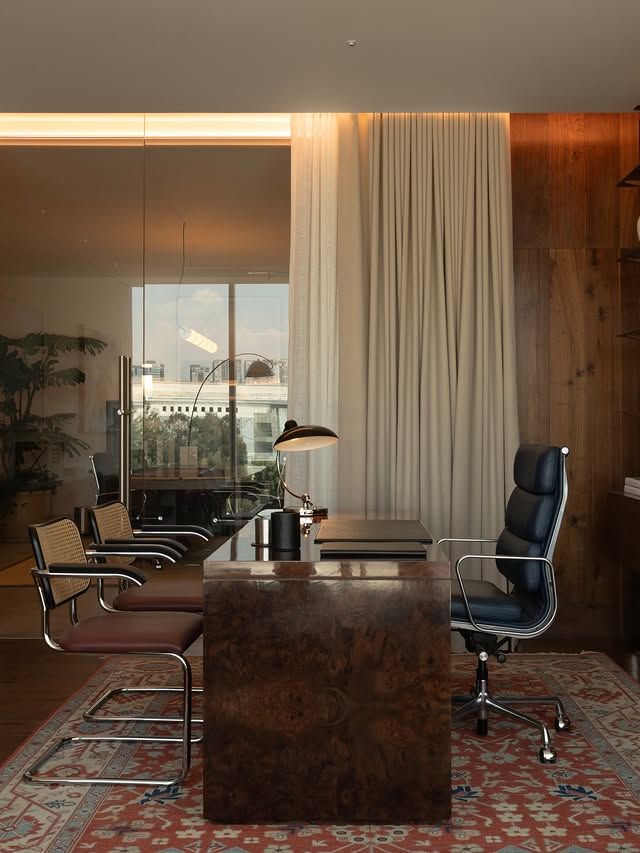
Lighting in commercial spaces carries a weight that residential lighting rarely does. Like a silent killer or your secret move. Who wouldn’t want a boost in sales closure or a productive workforce?
Which is why good office lighting design is never purely decorative. It is strategic. It is the kind that quietly allows everything else within the space to work better. Contact our design team at our Contact Us page, at our main line +65 63451730 or speak to our studio directors directly at +65 97386690 (Alicia)/+65 81234411 (Eugene) today!