
Most people think smart offices are about technology. Screens. Sensors. Automated systems.
But the real value of a smart office is rarely the technology itself. It is what the technology quietly removes. The unnecessary interruptions, awkward coordination and small operational frictions that seem insignificant on their own, yet somehow consume entire workdays over time.
This is why the conversation around smart office Singapore design has shifted in recent years. Businesses are no longer introducing technology simply because it looks progressive. They are integrating it because workplaces have become increasingly fluid, collaborative, and fast-moving – and traditional office systems are struggling to keep up.
A well-designed smart office does not feel futuristic. It feels unusually effortless.
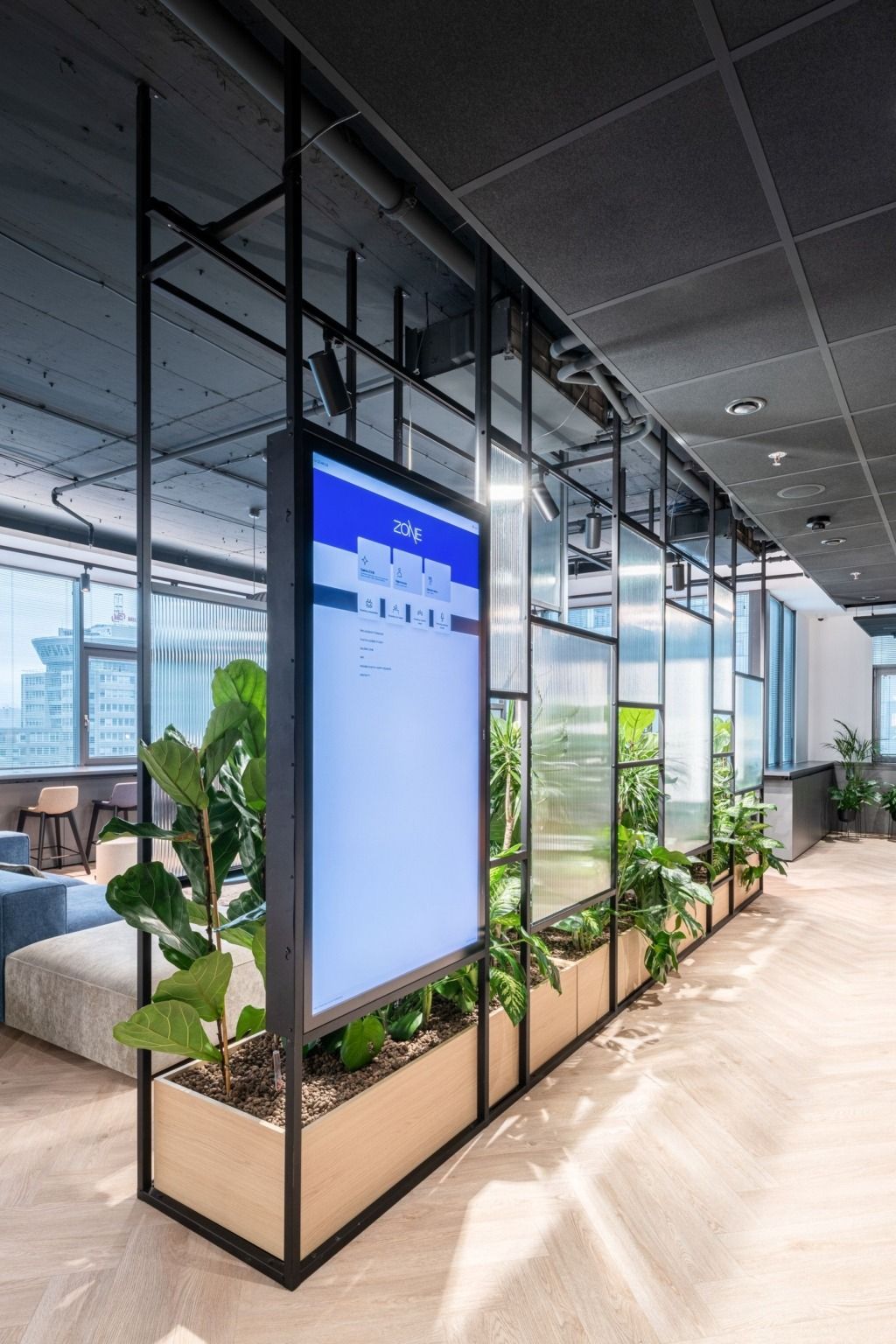
When Offices Stop Communicating Clearly
One of the stranger things about modern offices is how often information still travels inefficiently.
Meeting rooms get double-booked, visitors arrive unsure where to go. Teams spend unnecessary time confirming schedules that should already be visible. For all the emphasis placed on productivity, many workplaces still rely heavily on interruption as a form of communication.
This is where digital displays quietly begin changing behaviour. Not dramatic LED walls demanding attention, but integrated displays that reduce uncertainty before it happens. Meeting room schedules being visible at a glance ensures internal updates are communicated clearly. That’s what makes wayfinding feels intuitive rather than improvised. The difference seems small until the office begins operating more smoothly because fewer people need to stop and ask questions.
The Meeting Room Problem Everyone Pretends Is Normal
Every office has experienced it. A meeting room appears booked but sits empty for an hour. Another room is occupied by two people taking a casual call while an entire team searches for space elsewhere. Someone inevitably says, “I thought we reserved this.” That frustration that builds up? Never good for collaborative spirit.
For years, businesses simply accepted this as part of office life. Now, booking systems are beginning to expose how much inefficiency was quietly tolerated all along. Integrated scheduling platforms, occupancy sensors, and room availability displays do more than organise calendars, they reshape how space is used. Rooms become more fluid, better distributed, and significantly less frustrating to manage.
What is interesting is that the technology itself is relatively unremarkable. The real improvement comes from reducing the tiny moments of operational confusion that accumulate throughout the day. Because productivity is not always lost in major disruptions. Sometimes, it disappears in five-minute inconveniences repeated endlessly.
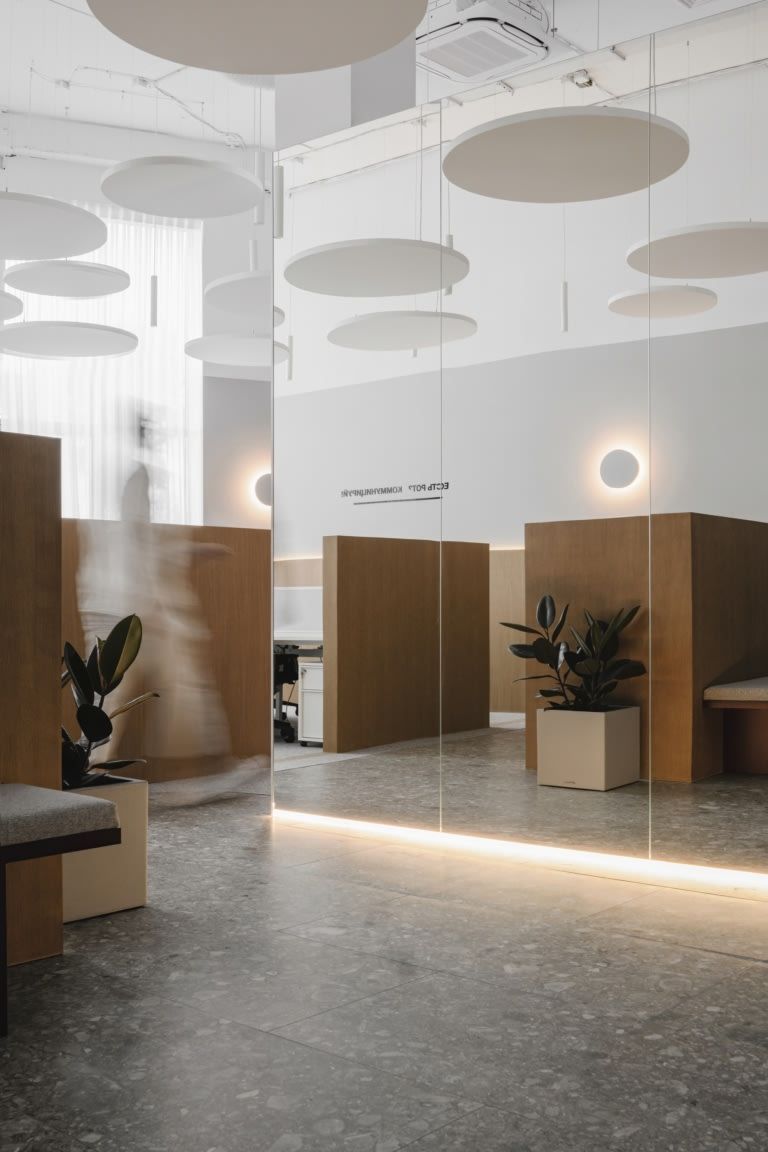
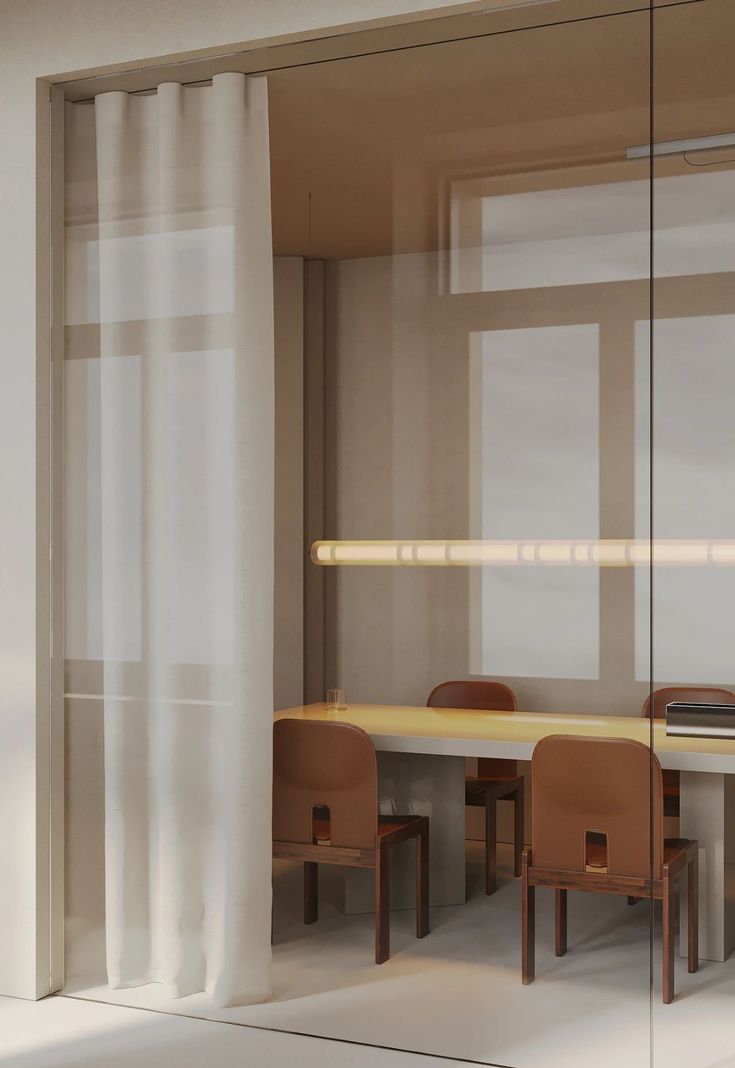
Smart Lighting Is Less About Impressing People Than Keeping Them Awake
Lighting technology tends to be marketed theatrically. You know exactly what it means, the automated scenes, motion-responsive systems, and entire offices adjusting themselves with cinematic precision.
In reality, most people simply want to work without feeling exhausted by 3PM (especially with the food coma…) This is where smart lighting becomes genuinely valuable within office technology integration. Not because it performs tricks, but because it responds more intelligently to how workplaces actually function.
Some clickbait that everyone would be susceptible to – Lighting that adjusts according to daylight reduces unnecessary brightness. Zoned systems allow different areas to support different activities. Breakout spaces feel softer and more relaxed, while focused work areas maintain clarity without becoming clinical.
Done properly, smart lighting becomes almost invisible. People rarely walk into an office complimenting the automation. They simply notice that the space feels easier to exist in for long periods of time. Which to us, is arguably the more impressive outcome.
.
Meeting Rooms Have Quietly Become Broadcasting Studios
The modern meeting room no longer serves just the people physically inside it. Calls are hybrid, presentations are shared remotely. Even discussions happen across multiple screens, devices, and locations simultaneously. Yet many offices still treat AV systems as if plugging in an HDMI cable should somehow be sufficient.
This is why integrated AV has become one of the most important aspects of smart office Singapore design. A well-integrated system removes technical friction entirely; it’s the issues that happen generationally. Cameras that frame naturally, clear audio throughout, and screens that connect quickly without requiring ten minutes of collective troubleshooting before every meeting.
Strangely enough, that’s all it takes to change the tone of meetings themselves. People become more focused when technology stops interrupting the conversation every few minutes.
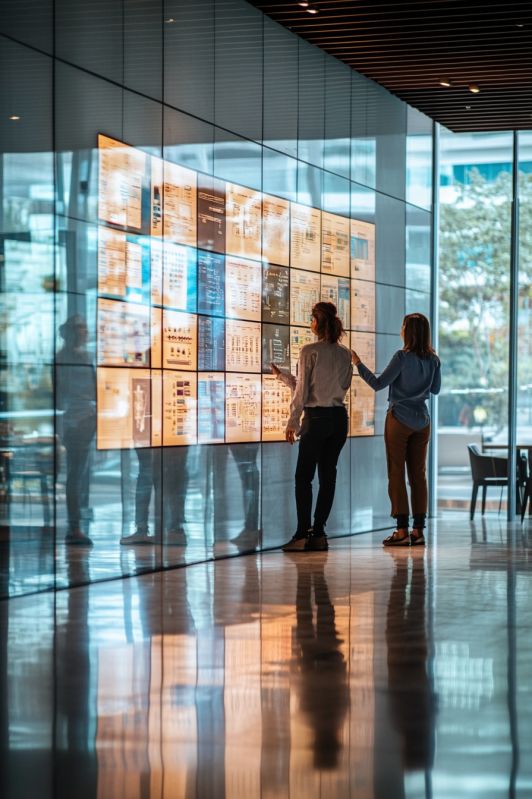
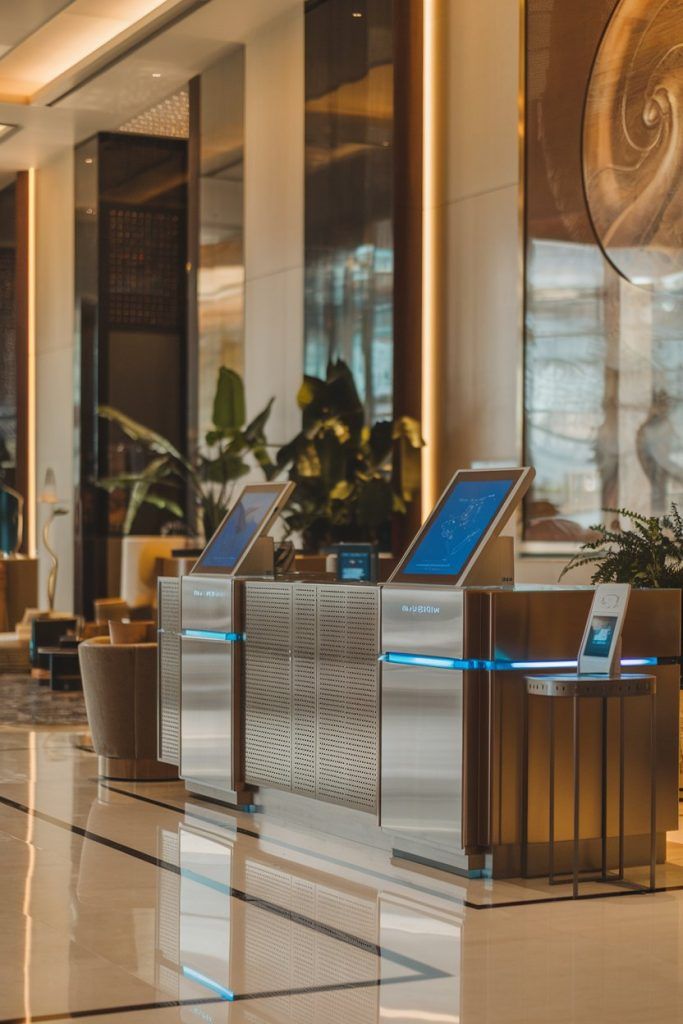
Visitor Experience Starts Before Anyone Says Hello
Reception design used to revolve around appearance. Today, it increasingly revolves around experience. Visitors now arrive expecting a level of seamlessness that mirrors the technology they use elsewhere in daily life. Straightforward digital check-ins, visitor notifications, and integrated access systems that quietly shape first impressions before a conversation even begins.
The irony is that the best visitor technology rarely feels particularly technological. All you feel is certainty about where to wait, clarity signing-in and no prolonged back-and-forth while someone tries to locate the right meeting room or contact person.
In commercial spaces, flow is often what people remember most, even when they cannot fully explain why the experience felt efficient.
Smart offices are often discussed as though they are defined by innovation alone.
But the most effective workplaces are not the ones with the most impressive systems. They are the ones where operations feel unusually seamless, almost without explanation. Over time, these details compound into something far more valuable than novelty.
They create a workplace that simply works better. Contact our design team at our Contact Us page, at our main line +65 63451730 or speak to our studio directors directly at +65 97386690 (Alicia)/+65 81234411 (Eugene) today!