
Office space has become increasingly valuable. Not just in terms of square footage, but in terms of how effectively every corner is used. As businesses evolve, so do the expectations placed on the workplace. A room that serves only one purpose often sits underutilised for large portions of the day, while other areas become overcrowded trying to accommodate multiple activities.
This shift has led many businesses to rethink how their offices are planned, where thoughtful office space planning Singapore becomes increasingly important. Because the most effective offices are not necessarily the largest ones.
They are the ones that know how to do more with what they have.
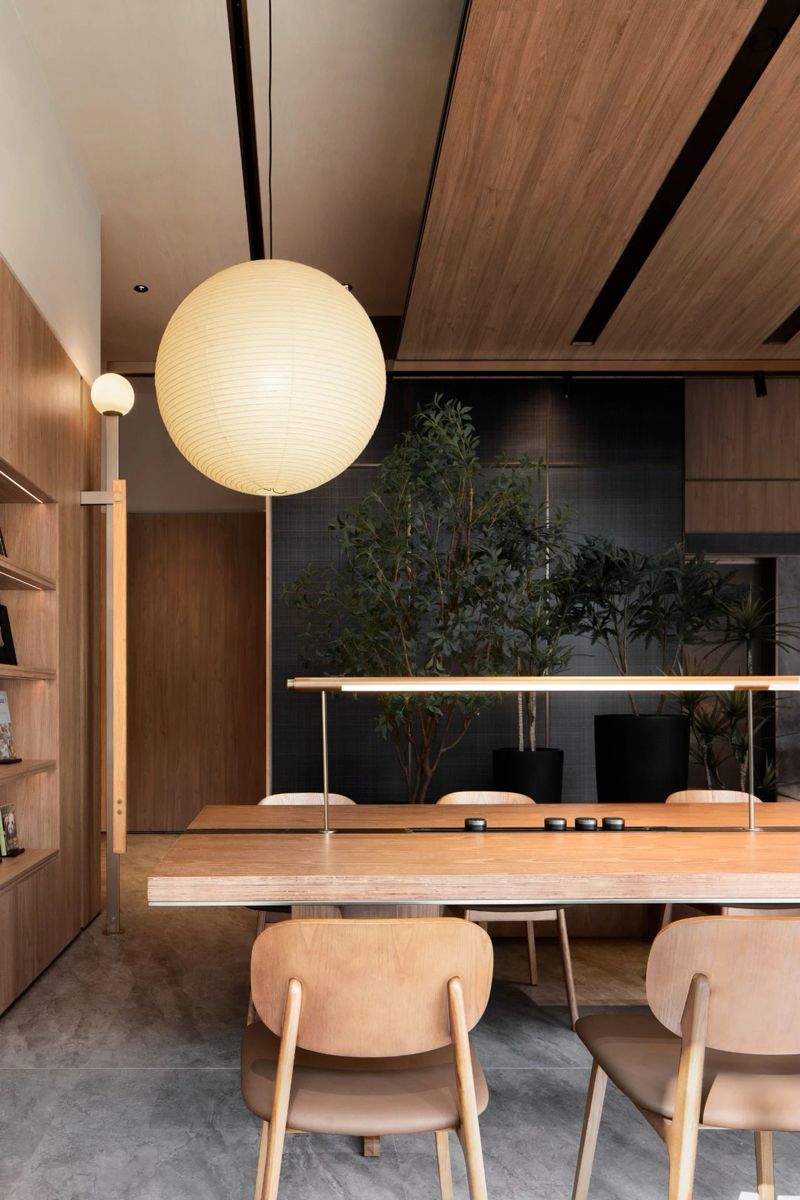
The End of Single-Purpose Spaces
Traditional office planning often divided the workplace into clearly defined functions. Meeting rooms were for meetings, pantries were for breaks. You get the idea. While straightforward, this approach assumes that every space will be used consistently throughout the day. In reality, office activity is far less predictable.
A training room may only be occupied once a week. A reception area might sit empty between client visits. A pantry may become the most popular gathering space in the office despite never being designed for it.
This is why multi-functional planning has gained momentum, rather than viewing flexibility as a compromise, businesses increasingly see it as an opportunity to improve both space efficiency and workplace experience. The question is no longer what a room is, I t is what else it can become.
When the Pantry Becomes the Most Popular Meeting Room
Few office spaces have evolved as dramatically as the pantry. What was once little more than a place to make coffee has become one of the most active areas within many workplaces.
Part of this shift comes from the changing nature of collaboration. Not every discussion requires a formal meeting room. In fact, some of the most productive conversations happen in more relaxed environments where people feel comfortable exchanging ideas naturally.
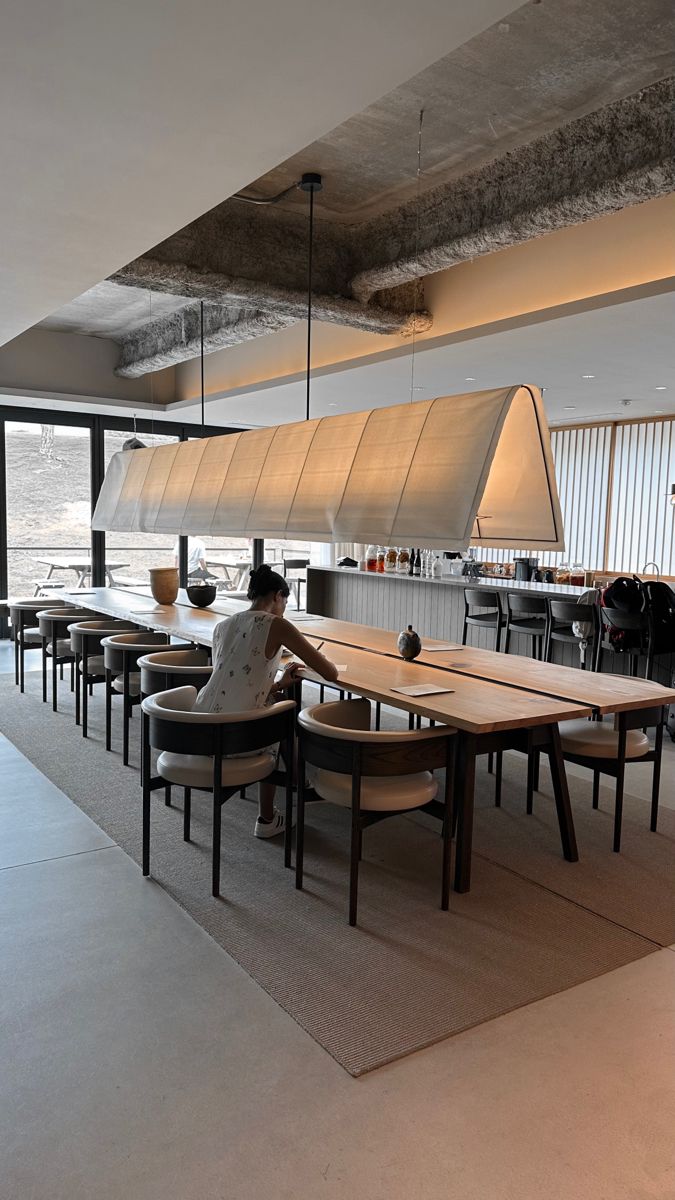
By incorporating communal tables, flexible seating, and thoughtful lighting, the pantry can become an informal meeting space without losing its primary purpose. The atmosphere also changes.
The Lounge That Welcomes Both Clients and Employees
Client waiting areas have traditionally been designed for a singular moment – arrival.
A comfortable seat, perhaps a coffee table, and a few minutes of waiting before a meeting begins. The challenge is that these spaces often spend most of their time empty. Meanwhile, employees search for alternative areas to hold informal discussions, take short breaks, or work away from their desks.
This creates an opportunity.
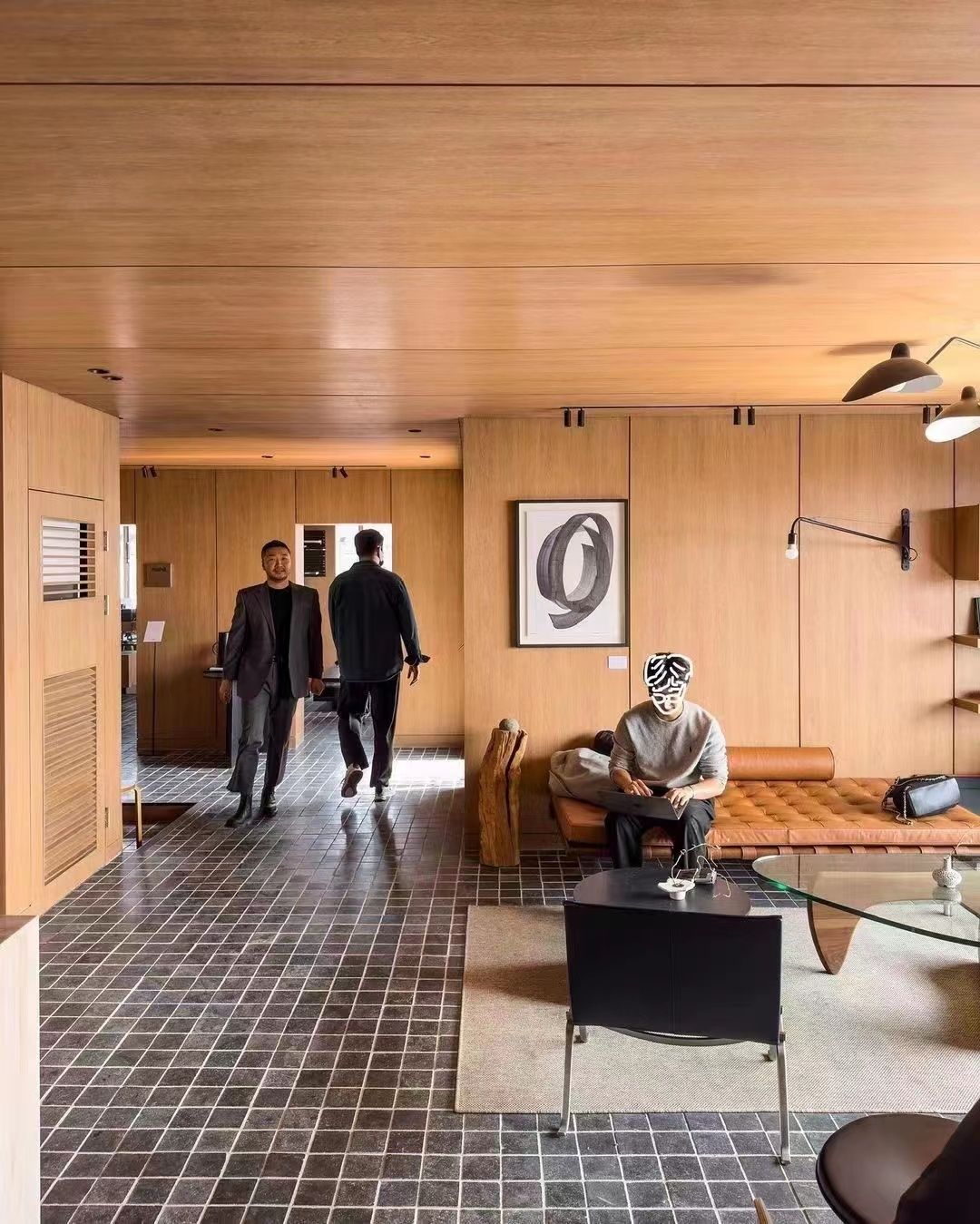
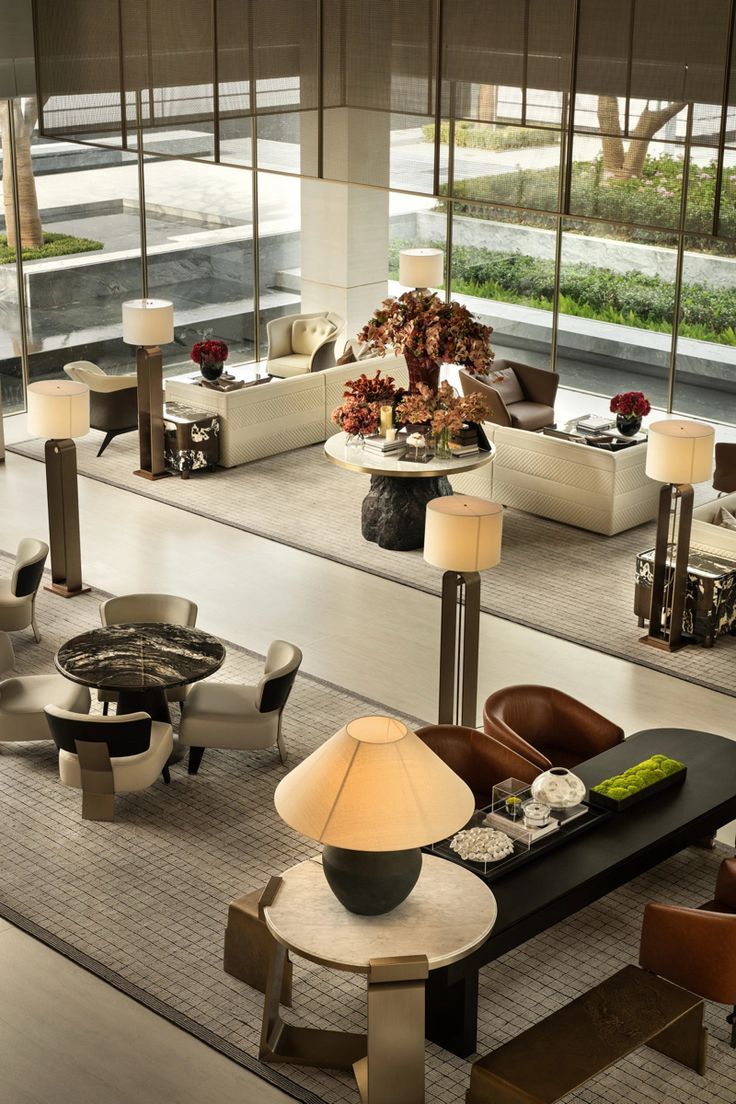
A thoughtfully designed lounge can comfortably accommodate both functions. It can provide a welcoming environment for visitors while also serving as an everyday workspace for employees. The key lies in balance.
The space should feel professional enough to represent the company yet relaxed enough to encourage casual use throughout the day. Durable materials, adaptable furniture, and carefully considered layouts allow the lounge to transition effortlessly between these roles. When done well, the distinction between “waiting area” and “workspace” begins to disappear.
.
Training Rooms That Work Harder
Perhaps no office space spends more time unused than the traditional training room. Large enough to accommodate groups, these rooms often remain vacant outside scheduled workshops or presentations.
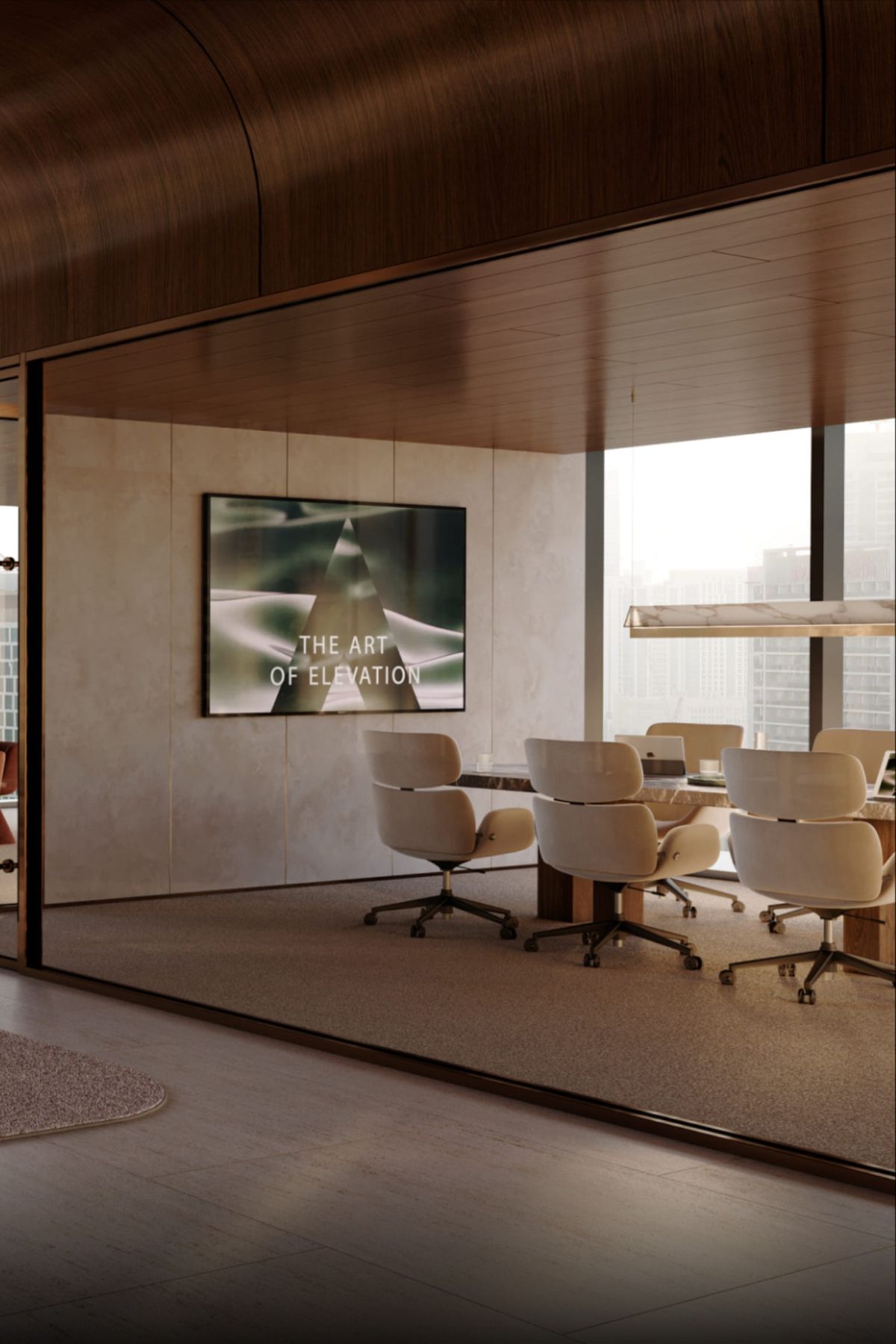
Yet, the qualities that make a training room effective also make it suitable for a variety of other functions. With flexible furniture and adaptable layouts, the same room can host internal town halls, client presentations, networking events, product launches, or company gatherings.
This approach not only improves utilisation but also increases the value of the space itself. Instead of occupying valuable square footage for occasional use, the room becomes an active part of the workplace ecosystem. Good office space planning Singapore recognises that flexibility is not about making spaces generic.
It is about designing them to accommodate change without losing purpose.
Why Flexibility Requires Planning
Since flexibility and adaptability is mentioned so commonly in the interior design industry, there is a common misconception that multi-functional spaces simply require movable furniture. In reality, flexibility begins much earlier.
A pantry that doubles as a meeting area still needs adequate sound control. A lounge that welcomes clients must maintain a certain level of professionalism. A training room that hosts events require technology infrastructure capable of supporting larger audiences.
Without these considerations, flexibility can quickly become frustration.
The most successful multi-functional spaces feel natural because the adaptability has been planned into the foundation of the design rather than added as an afterthought. It’s about knowing your base lines, and working to fit items as part of your puzzle.
Doing More Without Feeling Crowded
Now, an important distinction must be made between multi-functional and overcrowded. A space serving multiple purposes should not feel like it is trying to do everything at once.
Good design establishes clear priorities while allowing secondary functions to emerge naturally. Furniture placement, zoning strategies, and circulation paths all contribute to maintaining clarity even as the space adapts.
When this balance is achieved, the office feels more dynamic without becoming chaotic. And perhaps most importantly, the office feels larger than its actual footprint suggests.
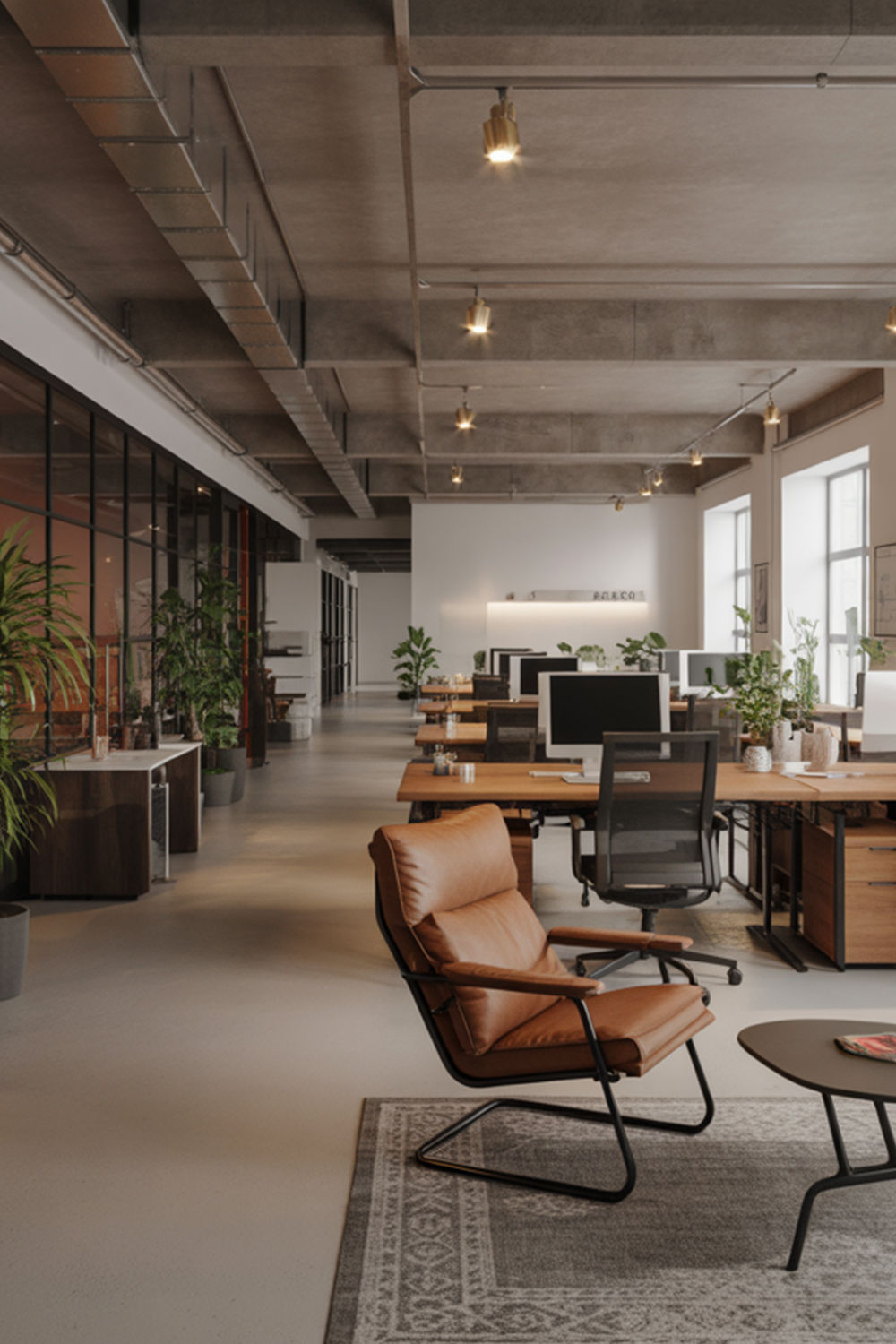
The future of workplace design is not necessarily about acquiring more space. It is about using existing space more intelligently. Because successful office space planning Singapore is no longer about assigning a single purpose to every room.
It is about designing spaces capable of supporting many. Contact our design team at our Contact Us page, at our main line +65 63451730 or speak to our studio directors directly at +65 97386690 (Alicia)/+65 81234411 (Eugene) today!