
Every year brings a new design trend. One year it is fluted panels. The next, curved furniture. Then comes a colour palette, a material, or a feature that suddenly appears in every renovation feed and showroom.
There is nothing inherently wrong with trends, often they reflect changing lifestyles, emerging technologies, or fresh perspectives on how homes can be designed. The challenge arises when homeowners mistake trendiness for longevity.
Because while trends can make a home feel current today, they do not always guarantee it will feel relevant five or ten years from now.
This is why many homeowners are beginning to prioritise timeless interior design Singapore projects over trend-driven ones. The goal is not to avoid contemporary design altogether, but to create spaces that continue to feel considered long after the excitement of a particular style has faded.
After all, a renovation typically lasts much longer than a trend cycle.
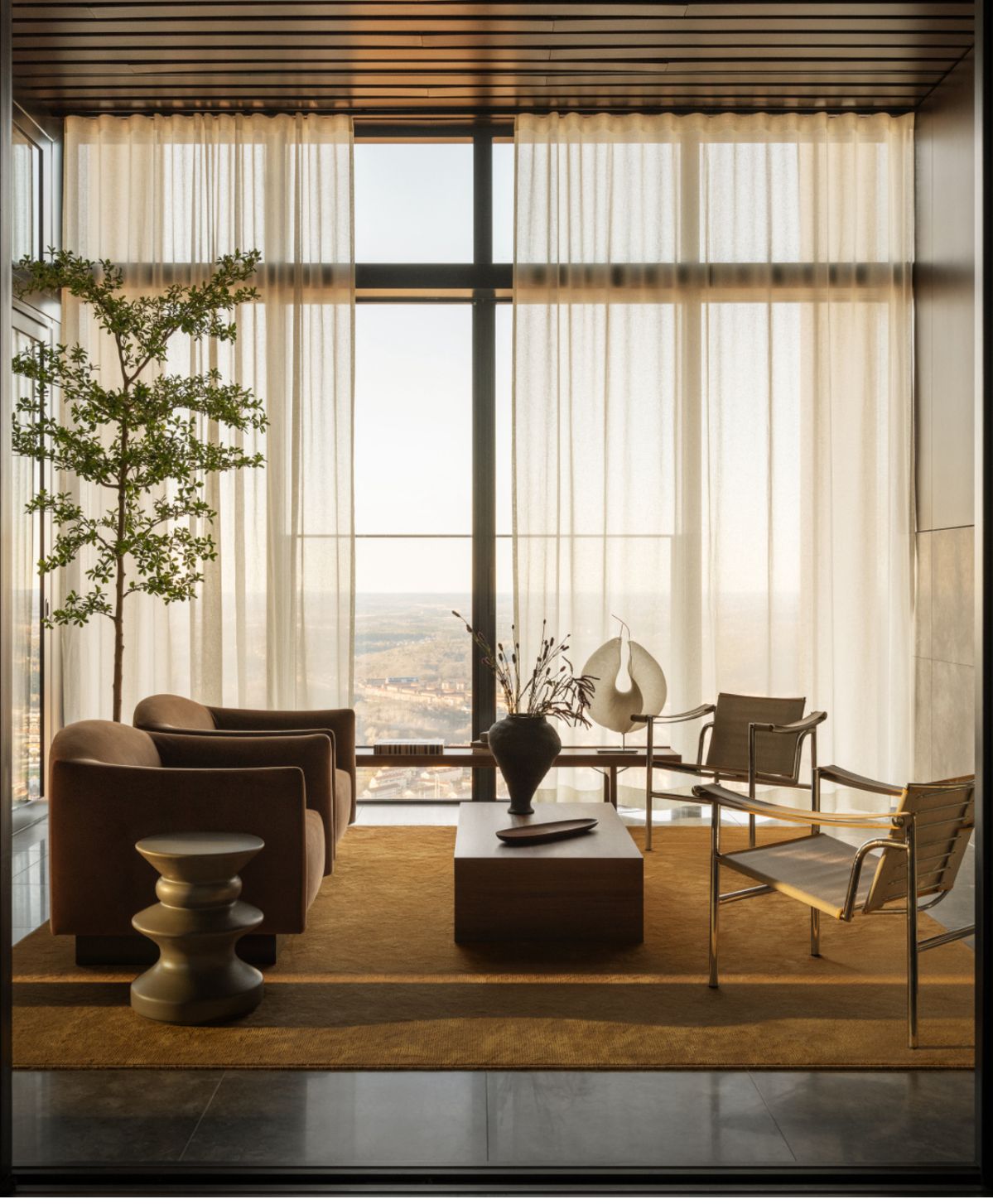
Designing Homes That Age Well (Not Just Trend Well)
Every year brings a new design trend. One year it is fluted panels. The next, curved furniture. Then comes a colour palette, a material, or a feature that suddenly appears in every renovation feed and showroom.
There is nothing inherently wrong with trends, often they reflect changing lifestyles, emerging technologies, or fresh perspectives on how homes can be designed. The challenge arises when homeowners mistake trendiness for longevity.
Because while trends can make a home feel current today, they do not always guarantee it will feel relevant five or ten years from now.
This is why many homeowners are beginning to prioritise timeless interior design Singapore projects over trend-driven ones. The goal is not to avoid contemporary design altogether, but to create spaces that continue to feel considered long after the excitement of a particular style has faded.
After all, a renovation typically lasts much longer than a trend cycle.
Why Some Homes Still Look Good After Ten Years
It is interesting how some homes seem to resist ageing. You walk into them years after they were completed and they still feel fresh, elegant, and comfortable. Not necessarily because they look new, but because they never relied on novelty in the first place.
These homes tend to have something in common; they prioritise proportion over decoration.
Rather than depending on a collection of eye-catching features, they focus on the fundamentals : balanced layouts, thoughtful material choices, and a consistent design language throughout the home.
As a result, they are less vulnerable to changing tastes. When trends shift, the home does not suddenly feel outdated because its appeal was never tied to a single fashionable idea.
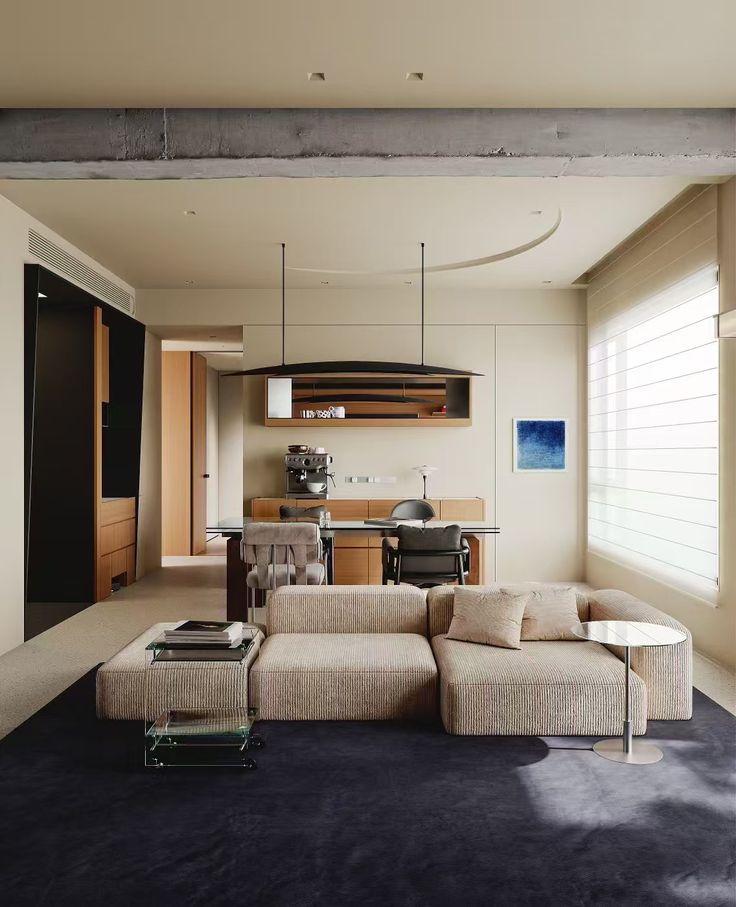
Futureproofing Starts With the Layout
Many people associate longevity with materials and finishes, but one of the most important aspects of a long-lasting home design is the layout itself.
A beautiful home can feel restrictive surprisingly quickly if it only works for a specific stage of life. A young couple may eventually need space for children; growing families may later find themselves living with ageing parents.
Homes that age well anticipate change. But this does not mean trying to predict every future scenario. Rather, it involves creating flexibility where possible. Spaces that can serve multiple purposes, furniture arrangements that can evolve and rooms that can adapt without requiring major renovations.
Layouts designed around rigid assumptions often age faster than those designed around adaptability. Because while trends change, life changes even faster.
.
Materials Should Mature Gracefully
One of the clearest differences between a home that ages well and one that does not often boils down to materials.
Some finishes look impressive when first installed but begin showing wear in ways that feel accidental or neglected. Others develop character over time, becoming more attractive as they age. Natural materials are often valued for this reason. Wood gains richness, stone develops subtle variation. Certain metals acquire a patina that feels intentional rather than damaged. Maybe a little like your favourite bottle of wine.
This does not mean every home should be filled exclusively with natural materials. Practical considerations still matter. Durability, maintenance, and lifestyle requirements all influence material selection.
The key is choosing finishes that continue to feel appropriate as they evolve. In successful timeless interior design Singapore projects, ageing is not something the design fights against. It is something the design anticipates.
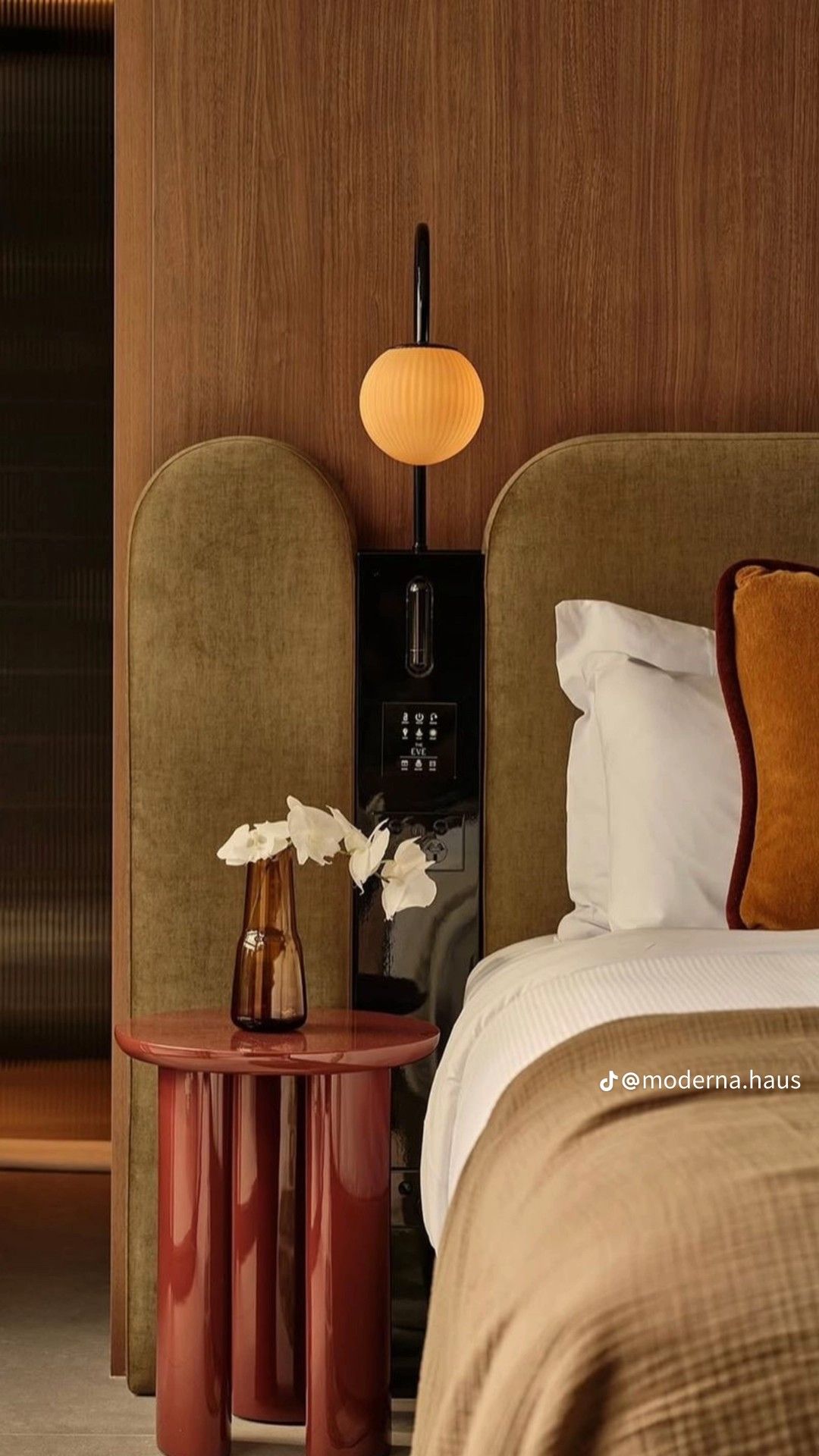
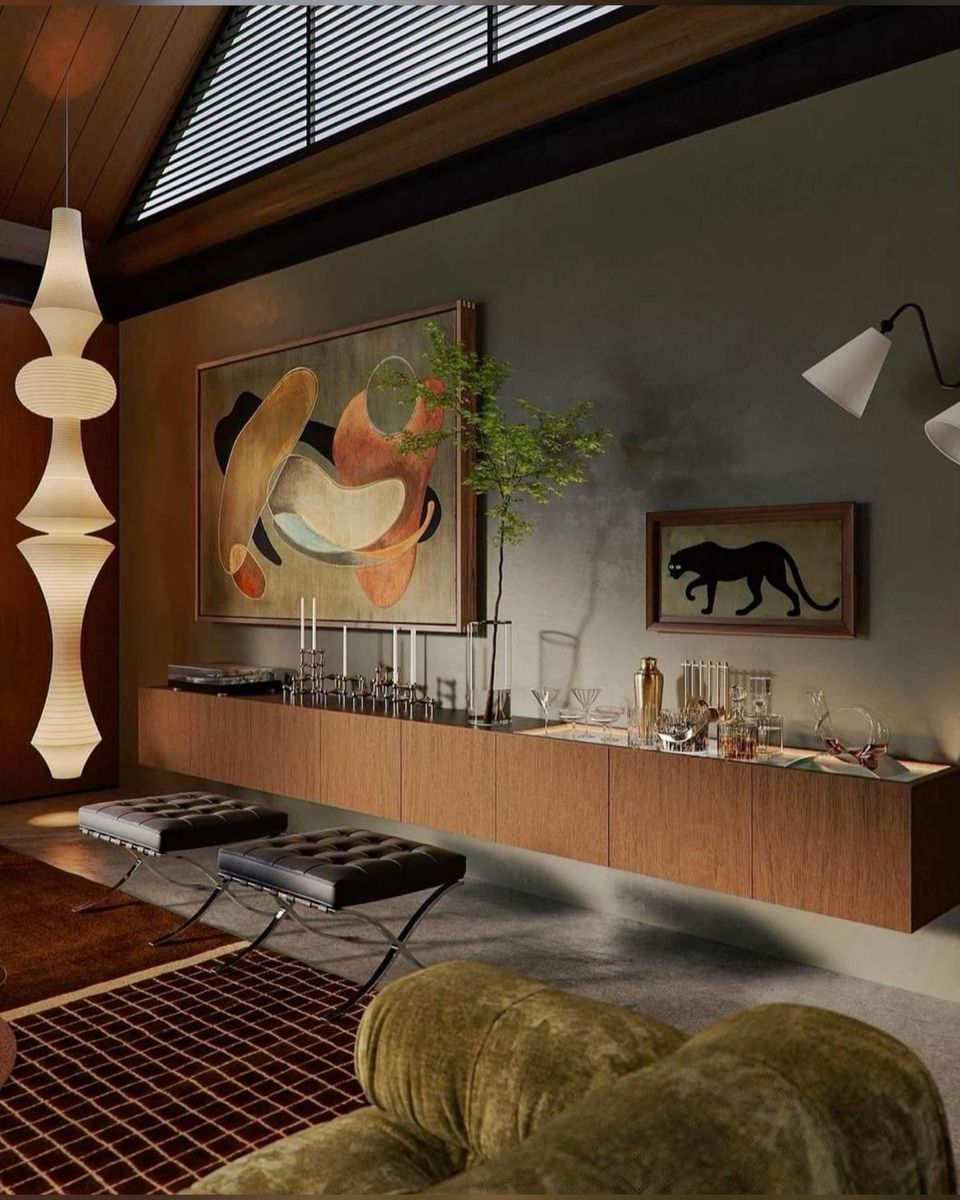
The Difference Between Trendy and Timeless
Timeless design is sometimes misunderstood as being plain. In reality, timeless homes often incorporate contemporary elements. The difference lies in how those elements are used.
Trend-focused interiors tend to centre the design around what is currently popular. Timeless interiors use trends more selectively, allowing them to complement rather than define the space.
For example, a home built upon strong spatial planning and a restrained material palette can comfortably accommodate trend-driven furniture, artwork, or décor. These elements can be updated over time without requiring the entire home to be reinvented.
The opposite is far more difficult. When the architecture of the home itself becomes heavily tied to a particular moment in design culture, updating it later often becomes costly and disruptive. This is why restraint frequently ages better than enthusiasm.
Good Design Prioritises Living, Not Just Looking
One of the reasons some homes lose their appeal over time is that they were designed primarily for visual impact. They photograph beautifully and attract attention immediately. On the other hand after daily use, practical shortcomings begin to emerge.
Storage feels insufficient, maintenance becomes demanding and certain design features become inconvenient to live with.
Meanwhile, homes designed around genuine lifestyle needs often remain enjoyable long after the initial excitement of renovation has passed. This is because good design is not simply about how a home looks. It is about how comfortably it supports everyday life. The most successful long-lasting home design projects understand that functionality never goes out of style.
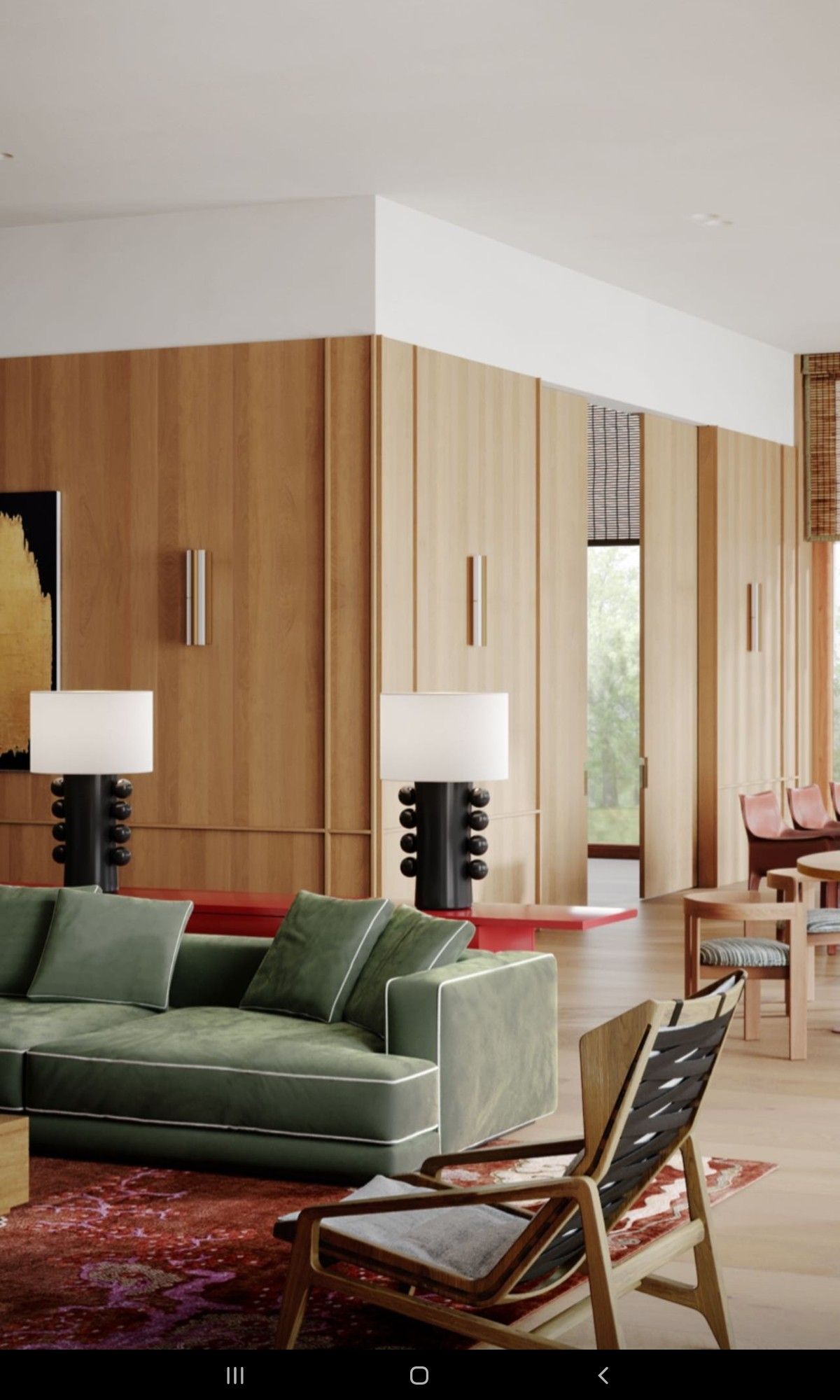
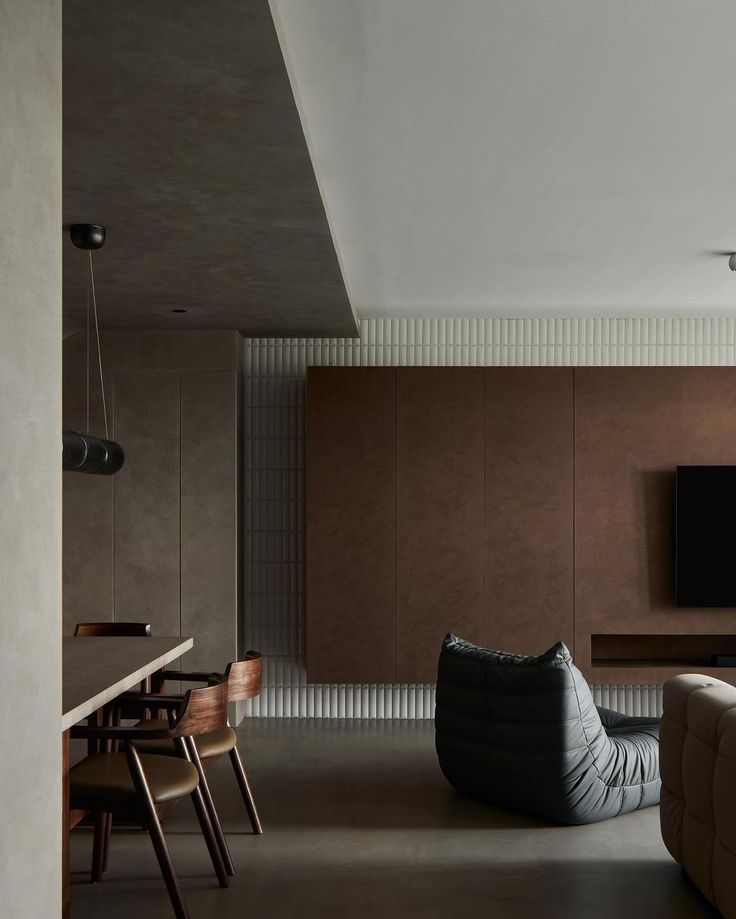
Timeless Homes Feel Effortless
There is often a sense of calm in homes that age well. Ironically, just like in humans, creating this sense of effortlessness often requires tremendous discipline.
It means resisting the temptation to include every trend, making decisions that prioritise longevity over immediate excitement. Designing for how the home will feel years from now, not just on handover day. The result is a home that remains relevant because it was never chasing relevance in the first place.
Trends will always come and go.
For homeowners embarking on a timeless interior design Singapore project, the objective should not be to avoid trends entirely.
It should be to create a home that remains enjoyable, functional, and beautiful long after those trends have moved on. Because the best homes do not just look good when they are completed. They continue to look good years later. Contact our design team at our Contact Us page, at our main line +65 63451730 or speak to our studio directors directly at +65 97386690 (Alicia)/+65 81234411 (Eugene) today!