
Few spaces feel quite as indulgent as a walk-in wardrobe. For many homeowners, it represents a small luxury. A dedicated space for organisation, getting ready in the morning, and perhaps even a little moment of calm before the day begins. It is easy to see why walk in wardrobe in Singapore home searches continue to grow in popularity.
Yet despite the appeal, walk-in wardrobes are often approached as though they are simply larger wardrobes. More hanging space, more shelves, more storage. In reality, the difference between a wardrobe that feels considered and one that feels frustrating often has very little to do with size.
Because much like kitchens, walk-in wardrobes are spaces that rely heavily on planning. They need to support routines, accommodate changing lifestyles, and function comfortably over many years. And as many homeowners discover, there are a few details that tend to be overlooked until daily use begins.
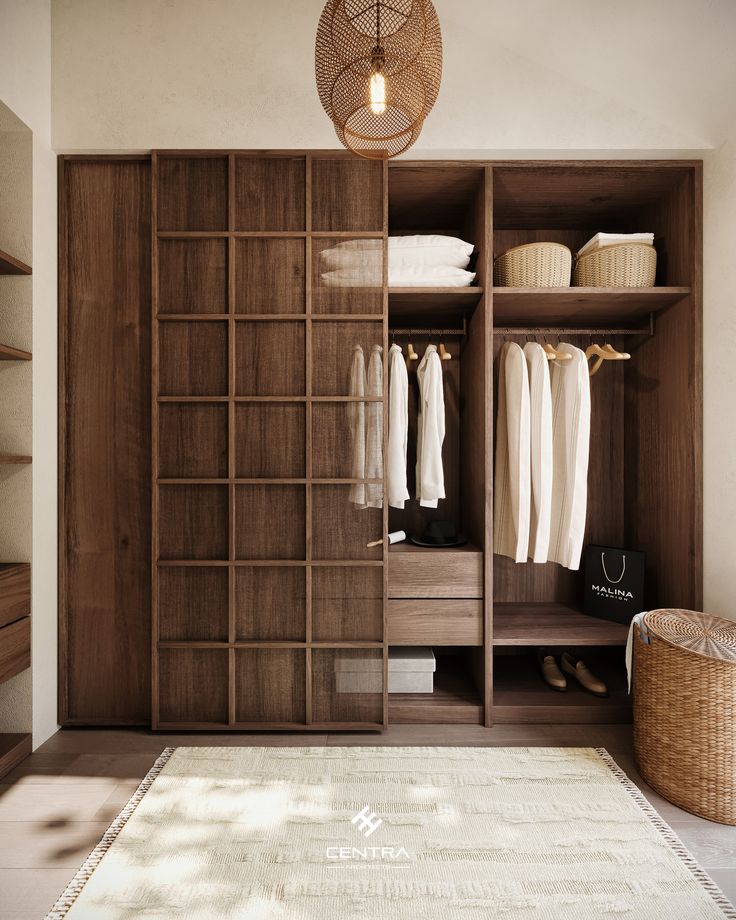
It Is Not About How Much Space You Have, But How You Move Through It
A common assumption is that if there is enough room to fit cabinetry on either side, then a walk-in wardrobe will automatically work. Unfortunately, wardrobes do not function particularly well when every available centimetre is dedicated to storage.
Circulation matters.
There should be enough space to open drawers comfortably, access hanging sections without feeling restricted, and move around naturally while getting dressed. Even something as simple as bending down to reach lower compartments can become inconvenient when the layout feels too compressed.
This is especially relevant in Singapore homes, where spatial efficiency is often prioritised. The temptation to maximise storage is understandable, but overdesigning a wardrobe can make it feel more like a corridor lined with cabinets than a space designed for everyday routines. A well-planned wardrobe should feel comfortable to inhabit, not simply efficient to measure.
Lighting Does More Than Help You See
Lighting is one of the most underestimated elements within a wardrobe. Many homeowners assume a single ceiling light is sufficient, only to realise later that shadows appear exactly where visibility matters most.
Dark corners make colour matching difficult, shelves become harder to navigate and little details that seemed obvious in daylight suddenly disappear in the evening.
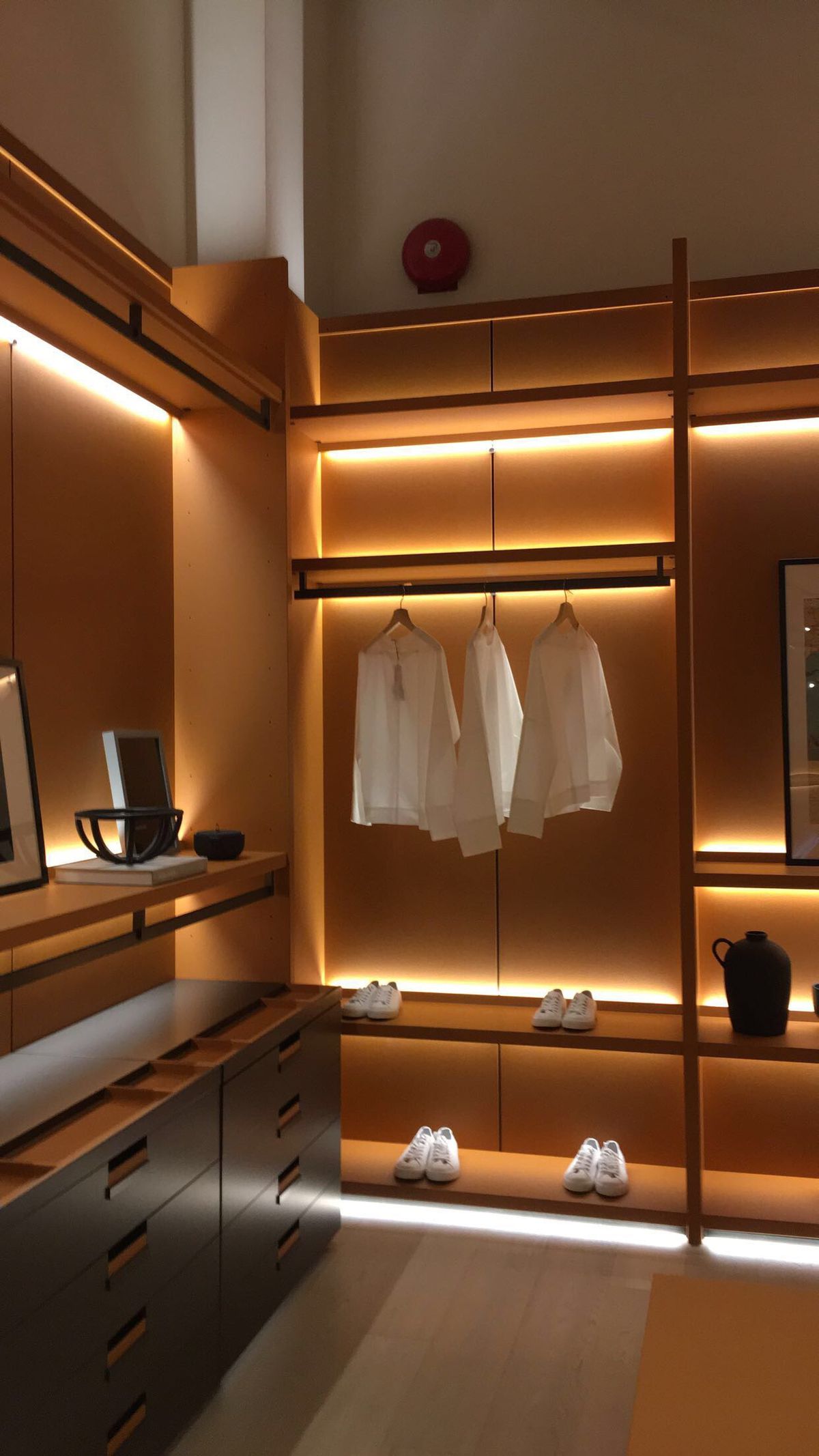
Thoughtful lighting design transforms the experience entirely. Integrated LED strips within cabinetry improve visibility while adding a sense of refinement. Accent lighting can highlight display areas, while softer ambient lighting creates a more welcoming atmosphere.
More importantly, good lighting supports functionality. A wardrobe should help simplify mornings, not turn them into an exercise in searching for actually black clothing in poor lighting.
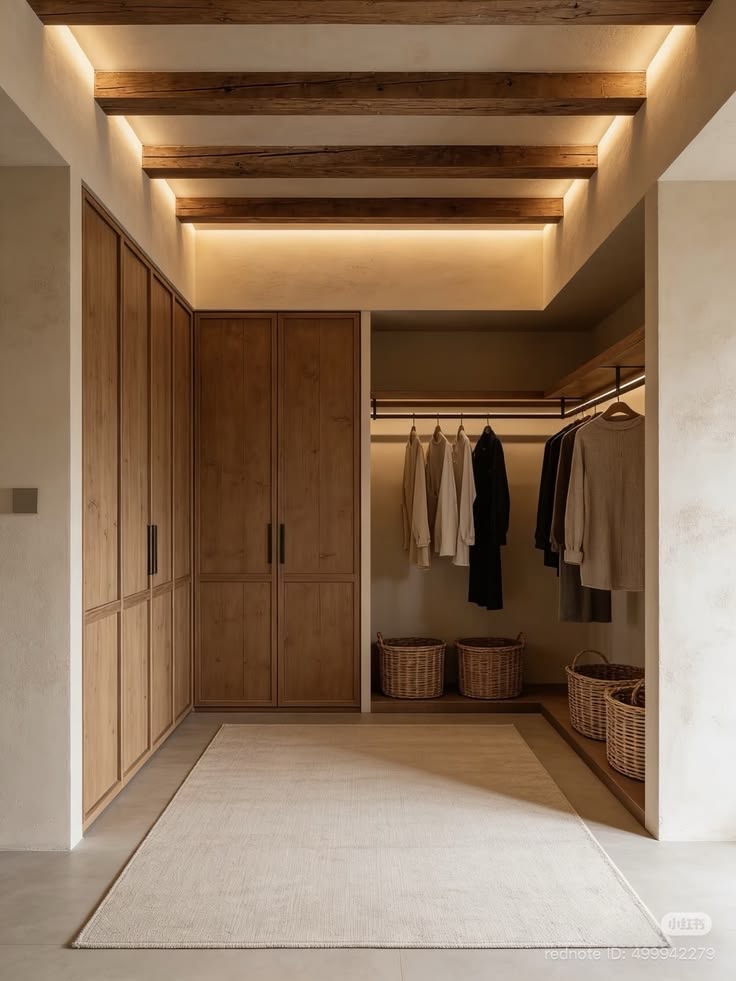
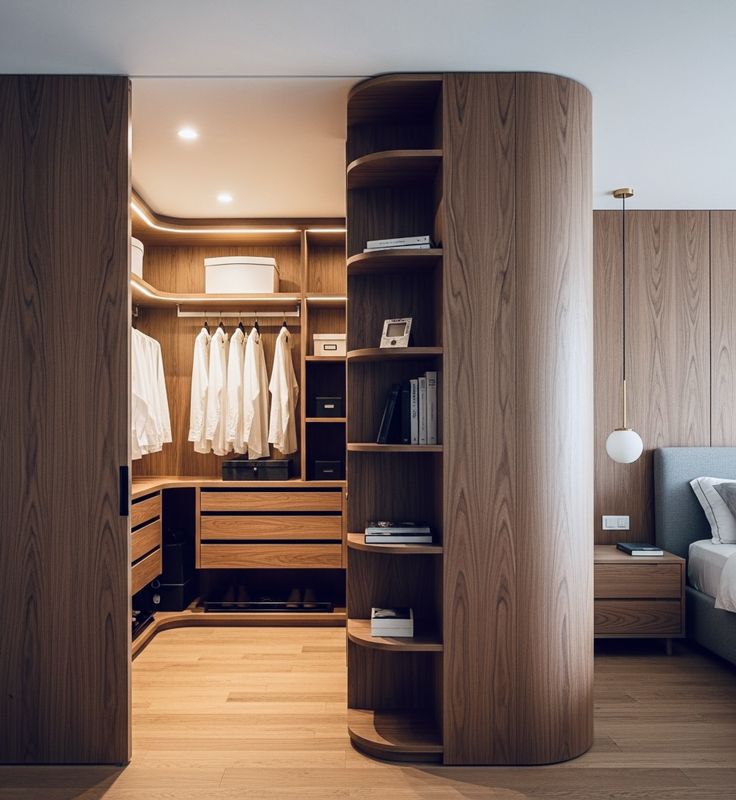
Open Storage Looks Beautiful, Until Reality Arrives
There is a reason open wardrobes appear so appealing in magazines and showrooms. Everything feels curated. Bags are displayed elegantly. Shoes sit perfectly aligned. The clothing contributes to the overall aesthetic of the room.
In reality, however, open storage requires commitment. Not everyone folds clothes identically, or even “aesthetically”. Not every handbag deserves permanent display status, and very few people maintain showroom conditions every day of the year.
This does not mean open storage should be avoided altogether. Rather, it should be used strategically. Frequently used items may benefit from accessibility, while enclosed compartments can help maintain visual calm. Seasonal clothing, miscellaneous belongings, and less attractive necessities often benefit from being concealed behind doors.
The most successful walk-in wardrobe Singapore projects rarely choose one approach exclusively. Instead, they balance openness with practicality, allowing the wardrobe to feel elegant without demanding perfection.
Accessories Need a Home Too
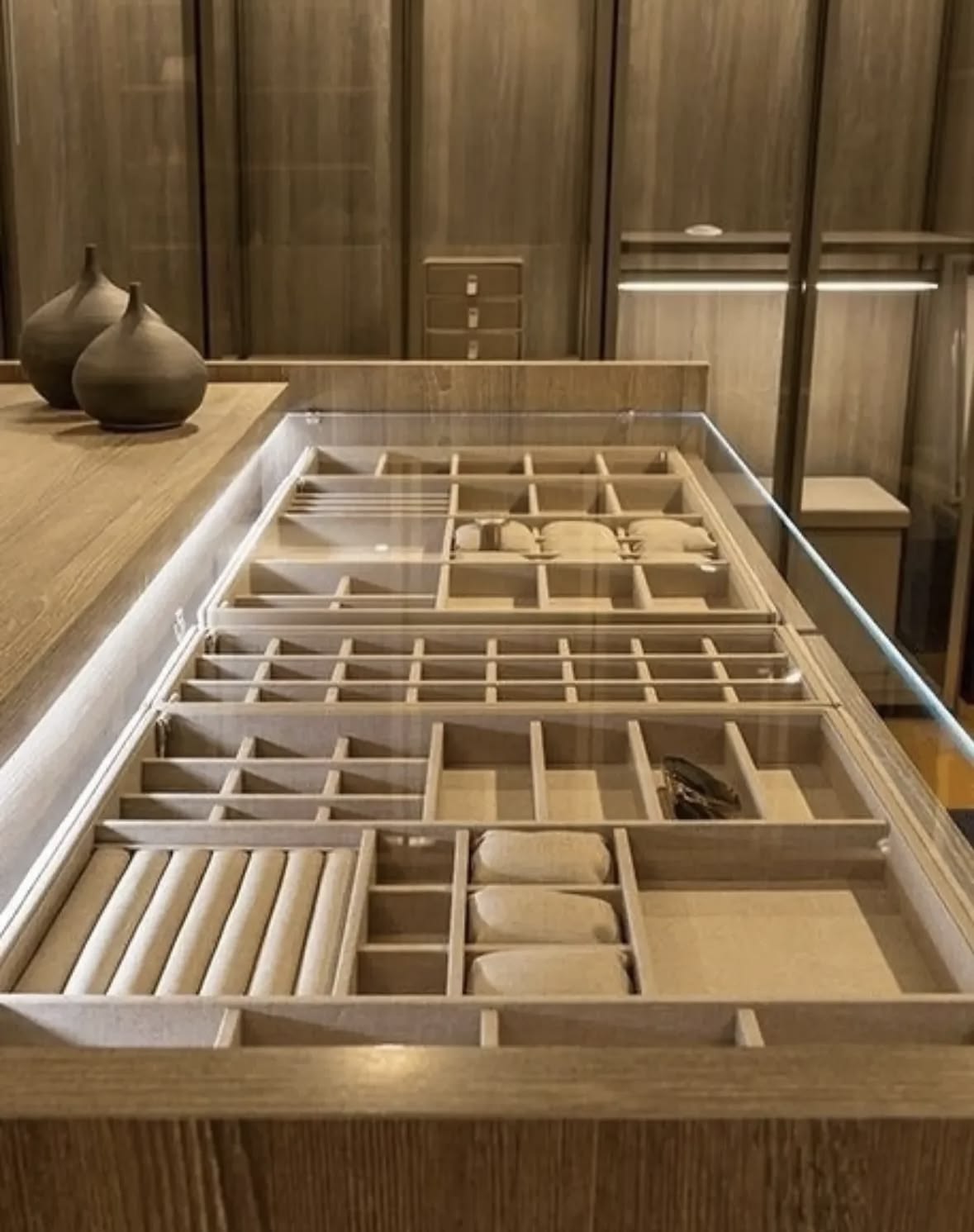
Wardrobe planning tends to focus heavily on hanging space. Shirts, dresses, jackets, trousers. But it is often the smaller items that create disorder over time. Jewellery becomes scattered across surfaces and watches occupy random drawers. Belts disappear into corners and sunglasses migrate between handbags and bedside tables. It’s always those from long days where you just want to be done with it.
These details may seem minor individually, yet collectively they shape how organised the wardrobe feels. Dedicated compartments, velvet-lined trays, pull-out organisers, and custom inserts all contribute towards making accessories easier to locate and maintain.
Good storage is rarely about quantity alone. It is about giving everything a logical place to belong. Because organisation feels effortless when systems exist quietly in the background. No more of haphazardly looking for what you need when you’re late.
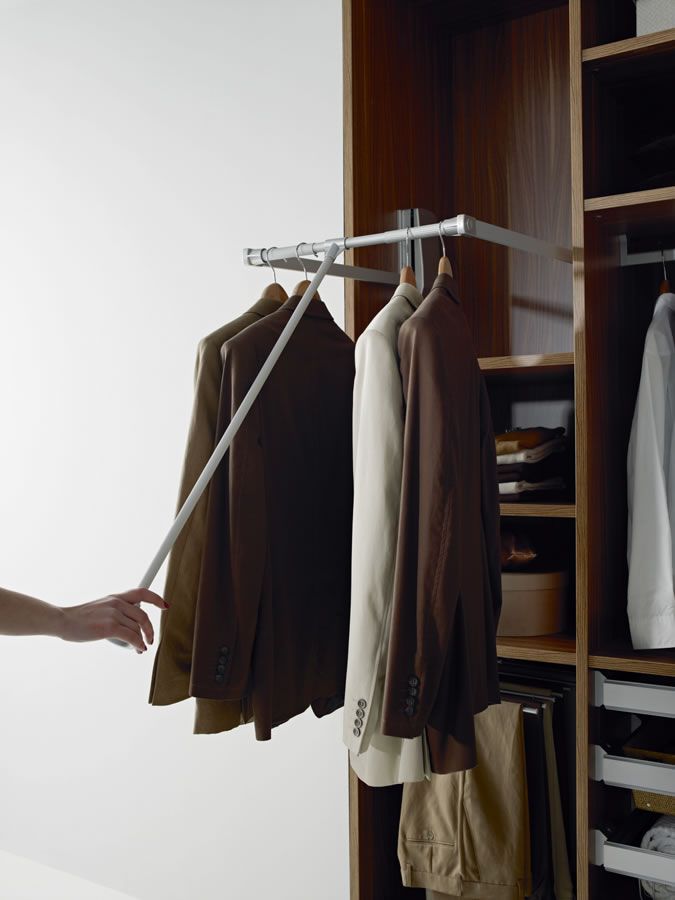
Design for the Person You Will Become, Not Just the Person You Are Today
Perhaps the most overlooked aspect of wardrobe design is future flexibility. Wardrobes often remain unchanged for many years. Yet lifestyles evolve. Collections grow, priorities shift and new hobbies emerge. A wardrobe designed too rigidly around current needs can begin to feel restrictive surprisingly quickly.
This is why flexibility matters. Adjustable shelving, adaptable compartments, and layouts that accommodate changing storage requirements allow wardrobes to evolve naturally over time.
The objective is not to predict every future scenario. It is to avoid designing spaces that only work perfectly for a single moment in life.
Luxury Is Really About Ease
Walk-in wardrobes are often associated with luxury, but perhaps luxury is not about having more storage. Perhaps it is about having a space that feels easy to use. Where getting dressed feels calm rather than rushed. With everything visible, accessible, and intuitively organised. And when the experience supports daily routines instead of complicating them. In that sense, a well-designed wardrobe offers something more valuable than additional cabinetry. It offers convenience. And convenience, after all, may be one of the most underrated luxuries in modern homes.
Before You Plan a Walk-In Wardrobe
Before finalising a walk-in wardrobe, consider five things: circulation space, drawer clearance, lighting, the balance between open and enclosed storage, and whether the internal layout can adapt over time. These details often matter more in daily use than the total amount of cabinetry.
For homeowners considering a walk-in wardrobe Singapore project, the question should not simply be how much storage can fit into the space.
Because the best wardrobes are not necessarily the largest. They are the ones that continue working beautifully, year after year. Contact our design team at our Contact Us page, or speak to our studio directors directly at +65 97386690 (Alicia)/+65 81234411 (Eugene) today!