
Few features have become as synonymous with modern kitchens as the island. Mention a dream kitchen, and chances are an island appears somewhere in the conversation. It is where people imagine sipping coffee in the morning, entertaining guests in the evening, and somehow looking effortlessly put together while cooking.
Yet beyond the Pinterest boards and beautifully styled interiors lies a practical question: do homeowners actually need a kitchen island? This is why planning a kitchen island Singapore project involves more than simply asking whether one will fit. The better question is whether it genuinely improves the way the home is used.
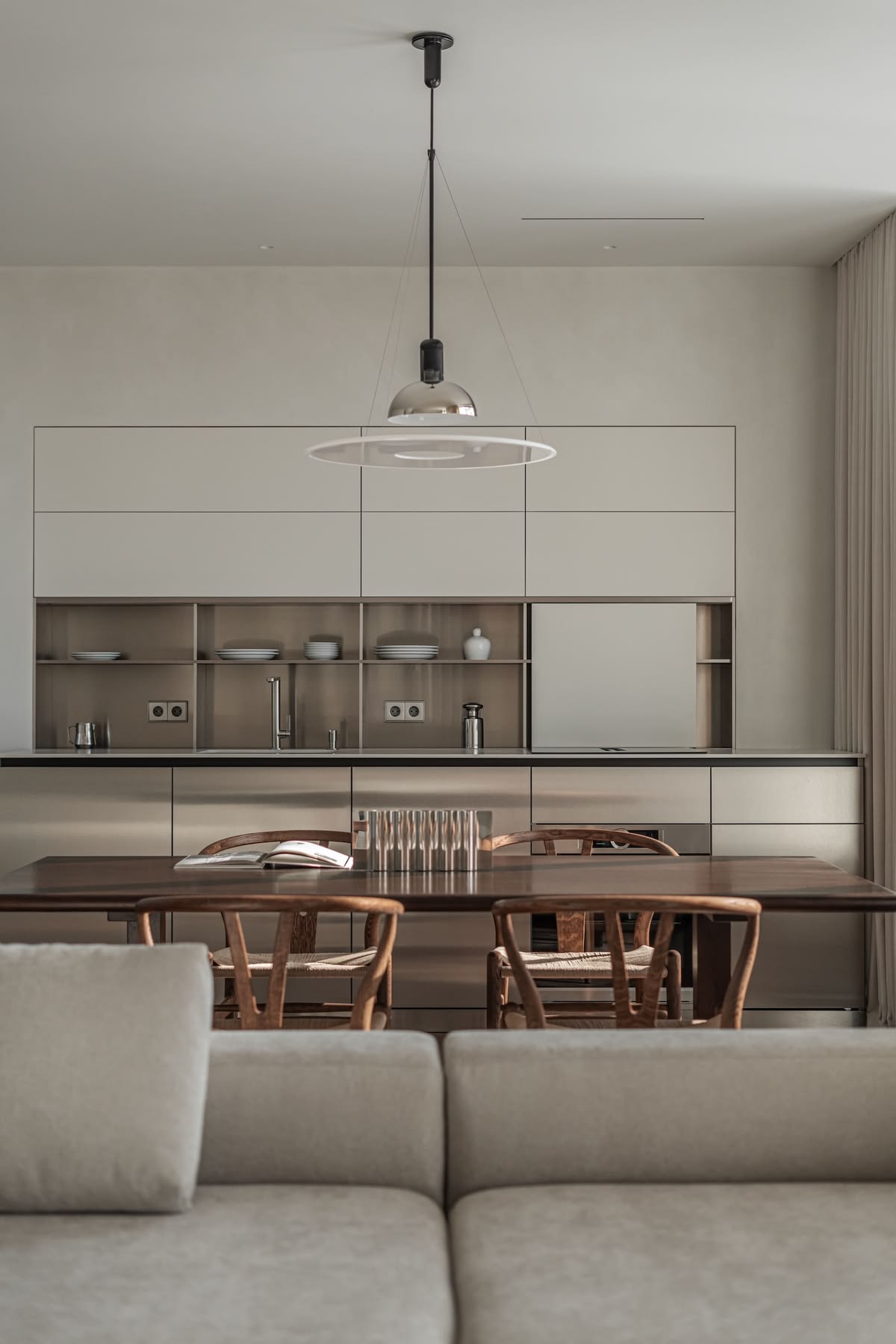
Not Every Kitchen Has Room for an Island
There is a common misconception that every kitchen benefits from having an island. Well… granted that’s the narrative social media pushes, the reality is somewhat less glamorous.
A kitchen island only works when there is sufficient circulation space around it. People need to move comfortably between countertops, open drawers without obstruction, and navigate the kitchen without feeling like they are participating in an obstacle course.
Ironically, a kitchen without an island can often function better than one where an island has been inserted simply because it seemed like the expected design choice. Luxury, after all, is not about squeezing in every desirable feature, it is about creating a space that feels effortless to use.
Why Seating Changes Everything
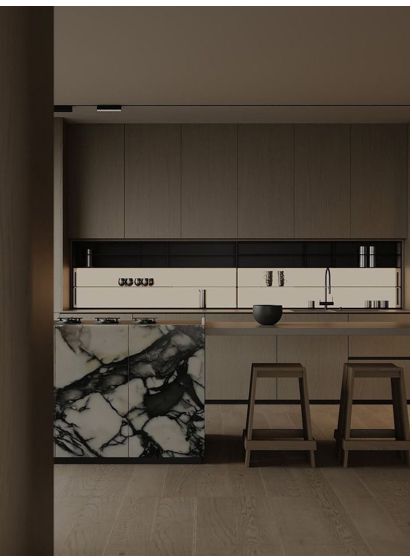
One of the reasons islands have become so popular is that they introduce a level of informality into the kitchen. Traditional dining areas often imply a specific occasion – breakfast, lunch, dinner, or perhaps the occasional gathering.
Island seating feels intrinsically different, people sit for a quick coffee, and hosted guests naturally gather nearby without feeling like they are interrupting the cooking process. This social flexibility is what elevates an island beyond simply being additional countertop space.
Of course, seating requires thoughtful planning. Legroom, counter height, and the number of seats all influence comfort. Too many stools can make the space feel crowded, while insufficient overhang can quickly remind homeowners that aesthetics and ergonomics are not always the same thing. A beautiful island is appealing, but a comfortable island is the one people actually use.
Storage Is Always Welcomed… But Not Always Necessary
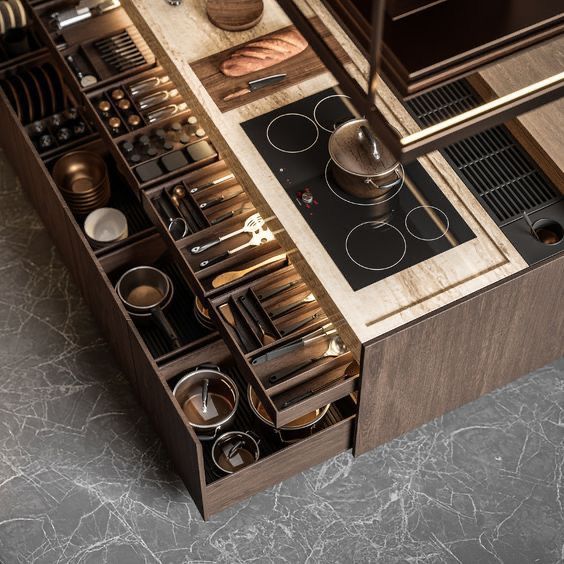
There are few phrases make homeowners light up more than “additional storage.” Kitchen islands certainly offer opportunities to increase storage capacity, but perhaps the more important consideration is what the storage is intended for. Frequently used cookware? Small appliances? Dining essentials? Seasonal items? These are things that owners often only think about when staring at the empty cabinets, still they are the most important to consider beforehand.
Without a clear purpose, extra storage has a tendency to become miscellaneous storage, the final destination for objects that never quite found a proper home elsewhere. The most effective kitchen island Singapore projects do not simply maximise storage quantity. They improve workflow. Because storage is not particularly valuable if it merely relocates clutter.
The Island Has Quietly Become the Social Centre of the Home
Perhaps the biggest transformation brought about by kitchen islands has little to do with cooking, it has to do with gathering. People naturally gravitate towards islands, guests lean against them while chatting, family members linger nearby. Conversations continue uninterrupted while meals are prepared.
Unlike dining tables, islands encourage casual interaction. With less pressure, people arrive and leave freely. They sit briefly or stay for hours. The kitchen remains active, but the atmosphere feels relaxed. What people want is the option of doing something, sometimes.
This shift reflects broader lifestyle changes that we as interior designers take note of. And our theory is that homes today are increasingly designed around interaction rather than separation. Perhaps from the recent pandemic, people’s values have changed.
The island supports this dynamic remarkably well, which perhaps explains why so many homeowners view it as an aspiration, even before they fully understand how they intend to use it.
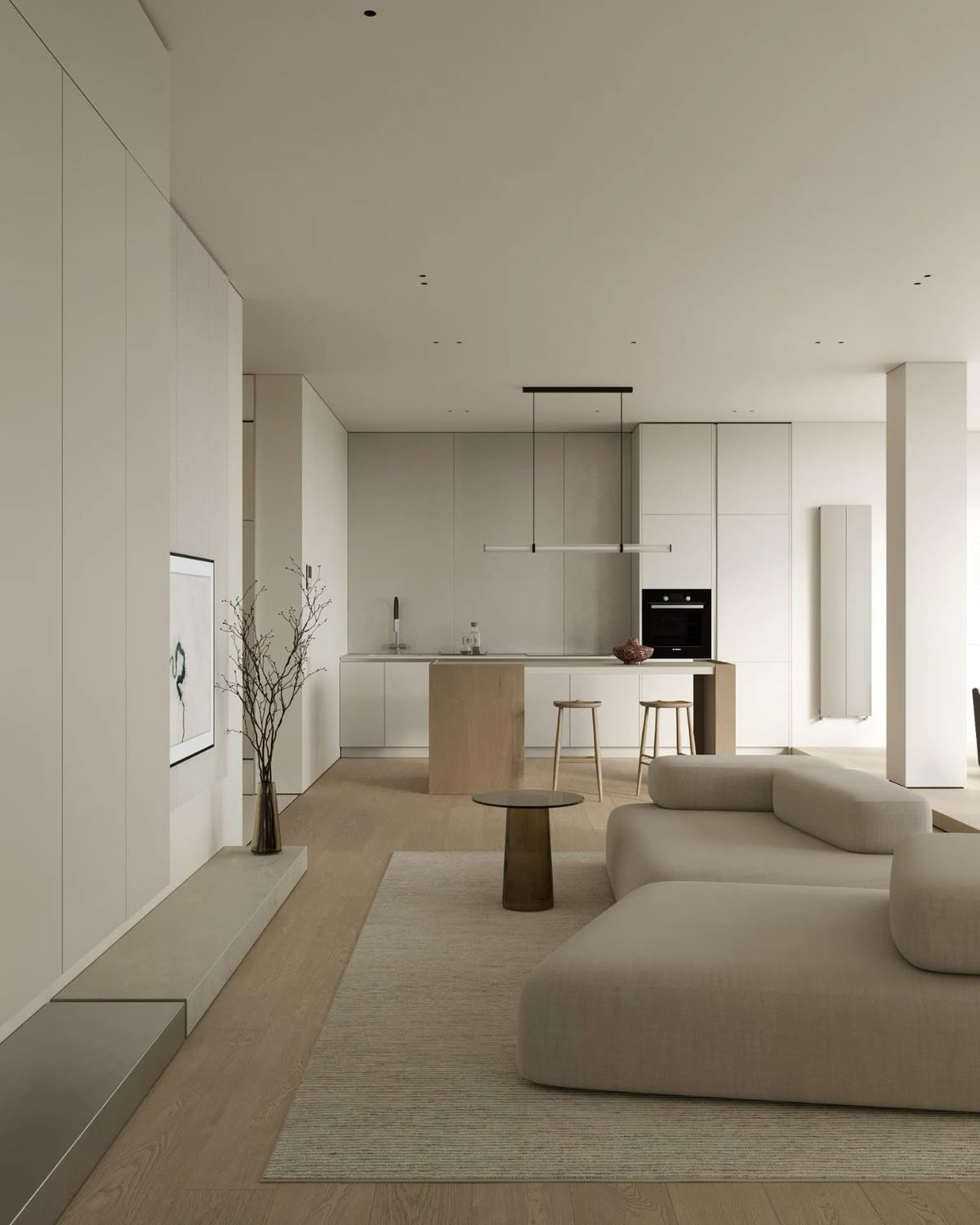
Smaller Homes Still Have Options
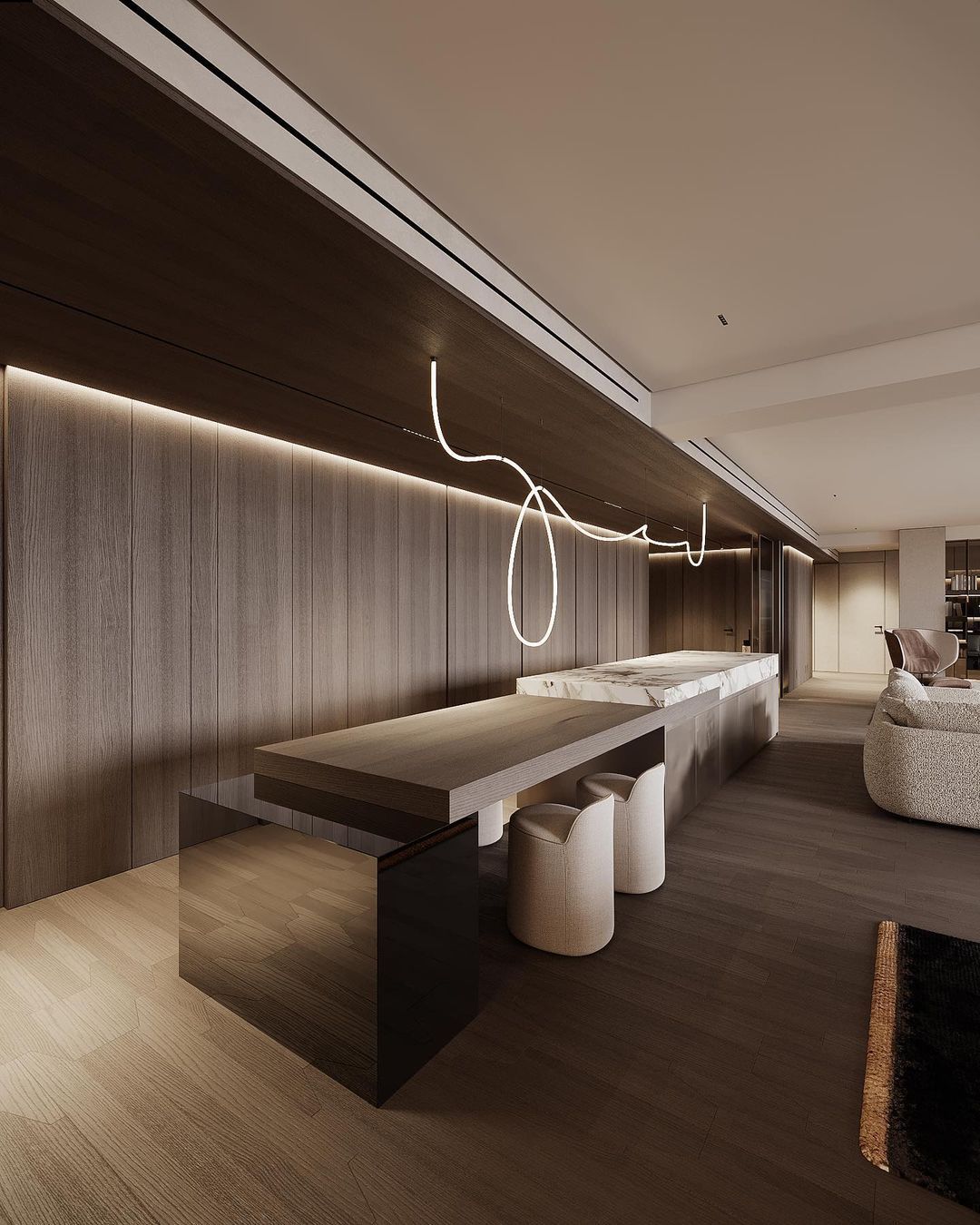
Not every kitchen has the luxury of generous floor space. In Singapore homes particularly, spatial efficiency often becomes a defining factor in design decisions. Fortunately, an island is not the only way to achieve its benefits.
Peninsulas offer additional workspace while remaining connected to existing cabinetry. Compact breakfast counters provide seating opportunities without requiring circulation on all sides. Movable islands introduce flexibility for homeowners who prefer adaptable layouts.
Sometimes, even a carefully designed dining extension can deliver many of the same social advantages. The goal should not be replicating a feature for the sake of having it. It should be understanding what role the feature serves. Good design is rarely about copying a particular format. It is about achieving the desired experience in the most suitable way.
Luxury or Practicality? Perhaps Both
Kitchen islands are often perceived as luxurious because they occupy space generously. Yet their enduring popularity suggests they are much more than a statement feature.
Of course, they are not universally necessary. Some kitchens function perfectly well without one. Others benefit enormously from their inclusion. The distinction lies in intentionality. An island designed around actual needs becomes highly practical. An island designed solely because it appears in every renovation inspiration board may not.
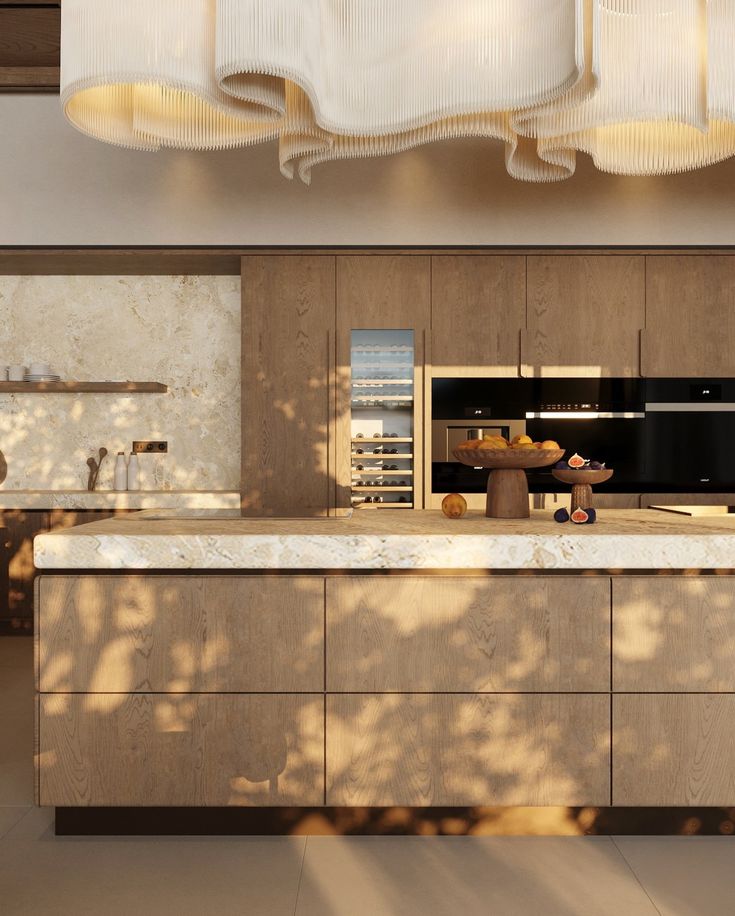
For homeowners considering a kitchen island Singapore project, the question is not simply whether there is enough room to fit one. It is whether it enhances the way the household lives. Contact our design team at our Contact Us page, at our main line +65 63451730 or speak to our studio directors directly at +65 97386690 (Alicia)/+65 81234411 (Eugene) today!