
Small bathrooms often get an unfair reputation. They’re seen as restrictive, difficult to design, and something homeowners simply have to “make do” with. It’s easy to assume that a luxurious bathroom requires generous square footage, but good design has a habit of proving otherwise.
Successful small bathroom design Singapore projects rarely focus on making the room physically bigger. Instead, they focus on making it feel bigger. Because while square metres may be fixed, perception is remarkably flexible.
The Eye Believes What It Sees
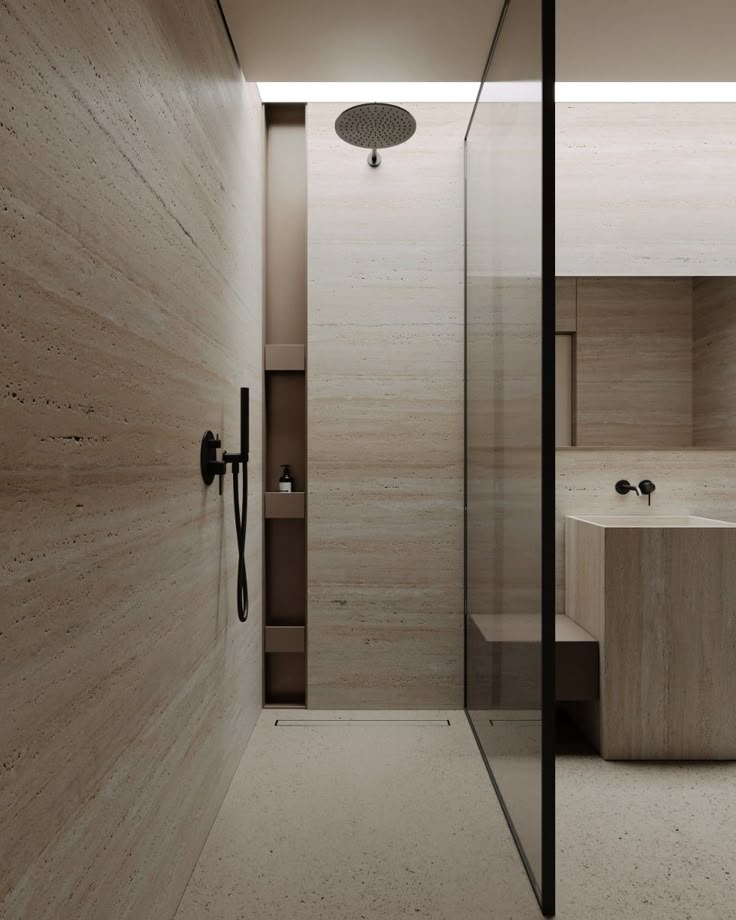
One of the simplest ways to make a bathroom feel larger is by reducing visual interruptions. Every unnecessary break in materials, colours, or lines subtly reminds the eye where the room begins and ends. The more these boundaries are softened, the more spacious the bathroom appears.
Large-format tiles, for example, create fewer grout lines, allowing surfaces to feel cleaner and more continuous. Keeping the same flooring throughout the bathroom helps the eye travel uninterrupted, while a restrained colour palette avoids creating excessive contrast. Mirrors play a role too, though perhaps not in the way many people assume. They’re not simply decorative features. They reflect light, extend sightlines, and create a greater sense of depth, making the room feel more open without actually adding a single centimetre of floor space.
Good design rarely relies on illusion alone, it simply understands how our eyes naturally interpret space.
Why Floating Vanities Feel Lighter
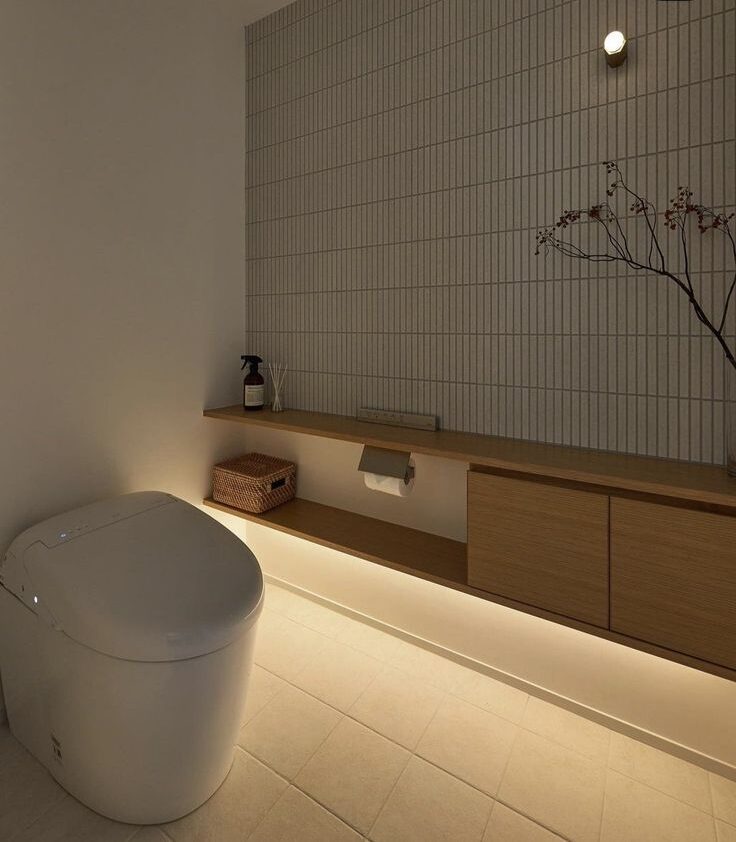
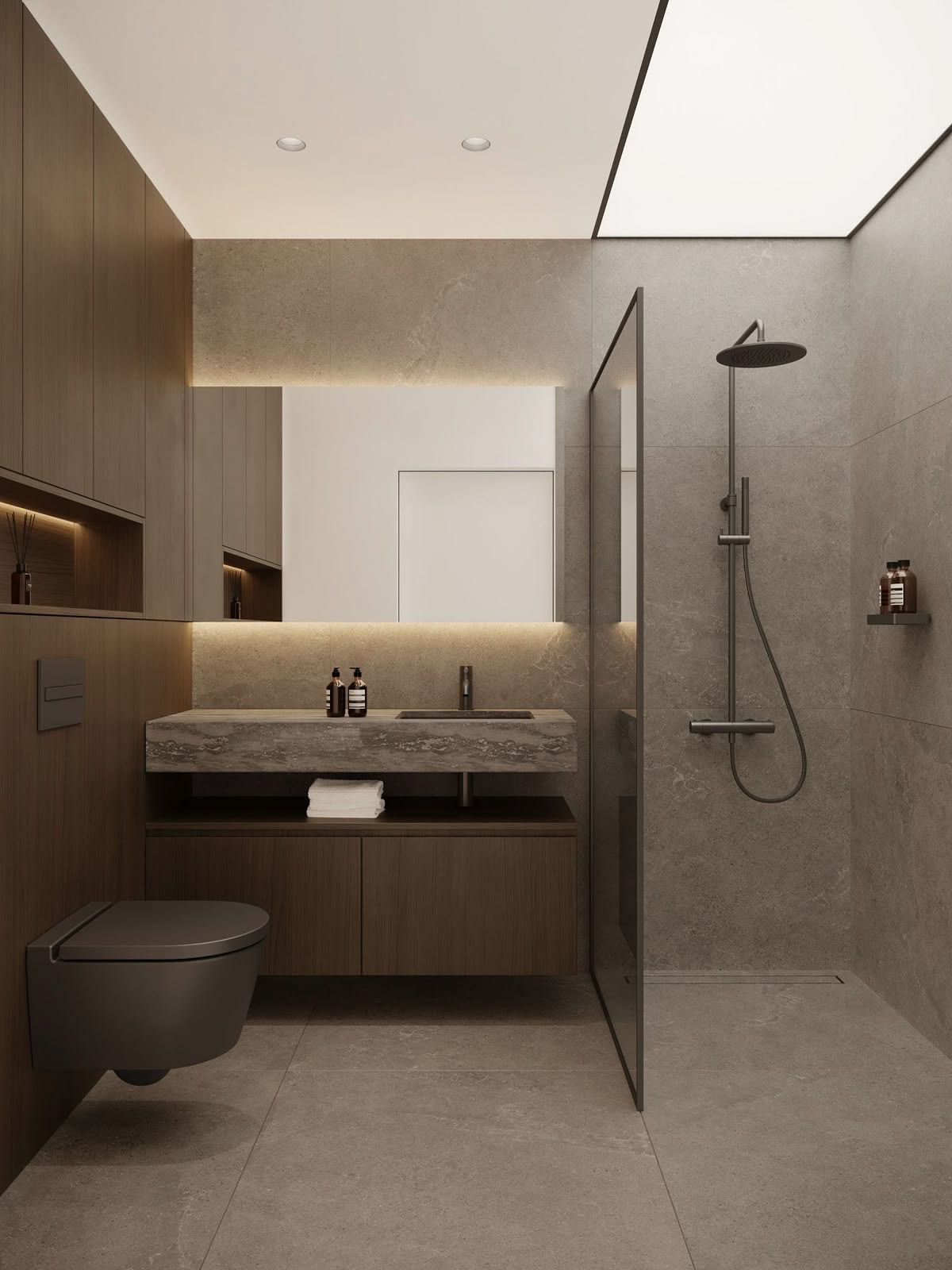
Bathroom storage is essential, but bulky cabinetry often comes at a visual cost. Traditional vanities that sit directly on the floor can make smaller bathrooms feel heavier because they interrupt the visible floor area. In turn, floating vanities solve this elegantly. By lifting the cabinetry off the ground, they expose more flooring, allowing the room to feel lighter and less crowded. The effect may seem subtle, yet it has a surprisingly noticeable impact on how spacious the bathroom feels.
There is a practical advantage too, since us Singaporeans care about efficiently more than most. Cleaning becomes easier when there are fewer corners collecting dust or water, and the uninterrupted floor line contributes to a cleaner overall appearance.
Sometimes, making a room feel larger has less to do with removing furniture than simply changing how it occupies the space.
Glass Partitions Let the Bathroom Breathe
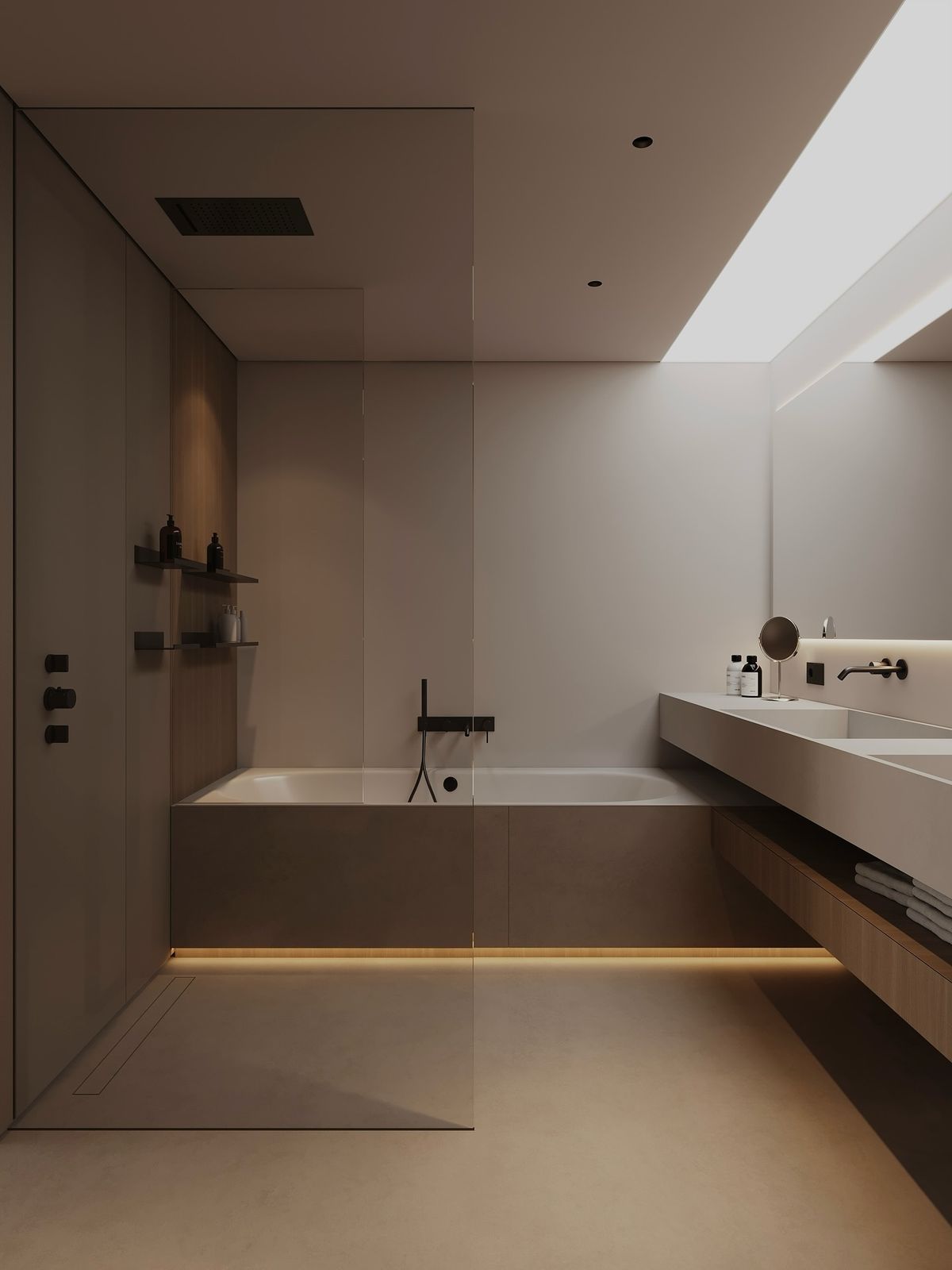
One of the quickest ways to visually shrink a bathroom is by dividing it into multiple enclosed sections. Opaque shower screens, bulky partitions, and heavy framing all interrupt sightlines, making the room feel more compartmentalised than necessary.
Glass partitions take the opposite approach. They define wet and dry areas while allowing the eye to travel continuously across the room. The bathroom feels more open because its full dimensions remain visible from almost every angle. Frameless or minimally framed glass panels enhance this effect even further. Of course, glass is not simply about aesthetics. It also helps contain water effectively without creating the visual heaviness associated with more traditional shower enclosures.
It is one of those rare design decisions that benefits both form and function equally.
Storage Should Disappear Into the Design
Small bathrooms do not necessarily suffer from a lack of storage. More often, they suffer from storage that demands too much attention. It’s the small things that build up, open shelves filled with toiletries, overflowing countertops, and visible cleaning supplies quickly create visual clutter, making the room feel busier than it actually is.
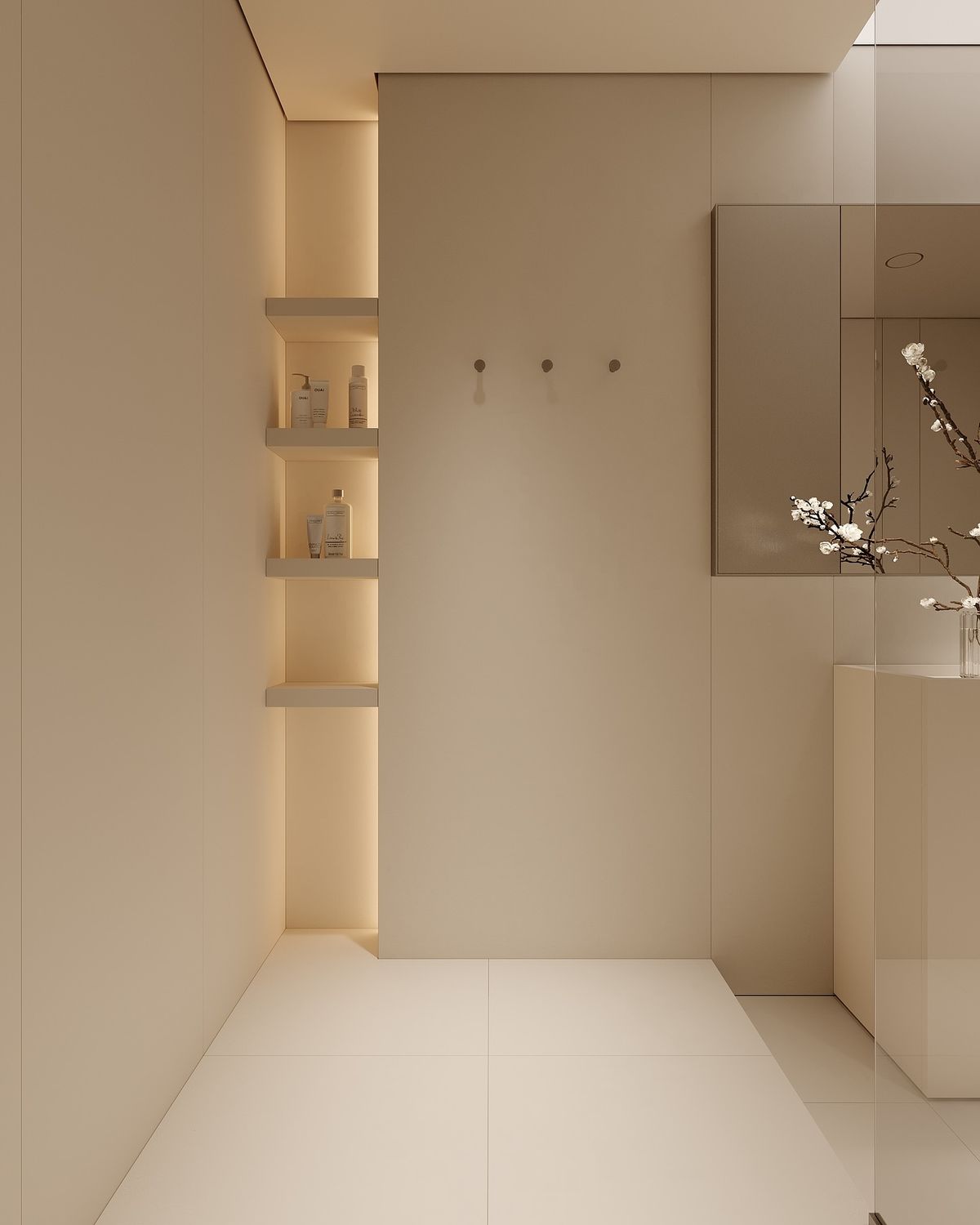
Hidden storage offers a quieter solution. Recessed niches within shower walls, mirrored cabinets, built-in vanity organisers, and concealed compartments allow everyday essentials to remain accessible without constantly competing for visual space.
This is particularly important in small bathroom design Singapore, where every surface carries greater visual weight. The less clutter the eye encounters, the larger and calmer the room naturally feels.
Lighting Shapes the Entire Experience
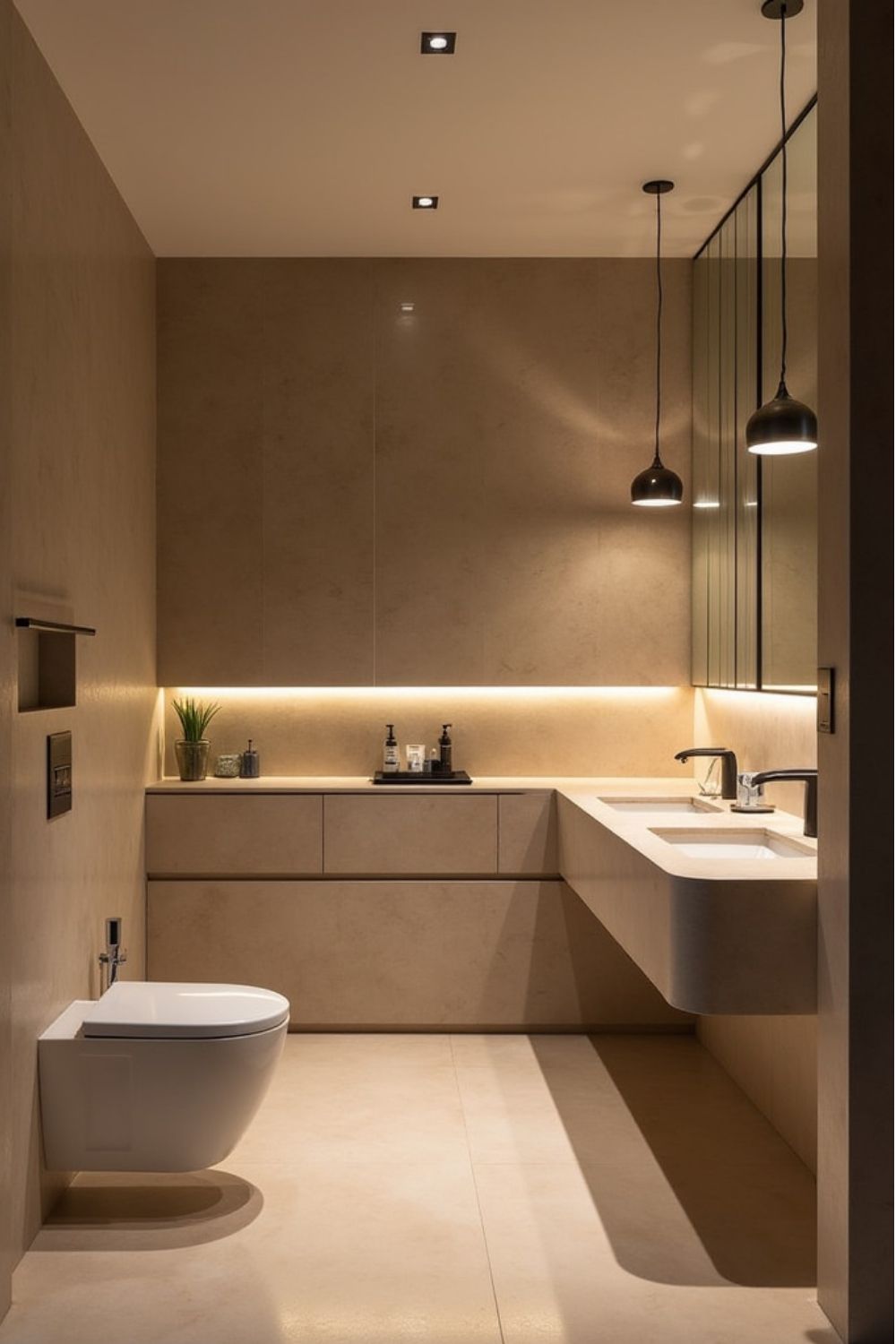
Lighting is often treated as a late addition in bathroom design. A ceiling light is installed, perhaps accompanied by a mirror light, and the project moves on. Yet lighting has an extraordinary ability to influence how spacious a bathroom feels.
Poorly positioned lighting creates harsh shadows that emphasise corners and boundaries. Well-planned lighting softens these edges, making the room feel brighter and more open. Not to mention, this boils over to any makeup done as well. The extra contour under spotlights? It isn’t ideal in natural lighting.
For this situation, layered lighting works particularly well. General lighting provides overall illumination, task lighting around mirrors supports grooming, while subtle accent lighting can introduce warmth and depth without overwhelming the space. Of course, natural light, where available, is equally valuable.
Even a modest window can dramatically change how a bathroom feels throughout the day. Because brightness is not simply about visibility, it is about atmosphere.
Luxury Is Not Measured in Square Metres
One of the biggest misconceptions in bathroom design is that luxury requires space. In reality, luxury often comes from thoughtful detailing, and this applies to more than just for bathrooms.
It’s details that truly influence the experience of the bathroom far more than its size alone. A well-positioned mirror, beautifully integrated storage, comfortable circulation. Materials that feel pleasant to touch, with lighting that makes daily routines more enjoyable. A compact bathroom that functions effortlessly will almost always feel more luxurious than a larger one with poor planning.
Which perhaps explains why some boutique hotels leave a stronger impression than bathrooms twice their size. Luxury has always been about experience, not dimensions.
For homeowners planning a small bathroom design Singapore project, success is rarely measured by how much fits inside the room. It is measured by how effortlessly the room works. If you’re in doubt, contact our design team at our Contact Us page, at our main line +65 63451730 or speak to our studio directors directly at +65 97386690 (Alicia)/+65 81234411 (Eugene) today!