
Landed homes in Singapore are often purchased with longevity in mind. Unlike apartments that serve a specific life stage, a landed house is expected to support a family for decades. This makes adaptive interior design not just a preference, but a necessity.
Adaptive spaces allow a home to evolve alongside its occupants, responding to changing family structures, ageing needs, and lifestyle shifts without requiring constant renovation.
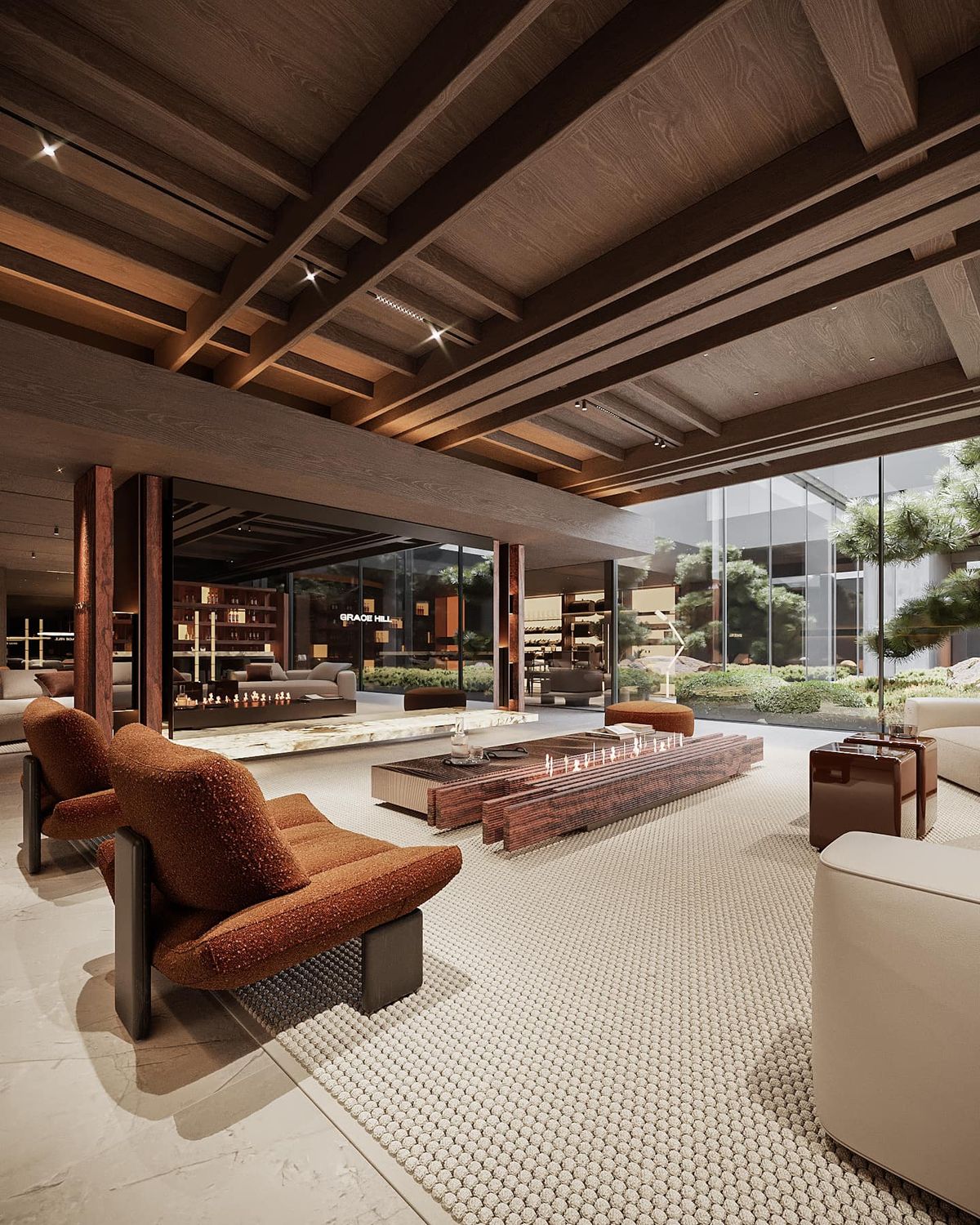
Planning for Multi-Generational Living, Not Just Floor Area
One of the most common misconceptions in landed homes is assuming that more space automatically equals better living. In reality, how space is organised matters far more than how much there is.
Multi-generational design starts with clear zoning. Bedrooms for elderly parents are often positioned on the ground floor to reduce reliance on stairs, while younger family members occupy upper levels for greater privacy. Shared living and dining spaces are situated at the heart of the home, encouraging interaction without forcing it.
Circulation paths are also carefully planned to avoid unnecessary crossings, reducing daily friction in homes with many occupants.
Elder-Friendly Design That Feels Like a Home, not a Facility
Designing for ageing family members requires foresight. The goal is to create spaces that remain dignified, comfortable, and intuitive over time.
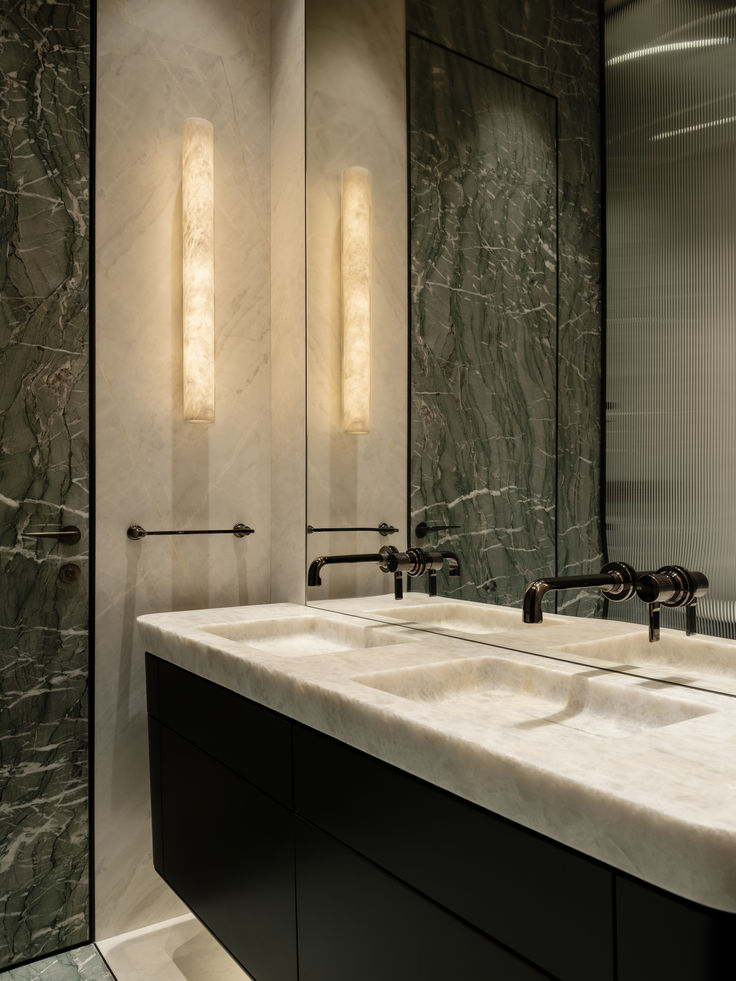
Even if they are not needed immediately, bathrooms should be designed with reinforced walls to allow future installation of grab bars. Step-free showers, wider doorways, and anti-slip flooring integrated early to avoid costly reworks later. Lighting plays a key role too, with softer ambient lighting paired with focused task lighting to support ageing eyesight.
Importantly, these elements are blended seamlessly into the design, ensuring the home feels warm and residential rather than clinical.

Flexible Rooms That Adapt Without Structural Changes
The most successful adaptive homes rely on flexibility rather than fixed-purpose rooms. Instead of designing a “study,” “guest room,” or “playroom” with a single use in mind, spaces should be planned to serve multiple functions over time. Sliding partitions, concealed storage, and modular furniture allow rooms to expand or contract based on daily needs.
For example, a home office can double as a guest room with a fold-down bed, or a family lounge can become a temporary bedroom when extended family visits. These strategies allow homeowners to adapt without altering walls or layouts.
Children’s Rooms That Grow with Them
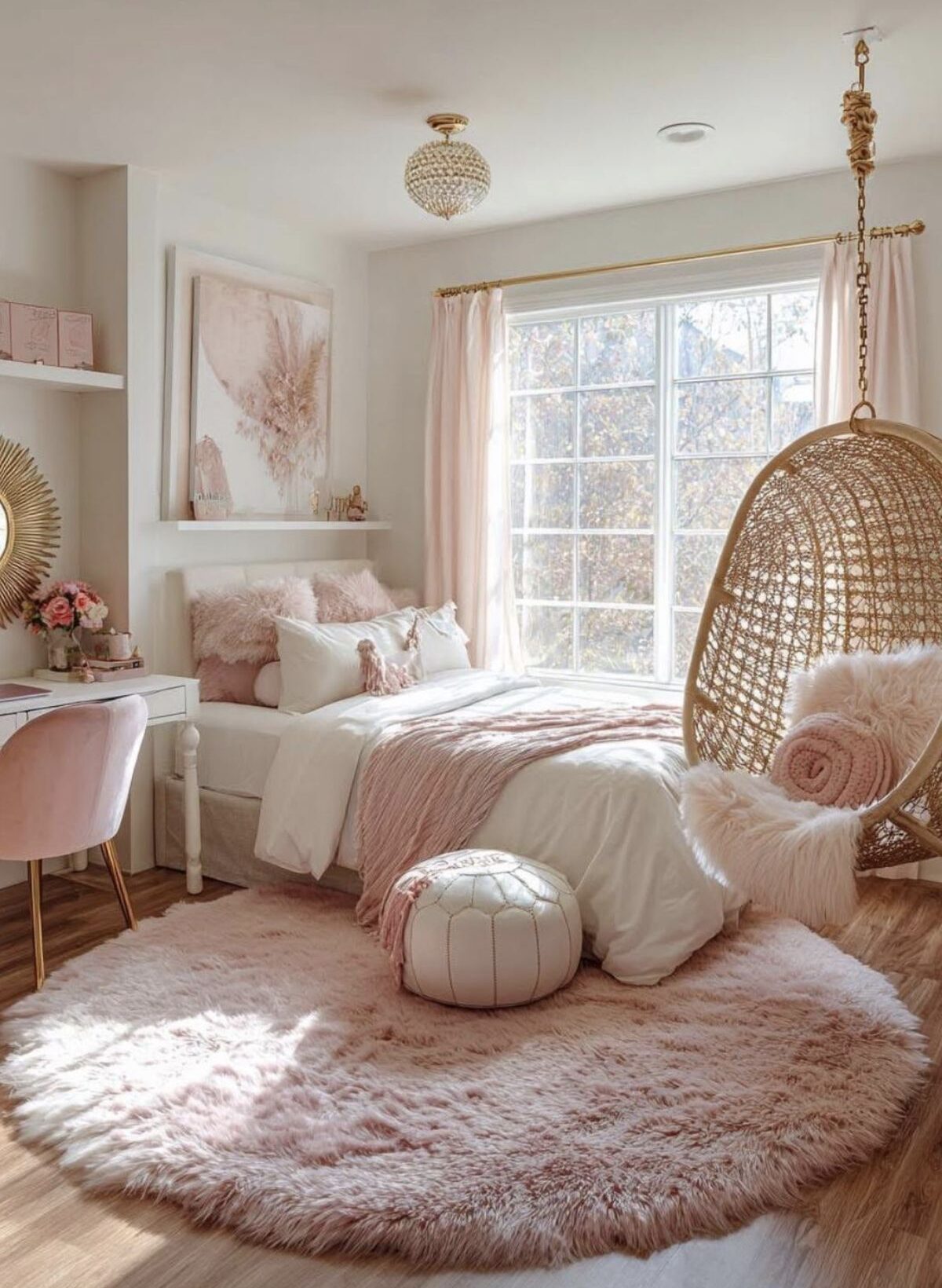
Children’s needs change rapidly, and rooms designed too specifically often age poorly. Adaptive children’s rooms focus on neutral base finishes and flexible storage systems. Built-in furniture is designed to be reconfigured, allowing shelves to shift, desks to expand, and wardrobes to evolve as children grow older. This prevents frequent renovation cycles and ensures the room remains relevant from childhood to adolescence and beyond.
Lighting and layout are also planned with flexibility in mind, supporting play, study, and rest as priorities shift. So… we’re not saying no to your barbie pink room, we’re just saying it might be best to keep it to the furnishings.
Shared Spaces That Balance Privacy and Togetherness
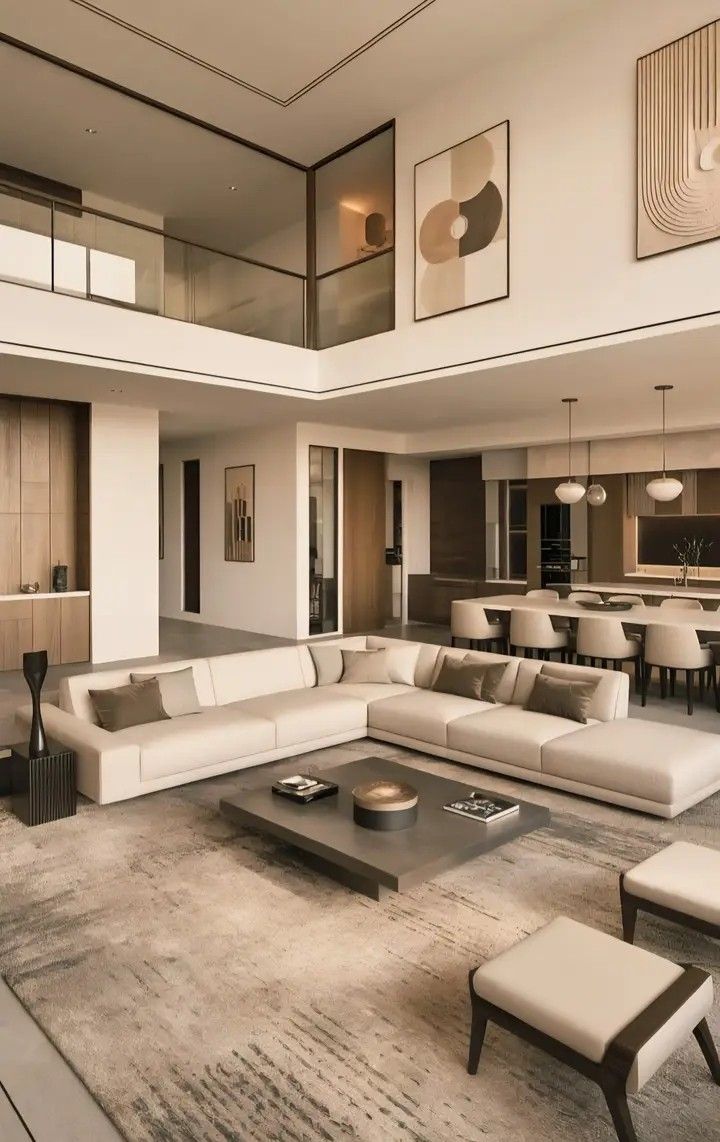
In multi-generational family homes, shared spaces must support different activities simultaneously.
Living areas can be zoned using furniture placement, ceiling treatments, or lighting rather than walls. This allows family members to share the same space while engaging in different activities, such as watching television or reading. Acoustic considerations help manage noise levels, ensuring comfort without isolation. Similarly, dining areas are designed to accommodate both everyday meals and larger family gatherings, reinforcing the home as a social anchor.
Circulation and Vertical Movement in Landed Homes
Staircases and corridors are often overlooked, yet they play a crucial role in adaptive design.
In well-planned landed homes, staircases are designed with gentle riser heights, sturdy railings, and sufficient lighting to support users of all ages. Homeowners can also plan for future lift installation by reserving structural space early, even if it is not installed immediately.
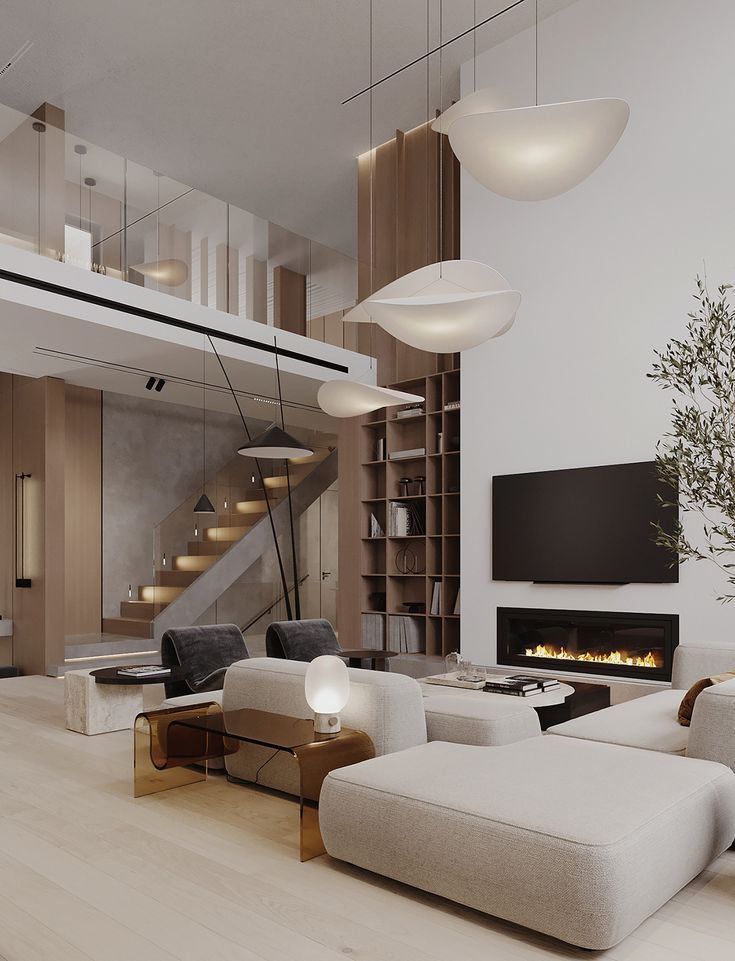
At the end of the day, an adaptive home is one that grows with you, not against you. When layouts are planned thoughtfully from the start, future changes feel effortless rather than disruptive. Extra electrical points are already where you need them, storage adapts as life gets busier, and spaces shift naturally as family dynamics evolve.
Instead of renovating every few years, your home simply keeps up. It stays comfortable, relevant, and valuable, quietly supporting new routines, new milestones, and the next chapter of family life, without ever needing a hard reset. Sounds good? Contact our design team at our Contact Us page, at our main line +65 63451730 or speak to our studio directors directly at +65 97386690 (Alicia)/+65 81234411 (Eugene) today!