
Luxury interior design is often misunderstood as a shopping list.
Marble. Statement lighting. Designer furniture. Imported wallpaper. A chandelier big enough to have its own postal code. But the most luxurious homes in Singapore aren’t defined by how many premium items they contain. They’re defined by how the home feels as you move through it.
Because real luxury is not just a look. It’s a sequence.
And in luxury home interior Singapore, the homes that feel truly high-end usually have one thing in common: the space unfolds like a journey, not a showroom.
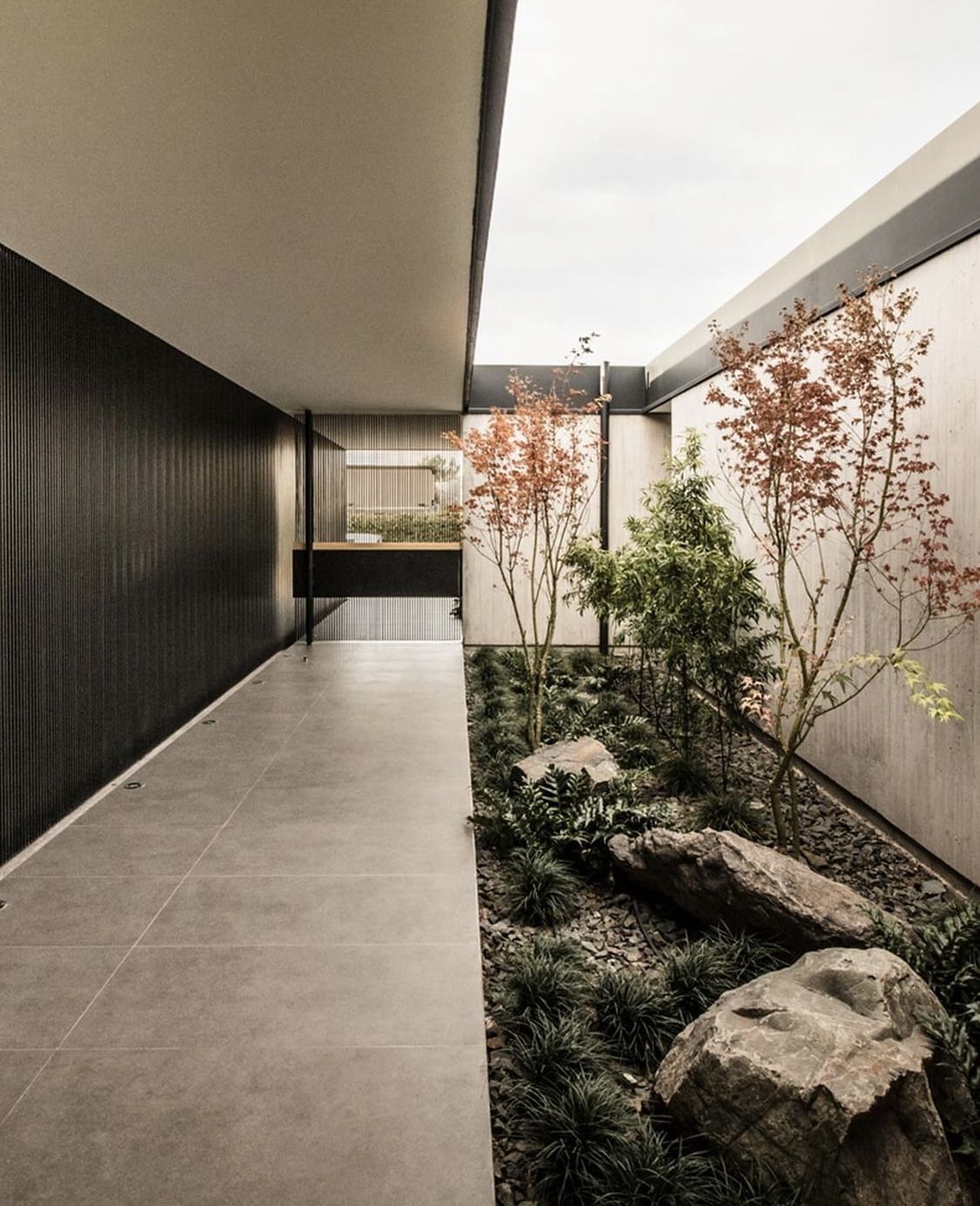
Why Luxury Homes Feel Different the Moment You Walk In
If you’ve ever stepped into a home and instantly felt that “wow”, chances are it wasn’t because of one feature.
It was because the home was designed with intention.
Luxury interiors use:
- controlled first impressions
- pacing and transitions
- visual layering
- a sense of arrival
This is where interior sequencing design comes in.
Sequencing is the art of planning what the homeowner sees, experiences, and discovers. From the entrance, through the living zones, and finally, into private spaces like the master suite.
Think of it as storytelling, but in spatial form. And with any story, how you tell it is what matters.
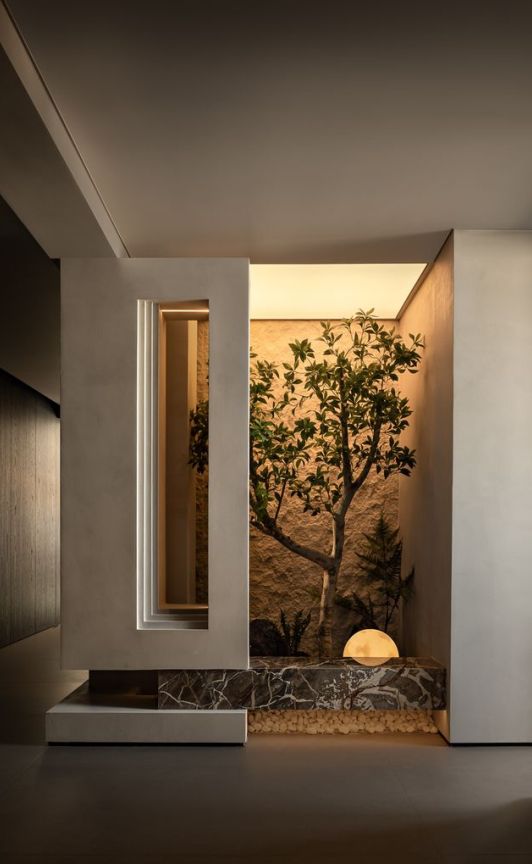
The Entrance: The First 5 Seconds Matter More Than the Sofa
In a luxury home, the entrance is not a leftover space.
It’s the opening scene.
A good entrance sets the tone immediately by doing three things:
- creating a clean sense of arrival
- establishing mood through lighting
- hinting at what’s ahead without revealing everything
In Singapore homes, especially condos and landed properties, this often means designing:
- a more intentional foyer zone
- a feature wall or sculptural console
- concealed shoe storage that doesn’t scream “practical”
- warm, flattering lighting (never harsh downlights only)
Luxury doesn’t mean clutter-free. It means visually calm. And yes, your entrance is allowed to be quiet. That’s the point.
The Transition: Where Sequencing Starts to Feel Expensive
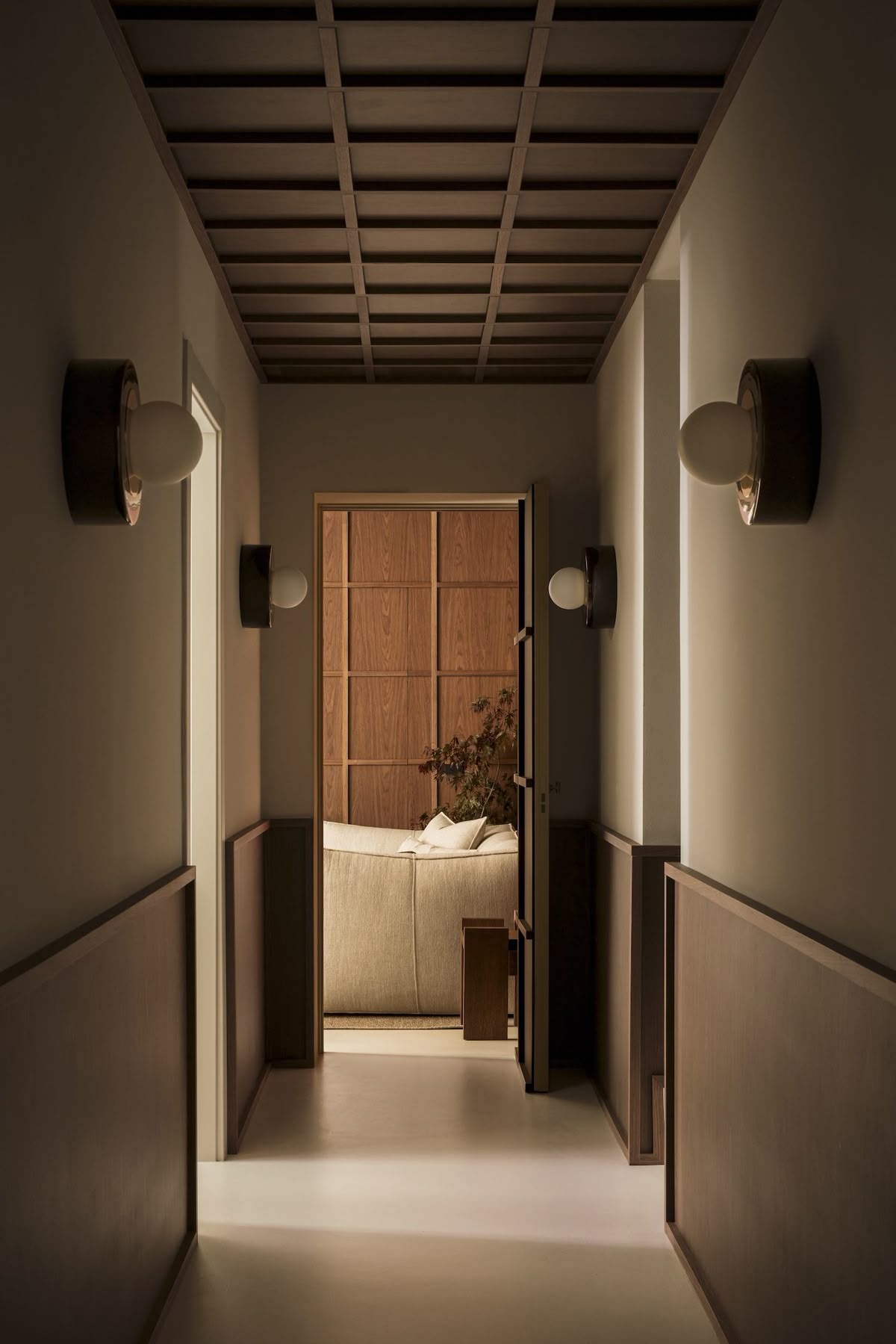
Here’s where many homes accidentally break the luxury illusion. They design beautiful rooms, but they forget the in-between spaces. Corridors, walkways, and thresholds are where interior sequencing design becomes the difference between “nice home” and “high-end home”.
In luxury homes, transitions are treated like:
- gallery moments
- soft pauses
- breathing space
This can be done through:
- a shift in material
- a change in ceiling height
- a lighting rhythm
- a subtle narrowing before opening up
Luxury isn’t always about bigger. Sometimes it’s about better pacing.
The Living Area: Luxury Is Flow, Not Furniture
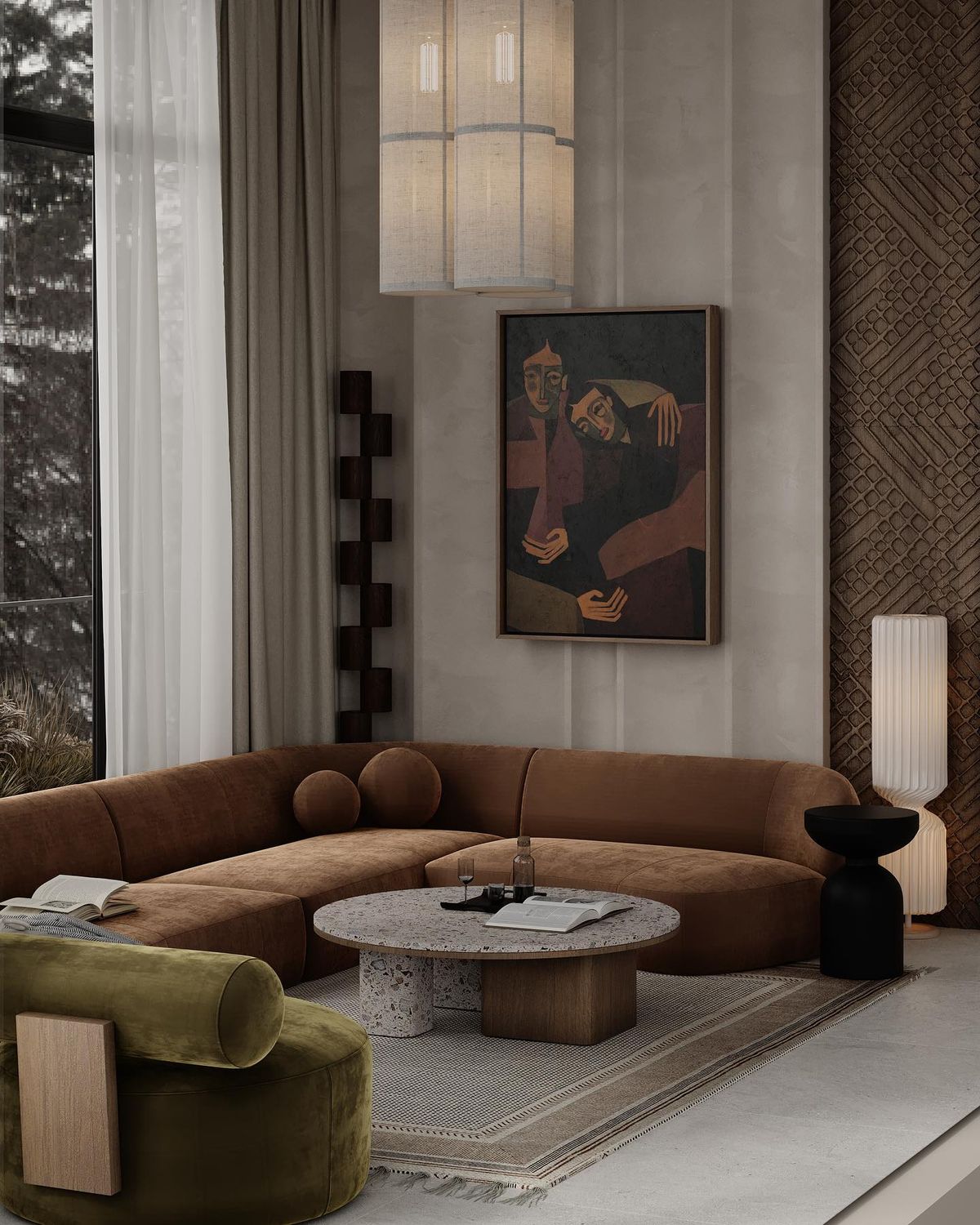
In luxury home interior Singapore, the living room is often where homeowners try hardest to “look expensive”. Ironically, that’s why many living rooms end up feeling staged.
True luxury living spaces prioritise:
- comfort without mess
- flow without emptiness
- openness without echo
A good luxury living area is designed around:
- how people walk through it
- where they naturally sit
- where conversations happen
- what you see from each angle
Instead of one big “statement”, luxury is often a collection of smaller details, it should feel like the space was designed for the homeowner, not for a camera.
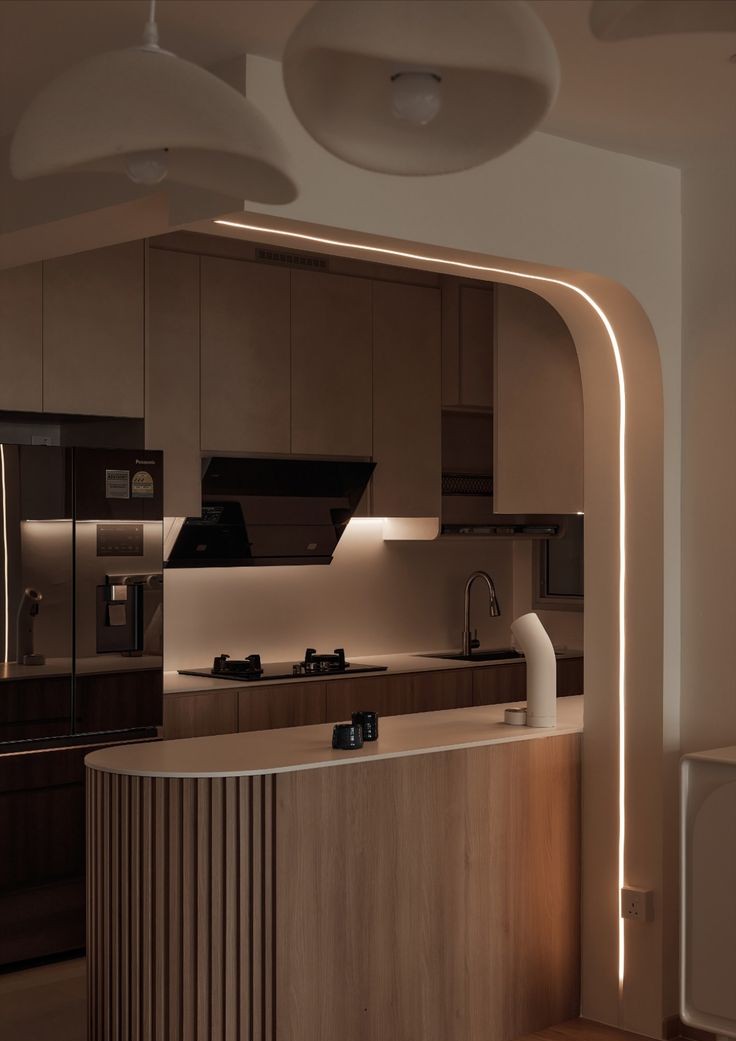
The Dining and Kitchen: The Social Heart of the Journey
Zoning is one of the most powerful tools in landed home garden ideas because it creates structure. In many Singapore homes today, the kitchen is no longer a back-of-house space.
It’s part of the main experience. In luxury homes, the dining and kitchen zone often acts as the centre of the journey. It’s where the home shifts from “arrival” to “living”.
Luxury sequencing here usually focuses on:
- clear sightlines
- concealed appliances
- integrated storage
- a smooth flow between cooking, dining, and hosting
A high-end kitchen doesn’t need to be flashy. It needs to feel effortless.
And if there’s a bar counter, pantry, or island, that’s often where the home becomes more personal, because it invites interaction.
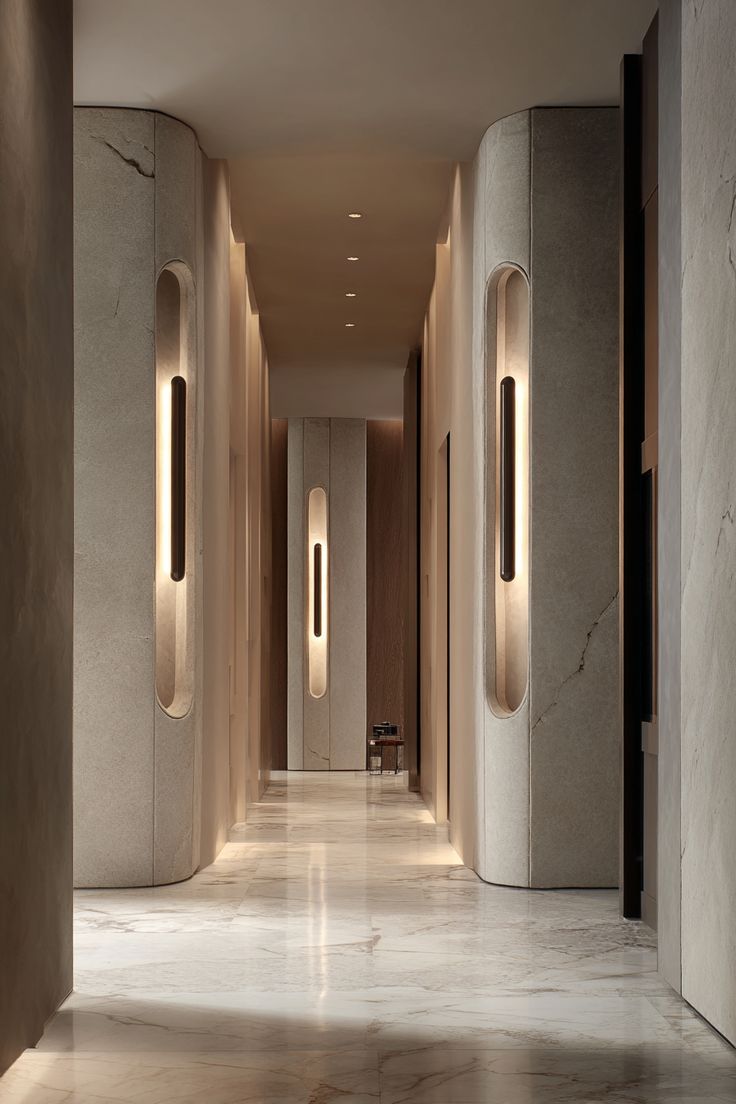
The Corridor to the Master Suite: The Quiet Build-Up
This is the part that separates luxury design from regular design. Luxury homes don’t throw you into the bedroom immediately. They lead you there.
A well-designed path to the master suite creates:
- a sense of privacy
- a psychological shift
- a softer mood
This is where lighting becomes crucial. Harsh lighting destroys the “retreat” feeling.
Instead, luxury sequencing often uses:
- warm indirect lighting
- wall lights or concealed strips
- calmer material tones
- fewer visual distractions
This corridor is not wasted space, it’s a kind of emotional preparation. Yes, that sounds dramatic, but that’s what luxury is: drama, but tasteful.
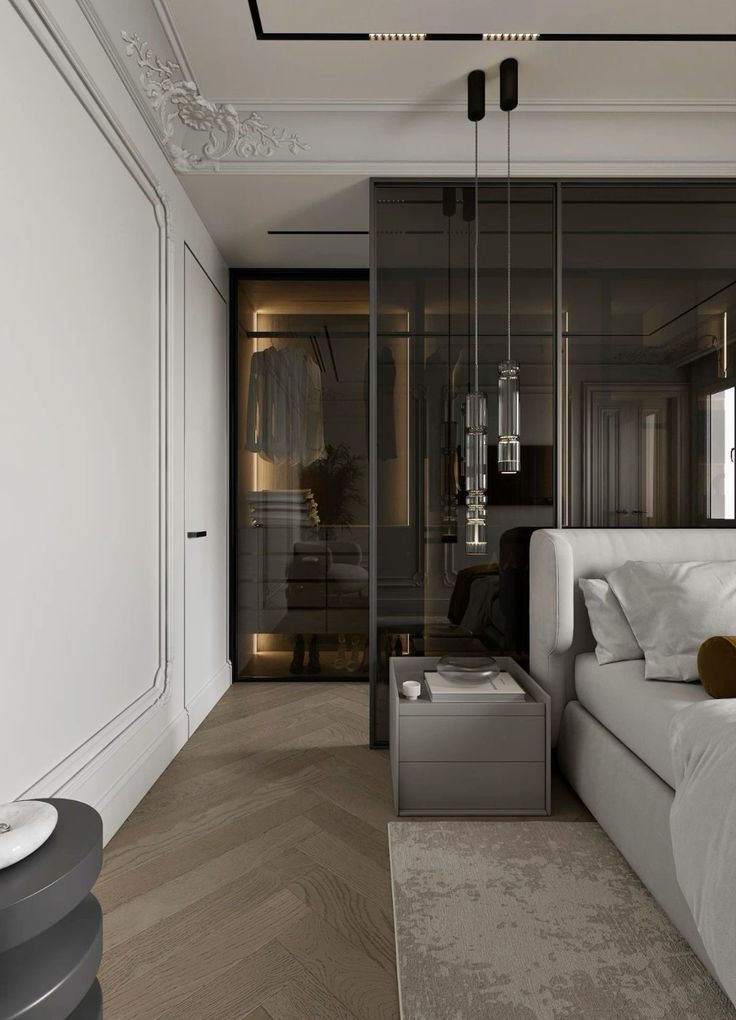
The Final Destination Should Feel Like a Private Sanctuary
The master suite is the final chapter of the home journey. And it should feel different from the rest of the house. Not louder. Not more “designer”.
Just more private.
Luxury master suites often achieve this through:
- layered privacy (walk-in wardrobe before bed zone)
- hidden storage that keeps surfaces clean
- softer textures and warmer tones
- controlled lighting scenes
- a clear separation between rest, dressing, and bathing
The best master suites don’t just look good, they feel like the homeowner is being taken care of. That’s the kind of luxury you can’t buy in a single furniture item.
A home can have premium materials and still feel ordinary.
But when the home is designed as a journey, with pacing, transitions, and intention, it feels curated, thoughtful, and emotionally rich. That’s what makes a luxury interior truly timeless. Because the goal of luxury home interior Singapore isn’t to impress guests. It’s to create a home that feels like an experience, every single day.
Contact our design team at our Contact Us page, at our main line +65 63451730 or speak to our studio directors directly at +65 97386690 (Alicia)/+65 81234411 (Eugene) today!