
In Singapore, landed homes offer something few other properties can, height, depth, and design freedom. Beyond just “more space,” they open a world of possibilities for creative architecture. From sculptural staircases to airy mezzanines and grand double-volume living areas, multi-level living brings both function and flair. When designed thoughtfully, it turns a home into an experience. Not just a space to walk through, but one to look up, around, and linger in.
Staircases: The Backbone of Vertical Flow
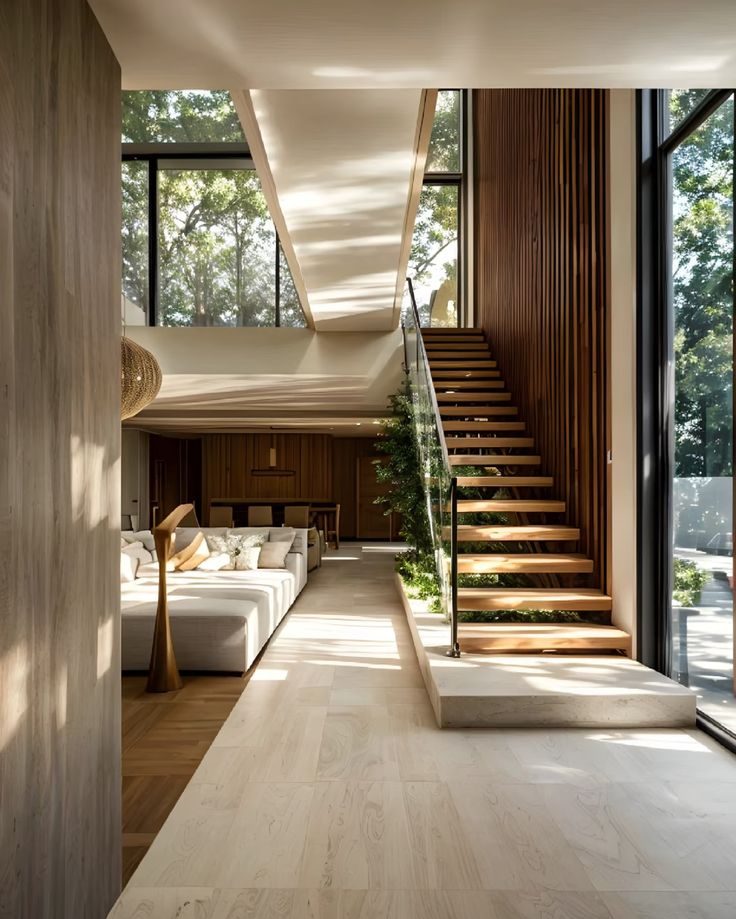
A staircase is one of the most defining elements in a multi-level home, a structure that links spaces while setting the tone for the interior. It’s no longer just for utility, it’s often the architectural focal point.
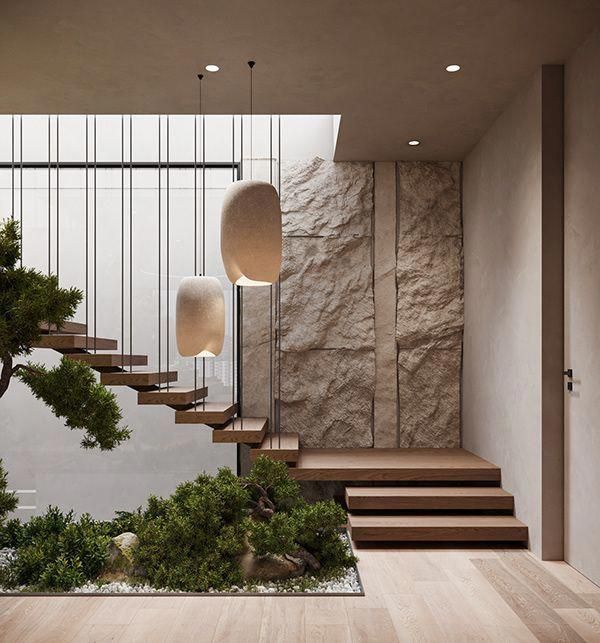
In many staircase designs in Singapore, homeowners are gravitating toward floating staircases, where each step appears to hover mid-air. They create openness, lightness, and a visual connection between floors. Pair that with glass balustrades or metal railings for a touch of modern sophistication or contrast it with timber steps for warmth and grounding.
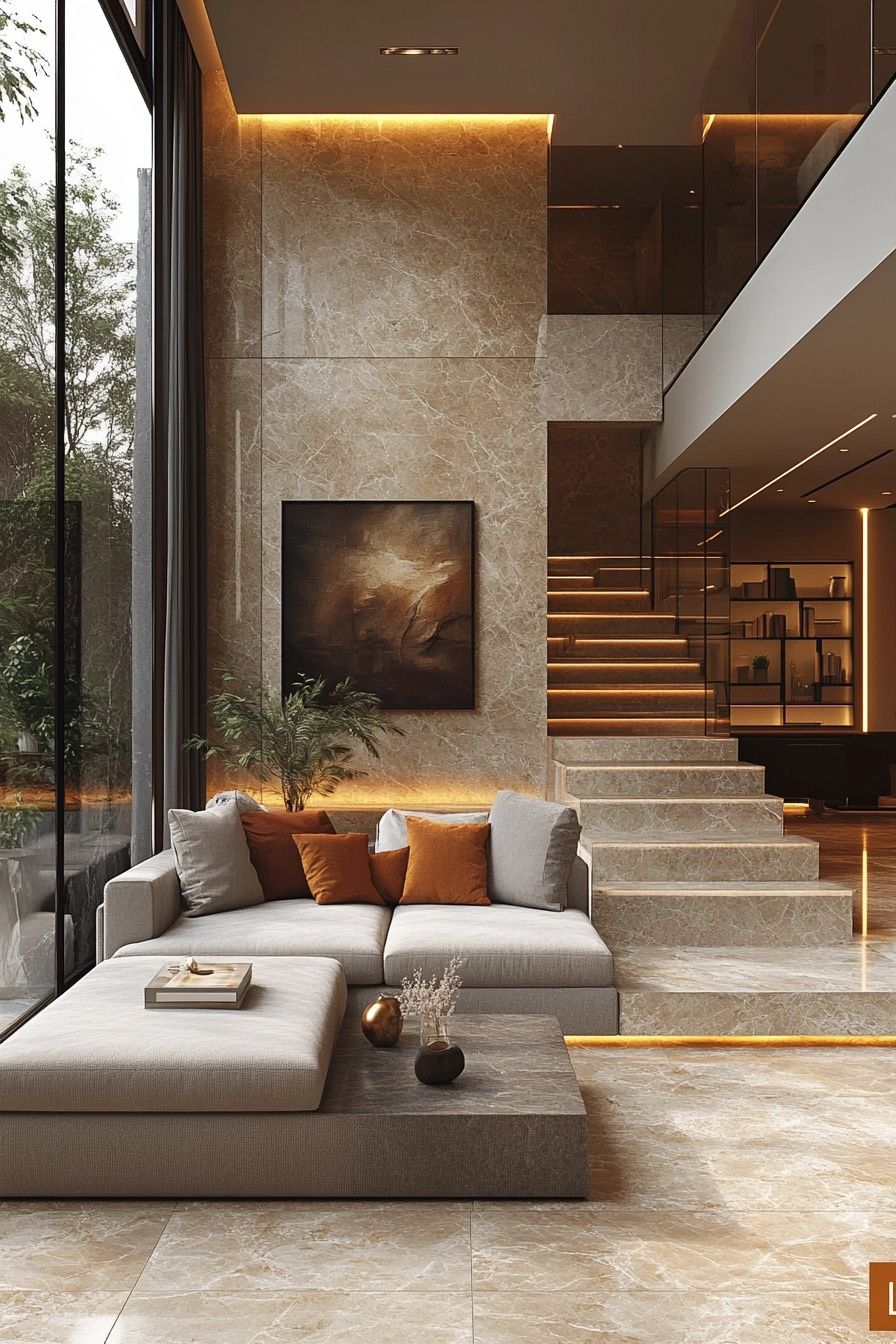
Lighting is what truly elevates it. Concealed LED strips under treads, pin spotlights along walls, or backlit handrails bring subtle theatricality at night. For homes with kids or elderly family members, incorporating non-slip materials, handrail lighting, and tactile finishes ensures both form and function work hand-in-hand.
And if space allows, position the staircase next to a double-volume void. This design trick creates an airy transition point filled with natural light, a move that instantly adds grandeur without excess.
Mezzanines: Function Meets Floating Elegance
When ceiling height is your asset, the mezzanine becomes your jackpot. A mezzanine cleverly reclaims “dead air” and turns it into usable, intimate spaces; a home office, library, or even a quiet yoga corner suspended between floors.
The trick is to keep it open yet distinct. Opt for slim steel structures or glass to maintain visibility and airflow. Materials matter too, lighter tones or perforated finishes prevent visual heaviness. You can also extend the mezzanine’s edge into a reading nook or planter zone, giving the illusion that it’s floating naturally within the architecture.
Lighting here works best when layered: track lights for function, recessed LEDs for ambience, and maybe even a feature pendant that visually connects both levels.
Beyond aesthetics, mezzanines are also great for zoning, separating active areas like living spaces from quieter corners. This is especially useful in multi-generational landed homes where privacy and openness need to coexist.
Double-Volume Interiors: The Luxury of Light and Air
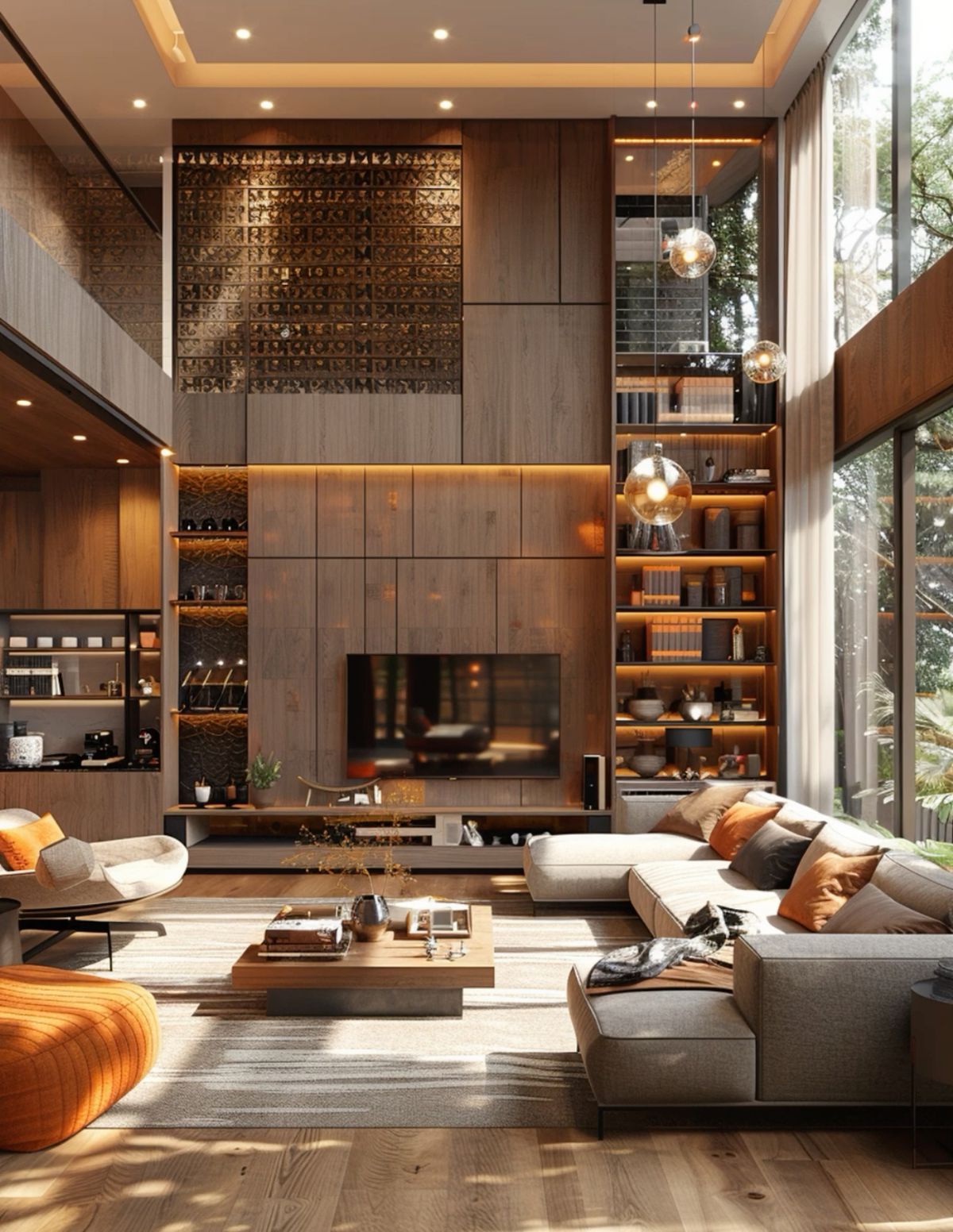
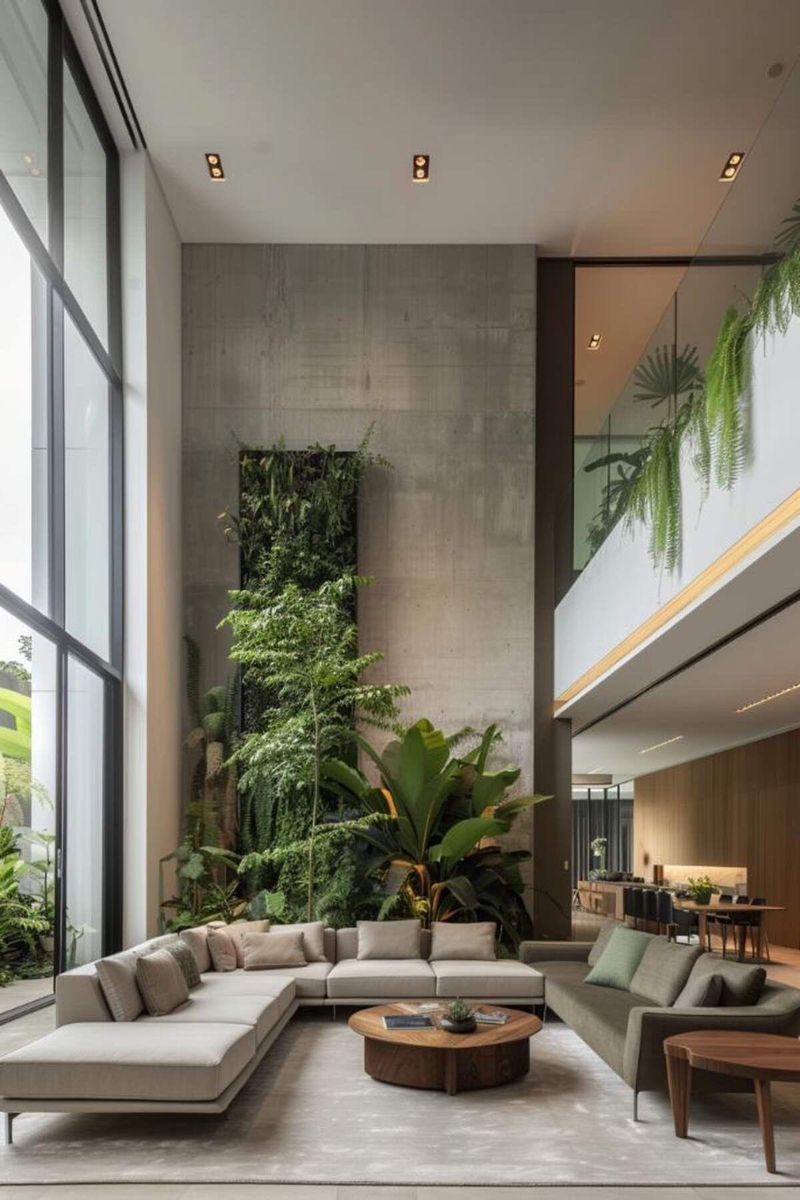
There’s something undeniably dramatic about walking into a home with a double volume living space. It immediately signals luxury with space to breathe, light that floods in, and the freedom to design vertically.
But a tall void needs balance. Without the right touch, it can feel more like an echo chamber than a home. This is where material layering comes in: acoustic panels disguised as timber cladding, textured plaster finishes, and plush rugs help soften the acoustics and bring intimacy back.
Use the height to showcase statement chandeliers, sculptural lighting, or tall art installations. For something subtler, slatted timber ceilings or coffered details can visually break up the expanse while still celebrating the scale.
Double-volume dining areas are also trending in Singapore’s newer landed builds, combining openness with family warmth. They make everyday living feel just a little more cinematic.
Railings, Safety & Detail
Railings might seem like a purely functional necessity, but in good design, they become sculptural elements. From sleek metal lines that match contemporary architecture to custom-cut wood balusters for a softer, organic feel, railing design adds rhythm to your interiors.
Safety doesn’t have to look clinical. Many designers now integrate laminated glass, mesh detailing, or half-height partitions that complement the interior palette. In homes with children or pets, these details strike the perfect balance between openness and protection.
Lighting (the way)
Multi-level homes thrive on vertical light flow, the way natural and artificial lighting interact across different heights. Skylights above staircases, clerestory windows, and void-hung pendants guide the eye upward, while cove lighting along ceilings defines architectural contours.
When done right, light becomes the thread that ties every level together. It’s what transforms a staircase into sculpture, a mezzanine into a stage, and a double-volume void into pure atmosphere.
While the architectural opportunities of multi-level living are endless, the magic lies in consistency. A unified material palette, think warm timber tones paired with brushed metal, or stone finishes softened by fabric textures, creates visual flow from floor to floor.
In the end, good design isn’t just about height; it’s about harmony. Whether it’s a dramatic staircase, a light-filled mezzanine, or a soaring double-volume living room, the best homes are those that make vertical movement feel effortless and unforgettable. Interested? Contact our design team via our Contact Us page, at our main line +65 63451730 or speak to our studio directors directly at +65 97386690 (Alicia)/+65 81234411 (Eugene) today!