
There’s a certain excitement that comes with renovation. Mood boards start forming. Material samples arrive. Pinterest boards multiply. Everything feels flexible, adjustable, reversible.
Until it isn’t.
Because while paint colours and loose furniture can change over time, some renovation decisions quietly lock themselves into the bones of your home. And by the time you realise it, changing them becomes expensive, disruptive, or nearly impossible.
This is why for serious renovation planning in Singapore the to–do early on is less about aesthetics and more about infrastructure. The quiet decisions matter most.
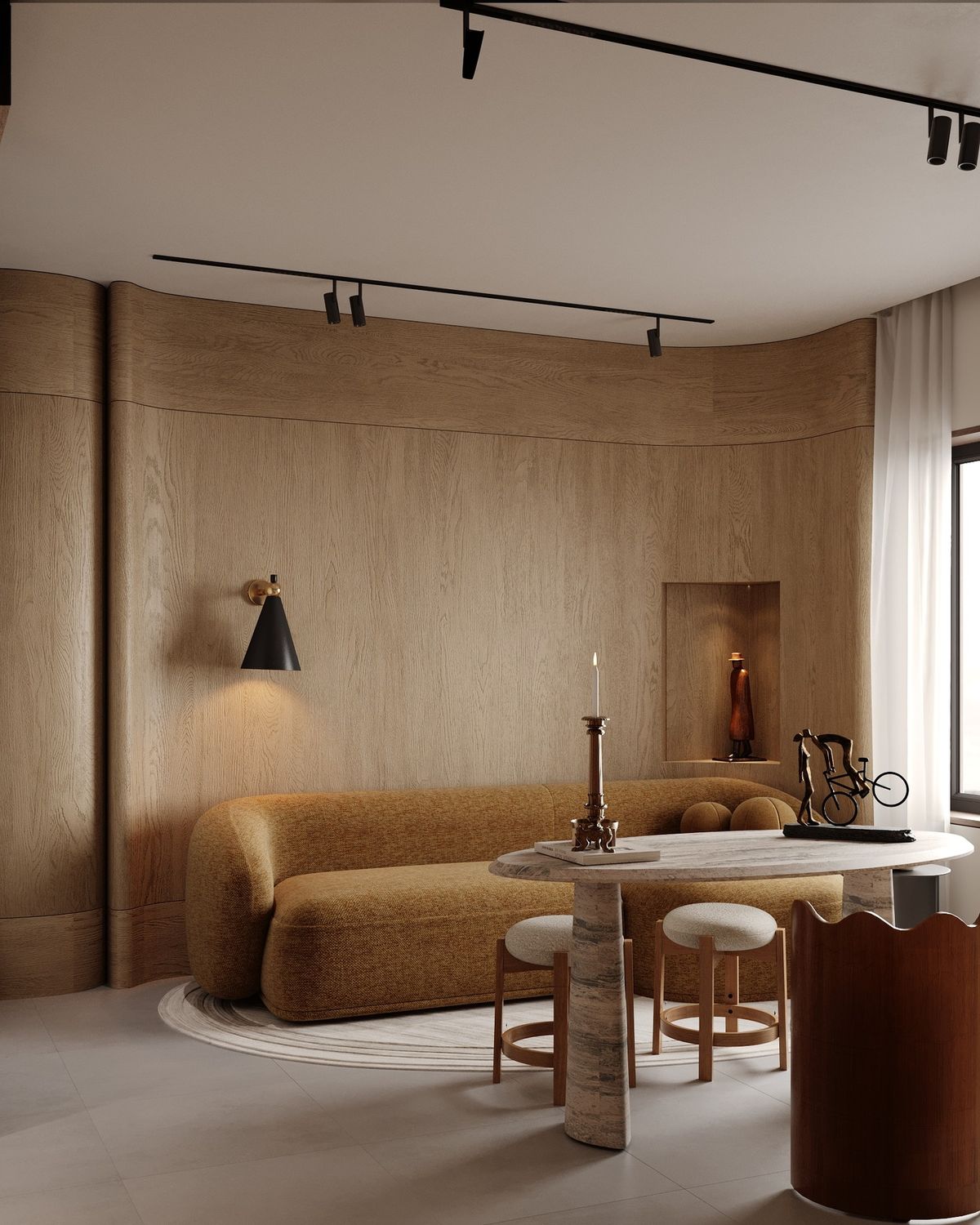
Electrical Points: The Invisible Layout That Controls Daily Life
Electrical planning rarely feels glamorous. Yet it defines how comfortably you live. Once hacking is completed and walls are sealed, shifting a power point is no longer a small tweak. It becomes a process involving rewiring, patching, repainting, and sometimes redoing carpentry.
During renovation planning Singapore projects, many homeowners focus on “how many sockets” they need. However, the real question is where those sockets align with furniture, circulation paths, and daily routines.
Think about where you charge your phone. Where the coffee machine sits. Whether a floor lamp will require an awkward extension cord. Whether your dining table might shift orientation in the future.
Lighting points are even harder to correct. A misaligned ceiling light above a dining table or bed immediately feels off-centre, and that subtle imbalance is surprisingly difficult to ignore. Good renovation planning anticipates movement, furniture flexibility, and future lifestyle shifts. It prevents visible wires, shadowy corners, and switch plates in inconvenient places.
Electrical planning is invisible when done well. And painfully obvious when it isn’t.
Plumbing Routes: What Lies Beneath the Tiles
Plumbing is another area where flexibility is limited.
In many Singapore homes, especially HDB flats and condos, bathroom and kitchen plumbing points are heavily regulated. Floor traps, discharge pipes, and even toilet bowl placements follow strict building guidelines. You may want to shift a sink to the island or relocate a tap for a better layout, but depending on structural constraints and regulations, those decisions might require raised platforms, exposed boxing, or complex rerouting.
The problem is not that changes are impossible. It’s that they carry cost, risk, and long-term maintenance implications. Strong renovation planning in Singapore projects address plumbing early. Designers assess existing discharge points, slab thickness, and realistic rerouting options before confirming layouts. Since once tiles are laid and waterproofing is done, adjustments become messy.
And waterproofing, in particular, is not something you want to redo twice.
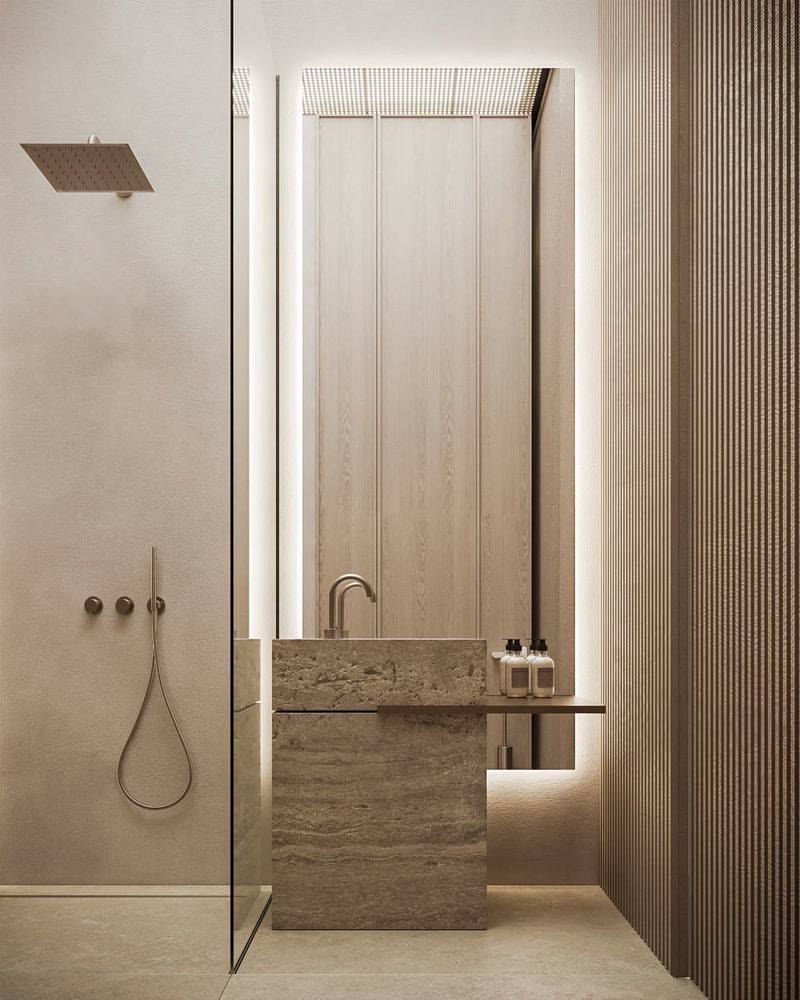
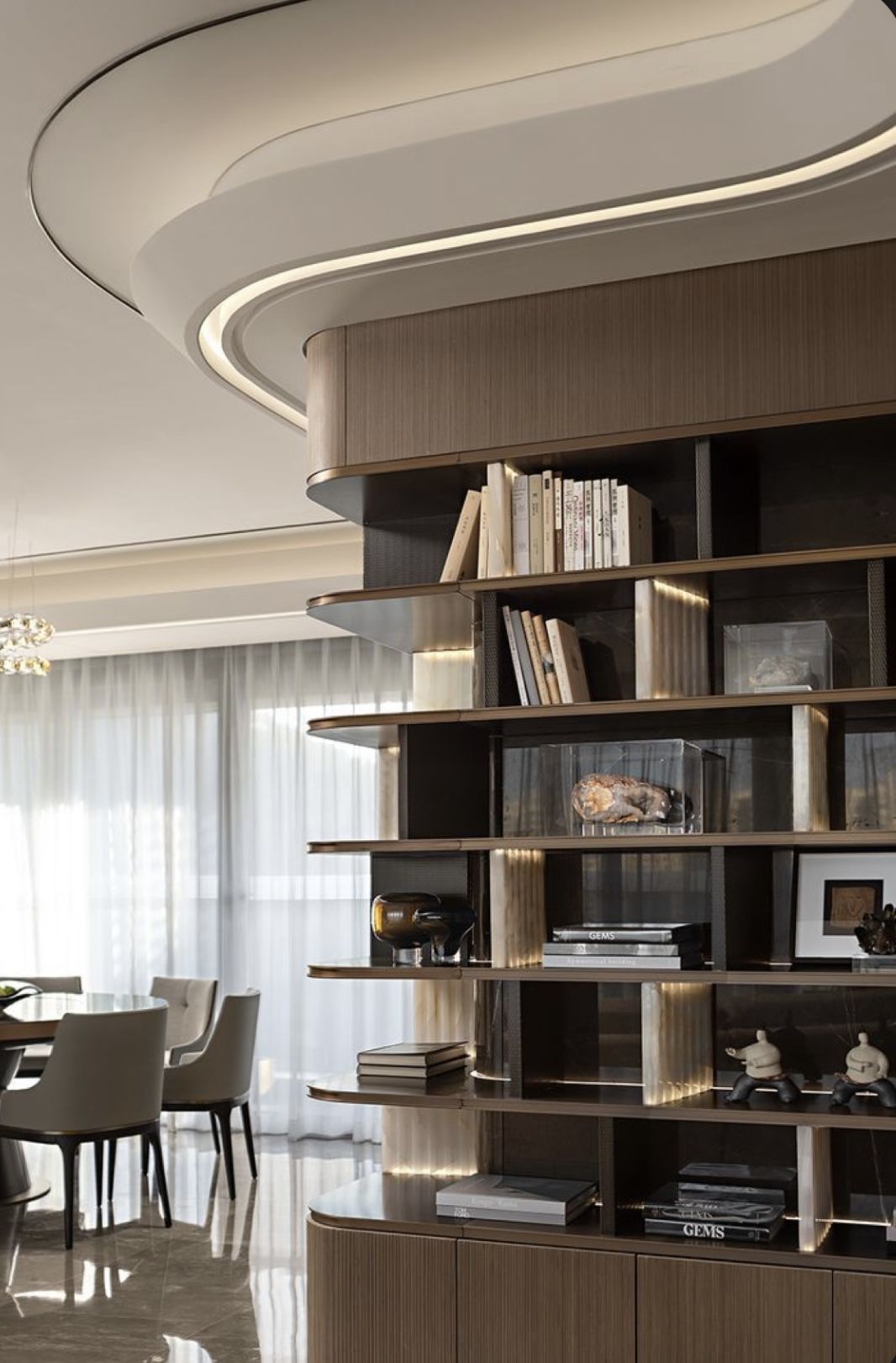
Ceiling Heights: You Can Lower Them, But You Rarely Get Them Back
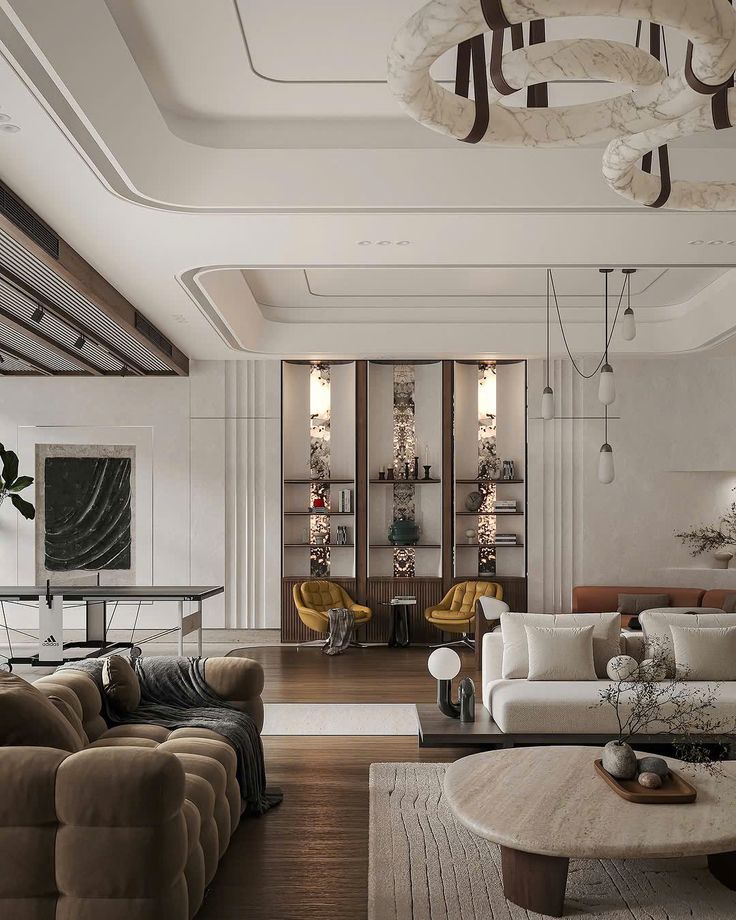
False ceilings are often introduced to conceal wiring, ducts, and lighting strips. They create mood and allow for layered lighting design. However, lowering a ceiling changes spatial perception more than homeowners expect.
In Singapore, where standard ceiling heights are already modest in many apartments, every centimetre matters. Once you commit to a bulkhead or full dropped ceiling, reversing it later means removing lighting infrastructure and replastering the entire surface.
That’s rarely practical. During renovation planning discussions, ceiling design should balance aesthetics with spatial generosity. Do you need a full false ceiling, or will selective bulkheads achieve the same effect? Can other surface-mounted lighting deliver elegance without sacrificing height?
Ceiling decisions shape how spacious or compressed a home feels. And that feeling lingers long after the novelty of cove lighting fades.
Door Swings and Spatial Flow
Doors are deceptively simple. Until they start clashing with furniture.
A door swing affects how you enter a room, where you place wardrobes, and how circulation flows. In tight bathrooms, the wrong swing direction can reduce usable space. In bedrooms, it can limit wardrobe configurations.
Changing a door swing later is technically possible. But it often requires new frames, patching flooring, repainting, and sometimes redoing adjacent carpentry. That’s why thoughtful professionals map out door clearances early. They visualise how doors interact with cabinetry, bedside tables, and corridors.
A door should feel intuitive. If you find yourself constantly adjusting furniture to accommodate it, something was missed in the planning stage.
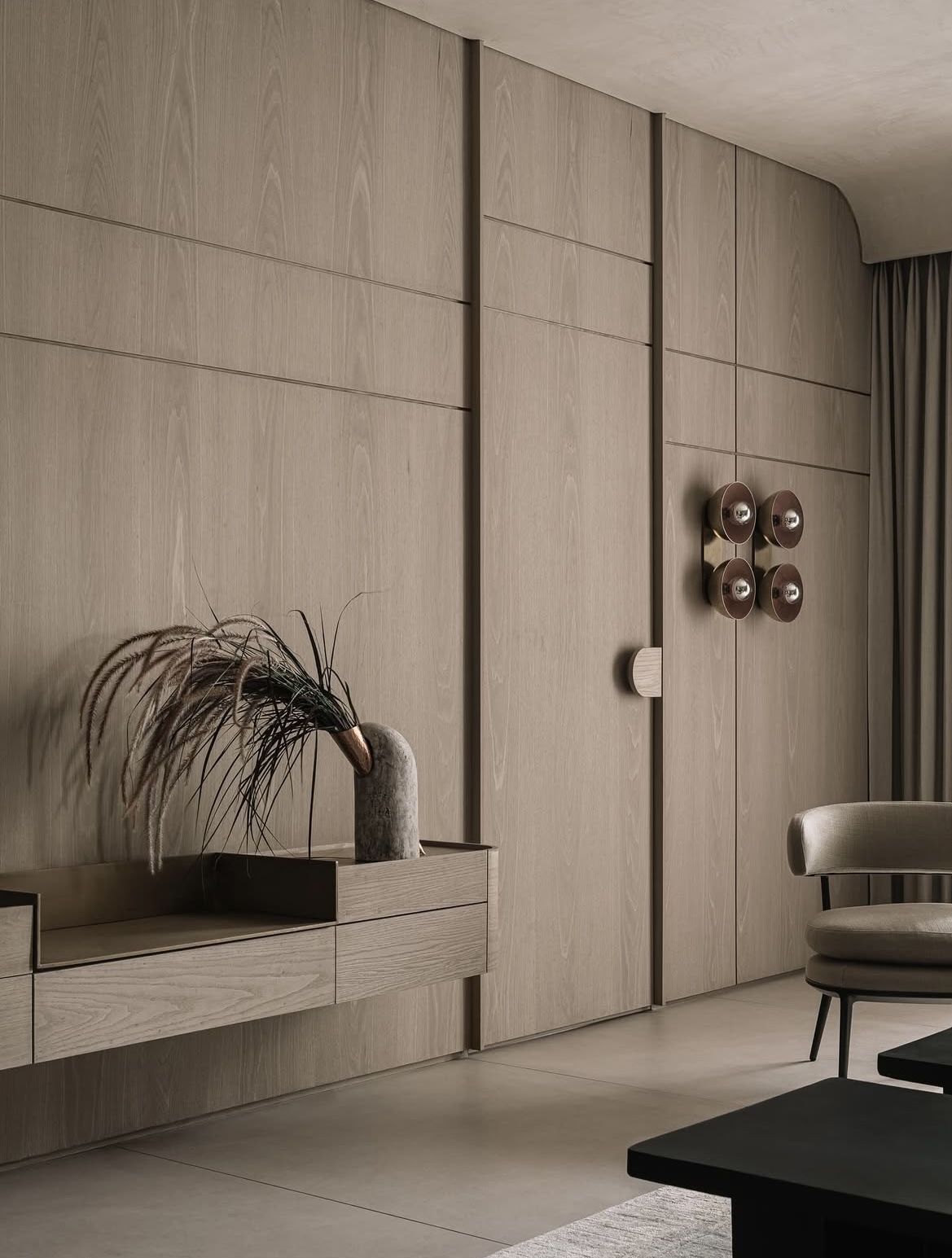
Structural and Layout Decisions
Open-concept layouts are popular, removing walls feels transformative, liberating almost.
Nevertheless, structural walls, beams, and columns cannot simply disappear. Even non-structural walls, once removed, alter acoustics, privacy, and zoning. Some homeowners later wish they had retained partial partitions or sliding options. Reintroducing walls after flooring and ceiling works are complete is disruptive and costly.
Strong renovation planning conversations include future scenarios. Will your needs change? Could a study become a nursery? Will ageing parents require more privacy later? Planning for flexibility early is far easier than rebuilding permanence later.
Homeowners rarely regret choosing paint one tone lighter. They regret insufficient sockets. Awkward plumbing. Low ceilings. It’s these little things that build up and become your biggest headache. These are not aesthetic failures; they are planning oversights.
In well-designed homes, nothing feels inconvenient. That seamlessness is not accidental. It comes from careful renovation planning Singapore designers prioritise before aesthetics even enter the conversation. Contact our design team at our Contact Us page, at our main line +65 63451730 or speak to our studio directors directly at +65 97386690 (Alicia)/+65 81234411 (Eugene) today!