
Renovations often revolve around the big decisions: layout changes, carpentry designs, colour palettes, and statement materials. Those certainly shape how a home looks. However, the way a home feels to live in every single day usually comes down to much smaller decisions.
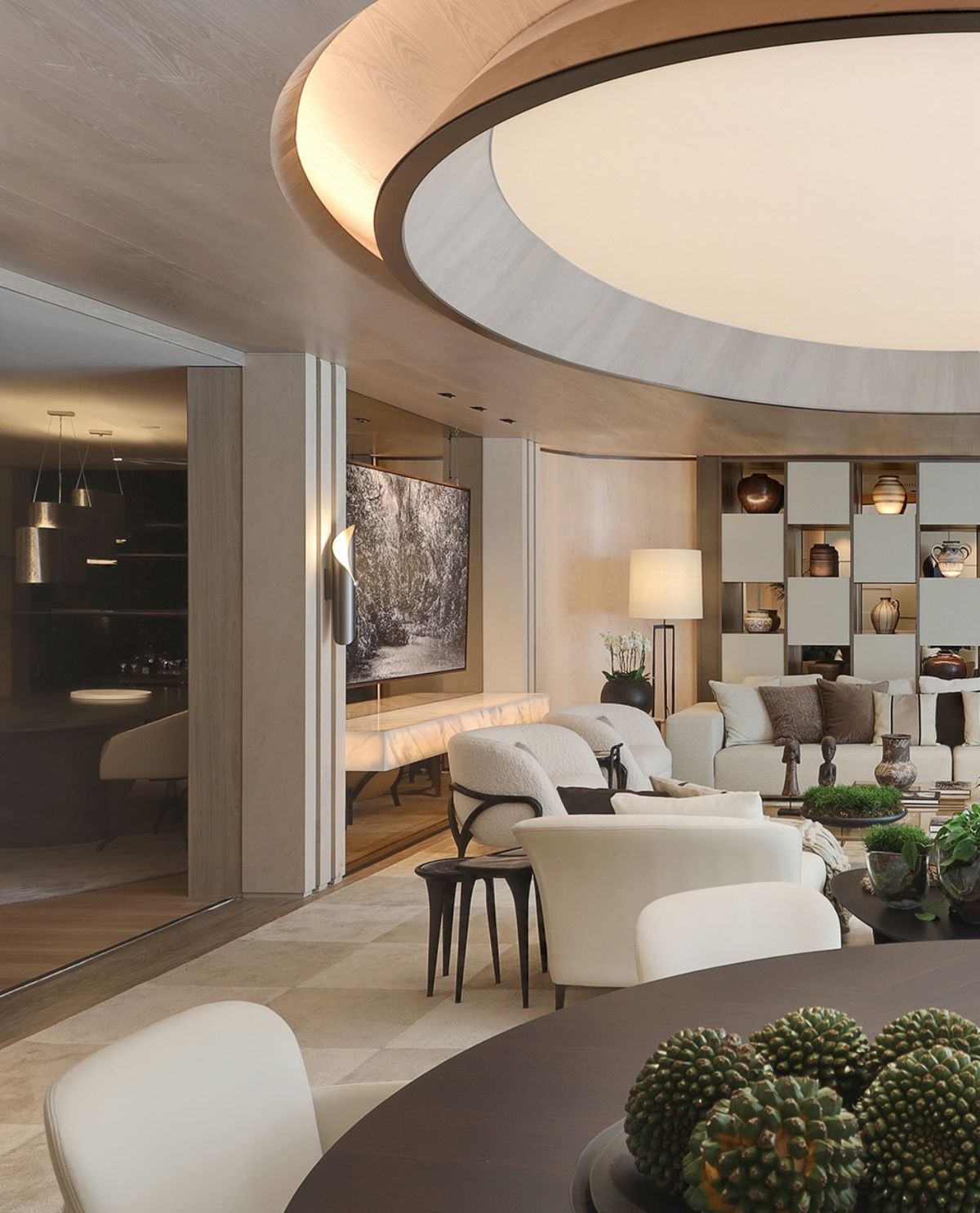
Small decisions, big improvements
The height of a switch.
The depth of a drawer.
The direction a door swings.
These details rarely make it onto mood boards, yet they quietly determine whether a space feels intuitive or slightly inconvenient. In renovation planning across Singapore, experienced designers know that the difference between a beautiful home and a comfortable home often lies in these practical considerations.
Electrical Points: Where You Place Them Matters More Than You Think
Electrical points are one of the most commonly underestimated aspects of renovation planning. Once walls are finished and furniture is installed, relocating a power point becomes far more complicated than simply adding an extension cable.
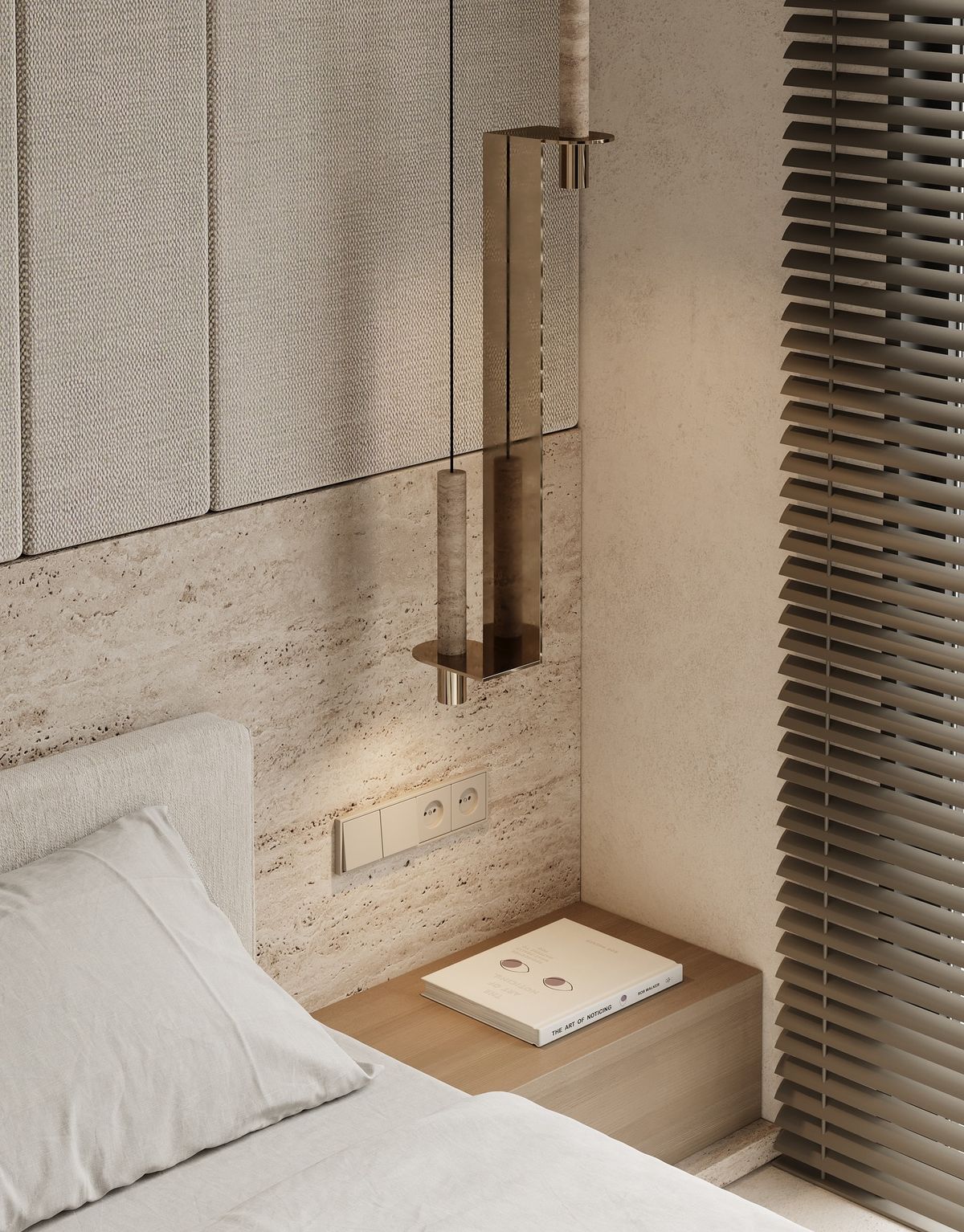
A typical guideline in Singapore homes places standard electrical sockets about 300mm above finished floor level, while switches are commonly installed around 1.2m from the floor. These measurements work well for general use, but thoughtful adjustments can dramatically improve daily convenience.
For example, bedside power points are often placed too low, forcing homeowners to reach awkwardly behind furniture. Raising them slightly above the height of the bedside table, typically around 600–700mm from the floor allows easy access for charging devices and switching lamps on or off.
In living rooms, many homeowners also forget to plan sockets near sofa arms or side tables. Adding a discreet power point near seating areas allows for charging laptops, powering lamps, or plugging in vacuum cleaners without running cables across the room.
The rule of thumb is simple: place electrical points where life actually happens, not just where the wall is empty during renovation.
Carpentry Depth: Storage That Looks Good but Actually Works
Bespoke carpentry can transform a space visually, but poorly planned dimensions can quickly make storage frustrating to use.
A common example appears in wardrobes. While a 600mm depth is considered standard for hanging clothes, many wardrobes are designed shallower to save space. The result is clothing that rubs against the doors, or hangers that must be angled awkwardly.
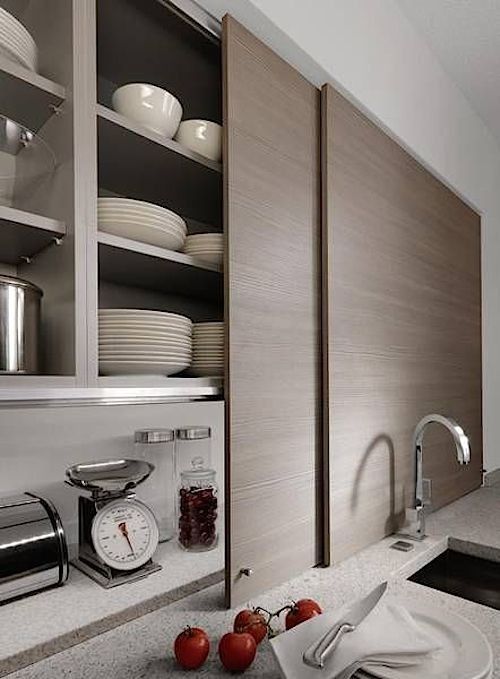
Kitchen cabinetry follows similar principles. Upper cabinets are typically around 350mm deep, which comfortably stores plates and dry goods without protruding too far into the walkway. Base cabinets usually measure 600mm deep, allowing enough room for appliances and storage systems.
However, the internal organisation matters just as much. Drawers that are too deep often become cluttered catch-alls, instead shallow drawers with dividers make daily cooking far more efficient.
In practice, well-designed carpentry focuses less on visual symmetry and more on how objects are actually stored and retrieved.
Kitchen Counter Height: One Size Rarely Fits All
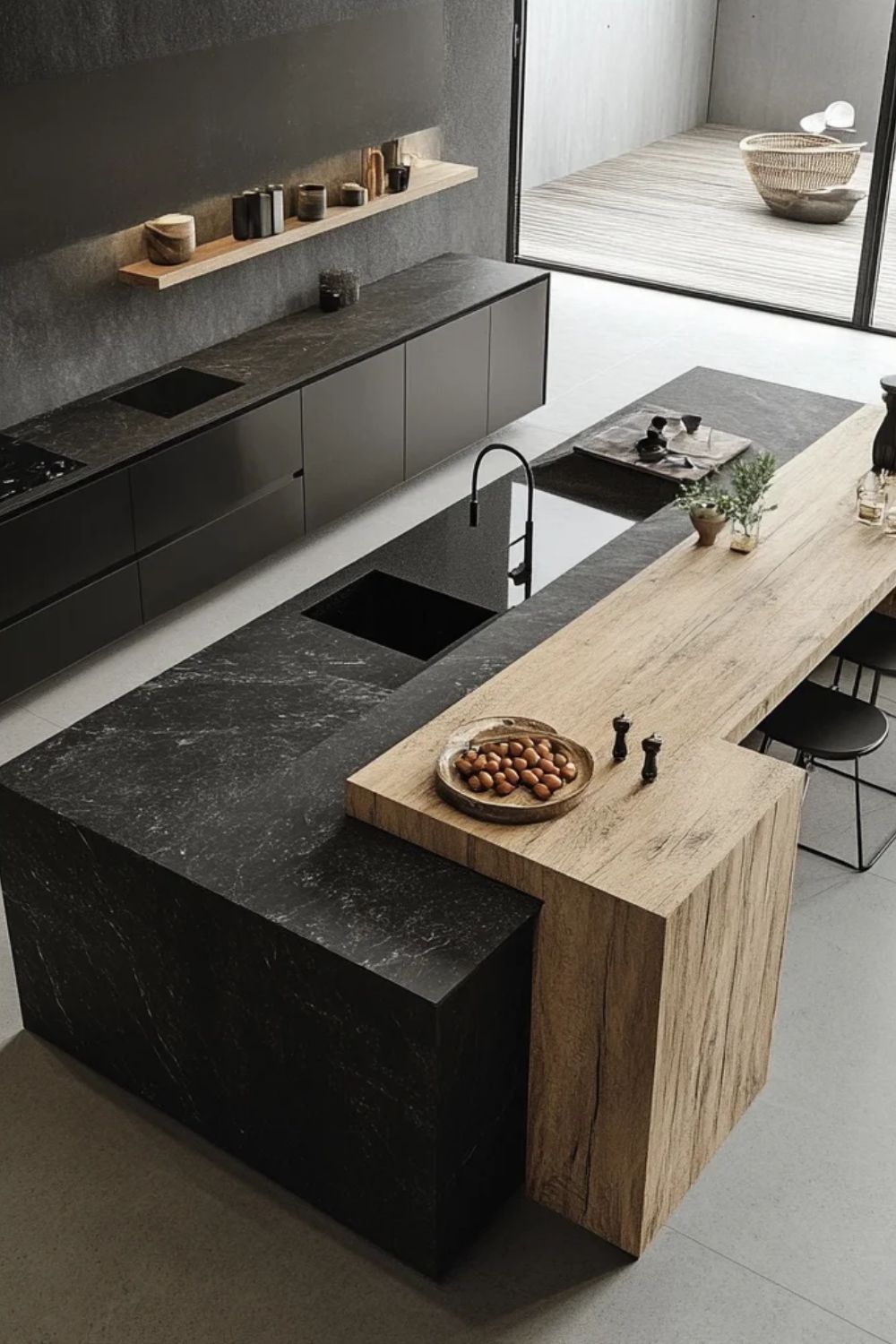
Kitchen counters in Singapore are usually built at around 850mm to 900mm high. While this standard works for many households, it does not always suit everyone.
Taller homeowners may find themselves bending slightly when preparing food, while shorter individuals sometimes struggle with upper cabinets that feel out of reach.
Good kitchen design often considers the primary user. Designers sometimes adjust the countertop height slightly even just that mere 20 to 30 millimetres can make a noticeable ergonomic difference.
Another overlooked detail is the distance between countertop and upper cabinets, which is typically around 500 – 600mm. Too little space can make the kitchen feel cramped, while too much can reduce accessible storage.
When these proportions are carefully calibrated, cooking becomes more comfortable and intuitive.
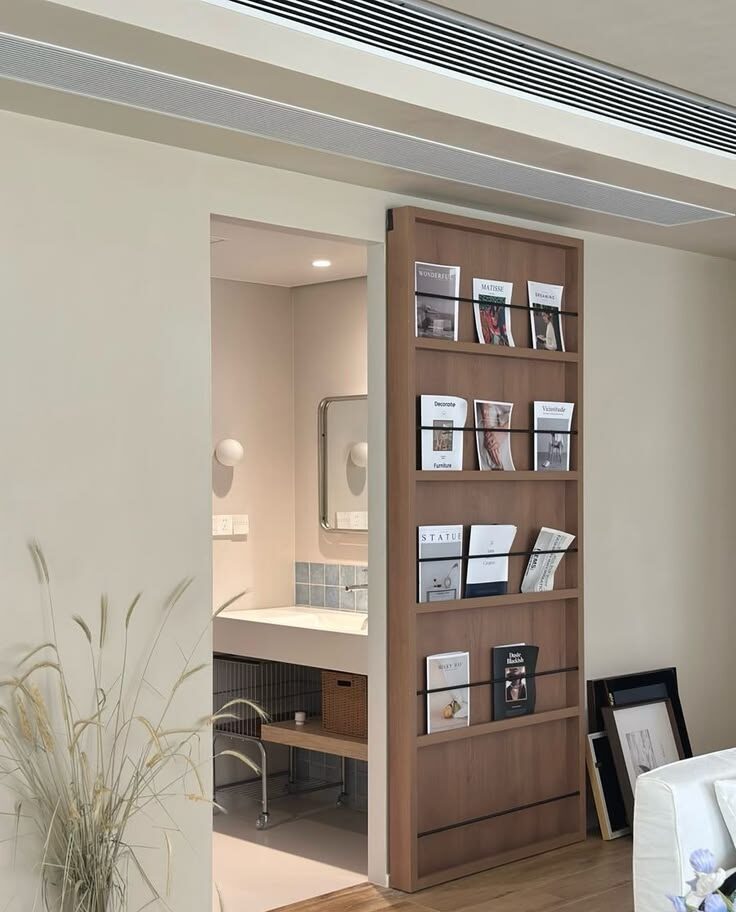
Door Swings and Circulation: The Quiet Choreography of a Home
Door swings rarely attract much attention during renovation planning, yet they can subtly affect how easily people move through a home.
A poorly positioned door can block walkways, collide with furniture, or create awkward bottlenecks in narrow corridors. Interior designers often evaluate traffic flow when deciding whether doors should swing inward, outward, or even slide. For example, bathroom doors in compact apartments are sometimes designed to swing outward or use sliding systems to maximise usable space.
Wardrobe doors follow similar logic. In tight bedrooms, sliding doors may work better than hinged ones, preventing doors from interfering with beds or bedside tables.
A well-planned layout allows doors to open naturally without interrupting daily movement.
Lighting Placement: Avoiding the “Spotlight Effect”
Lighting often receives plenty of attention aesthetically, but its placement relative to furniture is equally important.
Ceiling downlights installed directly above seating areas can create harsh shadows on faces. Similarly, lights placed too close to walls may produce uneven glare or distracting highlights. This isn’t just for our content creator clients, but even for those who frequently hop on zoom calls. You just wouldn’t want to be pitching a deal while looking ghastly.
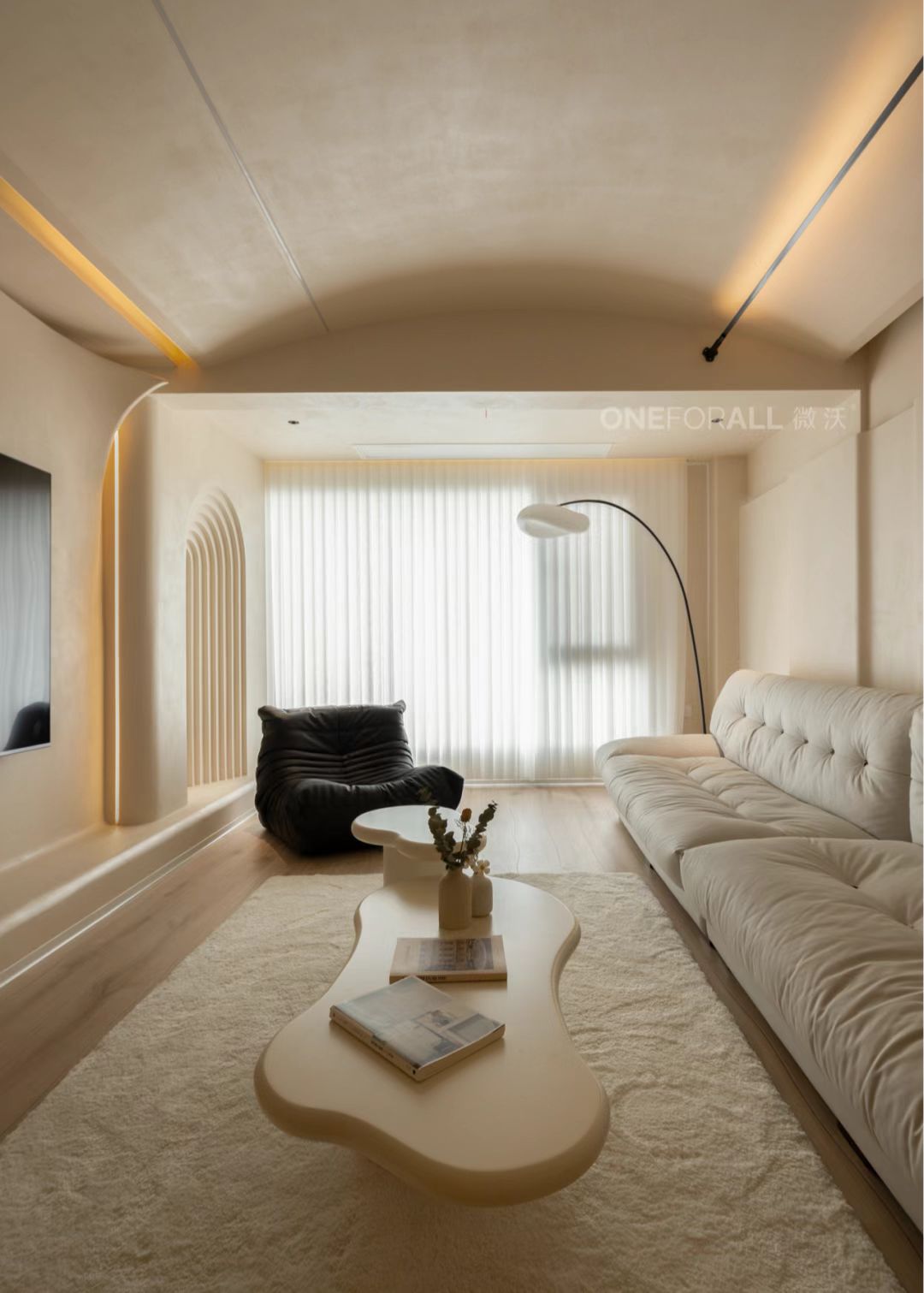
In living rooms, a helpful guideline is to position downlights approximately 600–800mm away from walls, creating softer wall illumination. Layered lighting, combining ambient lights, task lighting, and accent lighting also improves comfort.
Under-cabinet lighting in kitchens, for example, prevents shadows while preparing food. Meanwhile, bedside lighting allows reading without flooding the entire room with brightness.
When lighting works with the room rather than against it, the entire space feels calmer and more refined.
Renovation decisions are often judged by how dramatic they appear at first glance. Yet the elements that shape daily comfort tend to be quieter. In well-designed homes, the best compliment is often the simplest one: everything just feels easy to use.
And that feeling rarely happens by accident. Contact our design team at our Contact Us page, at our main line +65 63451730 or speak to our studio directors directly at +65 97386690 (Alicia)/+65 81234411 (Eugene) today!