
In many homes, carpentry is treated as background work.
Wardrobes. TV consoles. Kitchen cabinets. Storage solutions.
Functional. Necessary. Invisible.
But in high-end homes, something shifts. Carpentry stops being furniture attached to walls and starts becoming architecture itself. That’s when bespoke carpentry moves beyond storage and becomes structure, proportion, and spatial definition. And in true luxury interior design, that distinction changes everything.
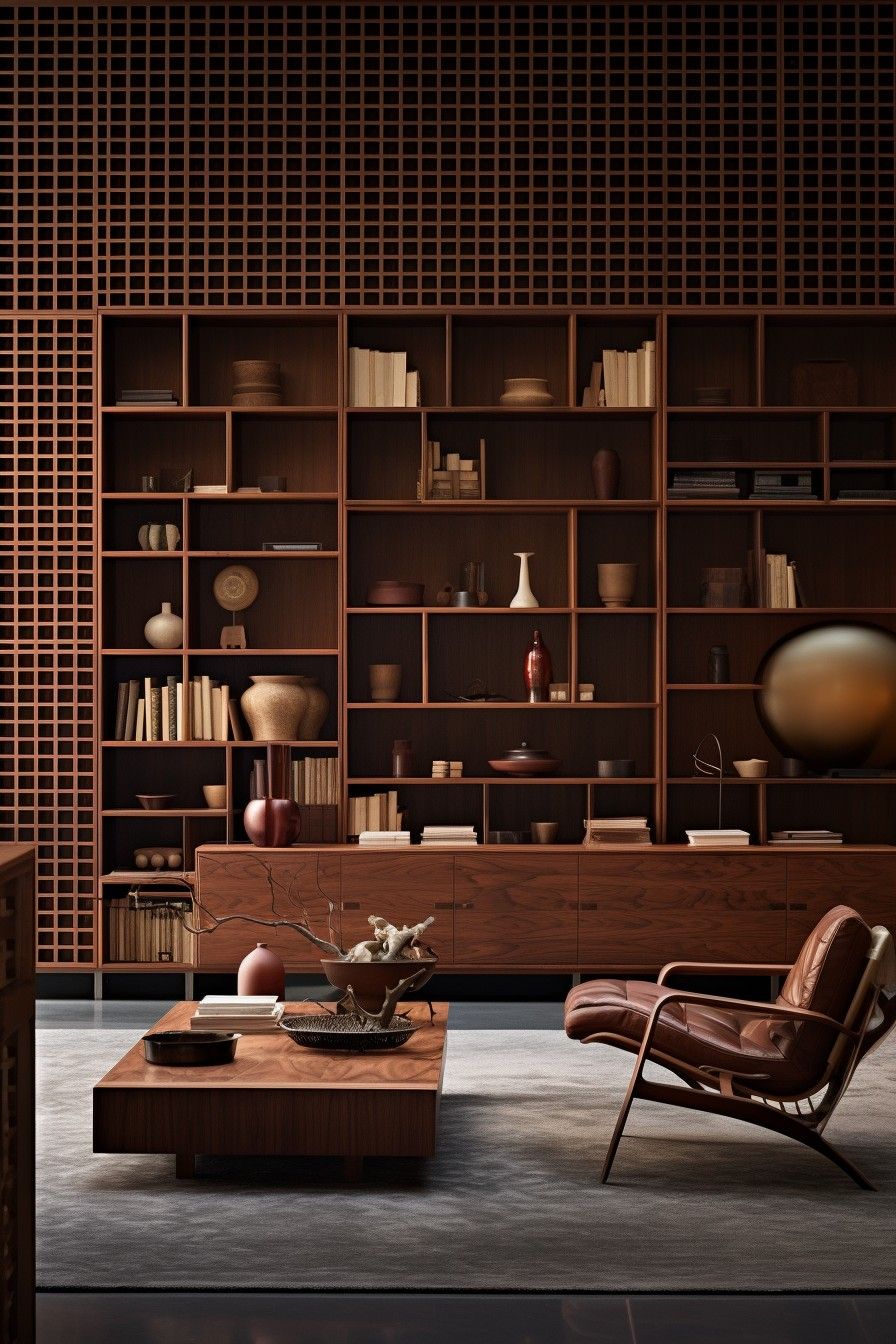
The Difference Between Built-In and Built-Into
Most renovations include built-in carpentry. However, architectural carpentry is different.
Not just asking,
“Where do we add storage?”
We ask,
“How can this element shape the entire room?”
Because once carpentry controls scale, alignment, and material continuity, it no longer feels like an add-on. It feels intentional. In refined homes across Singapore, especially landed properties and high-end condos, bespoke carpentry often defines:
- the height of a space
- the visual weight of a wall
- how light moves across a room
- how zones transition without physical partitions
It quietly does the job of architecture, without pouring concrete.
When Walls Disappear and Joinery Takes Over
For luxury interior design, we don’t always want more walls. But we also don’t want everything exposed. This is where carpentry becomes architectural.
Instead of:
- a standard TV console placed against a wall
We design:
- a full-height feature plane that integrates storage, lighting, and material contrast
Instead of:
- wardrobes pushed into a corner
We create:
- a continuous wall system that frames the bed, conceals doors, and aligns with ceiling details
The moment carpentry aligns with ceiling lines, door frames, and flooring transitions, it stops looking like furniture. It becomes part of the building language. That’s the level bespoke carpentry reaches when it’s planned from day one, not added after layouts are fixed.
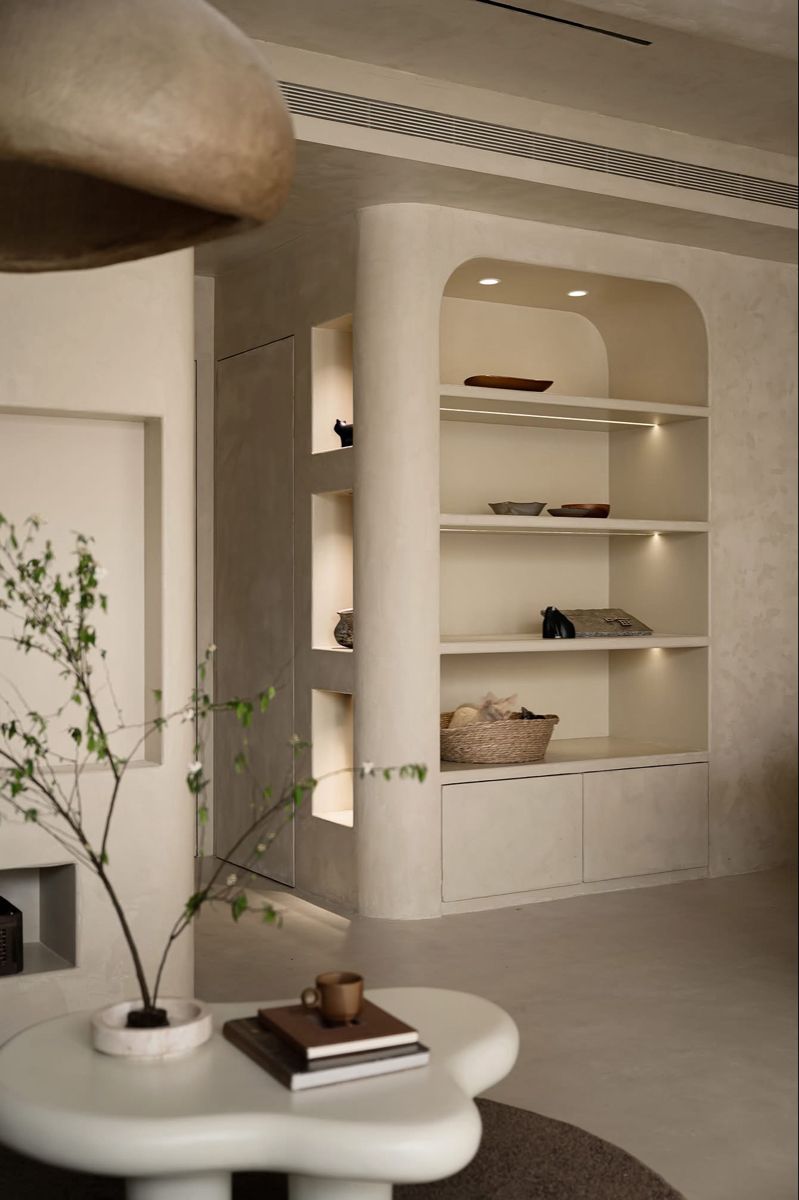
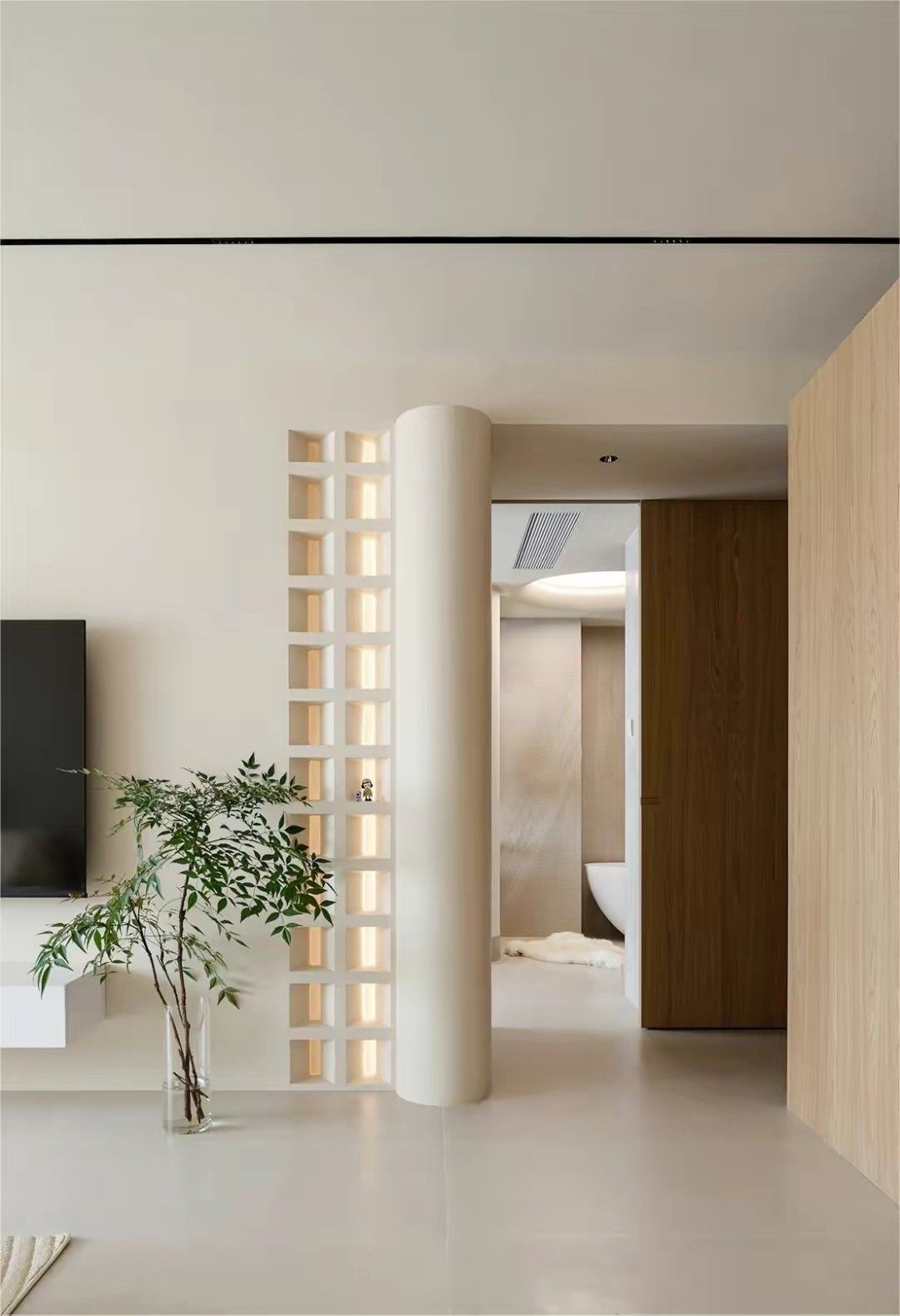
Proportion Is What Makes It Architectural
Here’s where many homes unintentionally lose sophistication. The carpentry may be expensive, but the proportions feel slightly off. I’m sure you’ve heard these complains;
Too bulky.
Too segmented.
Too many visible lines.
In comparison, architectural carpentry focuses on restraint.
We consider:
- panel widths
- shadow gaps
- symmetry or deliberate asymmetry
For example, in Singapore homes with structural beams, we often integrate carpentry flushed against or beneath them. Instead of fighting the beam, the joinery absorbs it. In certain homes leaning towards the brutalist or wabi-sabi theme, these normally annoying beams can even become a highlight.
The result? A room that feels clean, deliberate, and calm. That is the power of well-planned bespoke carpentry, it solves constraints while elevating the visual experience.
Material Consistency Creates Spatial Calm
Luxury interior design rarely relies on one “wow” cabinet. Rather, it builds continuity. Architectural carpentry often carries the same material language across entrance storage, living feature walls, master wardrobe systems and more. It’s this exact continuity that creates rhythm, and rhythm creates calm.
The home feels curated rather than assembled. It’s subtle, but it’s powerful. And this level of detailing is what defines high-end bespoke carpentry in Singapore projects from standard renovation work.
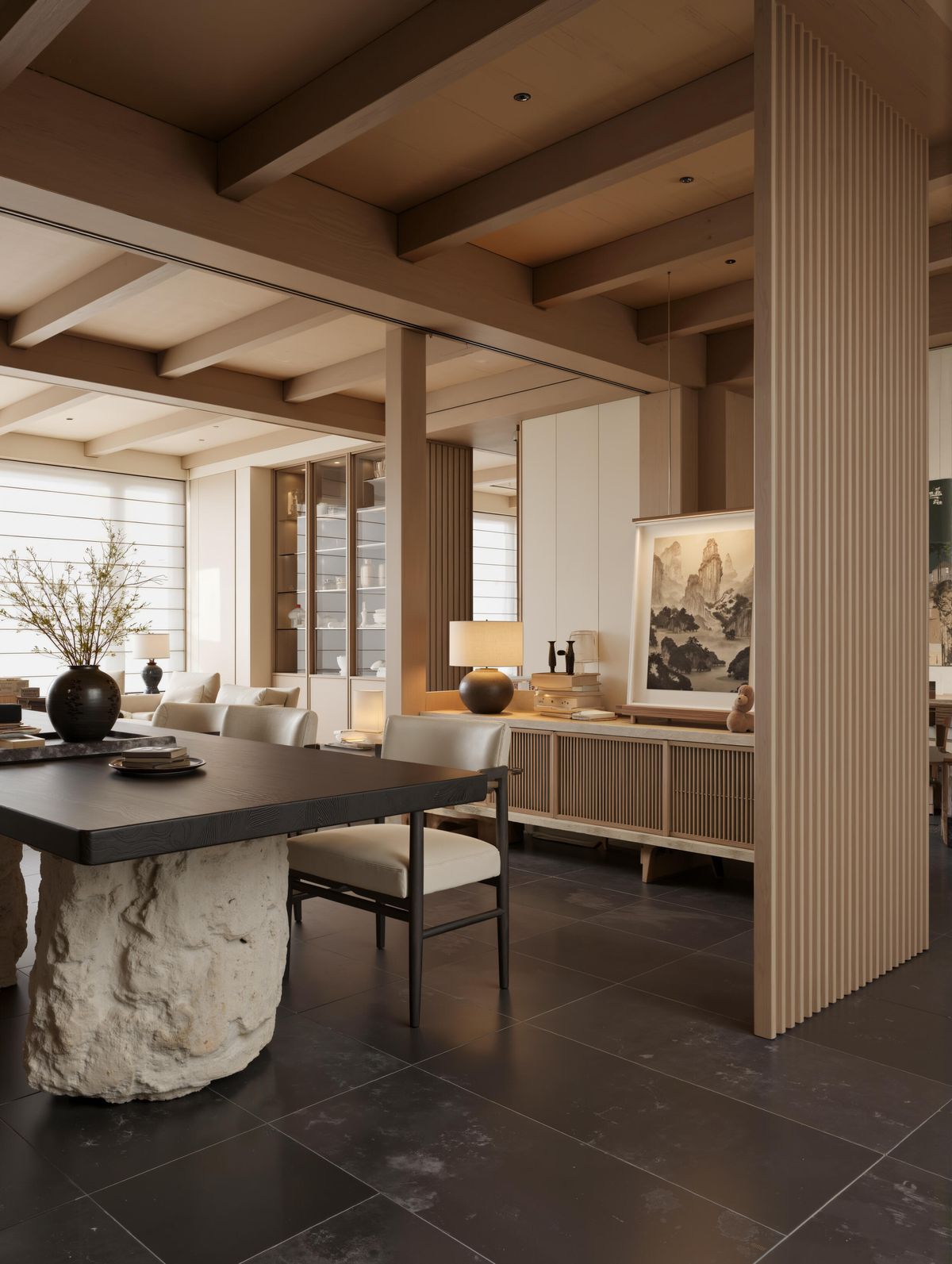
Storage Becomes Invisible
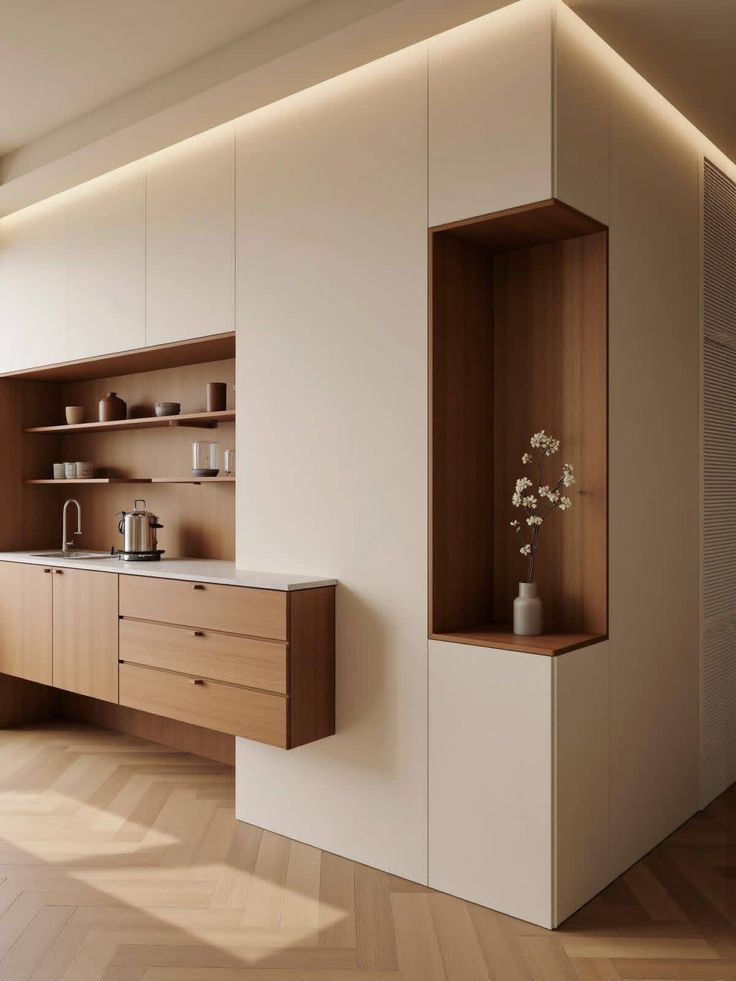
In everyday homes, storage announces itself. You see handles. Hinges. Cabinet breaks. In architectural carpentry, storage disappears. Handles become recessed, doors become flush and panels align edge to edge. Even switches and concealed doors are integrated within the joinery. The goal isn’t to show how much carpentry you’ve installed. The goal is to make the space feel composed.
Ironically, the more refined the carpentry, the less you notice it. That’s when you know it’s working.
It Requires Early Planning, Not Afterthought Decisions
Here’s the honest truth, architectural carpentry cannot be improvised midway. It must be designed alongside:
- ceiling plans
- lighting layouts
- electrical positioning
- flooring transitions
Because once everything else is fixed, carpentry becomes reactive. However, when planned from the beginning, bespoke carpentry becomes the backbone of the entire spatial concept. It supports lighting, frames view, defines zones and anchors the most important proportions. It carries the design language throughout the home.
That’s no longer decoration, that’s architecture within the interior envelope.
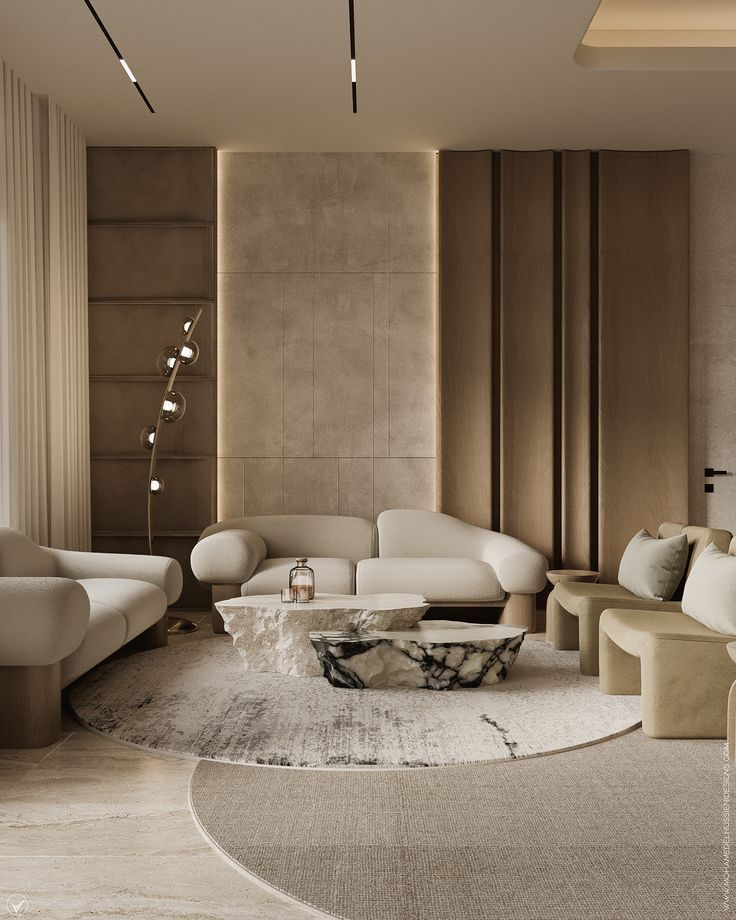
High-end homes often feel expensive not because of marble or designer brands but because everything feels aligned. It’s what you don’t feel, no awkward gaps, no misaligned panels and no visual noise.
And in luxury interior design, that intention is what creates long-term value. Because trends change. But proportion, precision, and spatial clarity never go out of style. Contact our design team at our Contact Us page, at our main line +65 63451730 or speak to our studio directors directly at +65 97386690 (Alicia)/+65 81234411 (Eugene) today!