
For many years, office design was viewed as a purely functional exercise. Companies focused on fitting desks, meeting rooms, and storage into a workable layout. As long as the space supported daily operations, the job was considered done.
Today, that perspective has shifted dramatically.
Modern workplaces are no longer just places where employees work. They are spaces where brands are experienced; by clients, partners, and even potential hires. Every design decision, from the reception desk to the materials on the walls, communicates something about a company’s identity.
This is why office interior design is something Singapore businesses invest in today increasingly. It becomes part of a broader strategy to shape how people perceive the brand. And when done well, the office itself becomes a powerful storytelling tool.
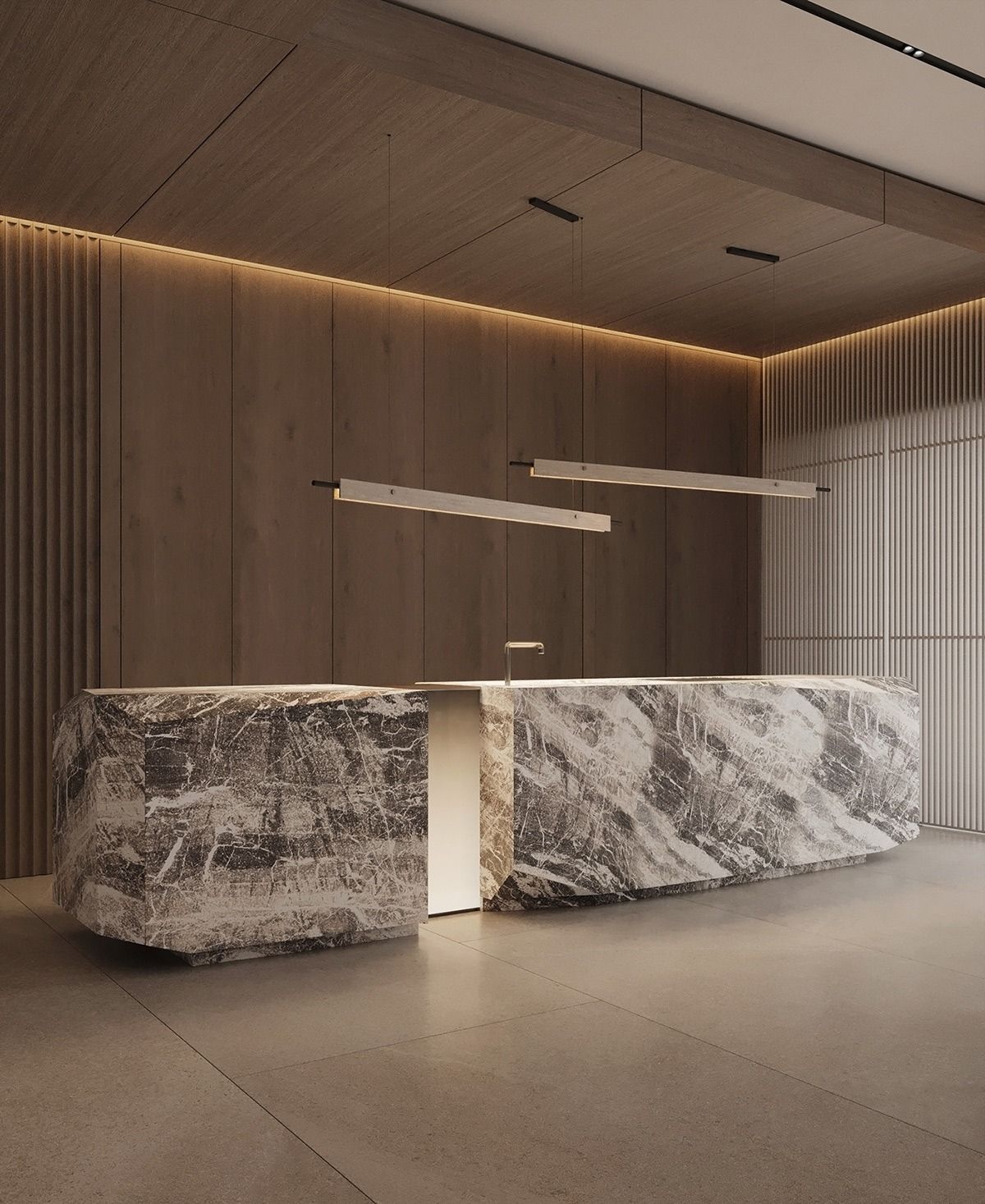
Reception Areas as the First Chapter of the Brand Story
The reception area is often the very first physical interaction someone has with a company. Within seconds of entering the space, visitors begin forming impressions about professionalism, innovation, and credibility.
Because of this, reception design plays an important role in corporate office renovation projects.
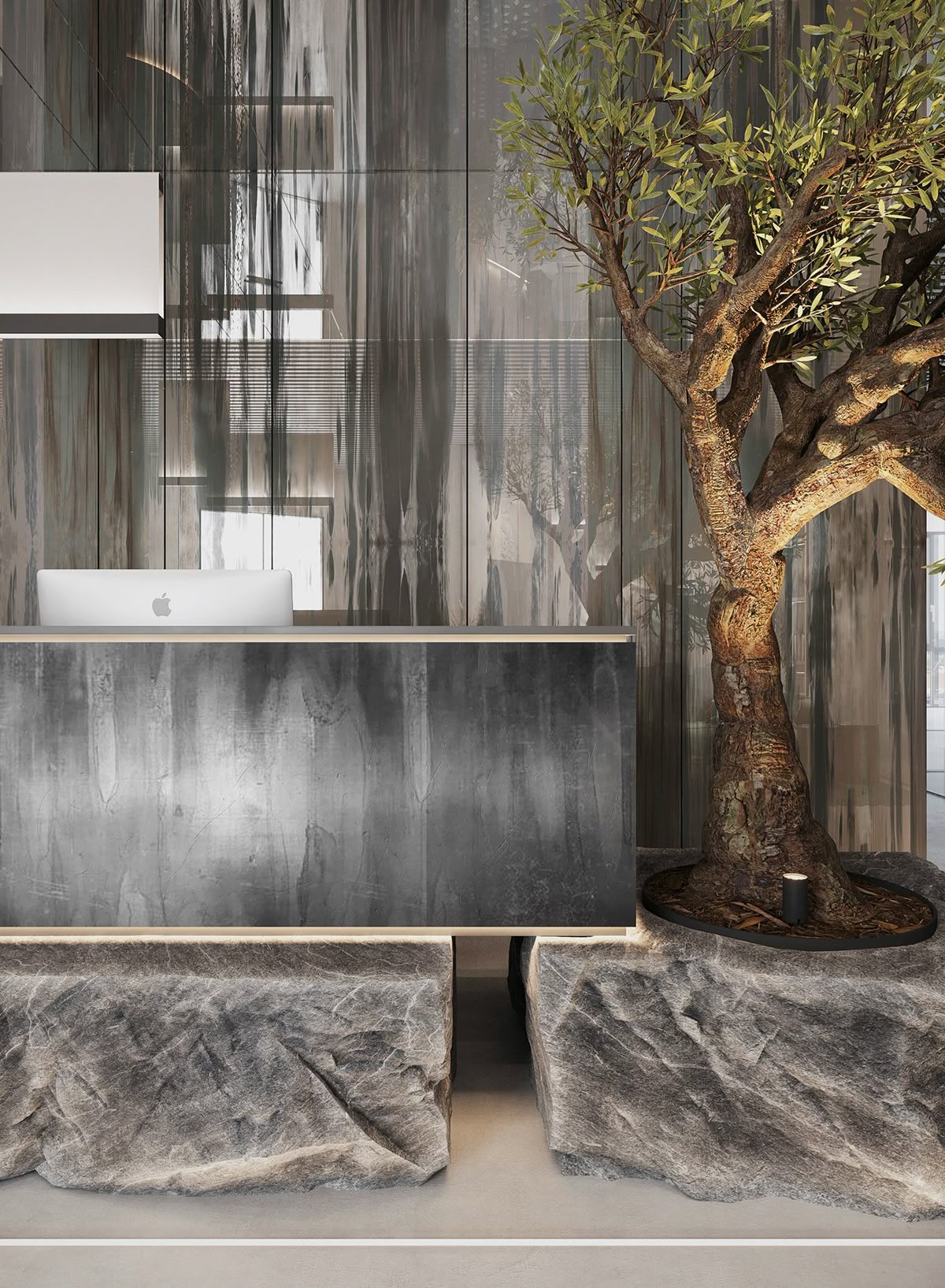
Instead of treating the reception desk as a simple checkpoint, many companies now view it as the opening chapter of their brand story. Lighting, materials, and spatial layout all contribute to the atmosphere the brand wants to convey. A technology company might favour sleek surfaces, integrated digital displays, and precise lighting lines that emphasize innovation. Meanwhile, a consultancy firm might opt for warmer materials like wood and textured stone to communicate trust and reliability.
In both cases, the goal is the same: ensuring that the moment a visitor walks through the door, the environment reflects the brand’s values before a single conversation begins. In this way, thoughtful office interior design use reception areas to create memorable first impressions.
Material Choices Speak Without Words
Materials are often perceived as aesthetic decisions, but in reality, they communicate far more.
Every surface in an office – flooring, wall panels, worktops, contributes to the emotional tone of the environment. Over time, companies have realised that these choices subtly reinforce brand identity.
For example, brands that prioritise innovation often lean towards materials such as metal finishes, glass, and engineered surfaces. These materials reflect precision and modernity. On the other hand, organisations focused on wellness, sustainability, or hospitality might favour timber, textured fabrics, or stone that introduces warmth and natural character.
These design cues may seem subtle, yet they influence how visitors and employees interpret the brand. Experienced designers working on office interior design Singapore projects therefore consider material selection carefully, ensuring that the environment aligns with the company’s message rather than contradicting it.
A workspace designed with this level of intention feels cohesive not just visually, but conceptually.
Designing Client-Facing Experience Zones
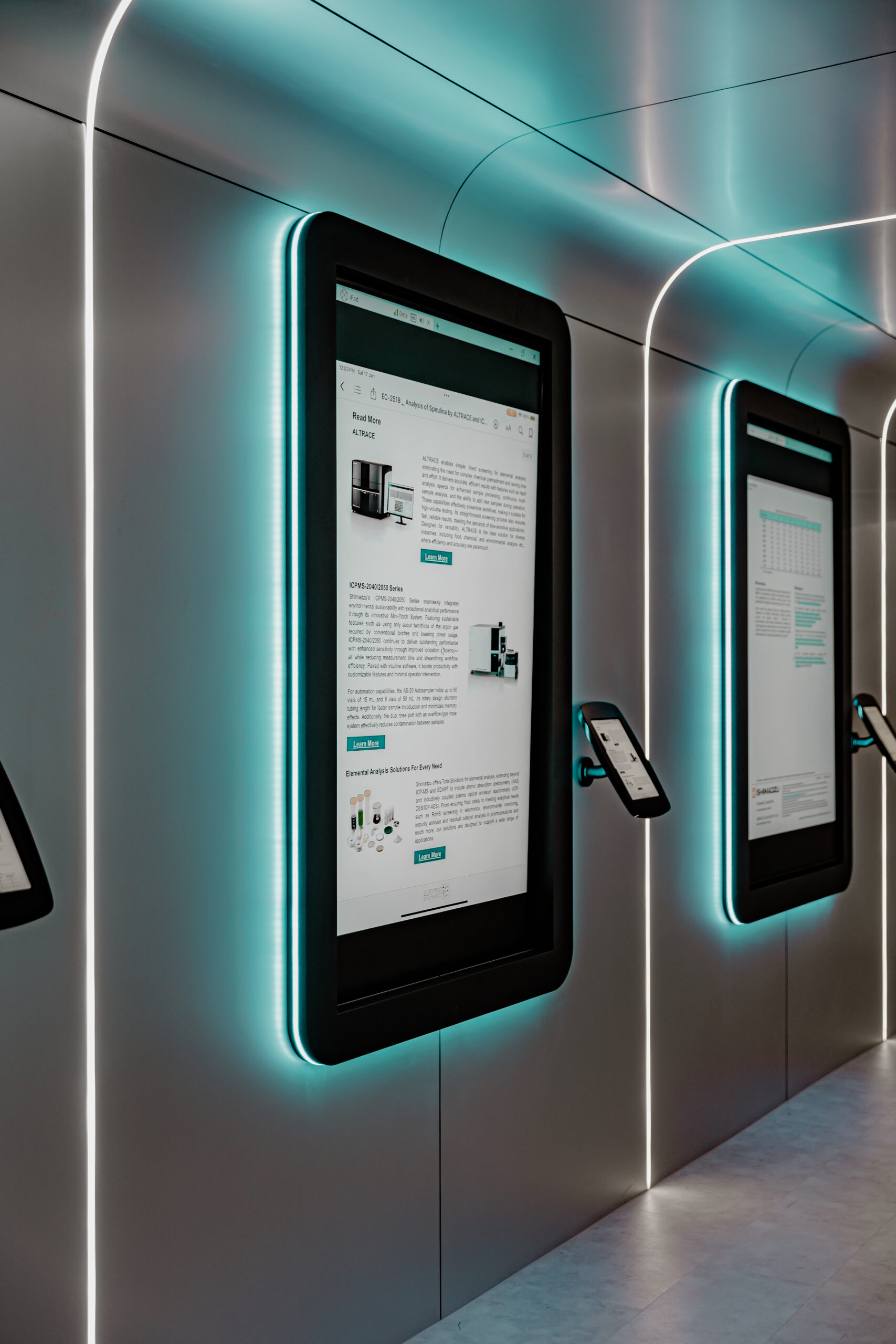
Many modern offices now incorporate spaces that go beyond traditional meeting rooms. These areas are designed specifically for interaction, presentations, or product demonstrations. Instead of simply discussing services around a conference table, companies can now showcase their expertise through immersive environments.
For example, a showroom-style corridor might introduce visitors to key innovations before they even reach the meeting room. Interactive displays, curated product showcases, or visual storytelling panels help clients understand the company’s capabilities more clearly.
These experience zones transform office visits into engaging journeys rather than routine meetings. It’s practically the same way how food samples handed out works. You try it, you like it, and you’re hooked.
As a result, office interior design in Singapore projects increasingly include spaces dedicated to brand engagement. These areas allow companies to communicate their expertise in a physical, memorable way.
When visitors leave with a clearer understanding of what the brand represents, the office has successfully done more than provide a meeting space, it has reinforced the company’s value proposition.
Aligning the Physical Office With the Digital Brand
In today’s digital world, many people encounter a brand online before ever stepping into its office. The company’s website or social media presence will undoubtedly create a certain expectation about the company’s identity. When the physical office contradicts that image, the experience can feel disjointed.
For instance, a brand that presents itself online as forward-thinking and innovative should ideally have a workspace that reflects similar qualities. Clean lines, thoughtful lighting, and contemporary materials help reinforce that message.
On the other hand, a company that positions itself around heritage, craftsmanship, or trust may benefit from an office environment that incorporates richer textures and timeless materials. Now imagine if those qualities were reversed. It’s a rather odd thought, isn’t it?
Consistency between the digital brand and the physical environment ensures that every interaction with the company feels coherent. It also strengthens credibility, as the office becomes a natural extension of the brand identity already established online.
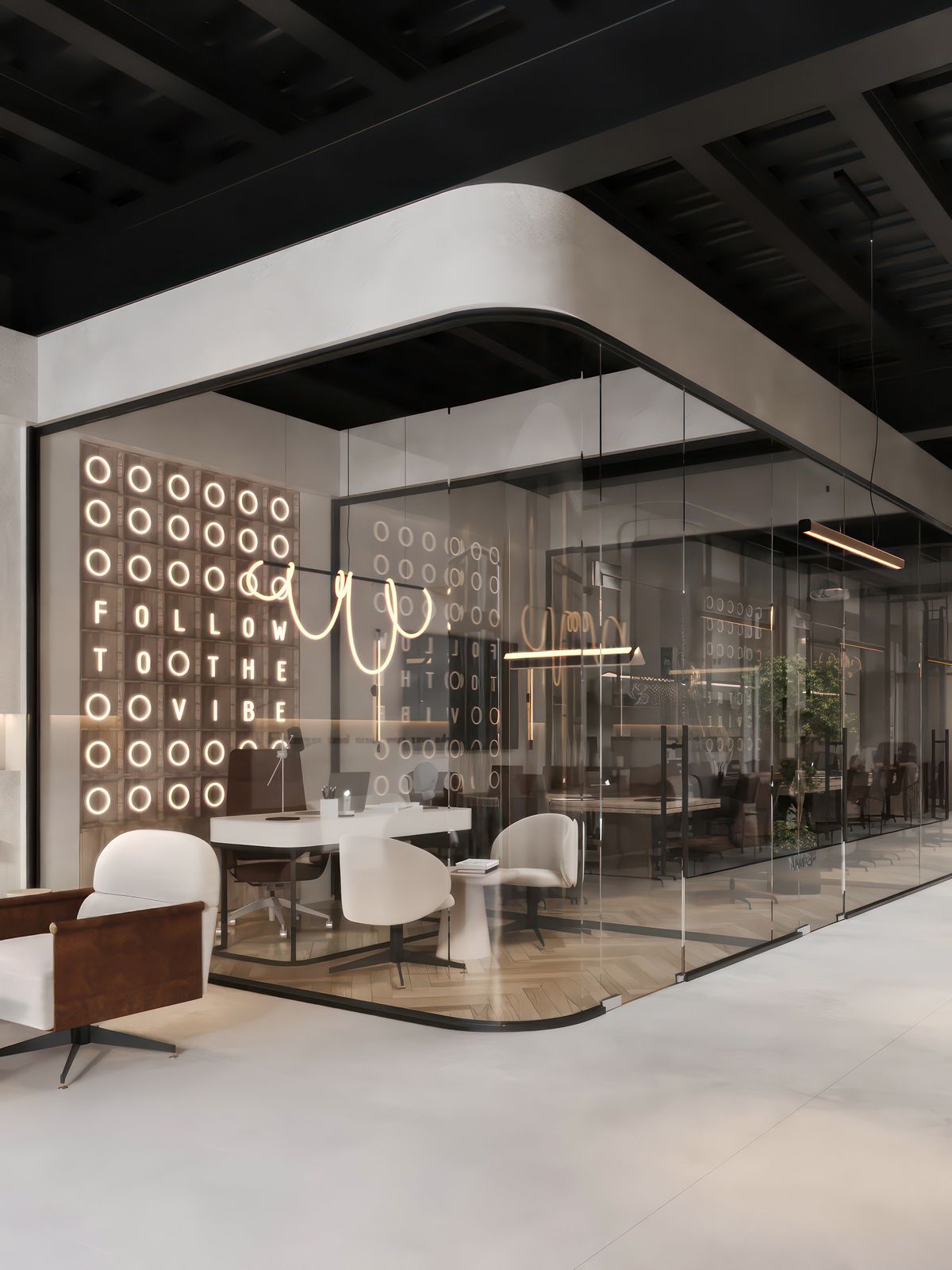
When Design Supports Both Clients and Employees
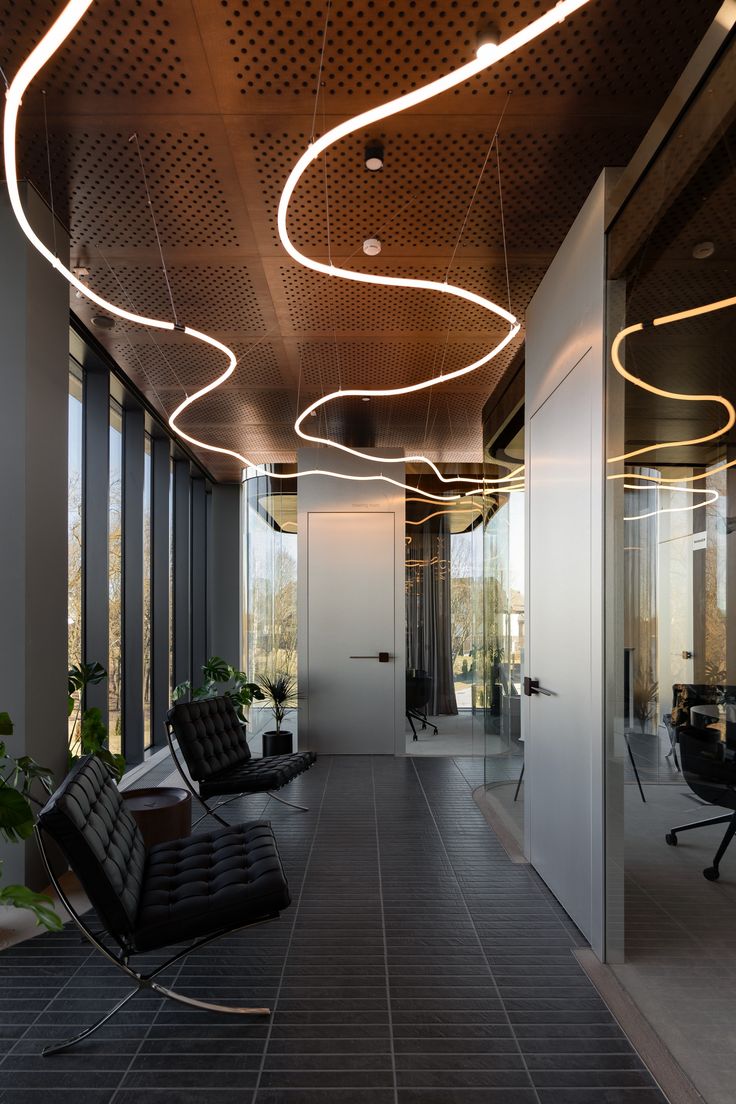
While brand perception often focuses on visitors, employees also experience the office every day. The design therefore needs to support internal culture as well as external impressions.
Spaces that feel comfortable, thoughtfully organised, and visually inspiring can improve both morale and productivity. Collaborative areas encourage communication, while quieter zones support focused work. When employees feel proud of their workplace, that pride naturally translates into how they represent the company.
In this way, corporate office renovation projects serve a dual purpose. They strengthen the company’s image externally while creating an environment internally that supports the people behind the brand.
A well-designed office does more than house desks and meeting rooms. It becomes a physical expression of what a company stands for. When design aligns with brand values, the office stops being just a workplace.
It becomes part of the brand story.
Contact our design team at our Contact Us page, at our main line +65 63451730 or speak to our studio directors directly at +65 97386690 (Alicia)/+65 81234411 (Eugene) today!