
Scroll through any design platform today and you’ll find thousands of beautiful homes. Minimalist kitchens, sculptural lighting, perfectly styled living rooms – each space photographed to look effortless and aspirational.
But there’s one question homeowners rarely ask before saving those images to their inspiration boards:
Will this design actually work for the way I live?
Because while inspiration platforms are useful for discovering styles, they often prioritise aesthetics over daily functionality. The result is that many homes end up looking impressive in photos but feel slightly inconvenient in everyday life.
This is where personalised interior design for Singapore homeowners increases in value. Instead of replicating popular design trends, thoughtful design starts with understanding habits, routines, and lifestyle patterns. After all, the most successful homes are not the ones that look the most like Pinterest, they are the ones that quietly support the people living in them.
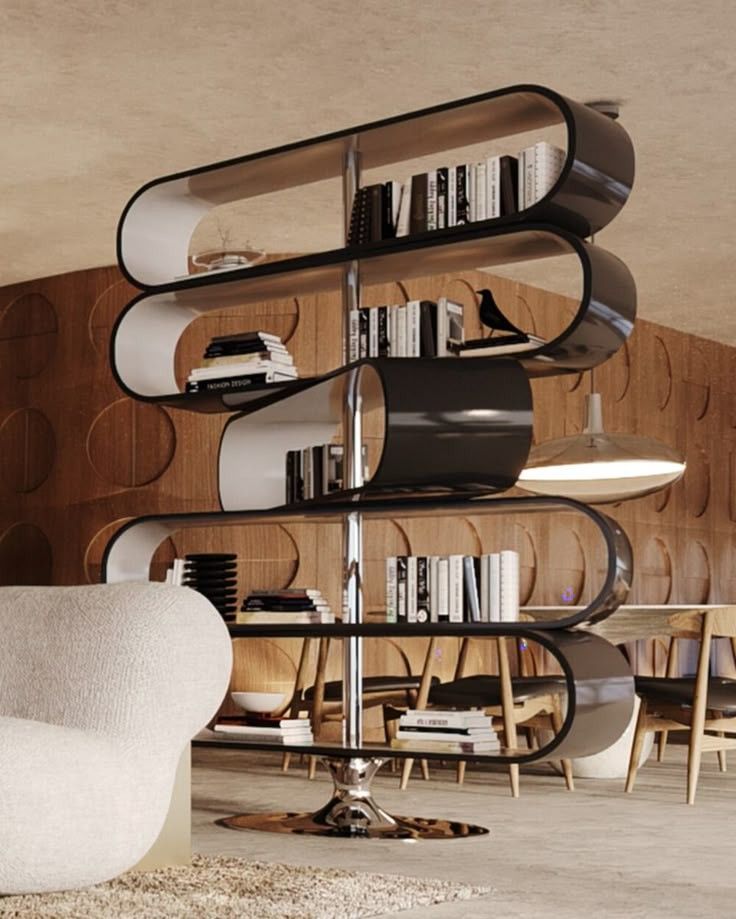
When Beautiful Homes Don’t Fit Real Life
Many popular interior styles are based on visual simplicity. Open shelving replaces cabinets, decorative furniture replaces practical storage, and large statement pieces dominate living areas. While these elements photograph well, they may not suit every household.
For instance, a family that cooks daily might quickly find open kitchen shelving difficult to maintain. Without proper storage planning, items accumulate on countertops and the kitchen starts to feel cluttered. Similarly, a living room styled around a single statement sofa might work for a minimalist couple, but it may feel insufficient for a household that regularly hosts friends or extended family. While we’re saying these have challenges, it’s completely conditional to each home.
These situations highlight a common challenge: designing a home around visual inspiration rather than real behaviour. Though for personalised interior design, designers often begin by asking homeowners about daily routines. Do they cook often? Do they entertain guests frequently? Do children require study areas or flexible play spaces?
The answers to these questions shape the layout far more effectively than any trending aesthetic.
Designing Around Daily Habits
A home that truly works for its occupants reflects the rhythm of daily life. Some households begin their mornings with quick breakfasts before rushing out the door. Others treat mornings as slower moments, gathering around the kitchen island for coffee and conversation.
Even these small behavioural patterns can influence design decisions.
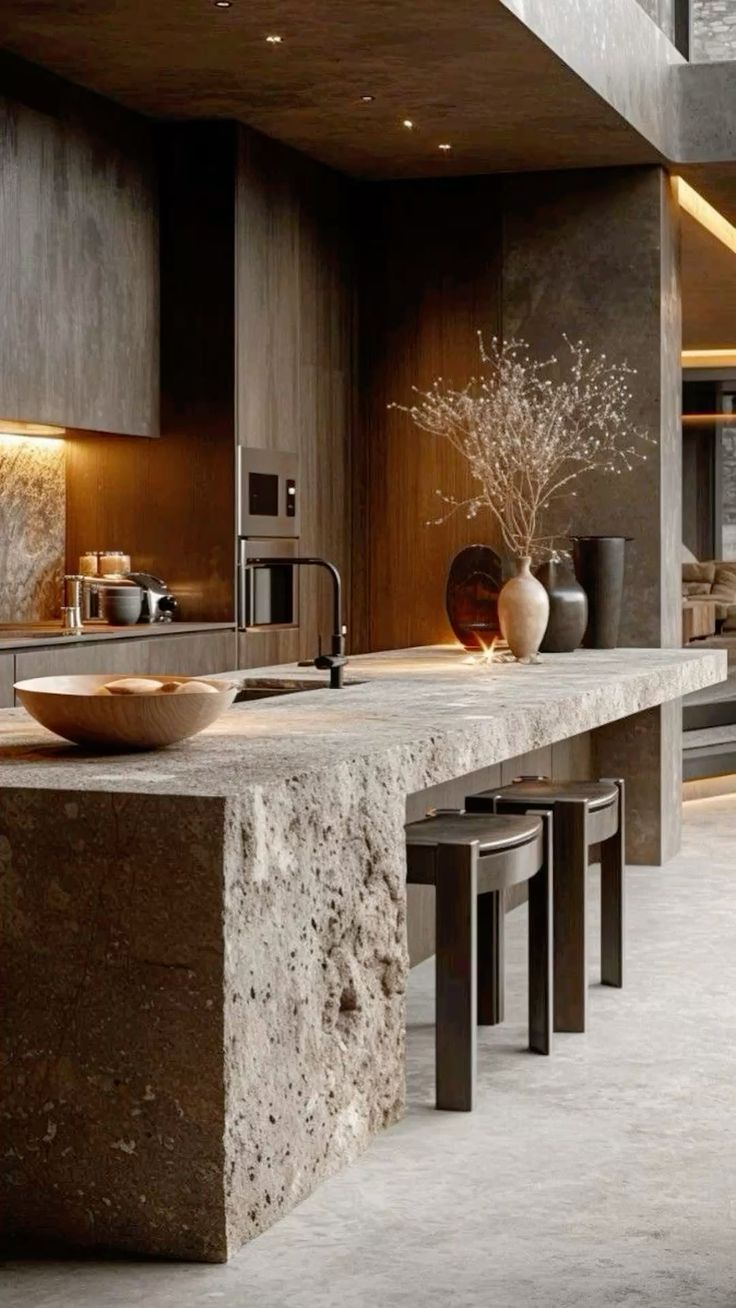
Homeowners who cook frequently may benefit from larger countertop work zones and easily accessible storage for cooking tools. Meanwhile, households that order takeaway regularly may prioritise dining comfort or entertainment areas instead.
You may not think of them at first, but laundry routines, work-from-home habits, and even shoe storage preferences all shape the practical flow of a home. The home adapts to its occupants, not the other way around.
Family Size and Future Flexibility
Another important consideration is how household dynamics evolve over time.
Young couples may initially prioritise open living spaces and entertainment areas. However, as families grow, the need for study corners, additional storage, and quieter zones often becomes more important. Good design therefore anticipates change.
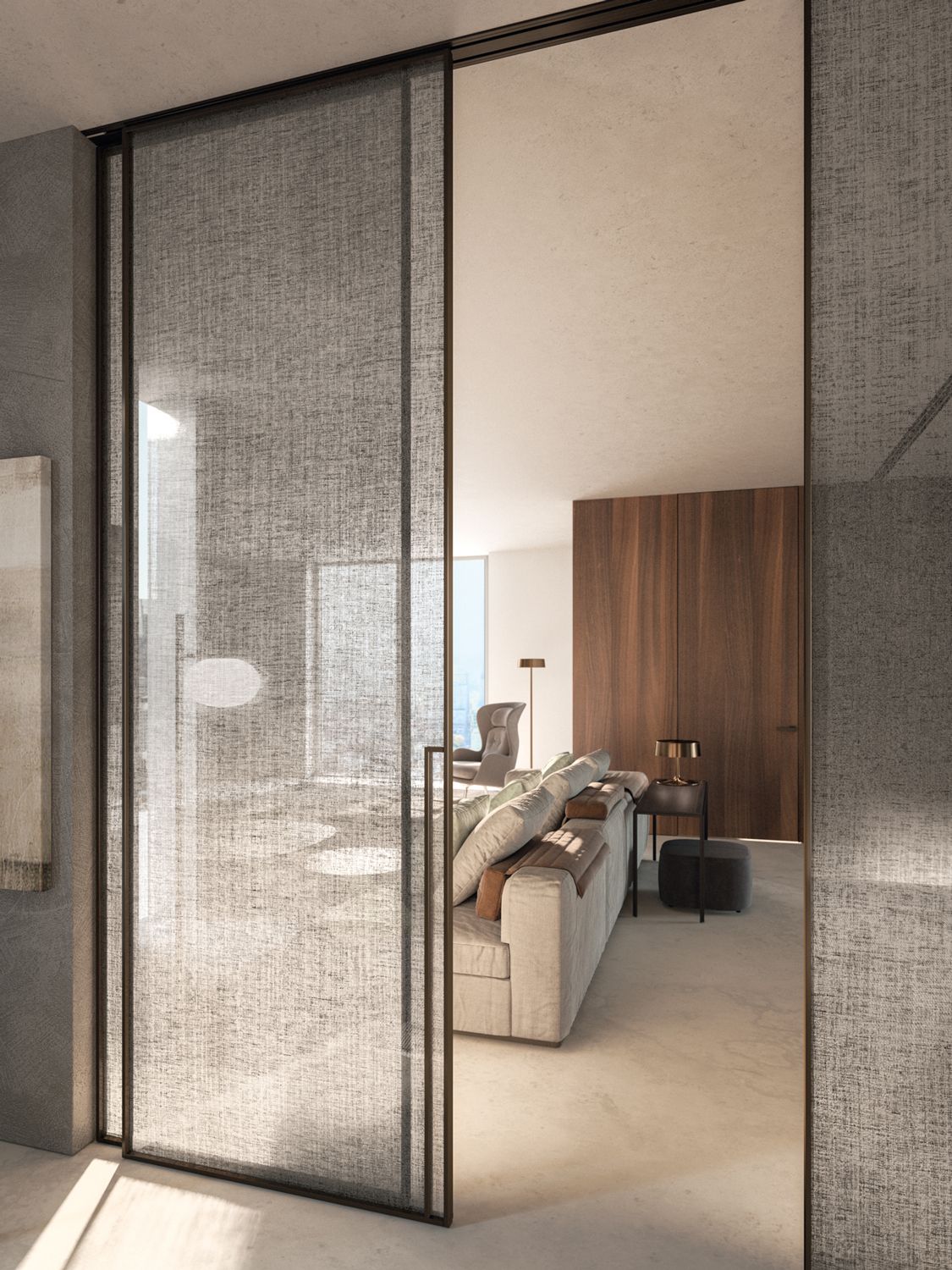
In many personalised interior design Singapore projects, flexibility becomes part of the planning strategy. The minor things like sliding partitions, multi-functional rooms, or adaptable storage systems allow spaces to evolve as family needs shift. But these aren’t things that come into mind upon first thought.
A study room today might become a nursery tomorrow. A guest room may later transform into a workspace. Designing with flexibility ensures that the home continues to function well even as lifestyles change.
Hosting Styles Shape the Layout
How people host guests can significantly influence spatial planning.
Some homeowners enjoy large gatherings where guests move freely between living areas, dining spaces, and kitchens. Others prefer intimate settings with smaller groups seated comfortably around the dining table. I’m sure it’s a dream for some to host those themed soirees with customised cakes, beautiful dim lighting and coloured ribbons all around. It’s exactly that difference in wishes we take note of.
These hosting styles affect decisions such as seating arrangements, circulation paths, and furniture placement. A household that regularly entertains may benefit from an open layout where the kitchen connects naturally to the living and dining areas. Meanwhile, homeowners who prefer quieter evenings might prioritise cosy lounge seating and layered lighting that creates a relaxed atmosphere.
By understanding these social habits, personalised interior design ensures that the home supports both everyday living and special occasions.
The Difference Between Copying and Customising
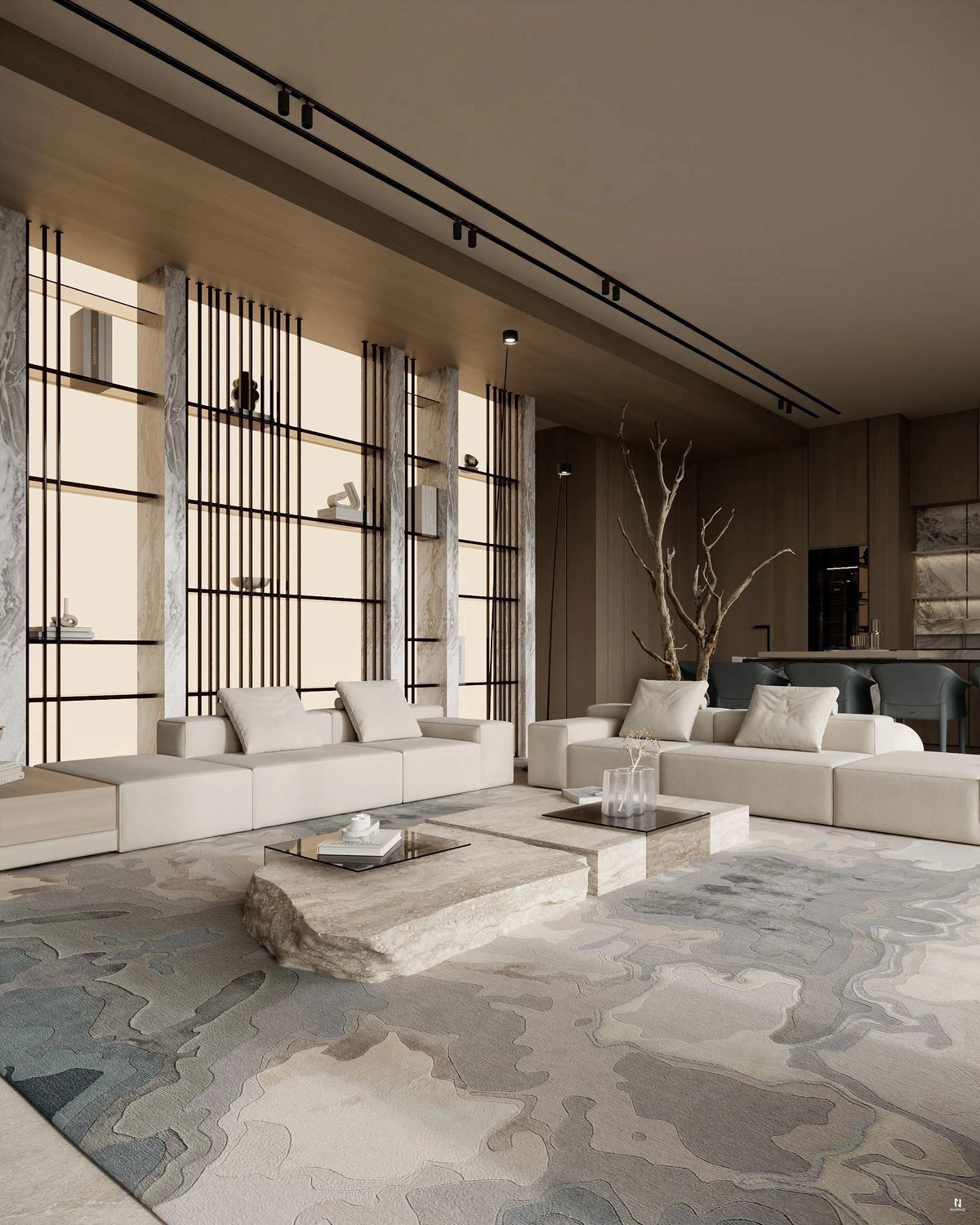
There is nothing wrong with drawing inspiration from beautifully designed homes. The challenge arises when design ideas are copied without adapting them to the homeowner’s lifestyle.
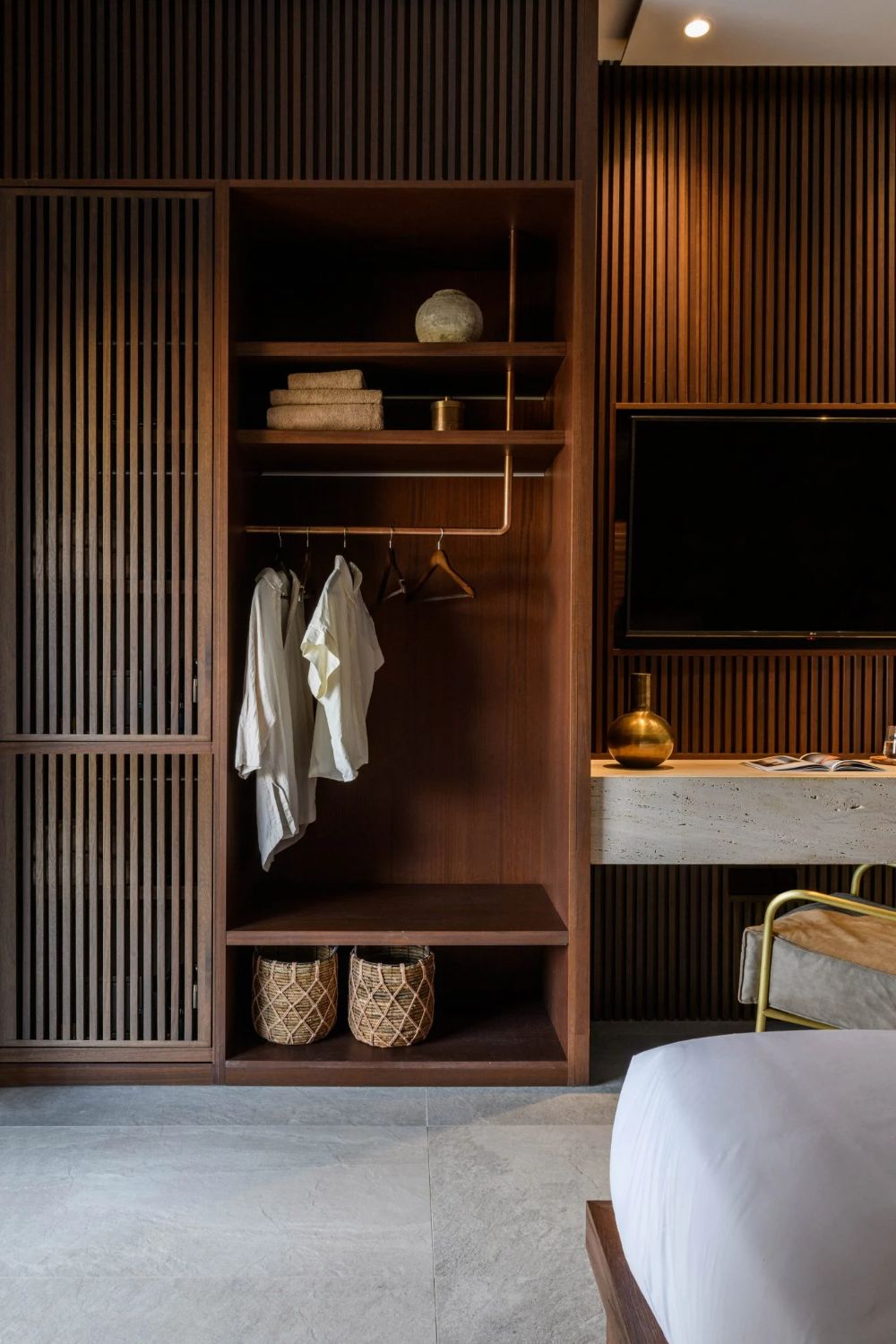
A sleek marble kitchen might look stunning in photos, but if the household prefers quick and casual meals, a more practical layout could be more suitable. Similarly, open wardrobes may look elegant in minimalist interiors but require disciplined organisation to remain visually tidy.
Rather than replicating designs exactly as they appear online, personalised interior design focuses on translating inspiration into something tailored. The colours, materials, or stylistic elements may remain similar, but the layout and functionality evolve to suit the household.
In this way, inspiration becomes a starting point rather than a strict blueprint. And that’s i.Poise’s blueprint.
The best-designed homes rarely draw attention to their functionality. Instead, everything simply feels natural. Through personalised interior design, homeowners can create spaces that feel both beautiful and practical, homes that look good in photographs but work even better in everyday life.
Because ultimately, the purpose of a home is not just to be admired.
It is to be lived in.
Contact our design team at our Contact Us page, at our main line +65 63451730 or speak to our studio directors directly at +65 97386690 (Alicia)/+65 81234411 (Eugene) today!