
When most people renovate a landed home, they naturally focus on the present. How many bedrooms are needed today, which kitchen layout works best for the family or whether the living room feels spacious enough to entertain guests.
What often gets overlooked is a simple reality.
A home that lasts twenty or thirty years will almost certainly outlive the lifestyle it was originally designed for. Children grow up, parents move in. Priorities shift in ways that are difficult to predict during renovation.
This is why more homeowners are beginning to embrace the idea of aging in place Singapore. Rather than viewing future-proofing as something only older homeowners should consider, it is increasingly seen as good design from the very beginning.
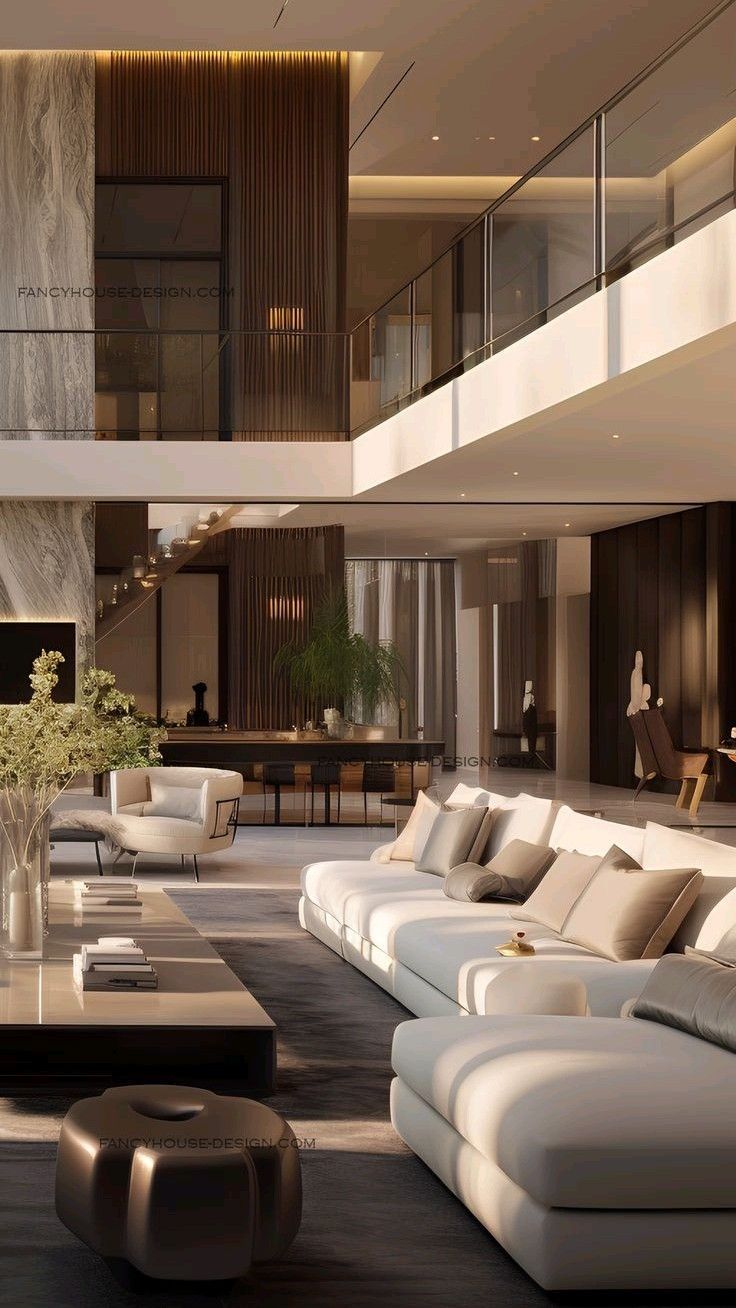
Future-Proofing Is About Flexibility, Not Age
There is a common misconception that future-proofing means making a home look clinical. People imagine handrails everywhere, wheelchair ramps at the entrance, or spaces that feel more like healthcare facilities than family homes.
In reality, future-proofing is far more subtle. It is about making thoughtful design decisions today that prevent costly renovations tomorrow.
A study room that can become a ground-floor bedroom, a bathroom designed with enough space for easier accessibility in the future. Most importantly, electrical provisions that allow new technology to be added without tearing open finished walls.
These decisions rarely change how the home looks. But they dramatically change how long the home continues to serve its owners. Good future-proof home design is never just about preparing for the worst.
Barrier-Free Design Benefits Everyone
Barrier-free design is often associated with elderly homeowners, but its benefits extend far beyond ageing.
Parents pushing strollers appreciate level flooring, someone recovering from an injury benefits from wider circulation paths. Carrying heavy luggage upstairs suddenly feels less challenging when access has been planned thoughtfully.
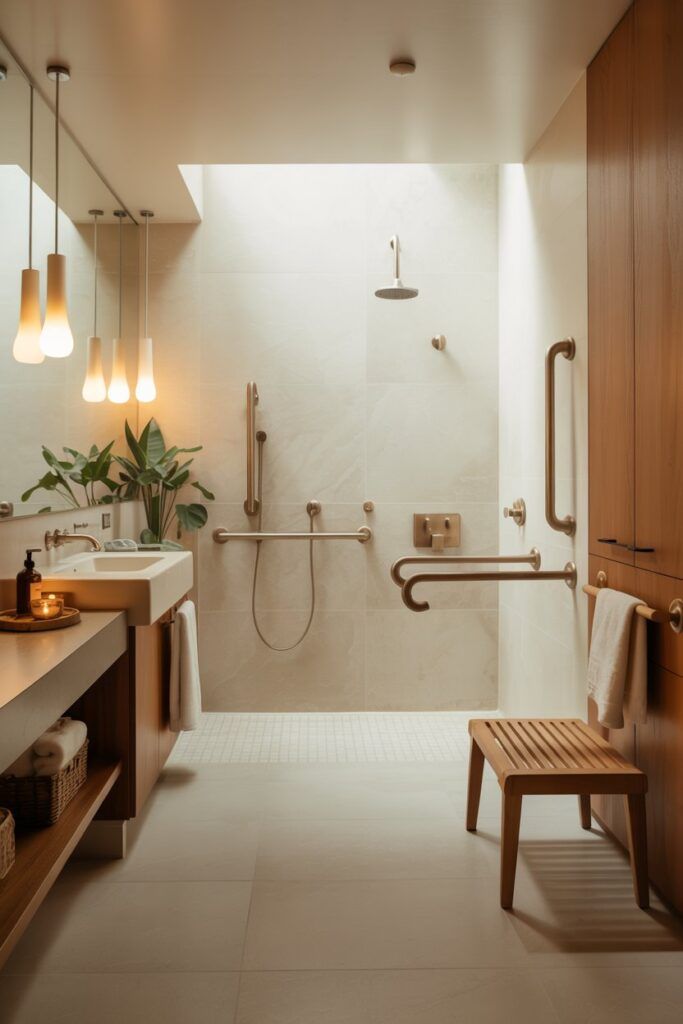
Removing unnecessary level changes, reducing trip hazards, and creating smoother circulation improves everyday living regardless of age. For landed homes, this might include gentle ramps where appropriate, flush transitions between indoor and outdoor spaces, wider doorways, or bathrooms designed with future accessibility in mind.
The beauty of modern barrier-free design is that it no longer announces itself. Done well, it simply feels like a comfortable home. Which, perhaps, was always the point.
The Ground Floor Deserves More Attention Than You Think
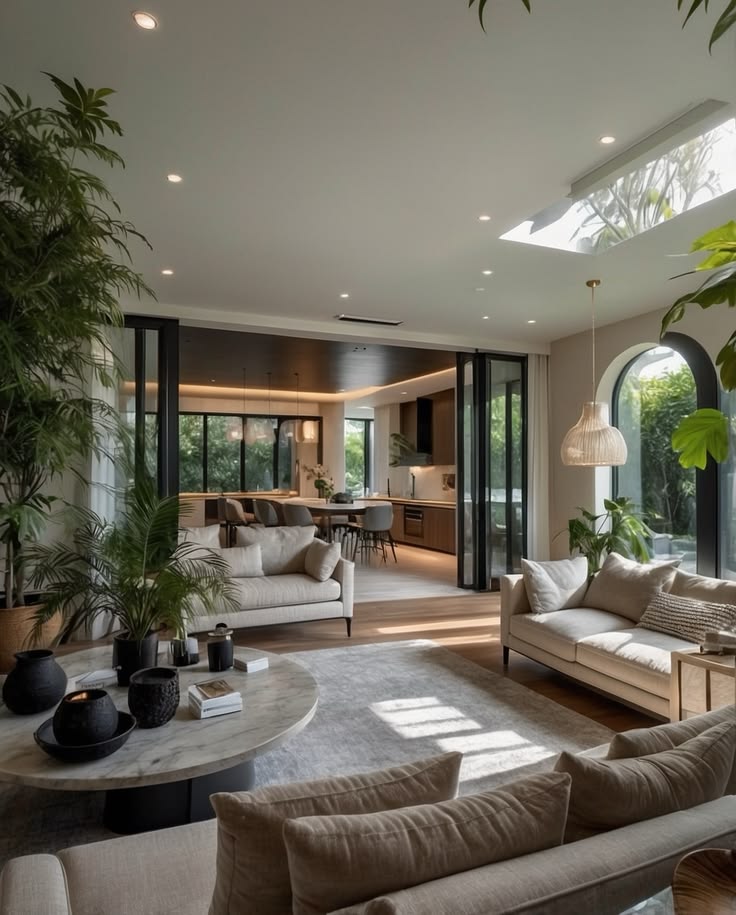
Many landed homeowners naturally dedicate the ground floor to entertaining. Living rooms, dining areas, kitchens, and perhaps a guest room occupy the space, while bedrooms remain upstairs.
It works well, until circumstances change. Including a flexible room on the ground floor is one of the simplest ways to future-proof a home. Today, it may function as a home office, library, or hobby room. Years later, it can easily become a comfortable bedroom without requiring major structural alterations.
The room has not changed. Only its purpose has, that is what flexibility looks like in practice.
Smart Homes Should Make Life Simpler, Not More Complicated
Technology has become an important part of smart renovation Singapore projects, but the smartest homes are not necessarily the ones with the most gadgets.
They are the ones where technology quietly removes effort:
- Lighting that adjusts automatically in circulation areas.
- Smart locks that eliminate the need for multiple keys.
- Motorised blinds that are easier to operate.
- Voice-controlled systems that assist when carrying groceries or moving between rooms.
These features become even more valuable as homeowners grow older, but the key is in integration. When technology disappears into the background, the home begins supporting its occupants almost invisibly. And that is when it becomes genuinely smart.
Choose Materials That Improve With Time
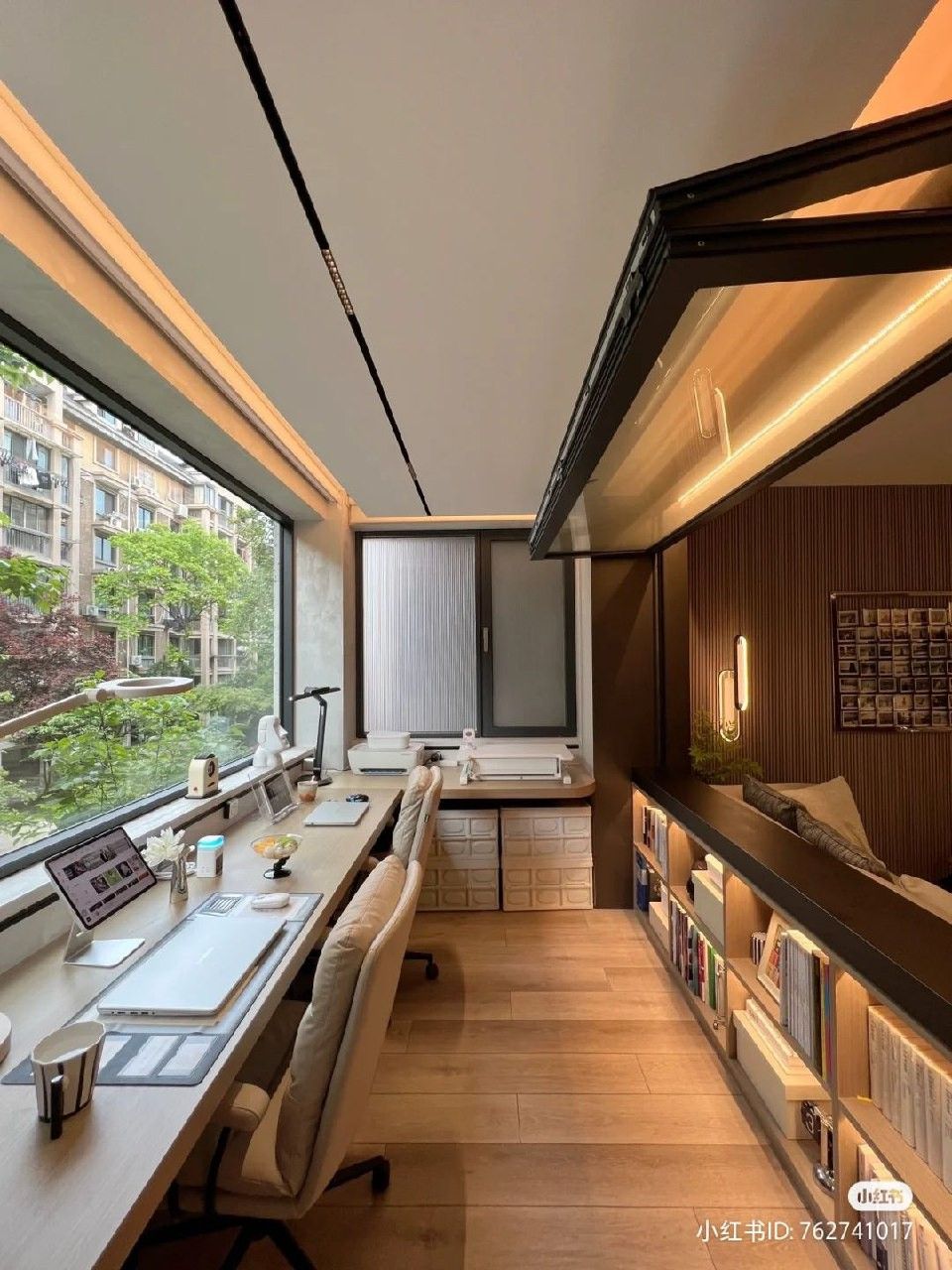
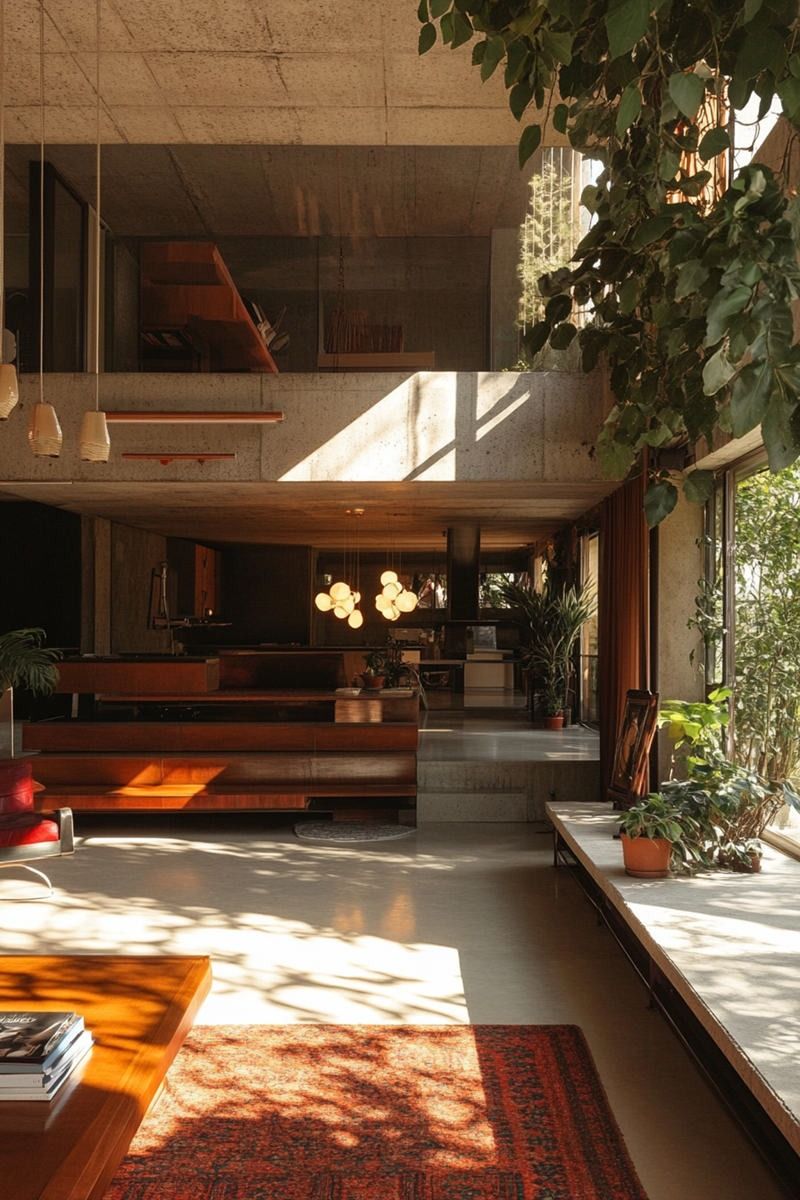
Future-proofing is not only about layouts, but also about selecting materials that continue to perform well after years of daily use. Highly delicate finishes may look impressive initially but require constant maintenance. Certain flooring materials become slippery when wet.
A future-proof home favours durability alongside aesthetics.
Though don’t get us wrong, this does not mean compromising on beauty. It simply means choosing finishes that remain beautiful even after years of living. Because the most successful homes are not those that still look brand new. They are the ones that still look good despite being well lived in.
Design for a Changing Family
A landed home often becomes the backdrop for multiple generations. Children grow into teenagers, then adults. Parents become grandparents. Family members move in, move out, and sometimes return again. Designing around today’s family structure alone can make a home surprisingly inflexible.
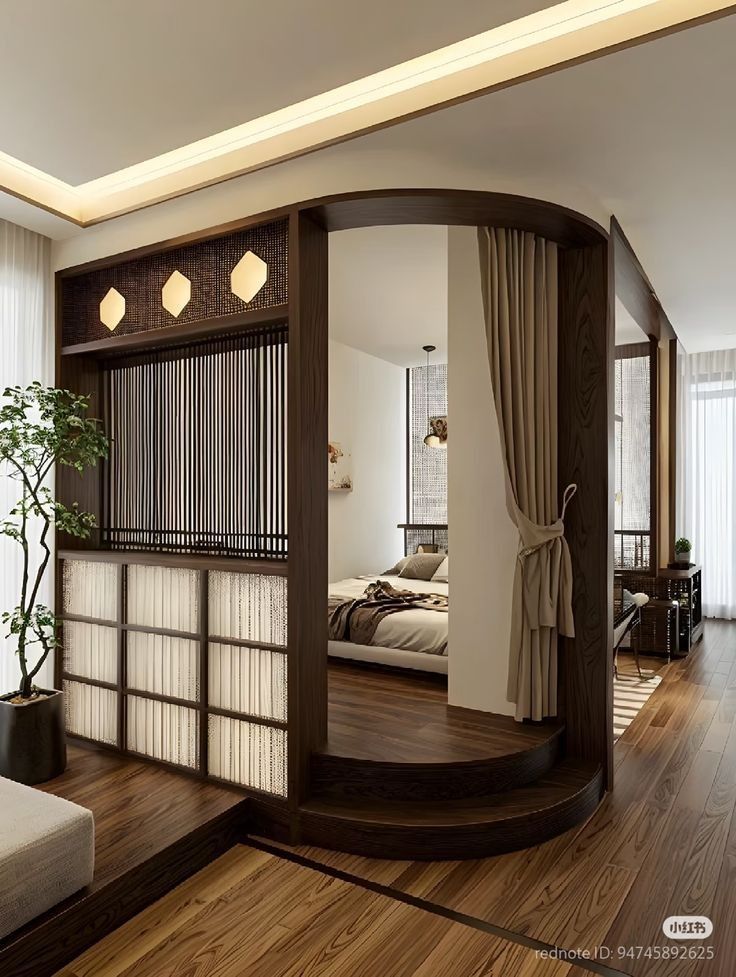
Instead, consider spaces that can evolve naturally. A playroom may become a study. A guest bedroom may become a nursery. A hobby room may eventually become a caregiver’s room. Storage should also anticipate change. Adjustable shelving, modular carpentry, and adaptable layouts allow spaces to evolve without requiring major renovation every few years.
A Home That Grows With You Is the Ultimate Luxury
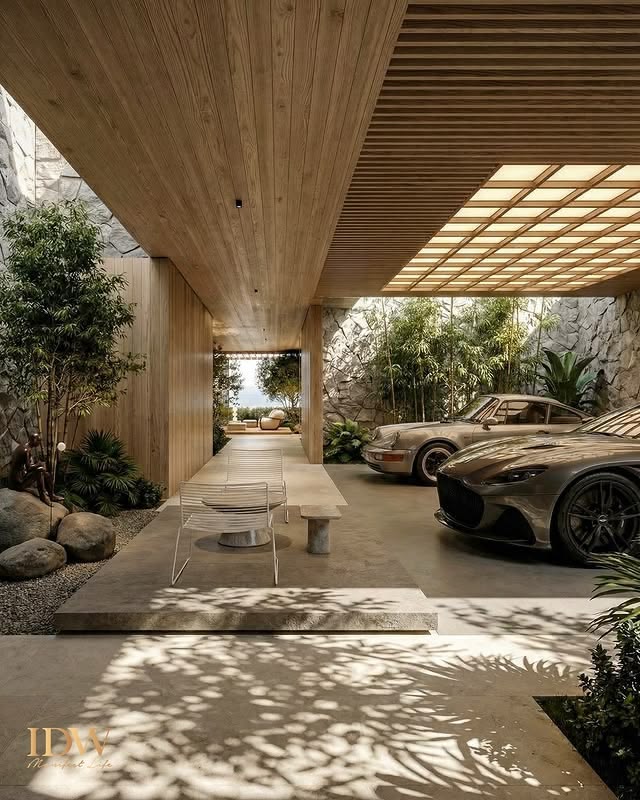
Luxury is often associated with expensive materials and impressive architecture. But perhaps one of the greatest luxuries is simply staying in a home you love. Not because you have no other option. Because the home continues supporting your lifestyle at every stage of life.
It remains comfortable. Accessible. Functional. Familiar.
That kind of longevity is rarely accidental. And while many renovation decisions are made for immediate enjoyment, the most valuable ones are often the decisions that homeowners barely notice until years later.
For anyone planning a smart renovation Singapore project, it is worth thinking beyond today’s needs. Your best investment is a future-proof home that doesn’t guess your future, it is one that is ready for it. Contact our design team at our Contact Us page, at our main line +65 63451730 or speak to our studio directors directly at +65 97386690 (Alicia)/+65 81234411 (Eugene) today!