
Have you ever walked into a hotel room and immediately felt yourself relax? Nothing dramatic has happened. The room may not even be particularly large or luxurious. Yet somehow, it feels calm, comfortable, and easy to be in.
Then there are bedrooms that seem to have everything on paper – a comfortable bed, plenty of storage, beautiful furniture, but never quite achieve the same feeling. The difference often has less to do with what is inside the room and more to do with how those elements work together. A restful bedroom is rarely the result of a single design decision. Instead, it is shaped by dozens of subtle choices that influence how the space feels, both consciously and subconsciously.
This is why thoughtful bedroom design Singapore projects go beyond aesthetics alone. The goal is not simply to create a beautiful room, but one that genuinely supports rest. Because a bedroom should not just look relaxing. It should help you relax.
The Quiet Influence of Lighting
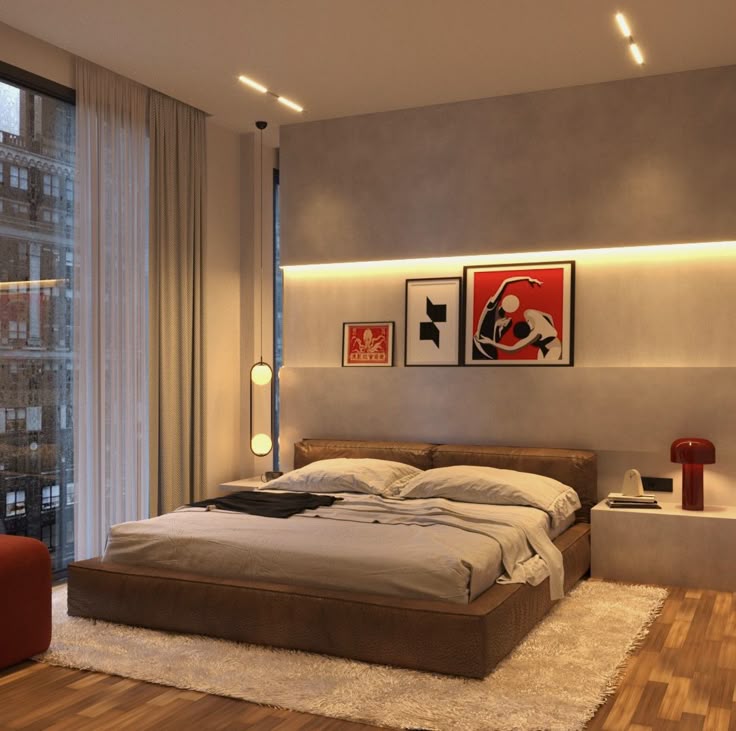
Lighting is often one of the most overlooked aspects of bedroom design. Many homeowners focus on brightness, ensuring the room is sufficiently illuminated without considering how lighting affects mood throughout the day. It goes without saying that the opposite end of the spectrum happens too, with the belief that dim lighting aid sleep.
The reality is that bedrooms rarely benefit from a single source of light. A bright ceiling fixture may be practical when getting dressed or cleaning, but it can feel harsh when you’re winding down in the evening. This is where layered lighting becomes important.
Bedside lamps, concealed lighting, wall sconces, and ambient illumination allow the room to respond to different moments and routines. Rather than flooding the space with light, these layers create softer transitions throughout the day.
In successful bedroom design Singapore projects, lighting is treated less as a utility and more as an experience. Since the body often begins preparing for rest long before we actually get into bed.
Colour Does More Than Set a Mood
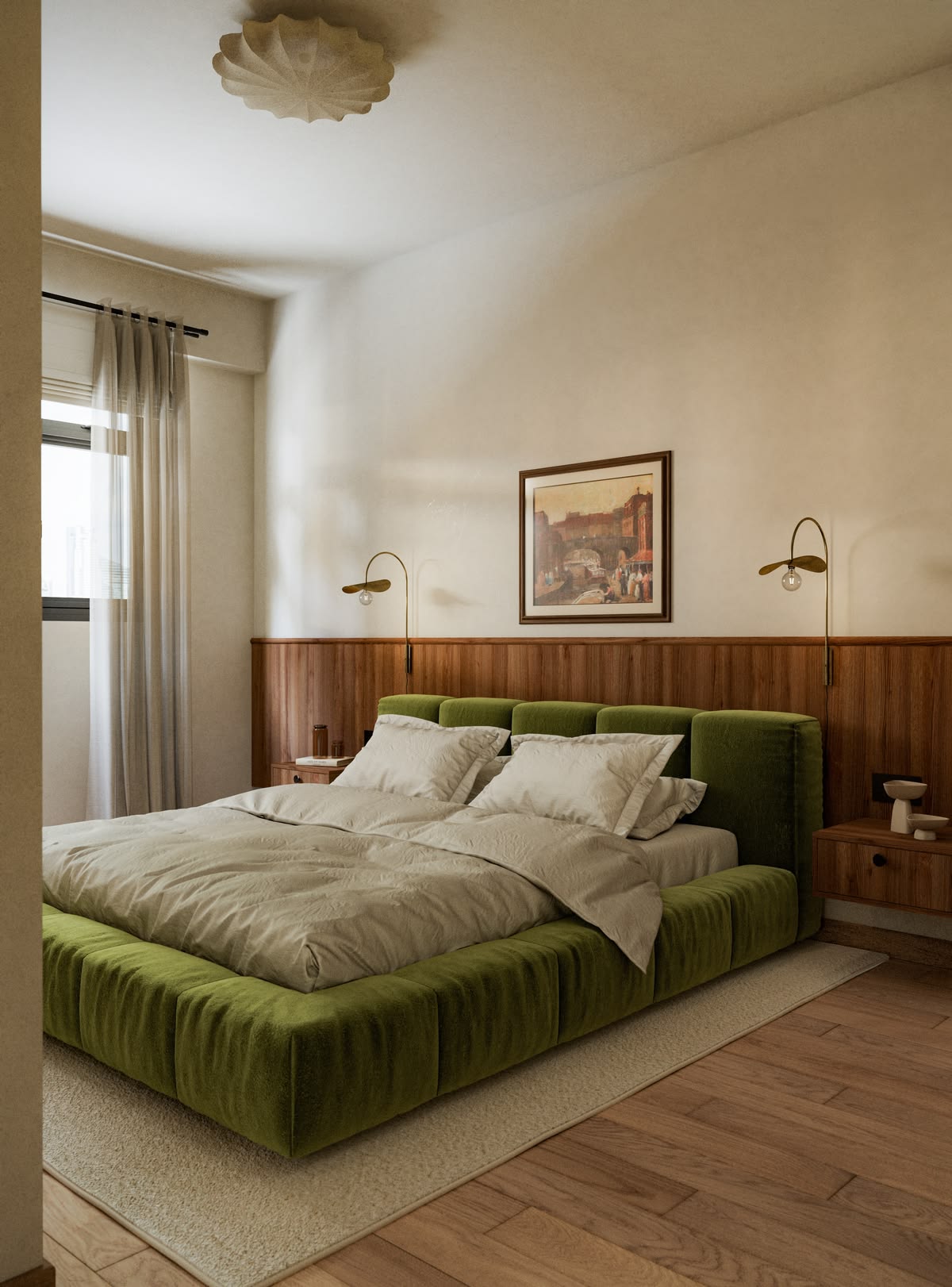
Colour has a remarkable ability to influence how a space feels. Now don’t get us wrong, this does not mean every restful bedroom needs to be beige, nor does it mean bold colours should be avoided entirely. What matters is how colours interact with the overall atmosphere of the room.
Soft, muted palettes often create a sense of visual calm because they place less demand on our attention. Highly saturated colours, while striking, can feel more energetic and stimulating when used excessively.
The most restful bedrooms tend to favour cohesion over contrast. Colours transition gently from one surface to another, creating a visual environment that soothes the soul.
Interestingly, the goal is not to make the room boring. It is to make the room settled. Meaning with the right tones and placements, even your favourite red could be utilized.
Furniture Placement Shapes How a Room Feels
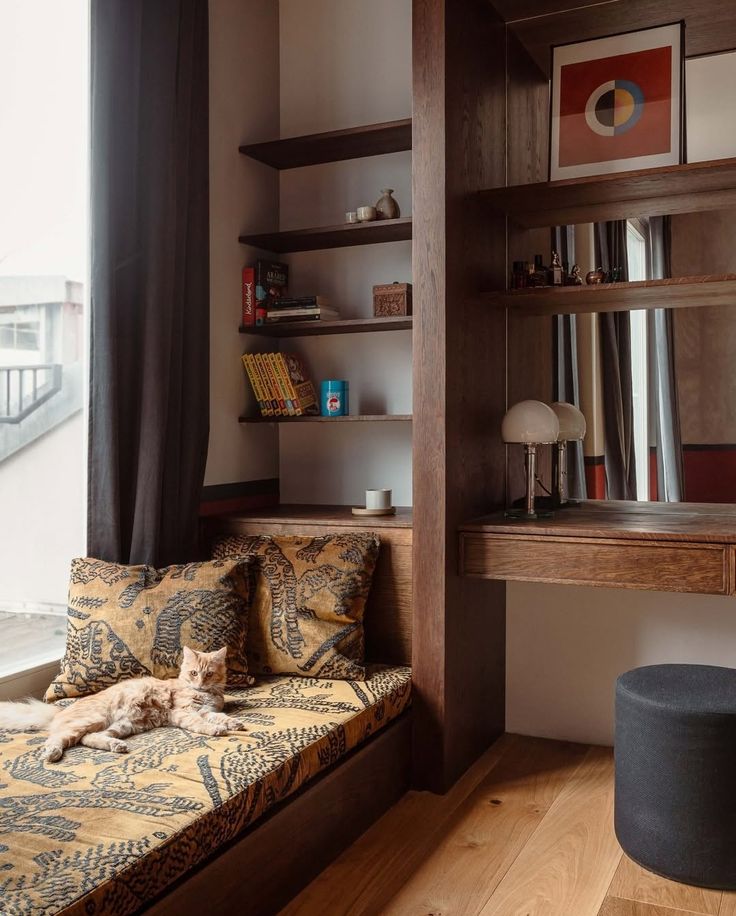
Even beautifully selected furniture can create discomfort when positioned poorly. Bedrooms function best when movement feels intuitive. There should be enough space to walk comfortably, access storage easily, and navigate the room without obstacles.
Yet many bedrooms become crowded in pursuit of additional storage or larger furniture pieces. The oversized bedside tables, bulky wardrobes, or unnecessary seating can make even generous rooms feel constrained. Good spatial planning allows furniture to support the room rather than dominate it.
Often, a bedroom feels restful not because of what has been added, but because of what has been intentionally left out.
Visual Clutter Is More Exhausting Than We Realise
A common misconception is that clutter only becomes a problem when a room is messy. In reality, visual clutter can exist even in tidy spaces.
Too many decorative items. Excessive open shelving. Multiple colours competing for attention. Furniture that lacks cohesion. The list goes on and on. These are elements that create visual noise, even when everything is neatly arranged. Unknowingly, the brain processes far more information than we consciously realise. When a room contains too many competing elements, it can subtly increase feelings of restlessness.
This does not mean bedrooms should feel empty. Rather, they should feel intentional. The most calming bedrooms often have a sense of restraint. Every item serves a purpose, whether functional or aesthetic, and the overall composition feels cohesive rather than crowded.
The Importance of Acoustic Comfort
When discussing restful bedrooms, sound is often forgotten, yet acoustic comfort plays a significant role in how relaxing a room feels.
Hard surfaces reflect sound, creating subtle echoes that make spaces feel less intimate. External noises from roads, neighbouring units, or common areas can further disrupt the sense of calm. While complete soundproofing is rarely necessary, thoughtful material choices can significantly improve acoustic comfort. In Singapore, people often find themselves positioned near highways with exposure to all forms of noise. It’s especially critical in those situations that partial soundproofing comes in place.
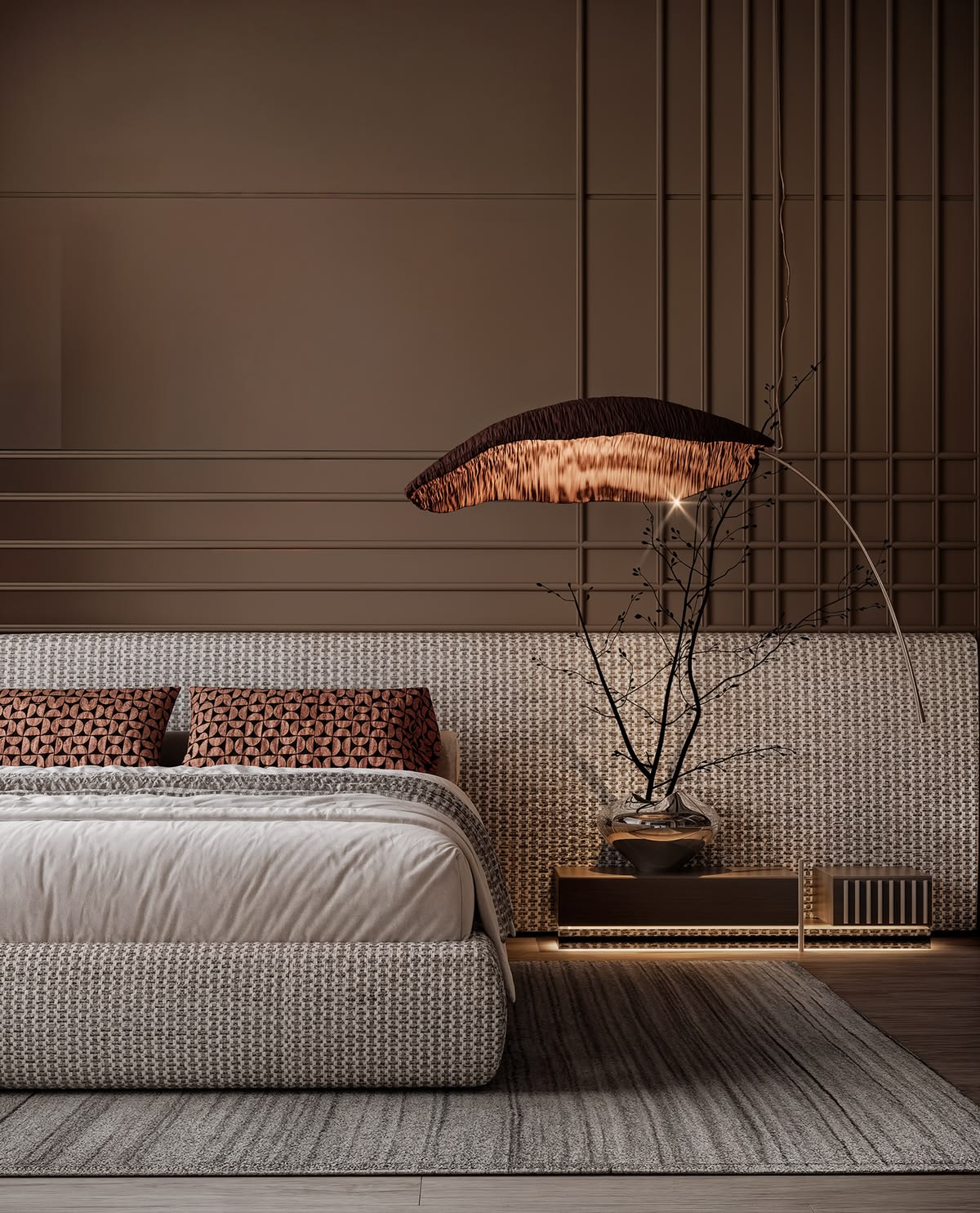
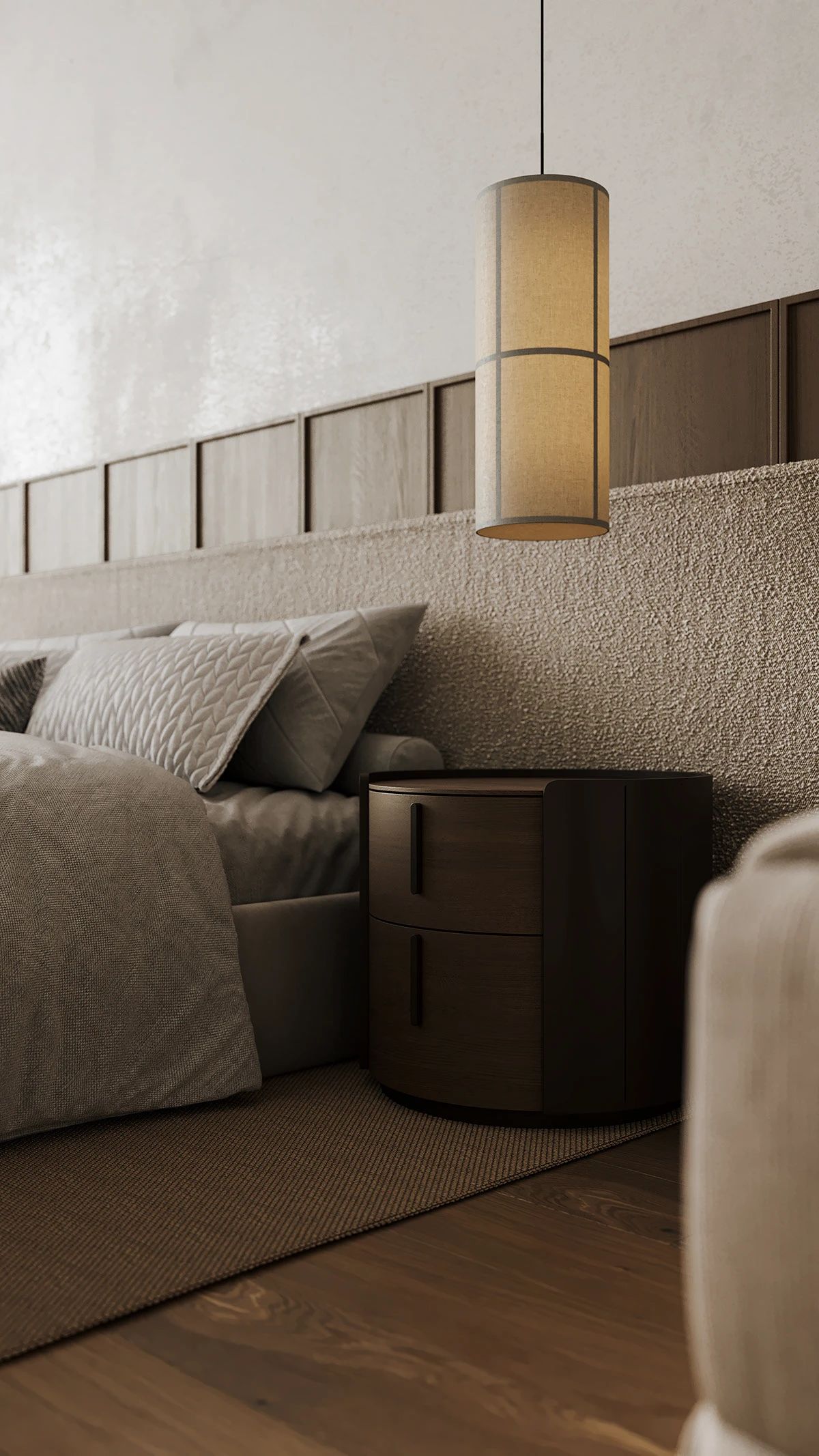
Curtains, rugs, upholstered furniture, and fabric headboards all help soften sound within the room. Strategic layout planning can also minimise exposure to external noise sources where possible.
A bedroom does not need to be silent, it simply needs to feel sheltered from the activity beyond its walls.
Why Materials Matter
Material selection affects more than just aesthetics. The textures we interact with daily influence how comfortable a space feels, often in ways we do not consciously notice.
Natural wood introduces warmth, upholstered surfaces soften the environment, and textiles add depth with tactile comfort. Even the finish of a wardrobe or bedside table can contribute to the overall atmosphere. Bedrooms filled entirely with hard, reflective surfaces can sometimes feel visually impressive yet emotionally distant. Cold, as one may say. Conversely, a thoughtful mix of textures creates a richer and more welcoming environment.
This is why material selection remains an important aspect of bedroom design Singapore projects.
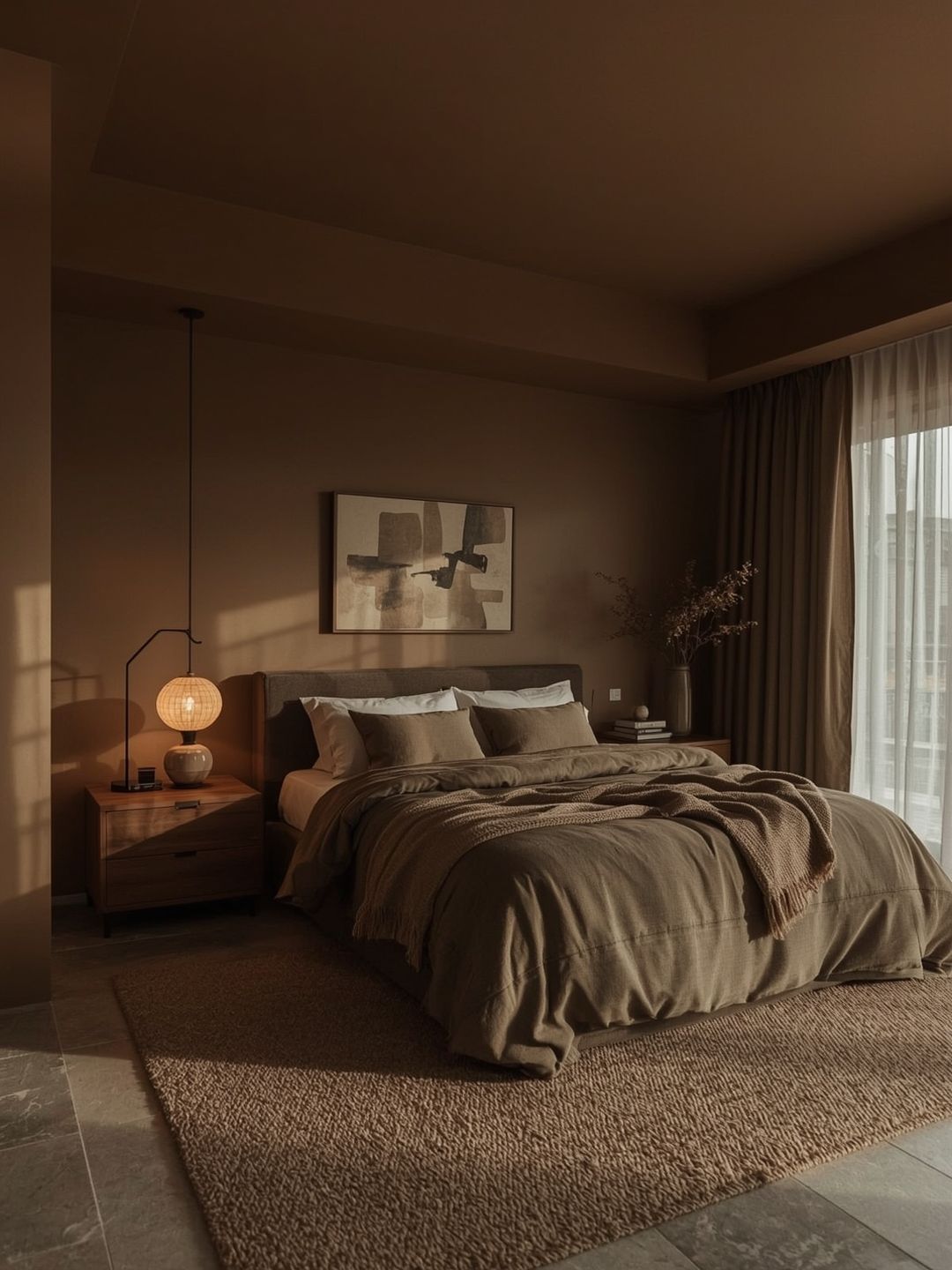
Some bedrooms feel restful because they have been intentionally designed to support relaxation. And that experience influences how effectively the bedroom supports what it was designed for in the first place: rest.
Contact our design team at our Contact Us page, at our main line +65 63451730 or speak to our studio directors directly at +65 97386690 (Alicia)/+65 81234411 (Eugene) today!