
Most commercial spaces are designed to impress. They photograph well, feel polished at first glance, and signal a certain level of brand intent. But once operations begin, a different set of priorities quietly takes over.
Movement. Storage. Noise. Cables. People.
This is where many commercial renovation Singapore projects begin to reveal their blind spots. Not because the design was careless, but because it was often led by how a space looks, rather than how it functions over time. The most common mistakes are rarely dramatic. They are subtle decisions that seem reasonable in isolation, but compound once the space is in daily use.
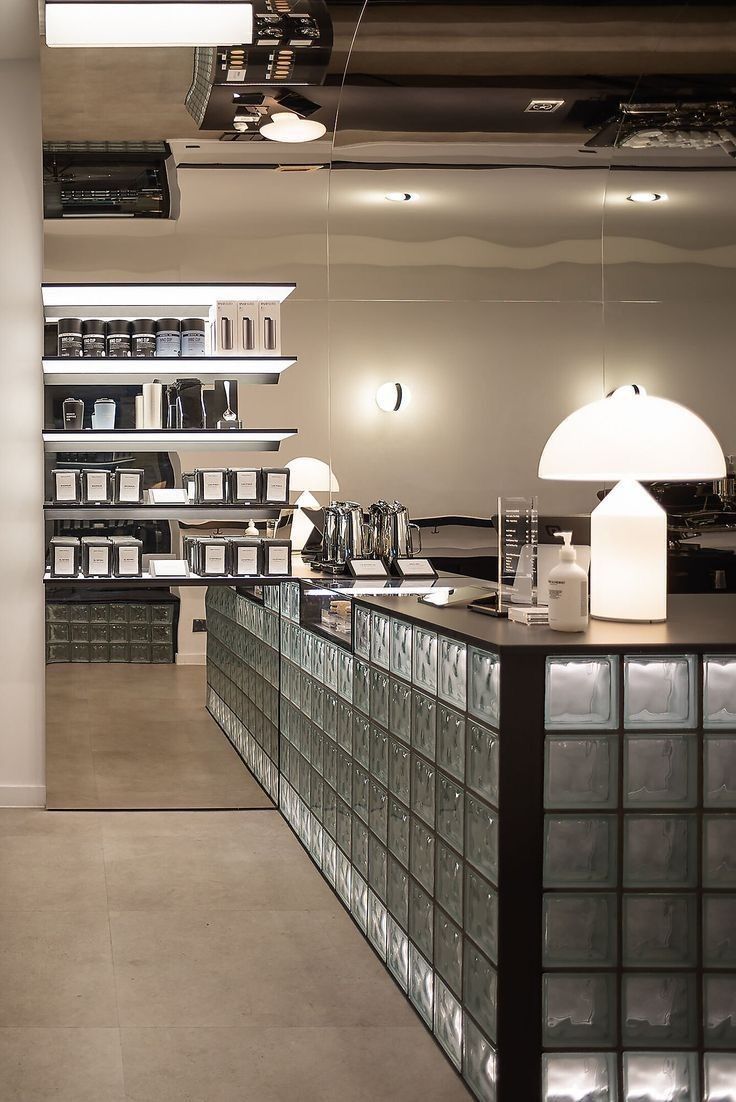
When Storage Is Treated as Secondary
Storage is one of the first things to be compromised in favour of aesthetics.
Open shelving replaces closed cabinetry. Clean lines are prioritised over concealed capacity. At the start, it feels intentional. Minimal, even. Until operations begin.
Items that were meant to stay out of sight slowly surface; documents, equipment, packaging, supplies. Without adequate storage, these begin to occupy visible areas, softening the clarity of the space. In commercial environments, especially offices and retail settings, storage is not an accessory. It is necessary infrastructure. A well-designed space does not eliminate storage, instead it integrates it so seamlessly that it never competes with the overall design.
The Quiet Impact of Poor Acoustic Planning
Acoustics are rarely discussed at the beginning of a project but often become a point of friction afterwards. Open layouts, hard surfaces, and high ceilings may create an impressive visual, but they also amplify sound. Conversations overlap, calls carry further than intended, and what should feel dynamic begins to feel restless.
In office environments, this affects focus. In retail or F&B settings, it shapes customer experience more than most realise. Yet office renovation tips rarely prioritise acoustics early enough. Simple decisions: material choices, ceiling treatments, upholstered elements, can significantly influence how a space sounds. Without them, even the most refined design can feel subtly uncomfortable.

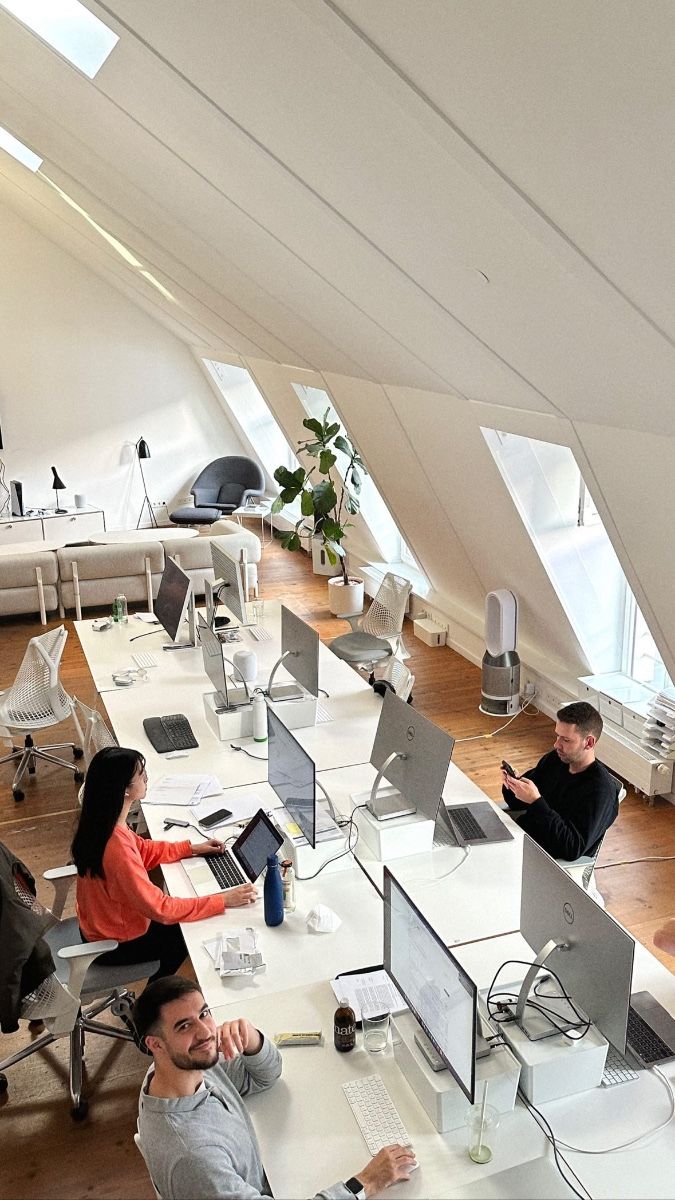
Cable Management: The Detail That Eventually Shows
There is a stage in every renovation where cables are neatly planned, concealed, and accounted for. And then there is what happens six months later. In business, it’s inevitable that additional devices are introduced, and workstations evolve with equipment changes. Without proper cable management infrastructure, what was once hidden begins to surface. Soon, wires are trailing across desks, extension cords are running along walls, and you realise that ad-hoc fixes slowly accumulate.
In many commercial renovation Singapore projects, cable planning is treated as a finishing detail rather than a long-term system. But in reality, it should anticipate change. These are floor boxes, accessible trunking, and allowance for future expansion make the difference between a space that adapts easily and one that constantly requires patchwork solutions.
Designing for Aesthetics, Not Workflow
Perhaps the most common and least obvious mistake is overdesigning without fully understanding how the business operates. If you’re considering homes, it may be normal to zone spaces based more off visual symmetry rather than working patterns. Feature elements are introduced when it ‘looks pretty’, not considering how they interact with daily tasks. Circulation paths may look clean on plans but in reality, feel restrictive in use.
This often happens when design is approached as a visual exercise rather than an operational one. A workspace, whether an office, retail store, or F&B concept, is ultimately shaped by behaviour. Where people move, pause, interact, and work. When workflow is not considered early, adjustments have to happen later. Furniture gets rearranged, temporary solutions appear, and the original design intent begins to erode.
The most successful commercial spaces are not the ones that look the most designed, they are the ones that feel effortless to use.
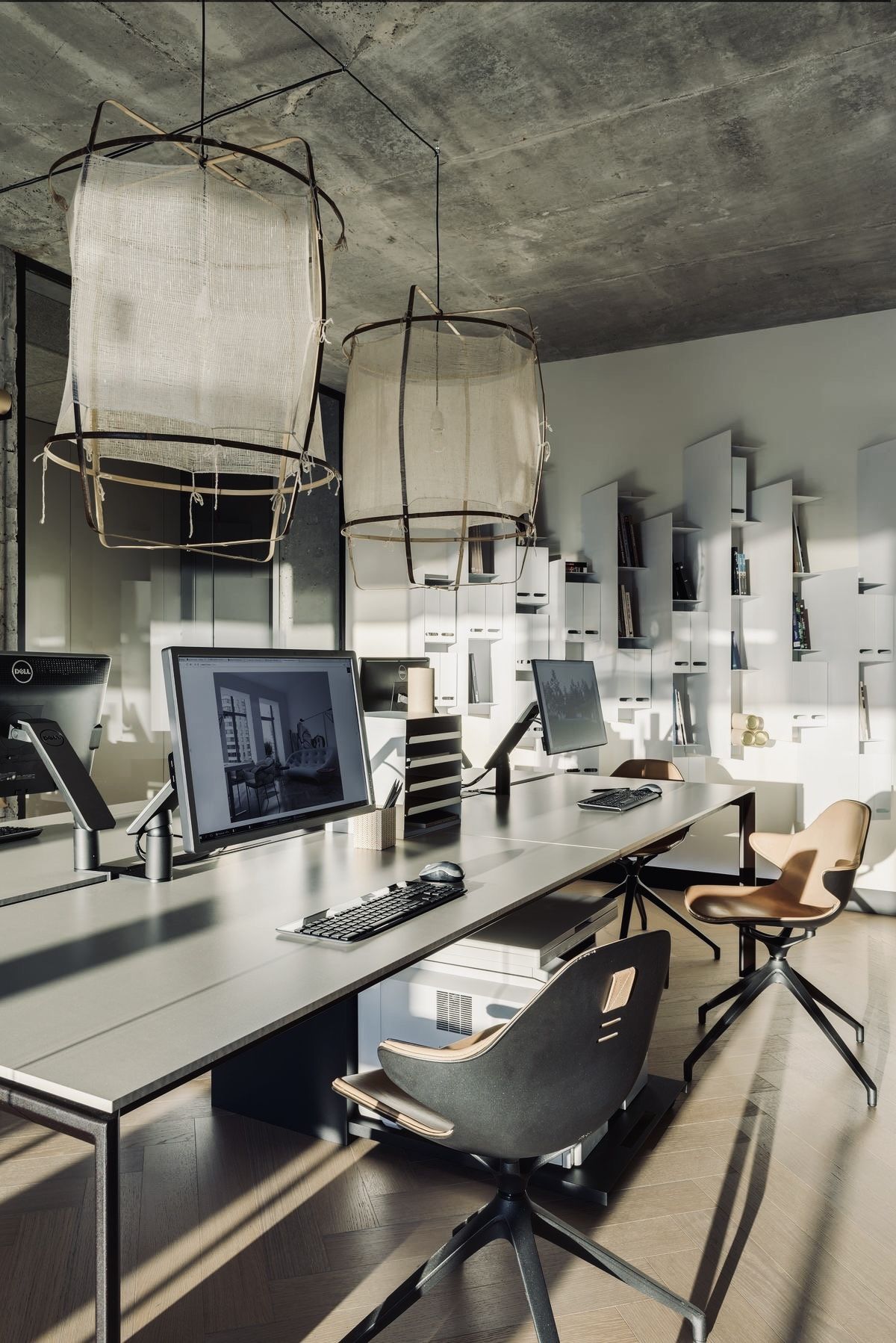
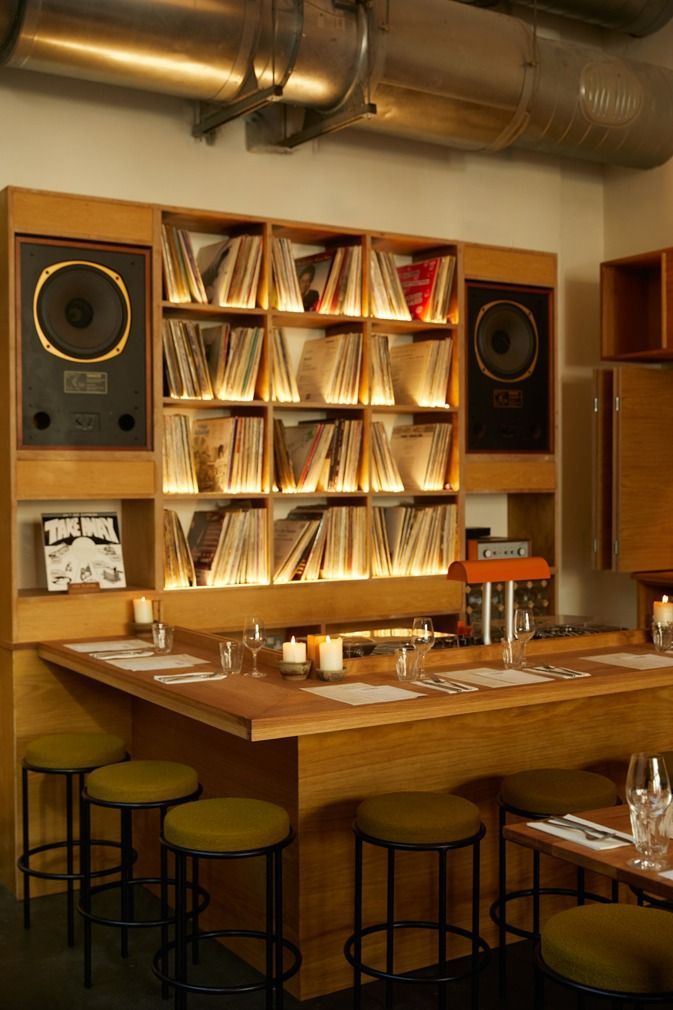
Why These Mistakes Happen So Often
None of these issues come from a lack of effort.
In fact, they often stem from good intentions, a desire to create something visually refined, aligned with brand identity, and within budget. But commercial spaces are layered environments. They need to perform as well as they present.
This is where experience comes in and it becomes less about style, but more about anticipation. Understanding not just how a space will look on completion, but how it will behave six months, a year, or even longer down the line.
A well-executed commercial renovation Singapore project is rarely defined by its first impression alone. It is defined by how consistently it performs.
The difference between a space that simply looks good, and one that truly works, lies in these quieter decisions.
In the end, good design is not just about how a space is seen. It is about how it holds up to being used, every single day.
Sounds good? Contact our design team at our Contact Us page, at our main line +65 63451730 or speak to our studio directors directly at +65 97386690 (Alicia)/+65 81234411 (Eugene) today!