
Most offices are designed with one primary audience in mind: the people who work there.
Desks are optimised for productivity, meeting rooms are planned for efficiency, and layouts are structured around daily operations. All of that makes sense, until clients start walking through the door.
Because the moment a client steps into your office, the space begins to communicate something. Not through a pitch deck or presentation, but through lighting, layout, materials, and atmosphere.
And here’s the uncomfortable truth: many offices don’t make a particularly good impression. They feel transactional. Functional. Sometimes even a little cold. This is why office renovations in Singapore projects today are shifting in a new direction.
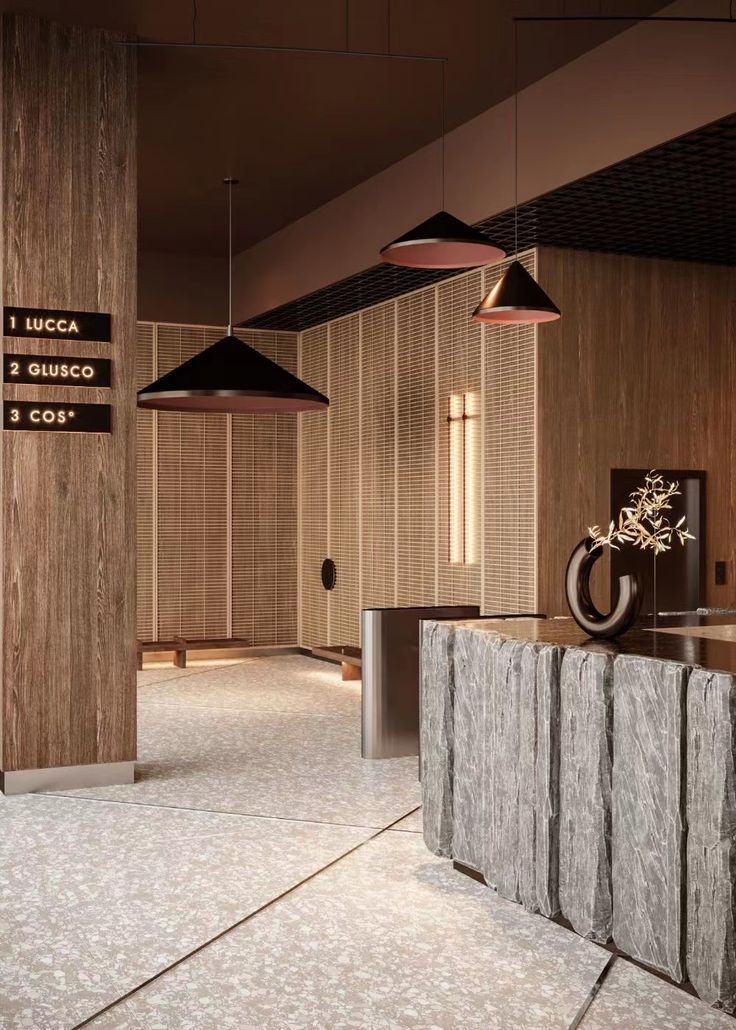
The Reception That Sets the Tone (Immediately)
First impressions are fast. Within seconds of entering an office, visitors form an opinion about the company. A reception area that feels like an afterthought can unintentionally signal the same about the business itself. In contrast, a well-designed reception space sets the tone with clarity and confidence. It does not need to be overly dramatic, but it should feel intentional.
Lighting plays a key role here. Soft, layered lighting tends to feel more welcoming than harsh overhead panels. Materials matter too: a thoughtfully designed reception counter, paired with a restrained material palette, creates a sense of quiet professionalism.
In many Singapore office renovation projects, reception areas are no longer just check-in points. They become part of the brand experience, offering visitors a preview of what the company stands for before any conversation begins.
Waiting Areas That Don’t Feel Like Waiting
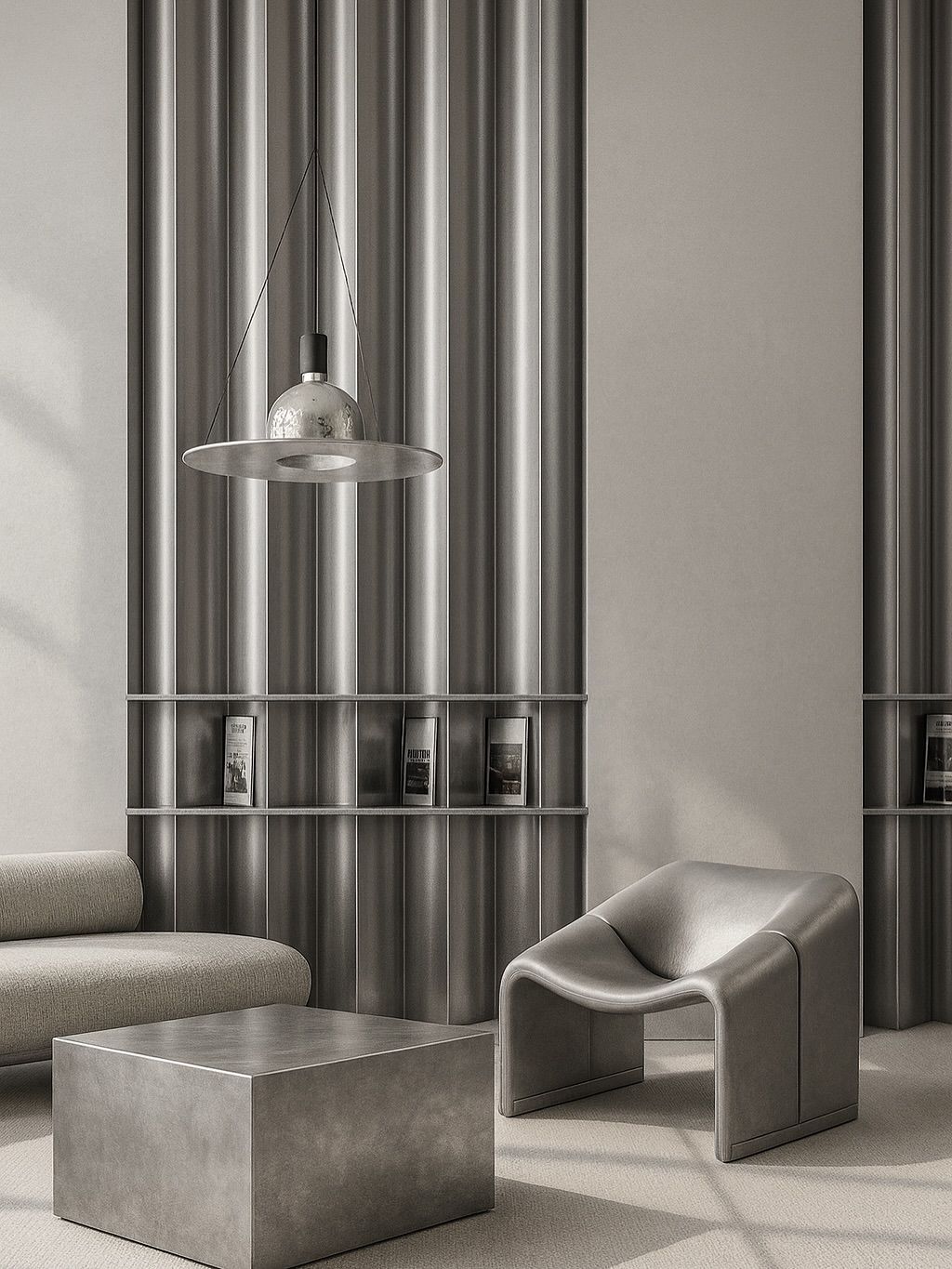
Waiting areas are often overlooked, yet they are where clients spend their first few minutes forming impressions. The traditional approach, a row of chairs against the wall, does little to create comfort or engagement. It feels temporary, almost as if the space is telling you not to stay too long.
A better approach borrows from hospitality design.
Comfortable seating, considered spacing, and small details like side tables or reading materials can transform the experience. Even something as simple as offering a place to set down a laptop or coffee makes a difference. Some offices also introduce subtle distractions, curated displays, product showcases, or even views into other parts of the workspace. These elements make the environment feel more dynamic and less static. When done well, Singapore office renovation strategies turn waiting into a seamless part of the overall experience, rather than an awkward pause before the meeting begins.
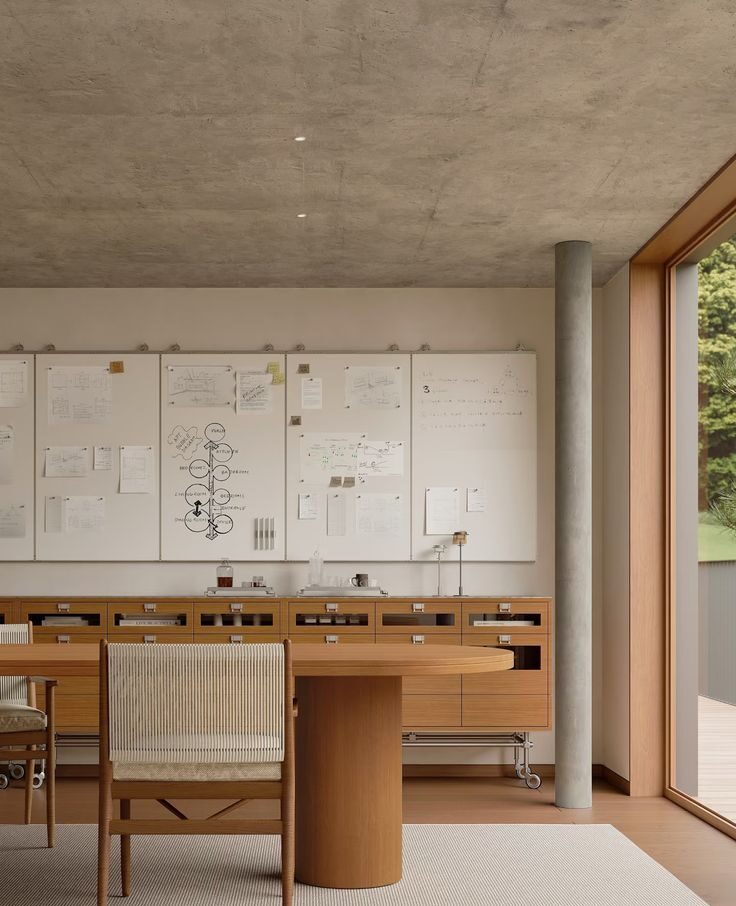
Meeting Rooms That Feel Less Like Boardrooms
Traditional meeting rooms tend to feel formal, enclosed, and slightly intimidating. While that might suit certain industries, many companies today are rethinking how these spaces function, especially when client relationships rely on collaboration rather than hierarchy.
This is where hospitality-inspired meeting rooms come in. Instead of long conference tables and rigid seating, designers introduce softer layouts. Rounded tables, lounge-style seating, and warmer materials help shift the atmosphere from formal to conversational.
Lighting again plays a subtle but important role. Warmer tones tend to encourage longer, more relaxed discussions, while overly bright lighting can make the space feel clinical. In office renovation projects, these changes may seem small, but they significantly influence how meetings feel. Clients are more likely to engage openly in a space that feels comfortable rather than intimidating.
And often, that comfort translates into better conversations.
Pantry Spaces That Do More Than Serve Coffee
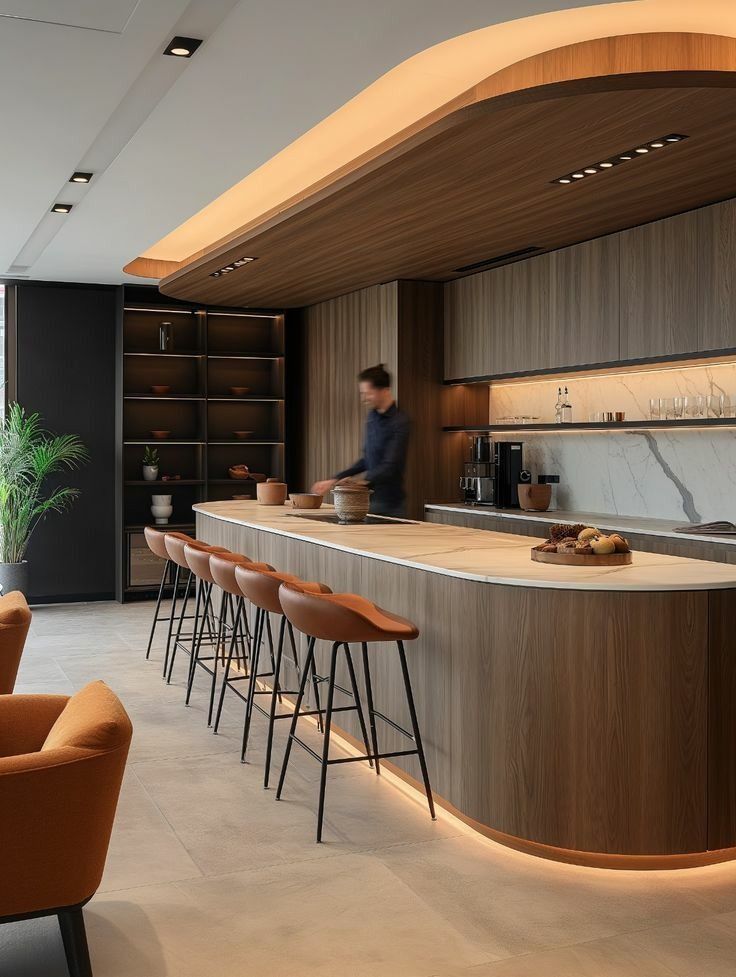
Pantries have quietly become one of the most interesting areas in modern office design. Originally intended as purely functional spaces, they are now evolving into informal meeting zones, collaboration spots, and even client interaction areas.
This shift reflects a broader change in how people prefer to interact. Some conversations flow better in a more relaxed setting, over coffee or a quick break. A well-designed pantry can support this.
Bar-height counters, communal tables, and integrated seating create opportunities for casual interaction. When designed thoughtfully, the space feels less like a utility area and more like a café within the office. In many Singapore office renovation projects, pantries are intentionally positioned near client-facing zones. This allows companies to host guests in a more informal and welcoming environment when appropriate.
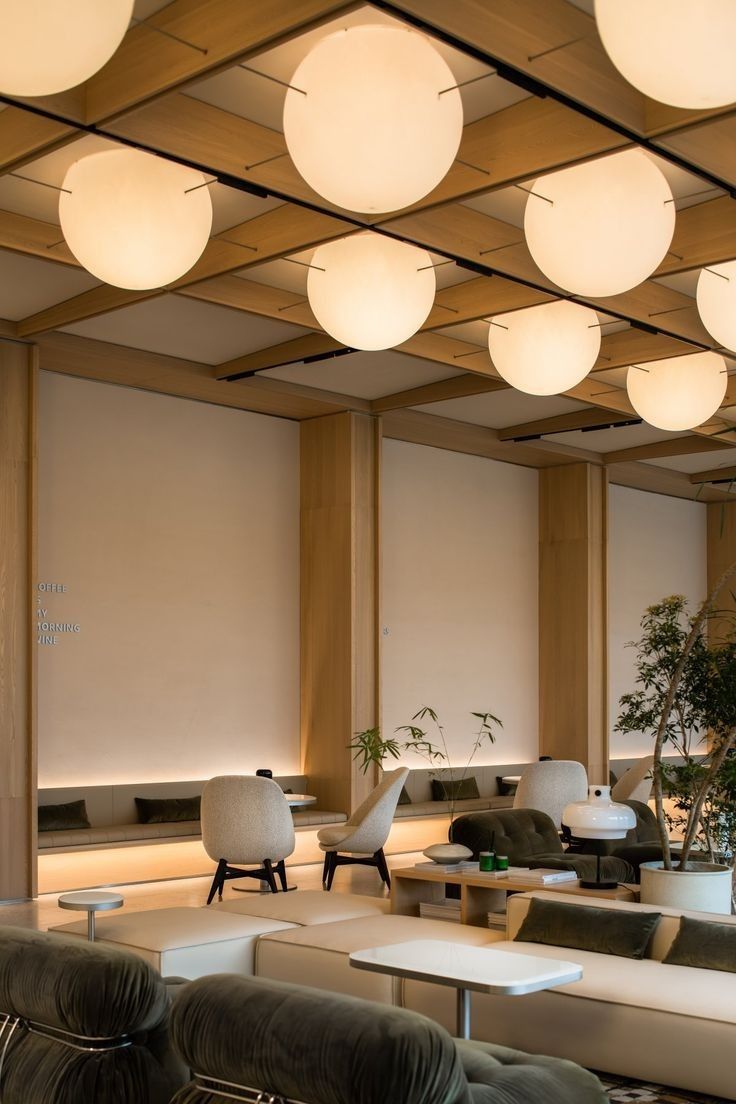
Designing for Experience, Not Just Efficiency
At its core, designing offices that clients enjoy visiting requires a shift in mindset. Instead of asking, “How do we make this space work?” the question becomes, “How do we want people to feel when they are here?”
That shift changes everything.
Reception areas become introductions, not checkpoints. Waiting spaces become comfortable pauses rather than dead zones. Meeting rooms become environments for conversation, not just presentation.
This is why Singapore office renovation projects are increasingly focused on experience design. Companies are recognising that the office itself plays a role in shaping client relationships.
Because long after the meeting ends, people remember how a space made them feel. And in business, that feeling often matters more than we think.
Contact our design team at our Contact Us page, at our main line +65 63451730 or speak to our studio directors directly at +65 97386690 (Alicia)/+65 81234411 (Eugene) today!