
Company culture is often discussed as though it exists independently of the workplace.
It is described through values, mission statements, leadership styles, and employee initiatives. While all of these play an important role, there is another influence that is often overlooked, the physical environment itself.
The way a workplace is designed quietly shapes how people interact, communicate, and perform their daily work. It influences whether conversations happen naturally, whether collaboration feels encouraged, and whether employees can focus when they need to.
In other words, culture is not just expressed through people. It is reinforced through space. This is why thoughtful workplace design Singapore projects begin with a question that goes beyond aesthetics: How does this company actually work?
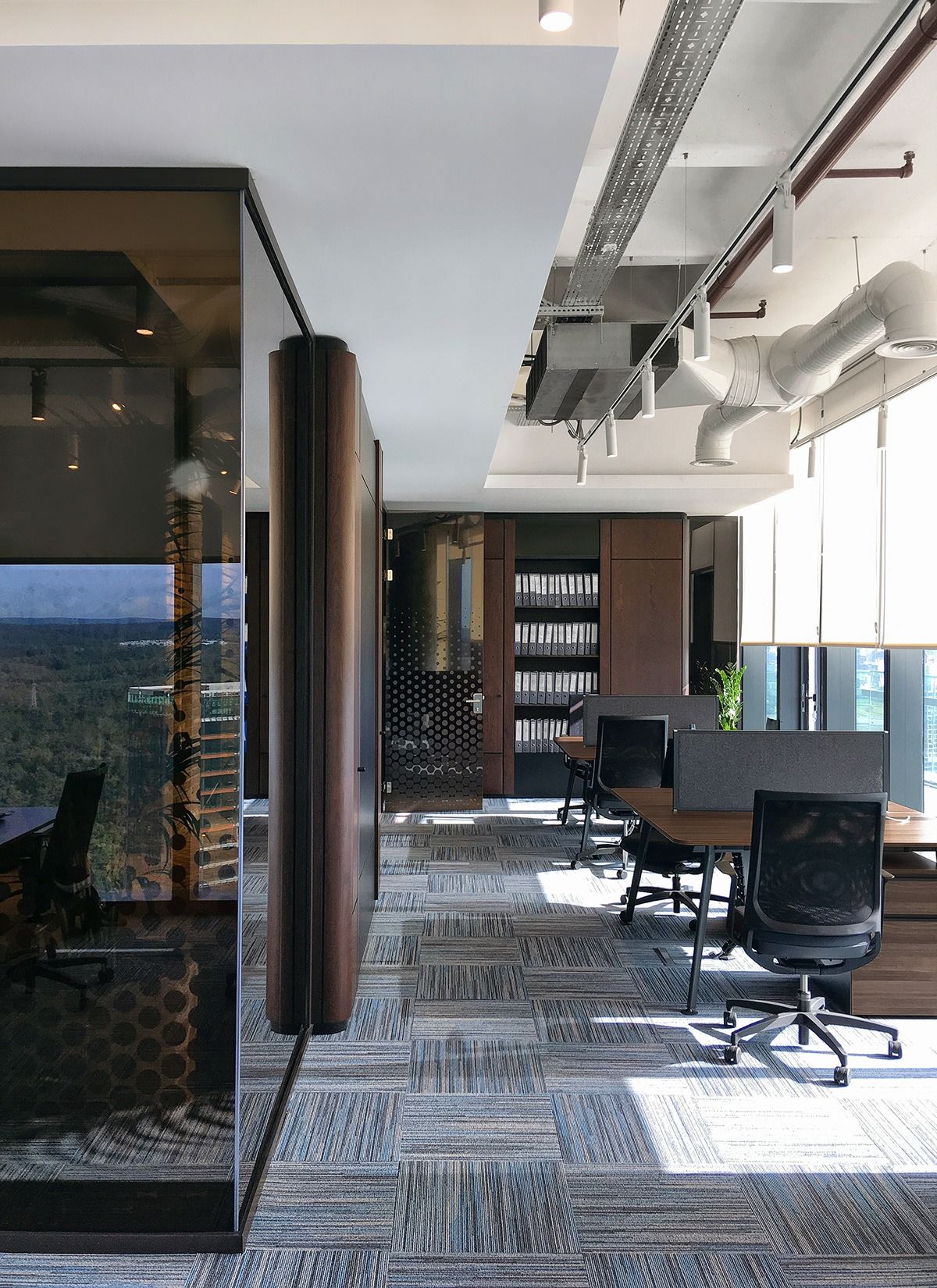
Not Every Company Should Design for Collaboration
One of the biggest misconceptions in workplace design is that every office should be built around collaboration. Open-plan layouts, communal tables, and informal meeting spaces have become increasingly popular over the years, often because they are associated with innovation and teamwork.
Yet collaboration is not the primary function of every business.
For some organisations, deep concentration is just as important, if not more important, than constant interaction. Legal firms, financial institutions, research teams, and specialised consultancies often require long periods of focused work where interruptions can become counterproductive.
Designing these workplaces entirely around collaboration can create an unintended consequence: employees spend more energy managing distractions than performing their actual work. This is where successful workplace design Singapore projects recognise that culture is not universal.
A highly collaborative company may benefit from open environments and flexible gathering spaces. A focus-driven organisation may require quieter zones, acoustic privacy, and greater separation between teams. Neither approach is inherently better, the design simply needs to reflect the way the business operates.
Creative Studios and Corporate Offices Speak Different Languages
Walk into a creative studio and the atmosphere often feels immediately different. The spaces tend to be more fluid, where informal discussions happen frequently. Teams move between workstations, meeting areas, and collaborative zones throughout the day. In these environments, the workplace often acts as a catalyst for interaction. Visibility becomes valuable because ideas frequently emerge through spontaneous conversations rather than scheduled meetings.
Corporate offices, on the other hand, often prioritise structure.
This does not mean they are less innovative. Rather, their workflows typically involve different levels of confidentiality, accountability, and organisation. Clear divisions between functions may be necessary, and for that, normal meeting spaces may play a larger role. Hierarchies may need to be reflected more visibly within the layout.
Interestingly, neither workplace type succeeds by copying the other. A corporate office designed to mimic a creative studio can feel chaotic. A creative agency designed like a traditional corporate environment can feel restrictive. Good design recognises these differences and allows the workplace to support the behaviours that naturally contribute to success within that organisation.
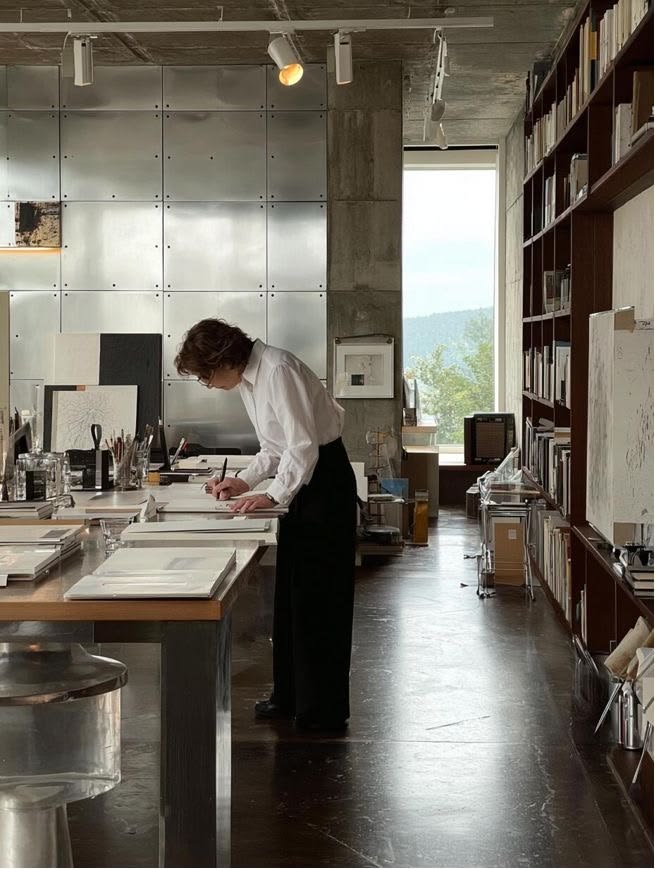
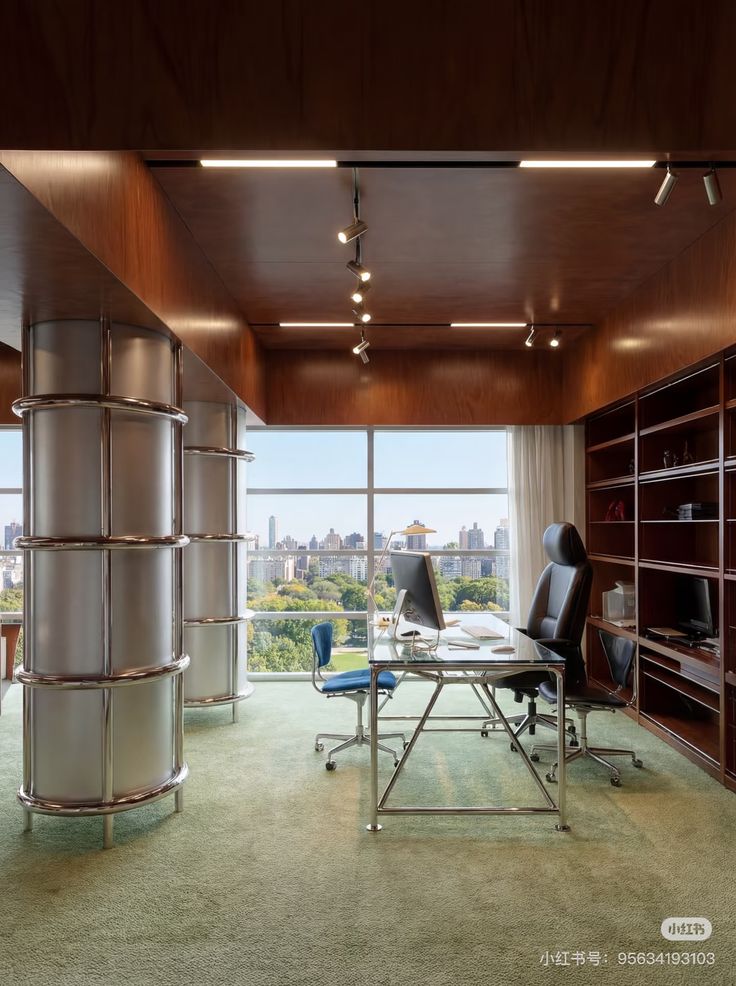
The Role of Spatial Hierarchy
Every office contains hierarchy, whether it is explicitly acknowledged or not. The question is how that hierarchy should be expressed through design.
Traditionally, hierarchy was highly visible. Larger offices were reserved for senior leadership, and prime locations were allocated according to rank. These are spatial privileges that often-reflected organisational structure directly.
Today, many companies take a more nuanced approach. Leadership offices may remain accessible rather than isolated. Meeting spaces are shared across departments with open-plan environments reduce visual barriers between teams.
However, this does not mean hierarchy disappears entirely. Instead, it becomes more intentional. Certain spaces may still be allocated according to function, confidentiality requirements, or leadership responsibilities. The difference is that these decisions are increasingly driven by operational needs rather than symbolic status.
Because culture is often communicated not through what is emphasised, but through what is normalised.
Space Influences Behaviour More Than Policies Do
Many businesses invest heavily in cultural initiatives while overlooking the influence of their physical environment. Yet ironically, the workplace is what impacts employees every day.
If collaboration is encouraged but there are no comfortable spaces for informal discussions, collaboration becomes far less likely. If focus is valued but constant distractions are built into the layout, concentration also becomes difficult to sustain.
The workplace either supports intended behaviours or quietly undermines them. This is why culture and design cannot be treated as separate conversations. The most successful offices create alignment between what a company says it values and what the environment actually enables.
When this alignment exists, the workplace begins reinforcing culture naturally rather than relying solely on policies or programmes.
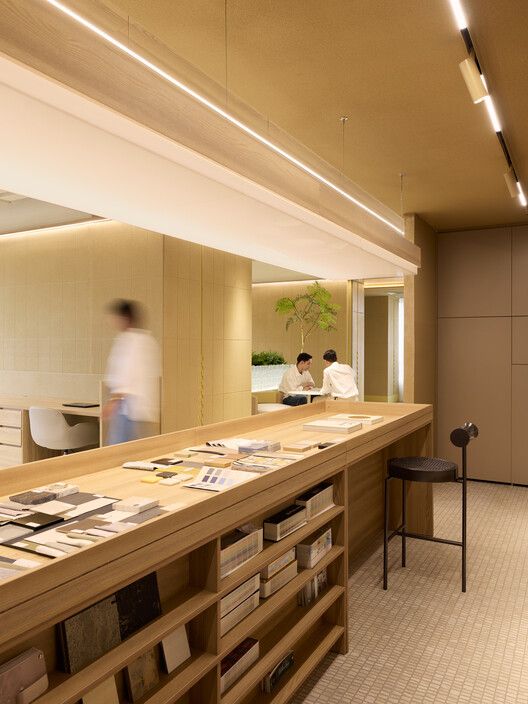
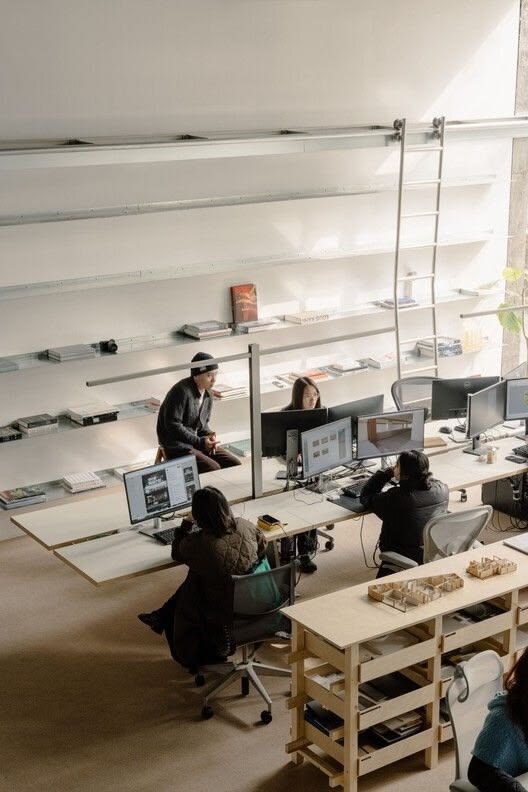
Designing for People, Not Trends
Workplace trends come and go. Open offices, hot-desking, agile workspaces, and hybrid environments have all experienced periods of widespread popularity. Some remain valuable in the right context. Others are less universally effective than initially believed.
The challenge arises when businesses adopt workplace trends simply because they appear modern. Effective workplace design Singapore begins with people rather than design trends.
How do teams collaborate? What tasks occupy most of the workday? Where do employees experience friction? What behaviours should the workplace encourage?
The answers to these questions often reveal far more about the ideal office than any design trend ever could.
Culture Becomes Visible Through Space
When workplace design aligns with company culture, employees often feel it immediately. The space feels intuitive, activities happen naturally and the environment supports rather than obstructs the way people work.
Visitors notice it as well.
Without seeing an organisational chart or reading a mission statement, they gain a sense of the company’s personality simply by experiencing the workplace. This is perhaps the most powerful role design can play. Not just housing a company culture, but making it tangible.
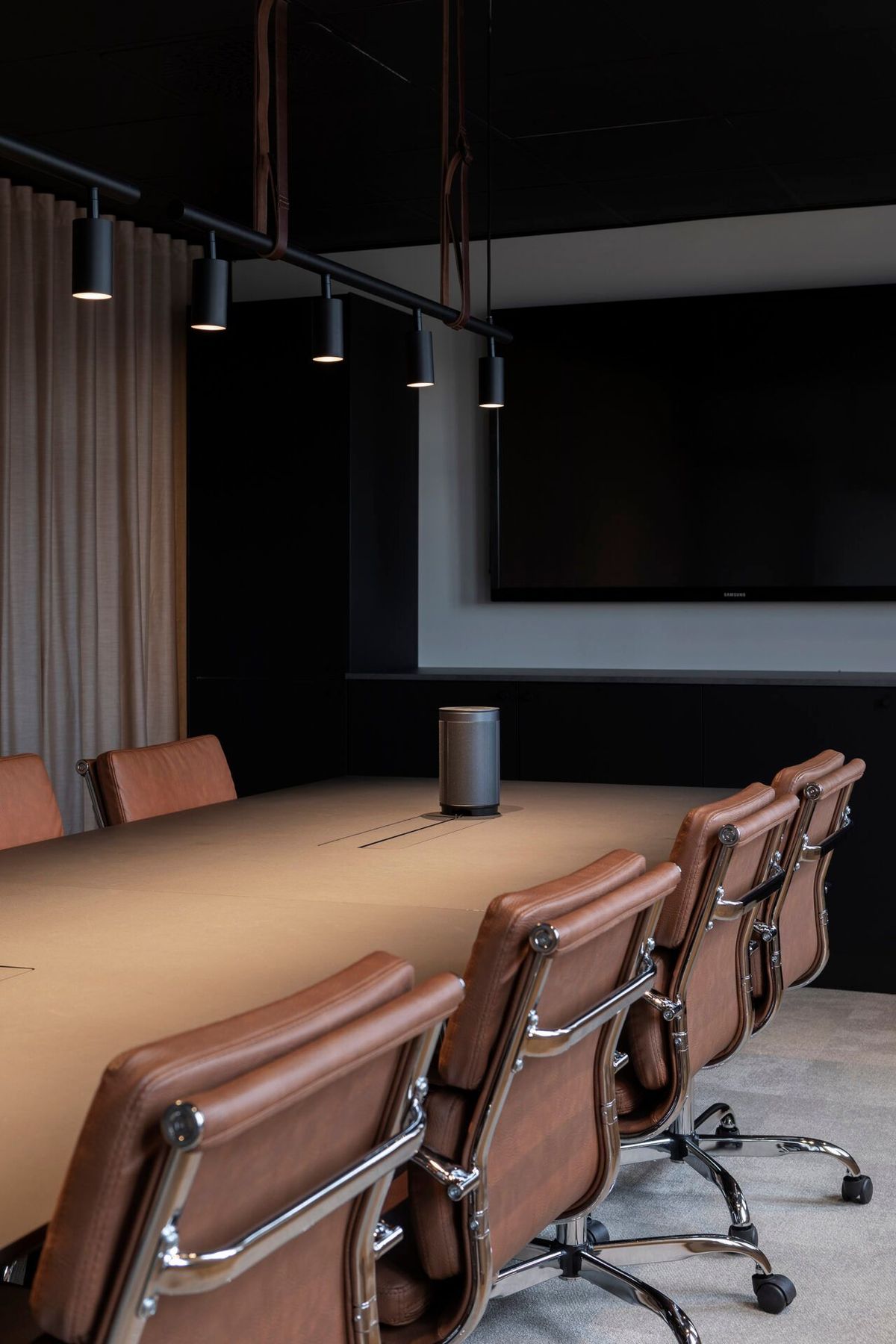
Company culture is often thought of as something abstract. But every day, culture takes physical form through the spaces people occupy, the interactions they have, and the environments they work within.
Whether supporting collaboration, enabling focused work, reflecting organisational structure, or reinforcing company values, thoughtful workplace design Singapore helps transform culture from an idea into an experience.
Ultimately, the workplace is more than a backdrop to company culture. It is one of the ways culture comes to life. Contact our design team at our Contact Us page, at our main line +65 63451730 or speak to our studio directors directly at +65 97386690 (Alicia)/+65 81234411 (Eugene) today!