
There is a certain moment, somewhere between receiving your first and third quotation, where everything begins to blur. Numbers, line items, unfamiliar terms, all arranged precisely, yet somehow still unclear. Most homeowners assume the difficulty lies in complexity. That renovation quotations are simply technical documents meant to be deciphered slowly, line by line.
But the truth is slightly different.
The challenge is not that renovation quotes are too complex. It is that they are often read the wrong way. Because a quotation is not just a list of costs. It is a reflection of decisions, assumptions, and intent – all condensed into a format that rarely explains itself.
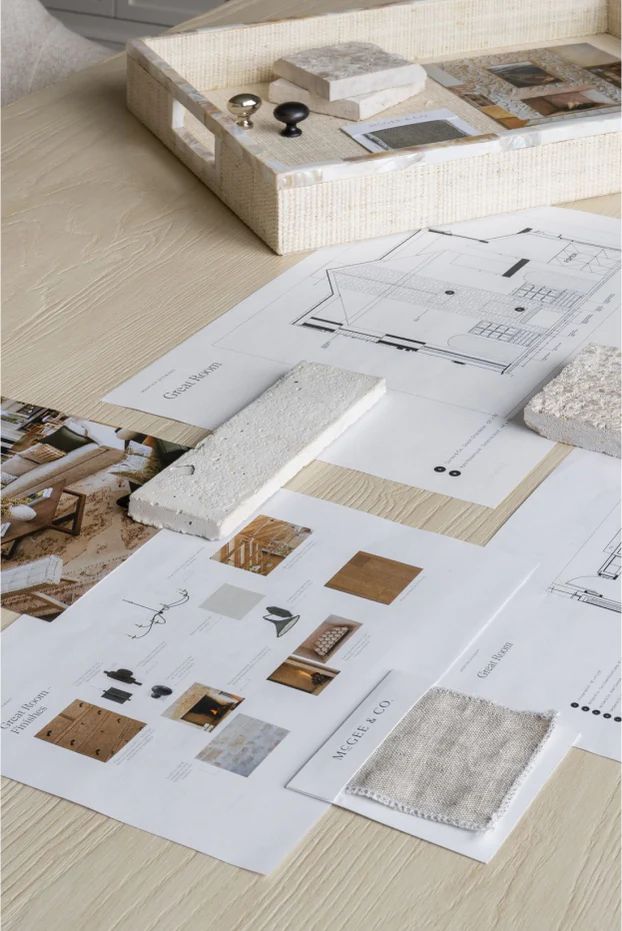
Start With Structure, Not the Total
The instinct is almost always the same. Scroll to the bottom, look at the final figure, and form an immediate impression. Be it – Too high. Reasonable. Suspiciously low.
But the total, on its own, offers very little clarity.
A more useful place to begin is with structure. How the quotation is organised often reveals more than the number it ends with. Sections such as carpentry, masonry, electrical works, and finishes should feel coherent and complete. When they do not, it usually signals that something has either been simplified or left open.
Reading the structure first shifts the focus from how much to what exactly is being proposed. That is how understanding begins.
Pay Attention to Language
Renovation quotations tend to use language that feels standardised, but certain terms carry more weight than they appear to. Words like “allowance”, “to be confirmed”, or “by others” are not fillers, they are signals.
An allowance suggests flexibility, it’s a placeholder rather than a fixed commitment. “To be confirmed” indicates that a decision has yet to be made, and that the cost may shift once it is. “By others” quietly removes responsibility from the quoted scope altogether.
None of these are inherently problematic. In fact, they are often necessary. But they do indicate where uncertainty exists. Where uncertainty exists, adjustments tend to follow. To you, these may be things to clarify, or for you to keep in mind.
What Looks Fixed May Not Always Be
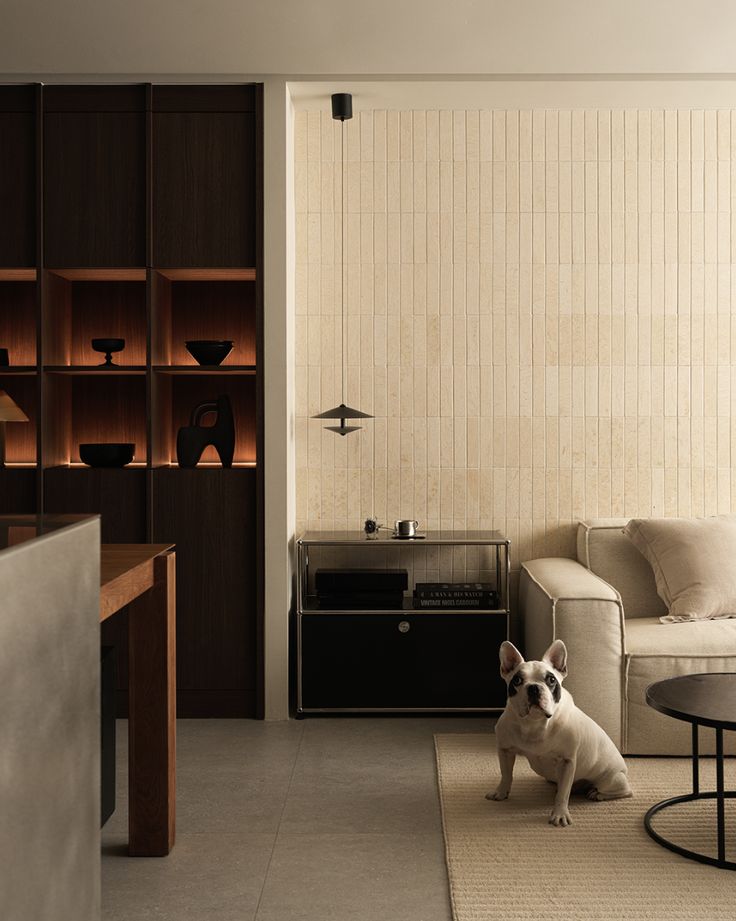
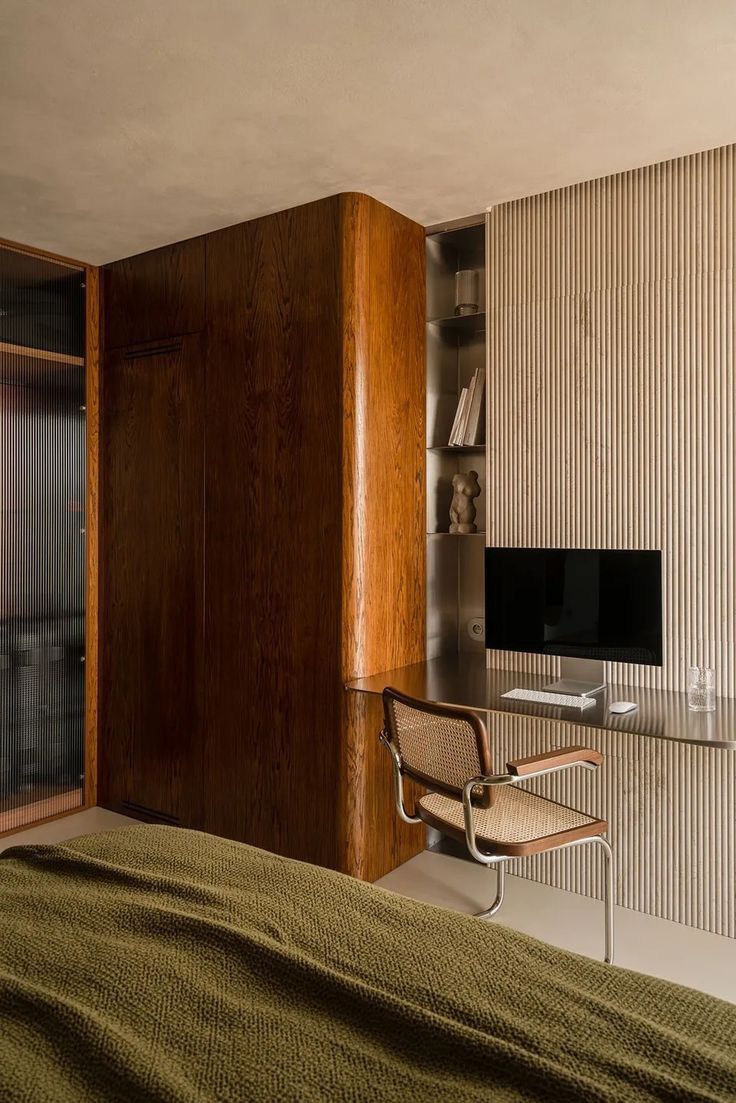
One of the more misunderstood aspects of a renovation quotation is the idea of fixed versus variable cost. Some items are clearly defined, with specified materials and scope. Others are intentionally left open, often due to site conditions, measurements or pending decisions. These are sometimes referred to as provisional sums, though not always labelled as such.
They are, in essence, educated estimates. For homeowners, this is where expectations need to be managed carefully. A quotation may feel complete, but certain portions are designed to remain flexible. Understanding where these lie allows for a more realistic reading of the total figure, not as a fixed outcome, but as a working range.
Look for What Isn’t There
A well-written quotation tells you what is included. A thoughtful reading also considers what is not. Items such as site protection, debris removal, coordination, or even finishing details are sometimes omitted, either intentionally or as part of a phased discussion. Their absence does not always stand out immediately, but it becomes relevant as the project progresses.
This is where many homeowners feel caught off guard. Not because costs are added unexpectedly, but because they were never explicitly addressed at the start.
Reading a quotation, then, becomes an exercise in awareness. Noticing gaps is just as important as understanding what is present.

Where Costs Are Most Likely to Shift
Not all parts of a renovation carry the same level of certainty.
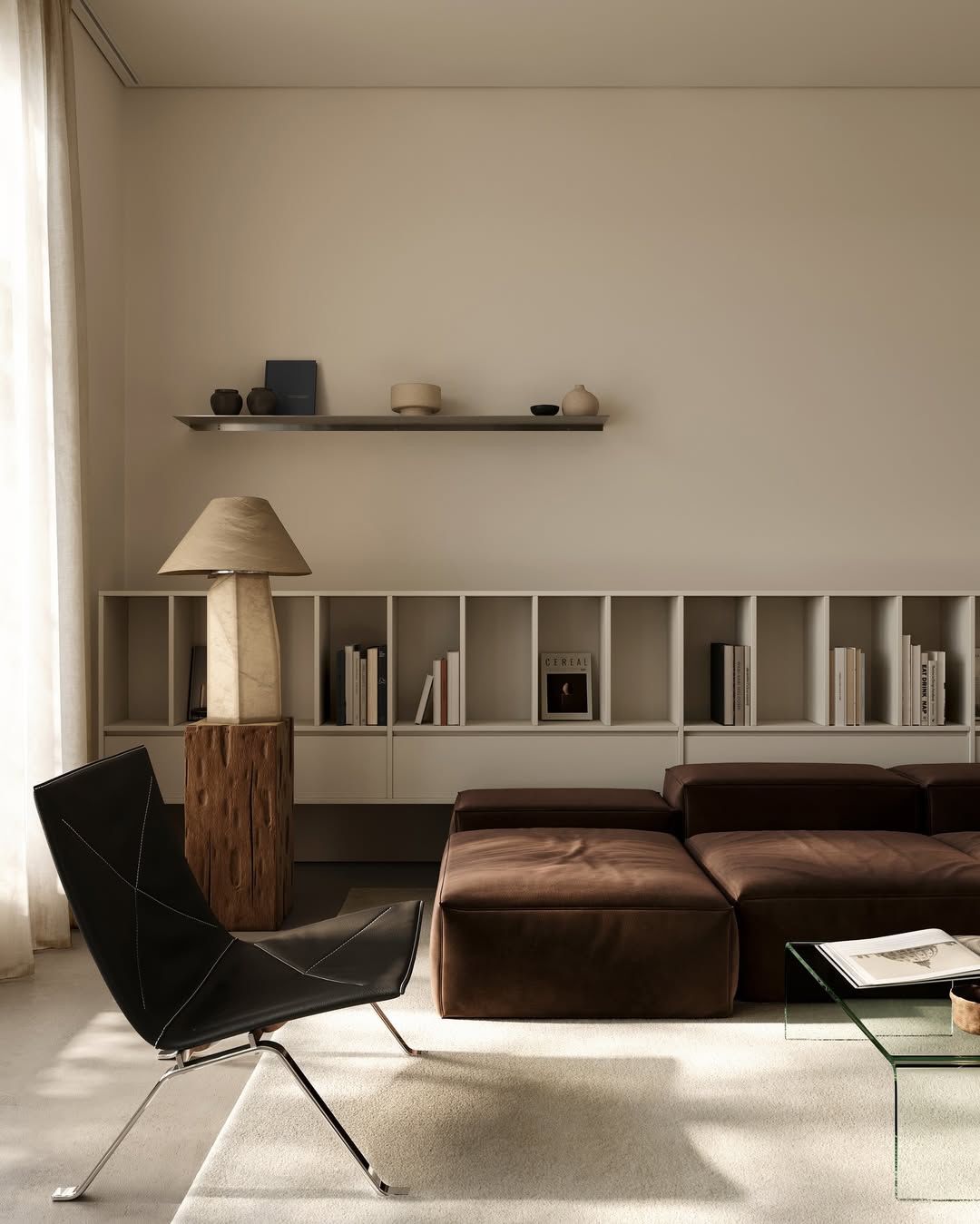
Finishes, for instance, tend to vary based on personal preference. Lighting selections, hardware choices, and certain carpentry details often evolve over time. These are natural points of change, and quotations usually account for them with some degree of flexibility.
Structural works, on the other hand, may shift due to site conditions rather than design decisions. What appears straightforward on paper can become more complex once work begins. Recognising these “moving zones” helps set expectations early. It reframes adjustments not as surprises, but as part of the process. It’s almost bound to happen in any renovation, a little like a lottery box, you’ll never know what’s hiding behind walls.
When to Question And When to Trust
There is a balance to be found between scrutiny and trust.
It is useful to question areas that are vague or heavily assumption based since these are the parts of a quotation that benefit from clarification, and where alignment can prevent future friction. At the same time, not every line item requires interrogation. Over-analysing minor details can obscure the bigger picture and cause unnecessary doubt.
Ultimately, a quotation is not just a document. It is also an indication of how a designer or contractor approaches their work. And that, more than any individual number, is often what shapes the final outcome. You have to be able to trust in your designer, be it as a person, or in their design sense.
Most renovation quotations are not designed to confuse, they are just simply not designed to explain themselves.
Which is why they often feel overwhelming at first glance. But when read with the right perspective, looking at structure, language, assumptions, and omissions, they begin to reveal far more than just a total figure.
They reveal intent. And in renovation, understanding intent is what allows better decisions to be made from the very beginning.
Contact our design team at our Contact Us page, at our main line +65 63451730 or speak to our studio directors directly at +65 97386690 (Alicia)/+65 81234411 (Eugene) today!