
Luxury is one of the most frequently used words in interior design. It appears in brochures, mood boards, showrooms, and property listings. Yet if you ask ten people what luxury means, and you are likely to receive ten different answers.
For some, it is marble surfaces and statement lighting. For others, it is expansive spaces, designer furniture, or meticulous detailing. Somewhere along the way, luxury has become closely associated with visual cues. Metallic accents, expensive materials, and finishes that immediately signal opulence.
But true luxury has evolved.
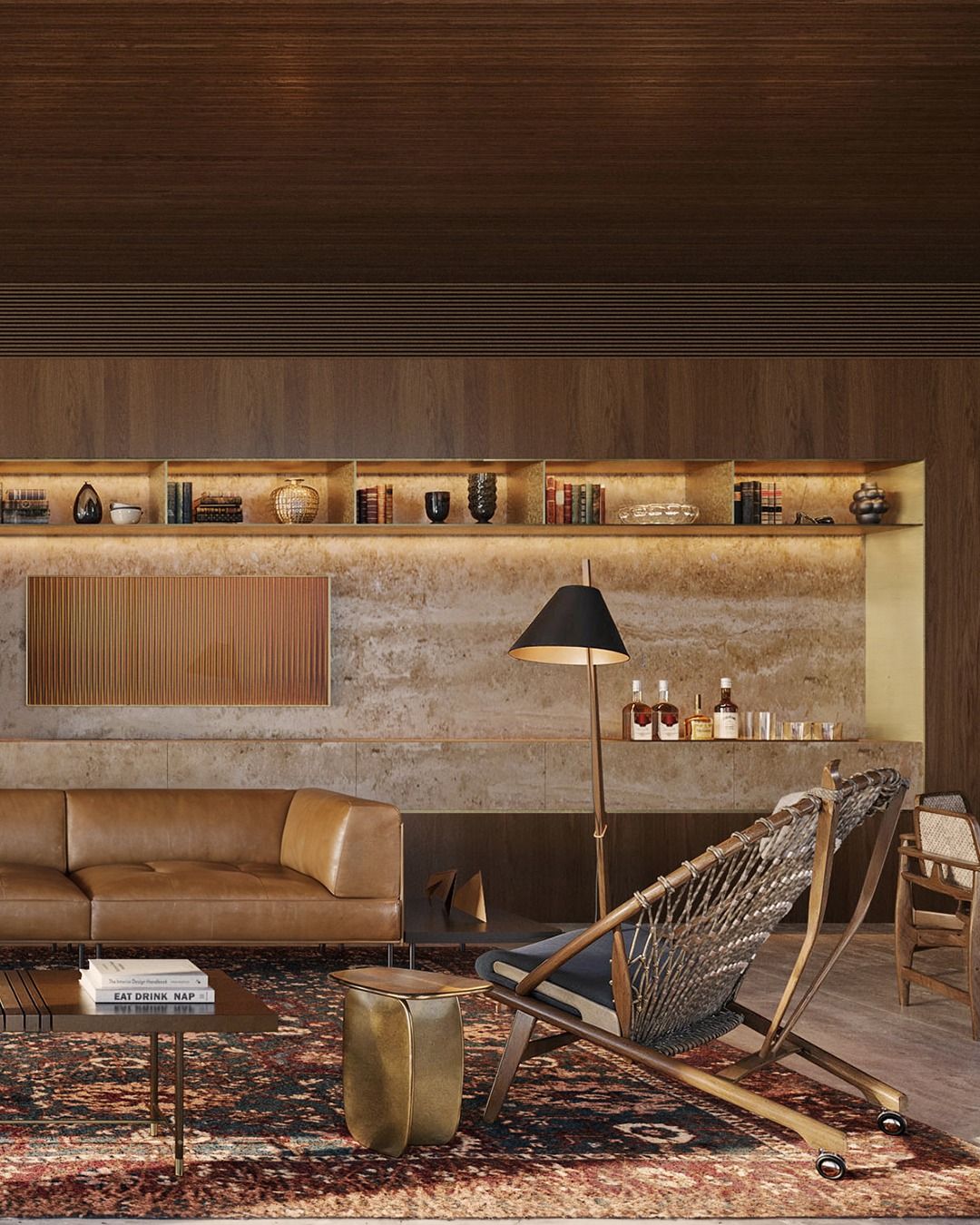
Luxury Is Not a Material Palette
Gold finishes often find themselves unfairly carrying the burden of representing luxury. So do the almost comically oversized chandeliers, dramatic stone surfaces, and highly decorative details. While these elements can certainly contribute to a refined interior, they do not automatically create a luxurious home.
Luxury is not a checklist of materials. It is a feeling.
A home can feature premium finishes throughout and still feel uncomfortable, impractical, or disconnected from the homeowner’s lifestyle. Conversely, a restrained interior with carefully selected materials can feel remarkably elevated simply because it has been designed thoughtfully. In many modern luxury home projects today, restraint has become more desirable than excess.
Rather than asking, What looks expensive? Homeowners are increasingly asking, What feels good to live with every day? And the answers tend to be surprisingly understated.
Luxury Means Designing Around Time
One of the most valuable things a home can offer is convenience. Not convenience in the technological sense, but in the way spaces quietly simplify everyday routines. Storage that exists exactly where it is needed, lighting which responds naturally to different moments of the day.
These details rarely attract immediate attention, yet they significantly influence how enjoyable a home feels over the years. In this sense, luxury becomes less about acquisition and more about giving something back: Your time.
Good design cannot create more hours in a day. But it can certainly help homeowners spend those hours better.
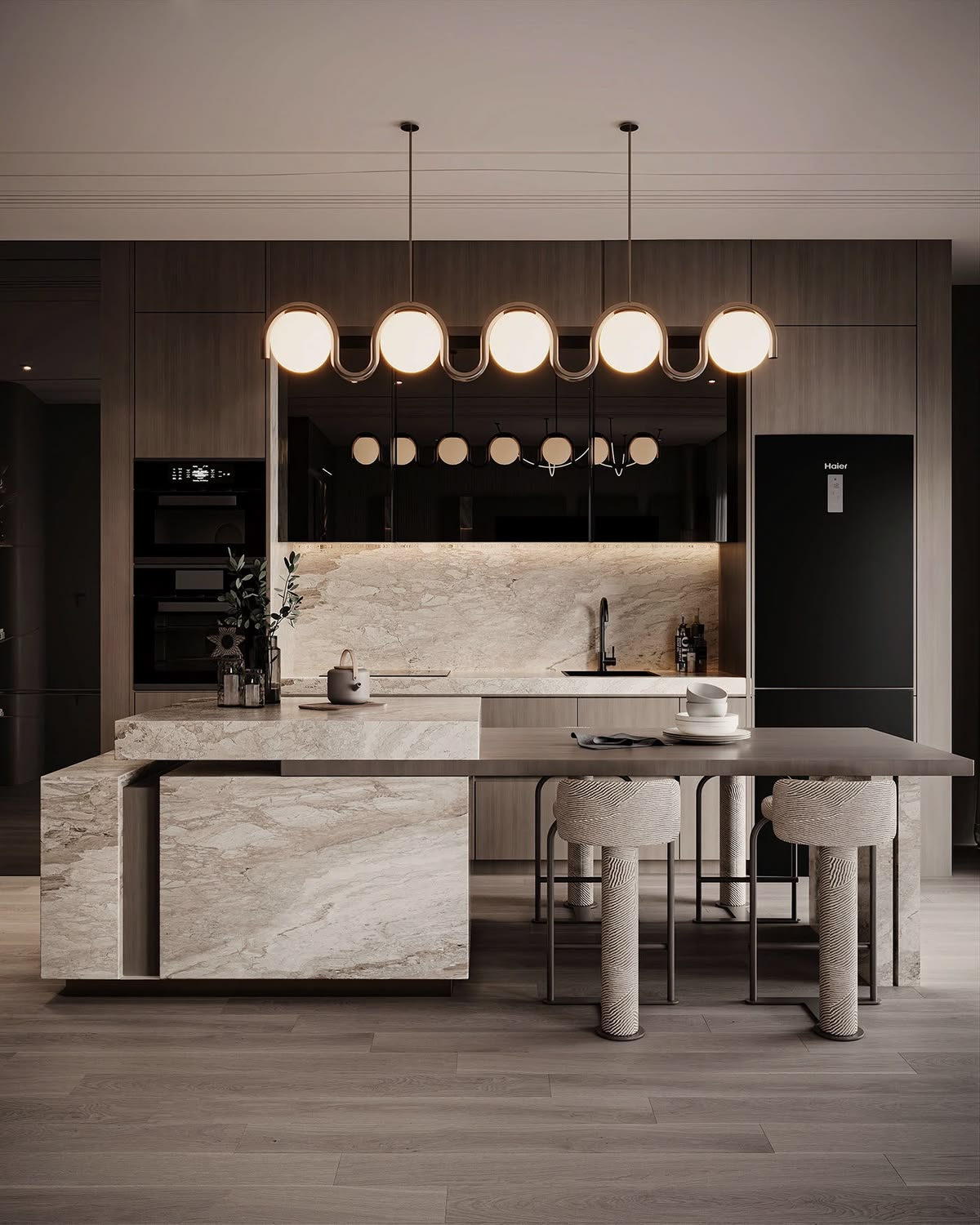
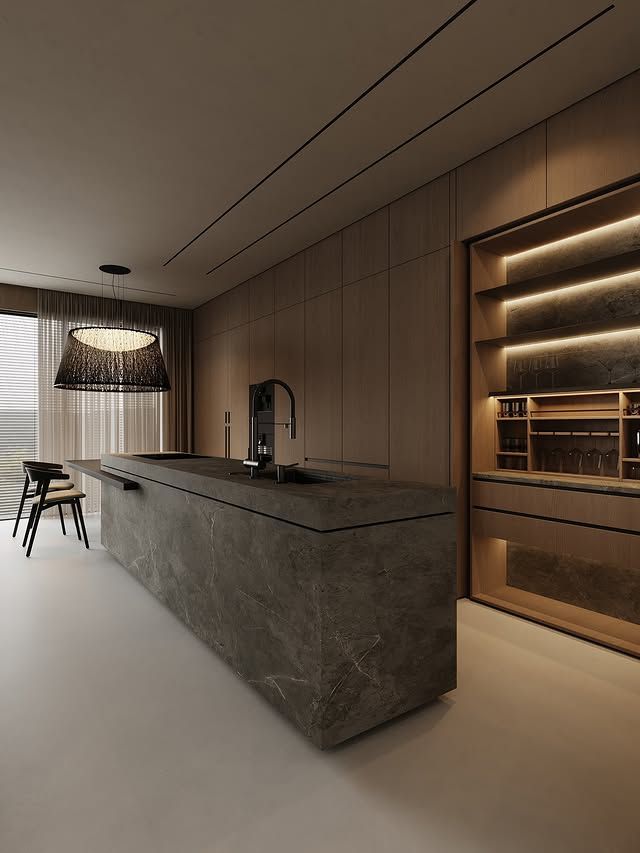
Personalisation Is Perhaps the Ultimate Luxury
Trends have a way of making homes feel familiar. Scroll through enough interiors and similar materials, colours, and features begin to appear repeatedly. While trends can be inspiring, they rarely capture the nuances of individual lifestyles.
Luxury, on the other hand, often lies in specificity.
A reading corner positioned precisely where morning sunlight arrives. A vanity area designed around someone’s daily routine. A kitchen planned to accommodate the way a family entertains. These decisions may not be immediately obvious to visitors. Yet they are often the elements homeowners appreciate most.
The Quiet Confidence of Timeless Design
Some homes feel luxurious not because they are extravagant, but because they feel composed. Materials work harmoniously together. Proportions feel balanced. Nothing appears overly decorative, yet every detail feels intentional.
There is a confidence in interiors that do not rely on trends to remain relevant.
This is perhaps why many contemporary luxury interior design Singapore projects are moving towards softer palettes, natural textures, and restrained detailing. The objective is not minimalism for its own sake, but creating spaces that remain enjoyable long after trends have shifted.
Because luxury should not feel temporary.
It should feel lasting.
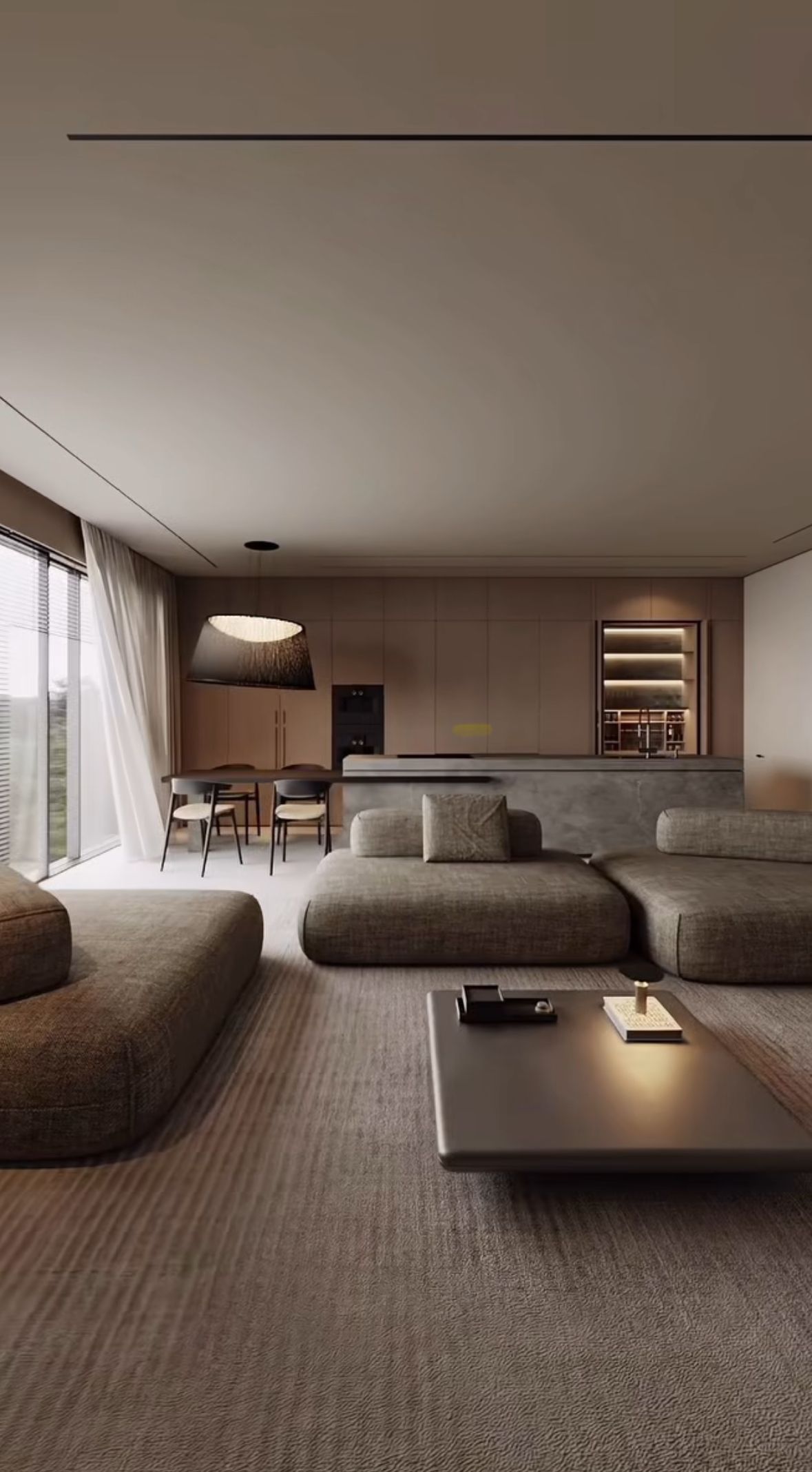
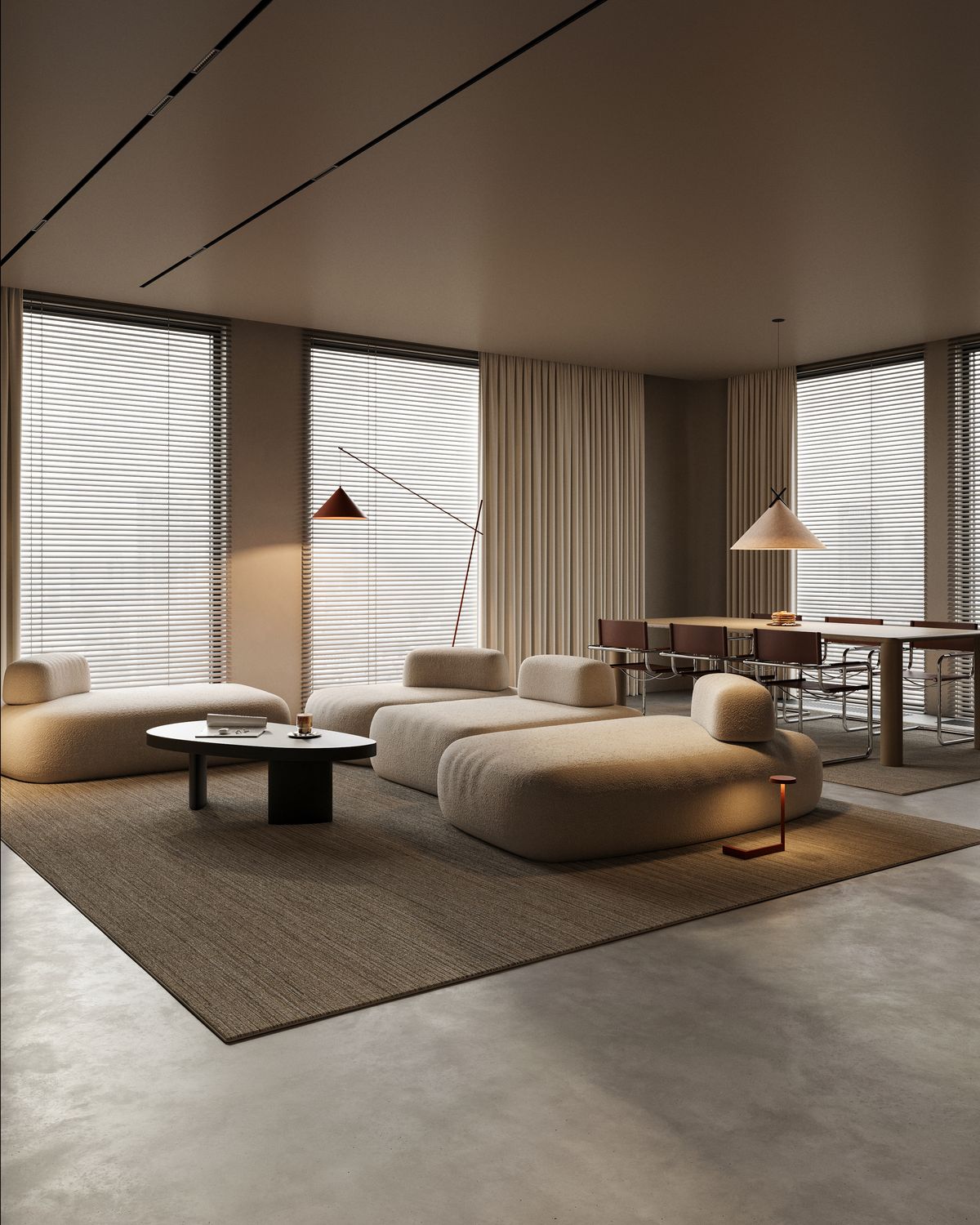
Space Is a Luxury in Itself
In densely populated cities, and much more for one as dense as Singapore, luxury increasingly manifests through spatial quality rather than material abundance.
It may be the ability to move comfortably through a home, have a dedicated area for hobbies. And to enjoy visual calm rather than constant stimulation. Sometimes luxury is simply having enough breathing room. Need I say more with the new layouts of BTOs these days?
Negative space, thoughtful layouts, and uncluttered environments contribute to a sense of ease that many homeowners value more than decorative excess. This does not necessarily require larger homes, instead requires better planning. After all, a carefully designed apartment can often feel more luxurious than a much larger home burdened by poor spatial decisions.
Luxury Should Support Life, Not Demand It
One of the most interesting shifts in contemporary design is the growing belief that luxury should adapt to people, rather than the other way around. Historically, luxurious spaces sometimes came with expectations. Grand castles that require dozens of handmaidens, marble that needs polishing and various refinements.
In our era, Modern luxury takes a different approach, it embraces practicality. Homes are expected to be lived in, not preserved. It is found in thoughtful layouts, personalised details, enduring materials, and spaces designed to improve the quality of daily routines.
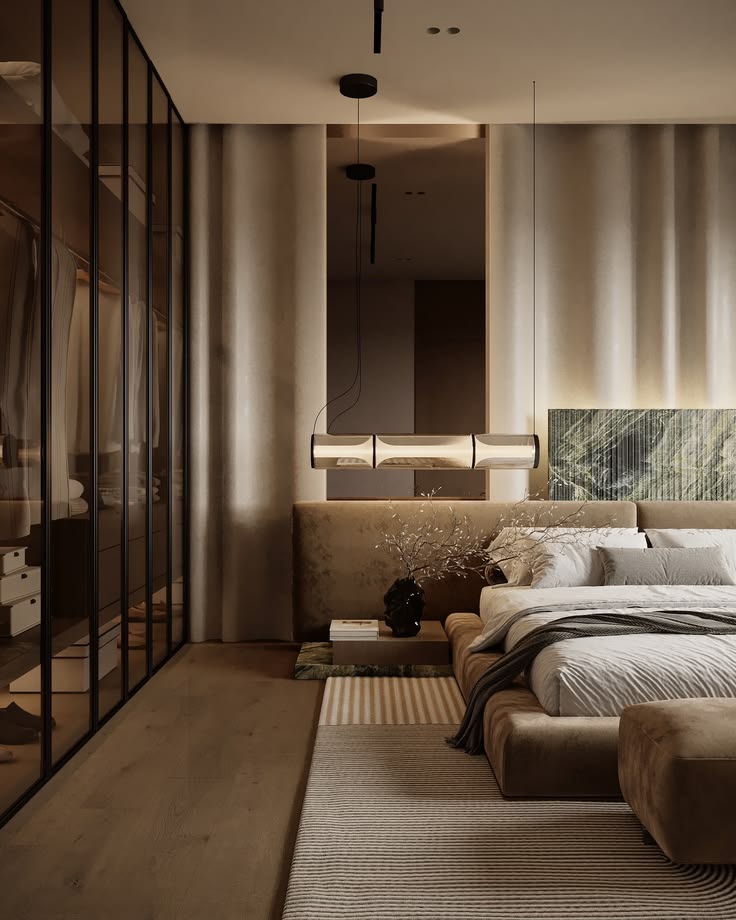
For homeowners exploring luxury interior design Singapore, perhaps the most useful question is How can my home feel better to live in?
Because in the end, luxury is not simply about materials, it is about lifestyle. Contact our design team at our Contact Us page, at our main line +65 63451730 or speak to our studio directors directly at +65 97386690 (Alicia)/+65 81234411 (Eugene) today!