
Open concept homes have a certain appeal. They feel expansive, effortless, almost architectural in their simplicity.
In Singapore where space is often limited, the idea of hacking walls to create a larger, flowing layout is understandably attractive. It often promises better light, improved connectivity and a home that feels less confined.
But an open concept renovation Singapore homeowners often pursue comes with more than just visual payoff. Because once the walls come down, everything else becomes more noticeable.
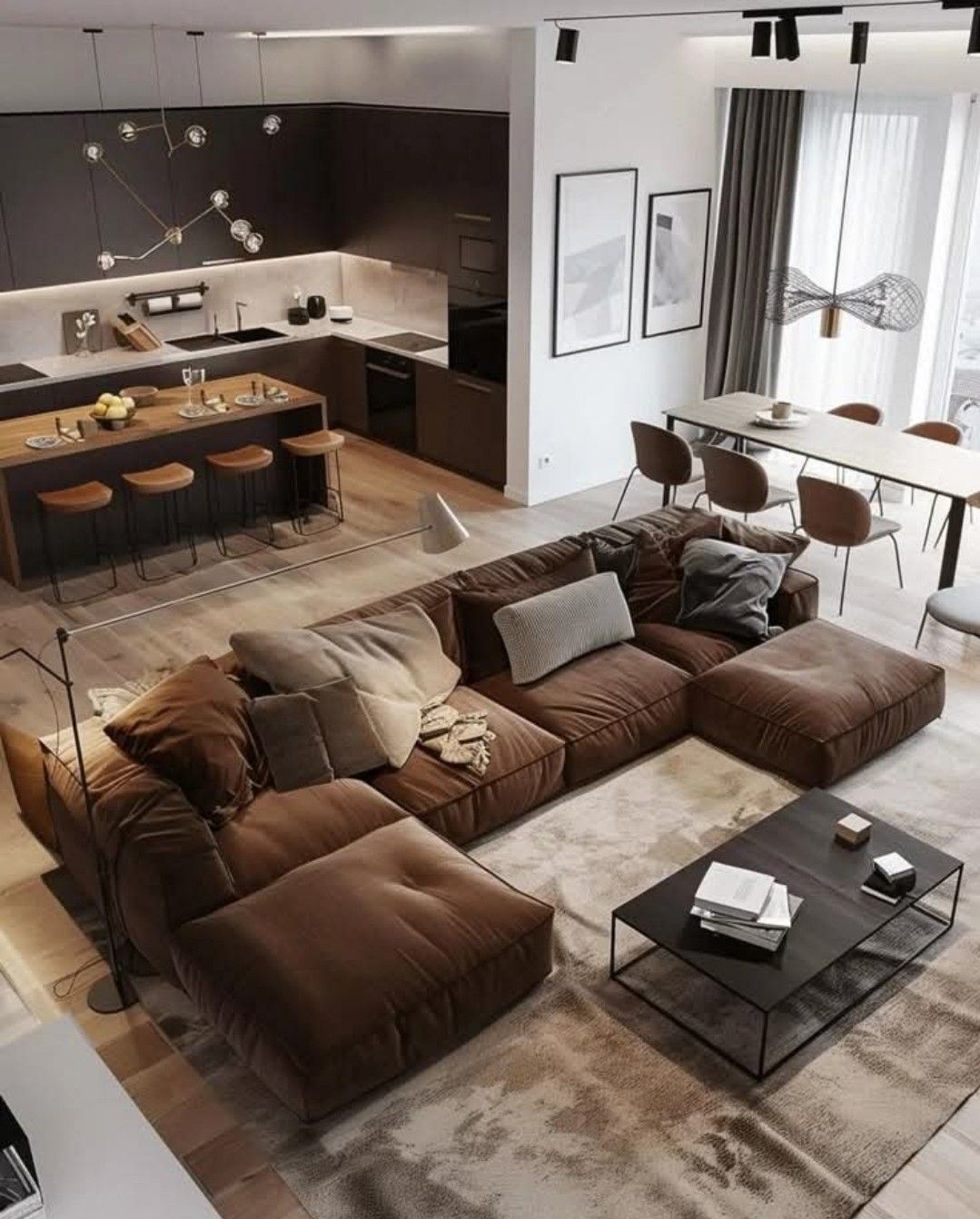
Space Feels Bigger But Also Louder
The first thing most homeowners notice is the openness. The second is the noise.
Without walls to absorb or contain sound, everyday activities begin to overlap. Conversations carry further, television audio spills into adjacent areas, and the subtle hum of appliances becomes part of the background. In a compact home, this can feel amplified. What was once contained within separate rooms now exists in a shared acoustic environment.
This is rarely considered when planning of hacking walls in a HDB project, but it changes how a space is experienced daily.
Open layouts benefit greatly from intentional material choices. You’ll want to cater softer finishes, rugs, and furnishings that help absorb sound. Without them, the space may look calm but sound restless.
Cooking Smells Travel Further Than You Think
A closed kitchen contains more than just cooking activity, it contains smell.
In an open concept layout, the kitchen becomes part of the living space. No one can deny that It is visually appealing, but also way less forgiving. Strong aromas from frying, spices, or heavy cooking linger longer and travel further.
This is especially relevant in Singapore homes, where cooking styles can be more robust. That laksa you were craving or traditional sambal recipe you have? The smell will linger for longer than you’d expect.
A well-designed open concept kitchen often requires:
- More powerful ventilation systems
- Strategic placement of hobs and prep areas
- Consideration of semi-open solutions (like glass partitions)
Because while openness looks effortless, it requires more control behind the scenes.
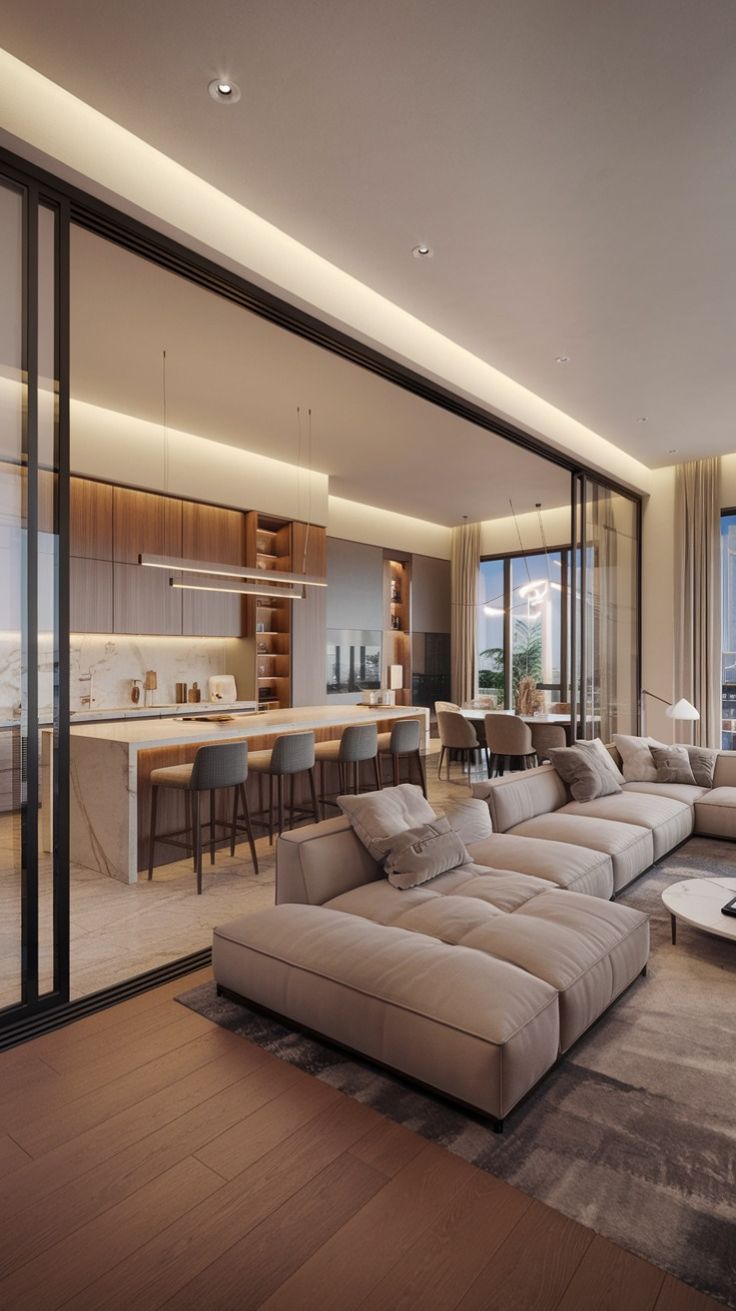
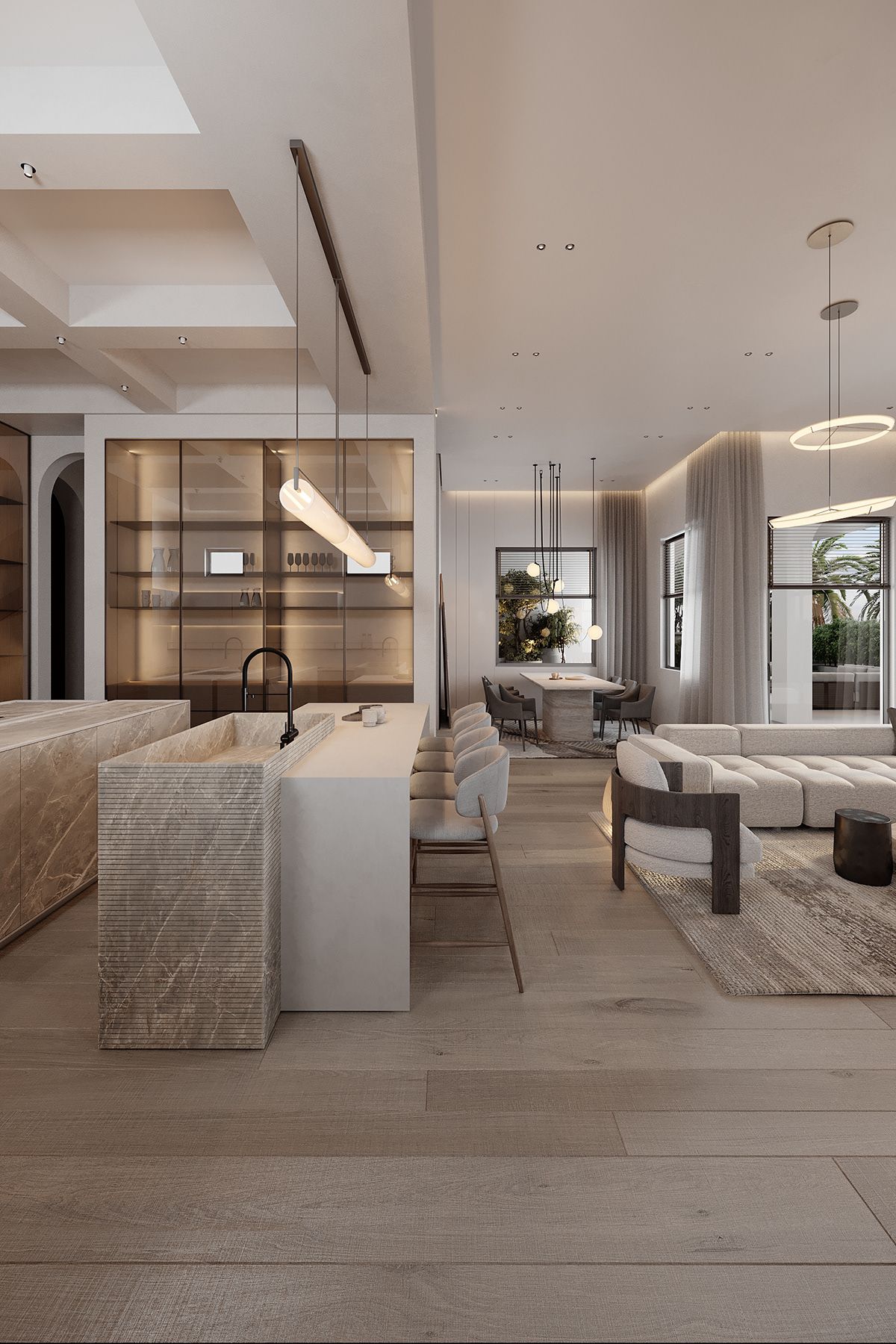
Privacy Doesn’t Disappear, It Just Becomes Scarcer
Walls do more than divide space. They create boundaries. Without them, privacy becomes something you have to actively design for. This affects everything from phone calls to quiet downtime, especially in households with multiple occupants.
In an open concept renovation, Singapore homeowners often overlook how daily routines overlap. Work, rest, and social activities begin to share the same visual and acoustic space.
This does not mean open layouts are unsuitable, but they demand more thoughtful zoning:
- Furniture placement to define subtle boundaries
- Changes in lighting to create separation
- Flexible partitions when needed
In other words, privacy doesn’t disappear, it just requires more intention.
Air-Conditioning Becomes Less Straightforward
One of the less glamorous realities of open layouts is air-conditioning. In a traditional layout, smaller enclosed rooms are easier to cool efficiently. In an open space, air volume increases, and cooling becomes less targeted.
This often leads to:
- Higher energy consumption
- Uneven cooling across zones
- Over-reliance on a single system
For homeowners planning an open concept renovation, this is where early planning matters. Consider your zoning systems, putting in additional units or even ceiling fans to maintain comfort without overworking the system.
Because a space that looks breezy should ideally feel that way too.
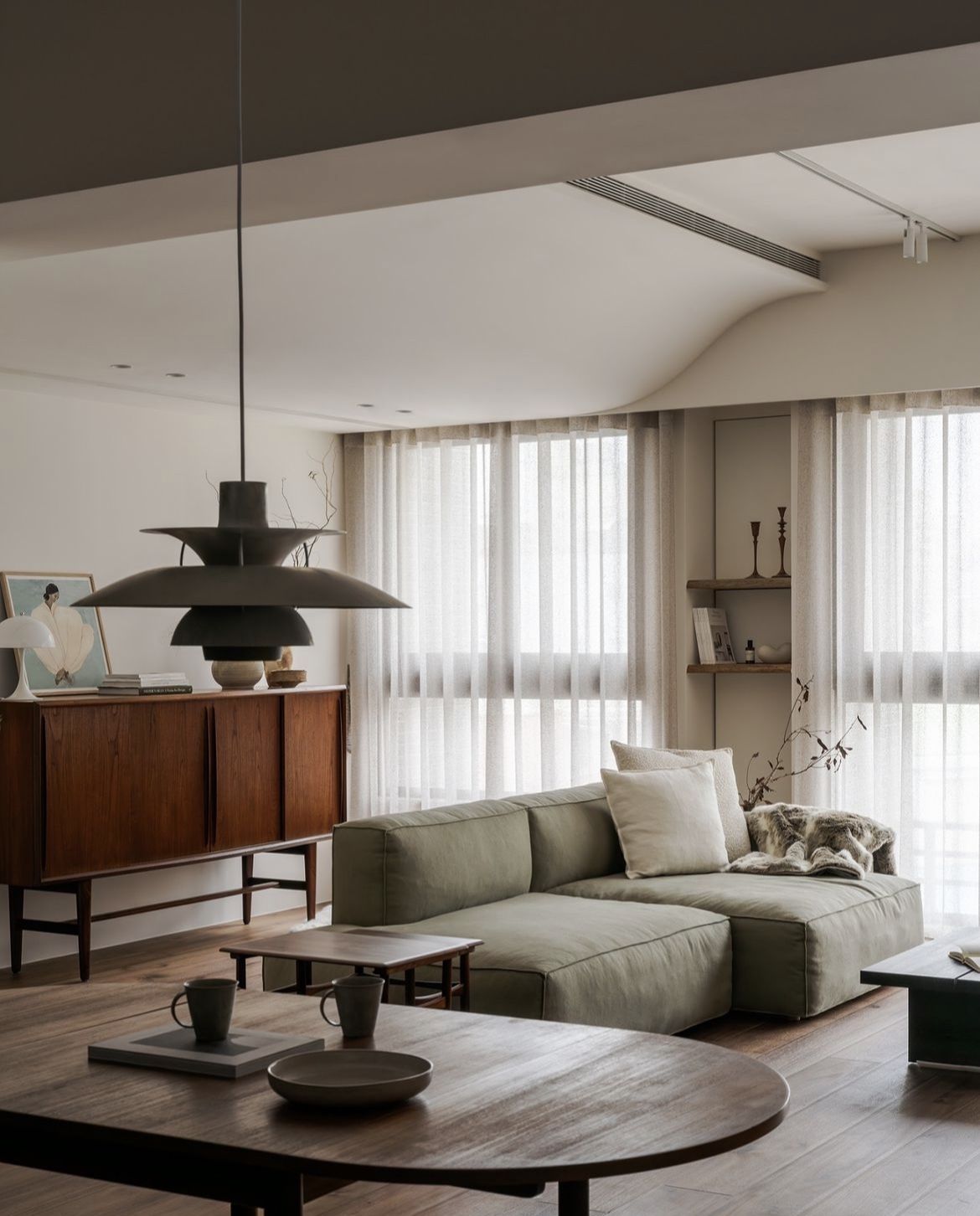
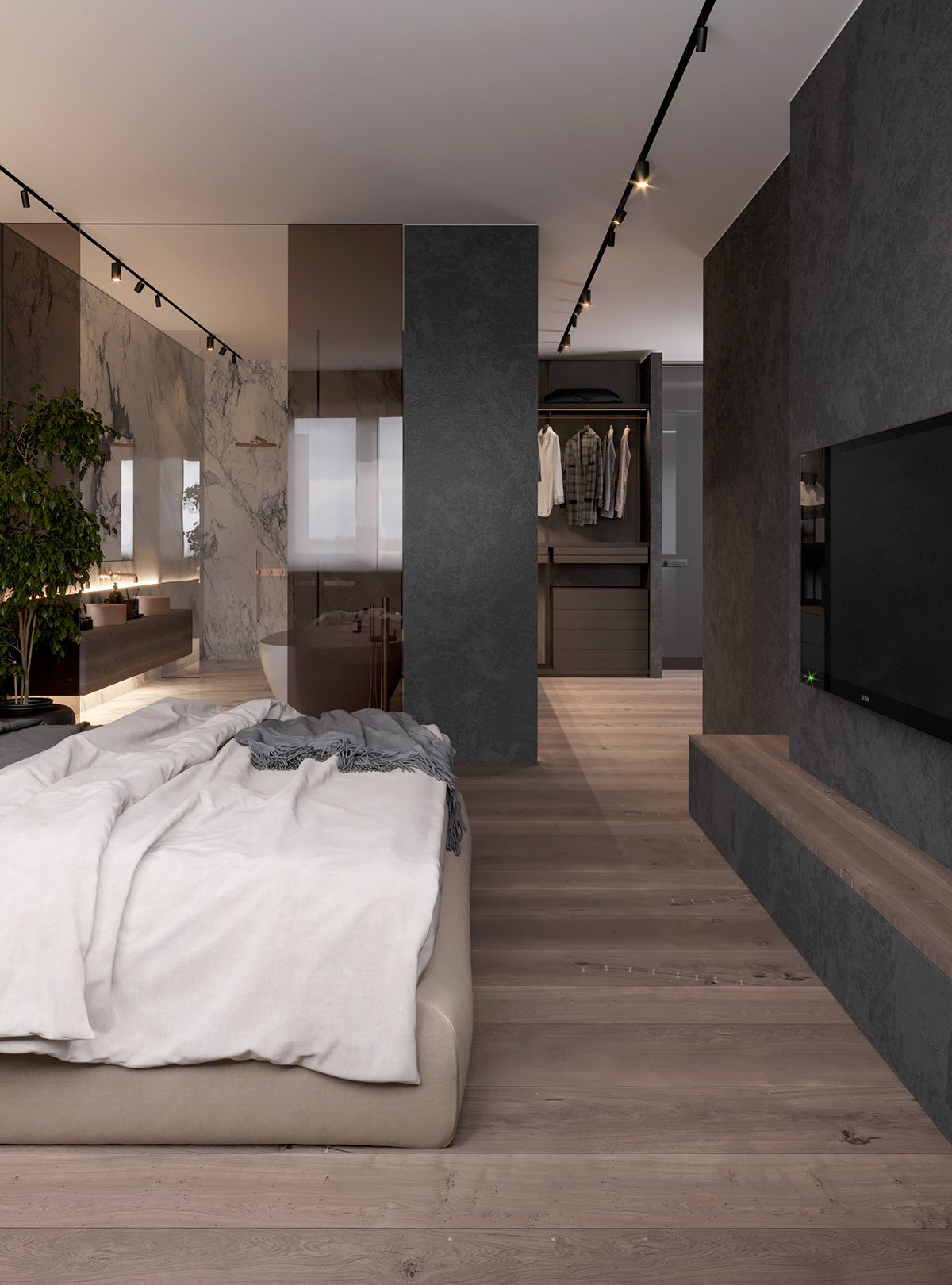
Resale Value: Not Always a Straightforward Win
Open concept layouts are popular, but they are not universally preferred. When it comes to resale, particularly for HDB projects with previously hacked walls, flexibility matters. Future buyers may prioritise:
- Additional bedrooms
- Defined spaces for family living
- Practical layouts over aesthetic openness
Irreversible changes, especially the removal of partitioning walls, can limit how easily a space adapts to different needs. Some homeowners mitigate this by keeping certain elements reversible using partial partitions instead of permanent removal, or designing layouts that can be reconfigured later.
Because good design considers not just how you live now, but how the space might be perceived later.
Open Concept Works Best When It’s Intentional
Despite all this, open concept living remains highly desirable and for good reason.
When done well, it creates better light distribution that brings in Singapore’s naturally tropical season. Stronger visual connectivity is a default since the house is essentially melded together, and that brings about a sense of calm with the uncluttered space.
But the keyword here is intentional.
The most successful open layouts are not simply the result of removing walls. They are carefully designed environments where acoustics, airflow, lighting, and movement are considered together. It is less about opening up the space, and more about understanding what happens after.
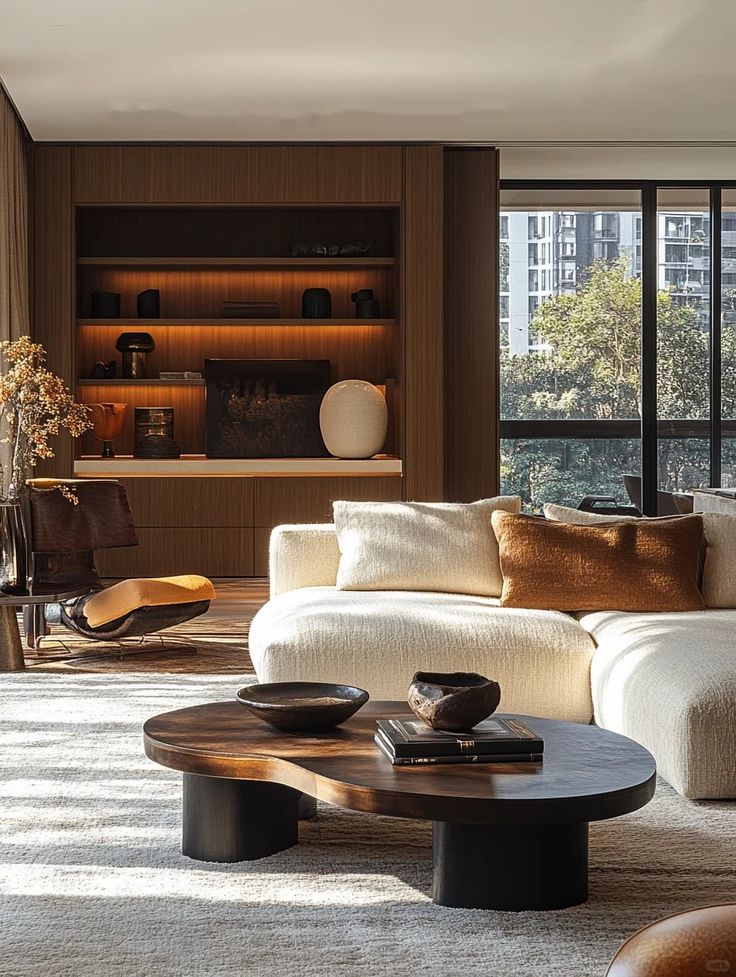
An open concept renovation Singapore homeowners envision often begins with a simple idea more space, more light, more freedom.
But the reality is more nuanced.
None of these are reasons to avoid open concept living. They are simply considerations that deserve as much attention as the layout itself. Contact our design team at our Contact Us page, at our main line +65 63451730 or speak to our studio directors directly at +65 97386690 (Alicia)/+65 81234411 (Eugene) today!