
Most homeowners think they need more storage. More cabinets, more drawers, more built-ins stretching from floor to ceiling. It’s always more, more and more. And yet, even in homes filled with carpentry, clutter somehow still appears.
Countertops become occupied. Chairs collect bags. Everyday items slowly migrate into visible corners of the home. This is where the conversation around storage design in Singapore often misses the real issue. In many cases, the problem is not a lack of storage, it is that the storage was never planned around how people actually live.
A beautifully concealed cabinet means very little if it sits in the wrong place. A large wardrobe becomes inefficient when internal compartments do not match actual usage. We could go on and on too about how even generous amounts of carpentry can feel inadequate when convenience has not been considered.
Good storage is rarely about quantity alone. It is about understanding behaviour.
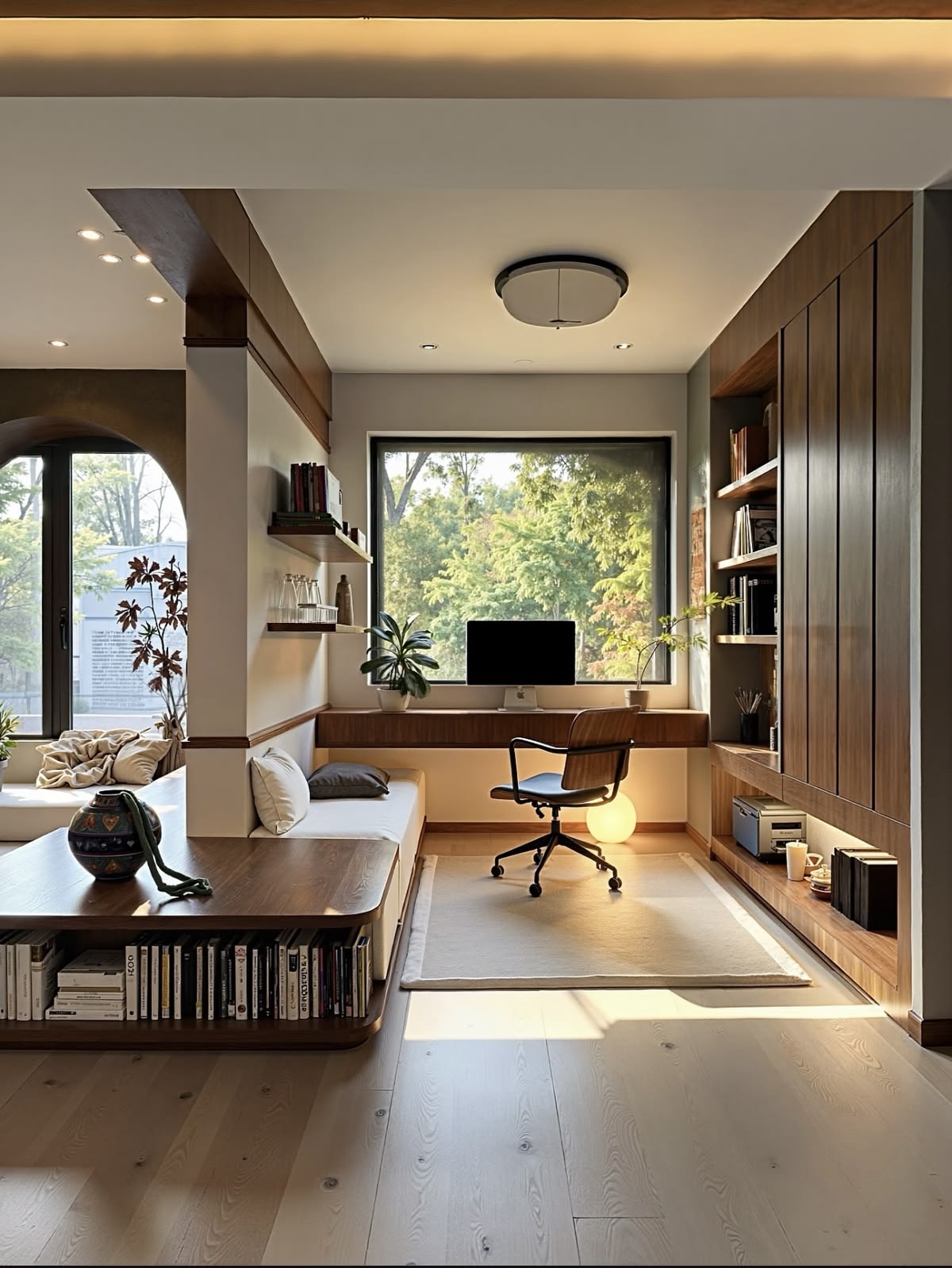
Why More Cabinets Don’t Always Solve Anything
One of the most common renovation instincts is to add more built-ins wherever possible. Longer TV consoles. Additional overhead cabinets. Full-height wardrobes. At first, this feels practical, a way to maximise every available inch of space.
But over time, excessive storage often creates a different issue. Things become harder to access, and cabinets turn into catch-all compartments. Items get stored simply because there is space for them, not because they are actually needed.
The result is a home that feels visually heavy despite technically having “good storage”. In many custom carpentry Singapore projects, the more important question is not how much storage to create, but what kind of storage the space actually needs. Effective storage should reduce friction, not just hide clutter.
The Problem Is Usually Placement
A home can have plenty of storage and still function poorly. This often comes down to placement. Shoes stored too far from the entrance, kitchen items placed nowhere near where they are used, and cleaning supplies hidden in inconvenient corners. Wardrobes designed beautifully, but without considering how someone dresses daily.
These small disconnects accumulate over time. (and yes, we would be irritated by these.)
People naturally gravitate towards convenience. If an item is difficult to access or inconvenient to return, it slowly begins living outside the storage system entirely. This is why thoughtful storage design Singapore projects focus heavily on movement patterns. Where items are used matters just as much as where they are stored.
A well-designed home quietly supports habits instead of constantly working against them.
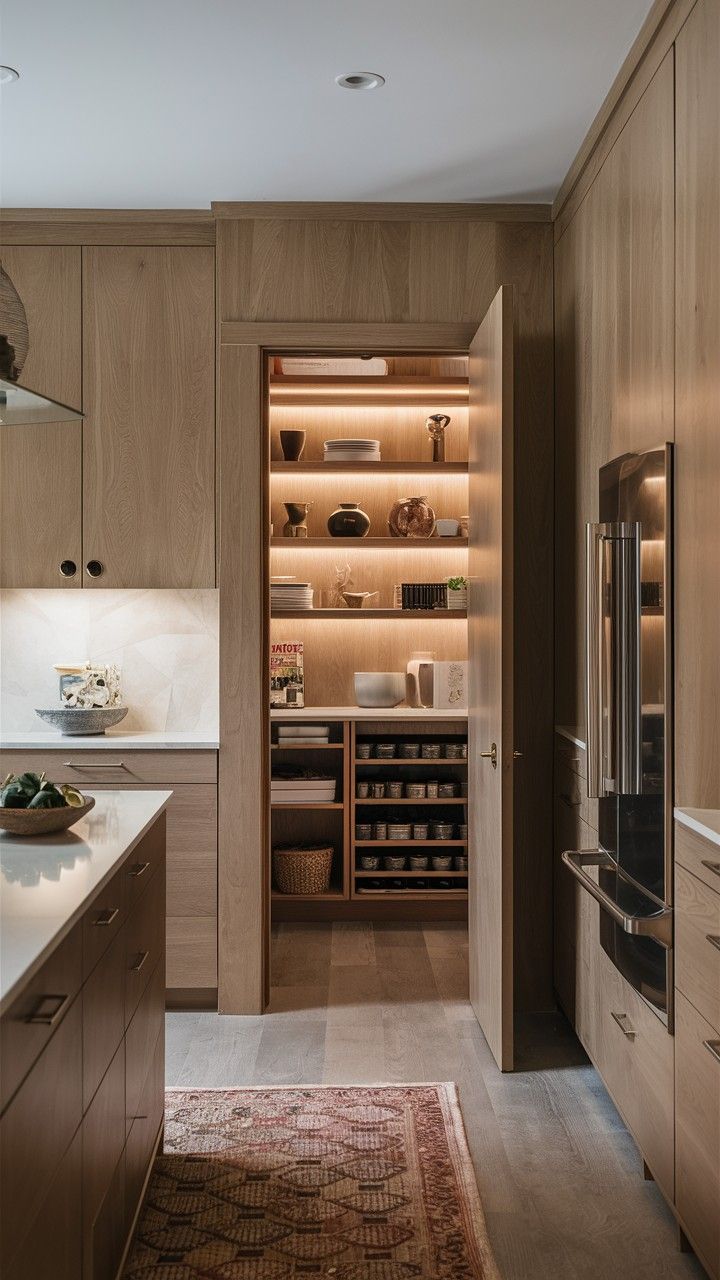
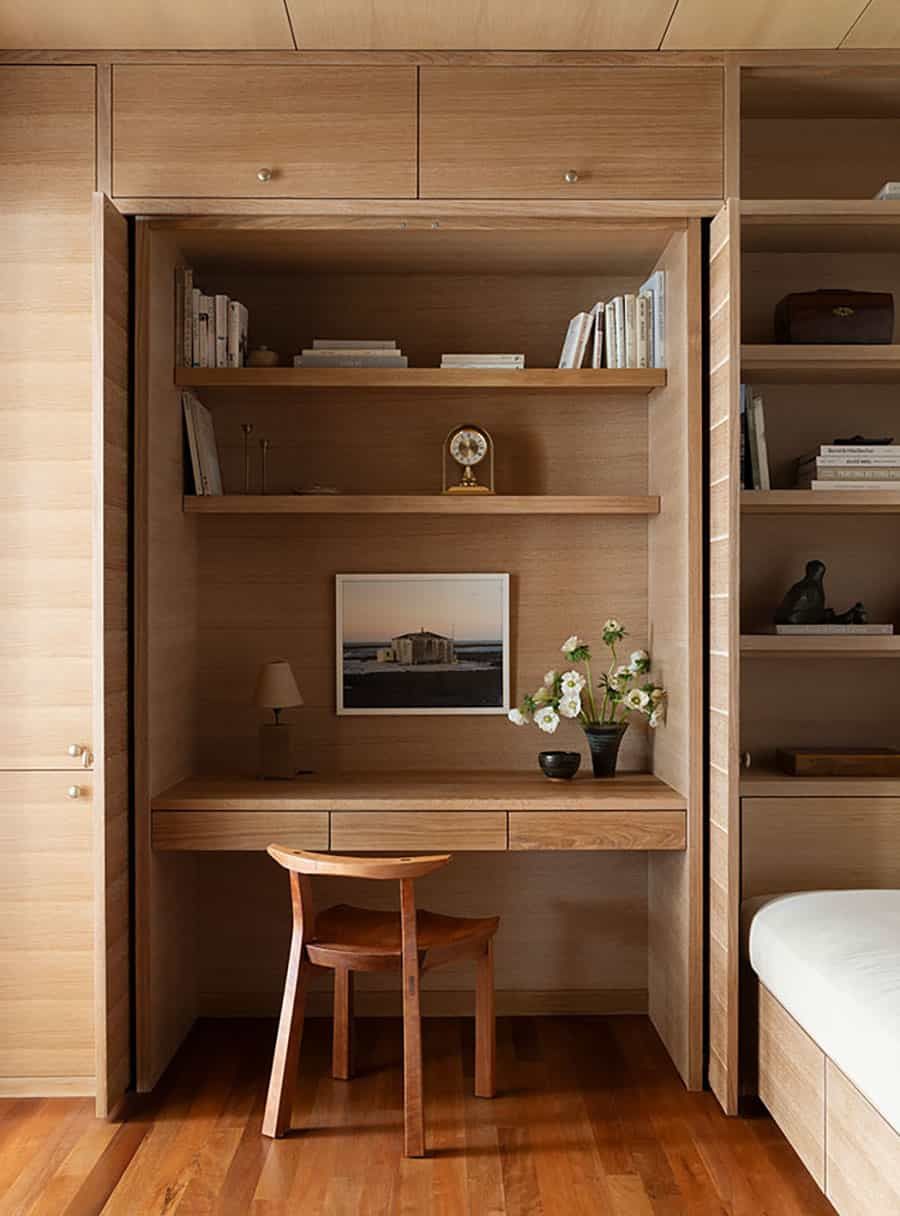
Storage Should Reflect Lifestyle, Not Just Floor Plans
Two homeowners can live in identical layouts and require completely different storage solutions. Someone who cooks frequently may prioritise pantry organisation and appliance storage. Another homeowner may need more concealed display areas, workspace integration, or wardrobe flexibility.
Yet many homes still rely on generic storage planning, standard cabinets repeated across different lifestyles without much adjustment. This is where customisation becomes important.
Good custom carpentry Singapore projects respond to actual routines rather than assumed ones. Internal compartments are designed around your real belongings. Heights are calibrated to how items are reached. Frequently used objects are placed within immediate access, while less-used storage shifts further away.
The goal is not simply neatness. It is creating systems that feel intuitive enough to maintain naturally.
Open Shelving Looks Better in Theory Than Reality
There is a reason open shelving photographs well. It creates visual lightness, breaks up heavier carpentry, and allows styling opportunities that feel relaxed and curated.
But in everyday living, open storage requires discipline.
Without consistency, shelves quickly become visually cluttered. Everyday objects, your chargers, receipts or miscellaneous packaging rarely arrange themselves as neatly as they do in staged interiors.
This does not mean open shelving should be avoided entirely. It simply means it should be intentional. Closed storage supports practicality; open storage supports aesthetics. The balance between both is often what determines whether a space feels calm or chaotic over time.
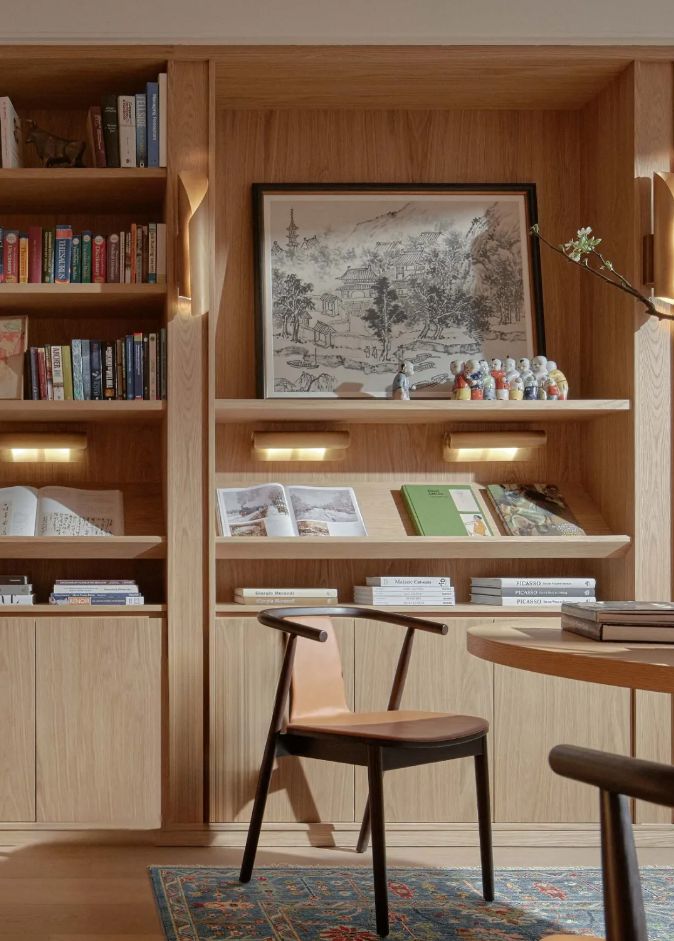
Why Hidden Storage Works So Well
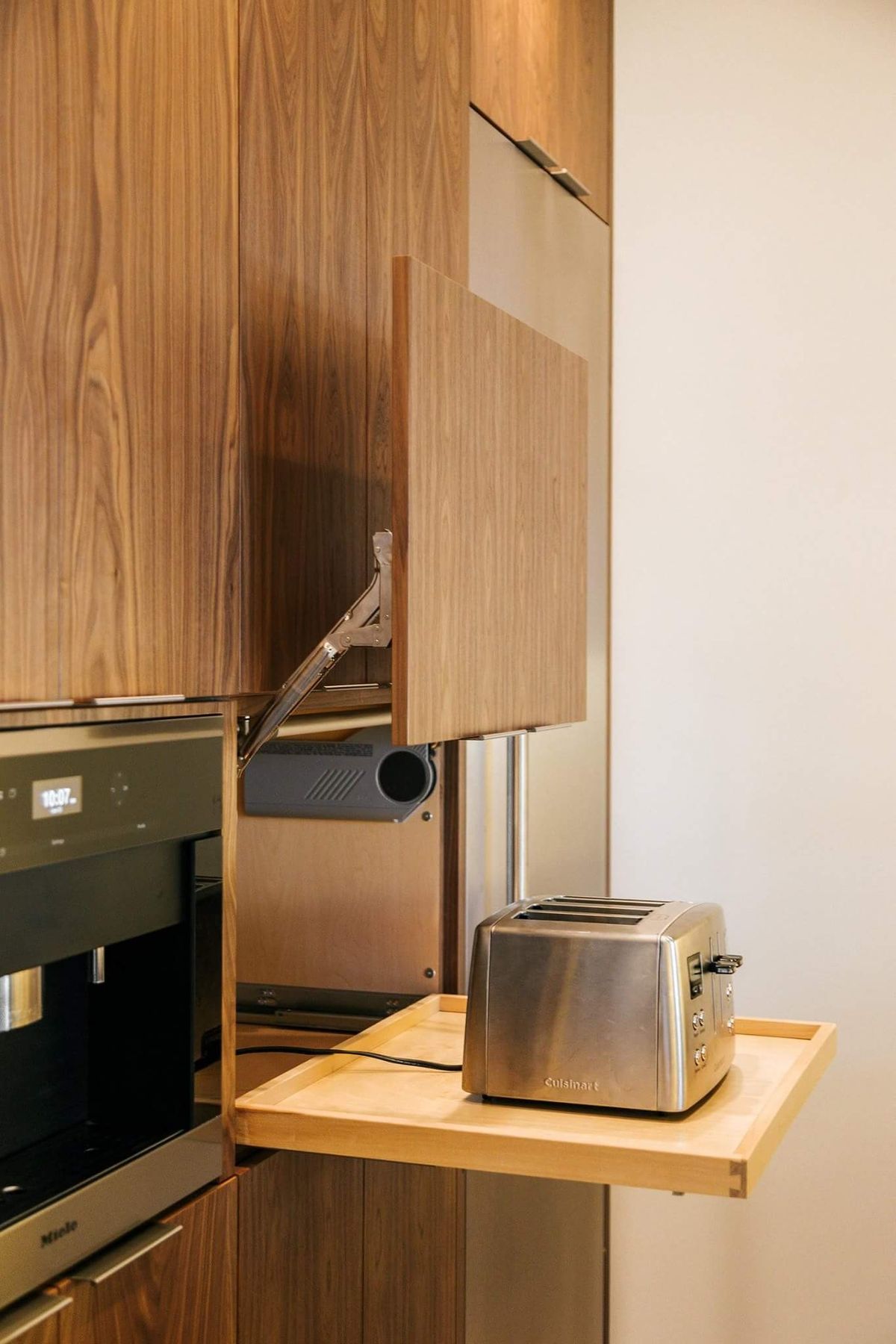
Some of the most effective storage solutions are the ones that do not immediately look like storage at all.
Integrated carpentry. Concealed compartments. Full-height panels that blend seamlessly into walls. These approaches reduce visual interruption, allowing the space to feel cleaner and more composed.
But hidden storage is successful not because it disappears visually. It works because it simplifies the environment. When clutter is visually reduced, spaces naturally feel larger, calmer, and easier to maintain. This is especially important in Singapore homes, where spatial clarity significantly affects how comfortable a home feels day to day.
The best storage systems are often the ones you stop consciously noticing altogether.
Storage Is Really About Decision-Making
At its core, storage planning is less about cabinetry and more about prioritisation.
Which items deserves immediate access? What should remain hidden? Who needs flexibility over time? These decisions shape how a home functions long after the renovation is complete. Without this layer of planning, even beautifully executed carpentry can begin to feel insufficient surprisingly quickly.
Because clutter is rarely caused by the absence of cabinets alone. More often, it is the result of systems that were never fully aligned with the way the homeowner actually lives.
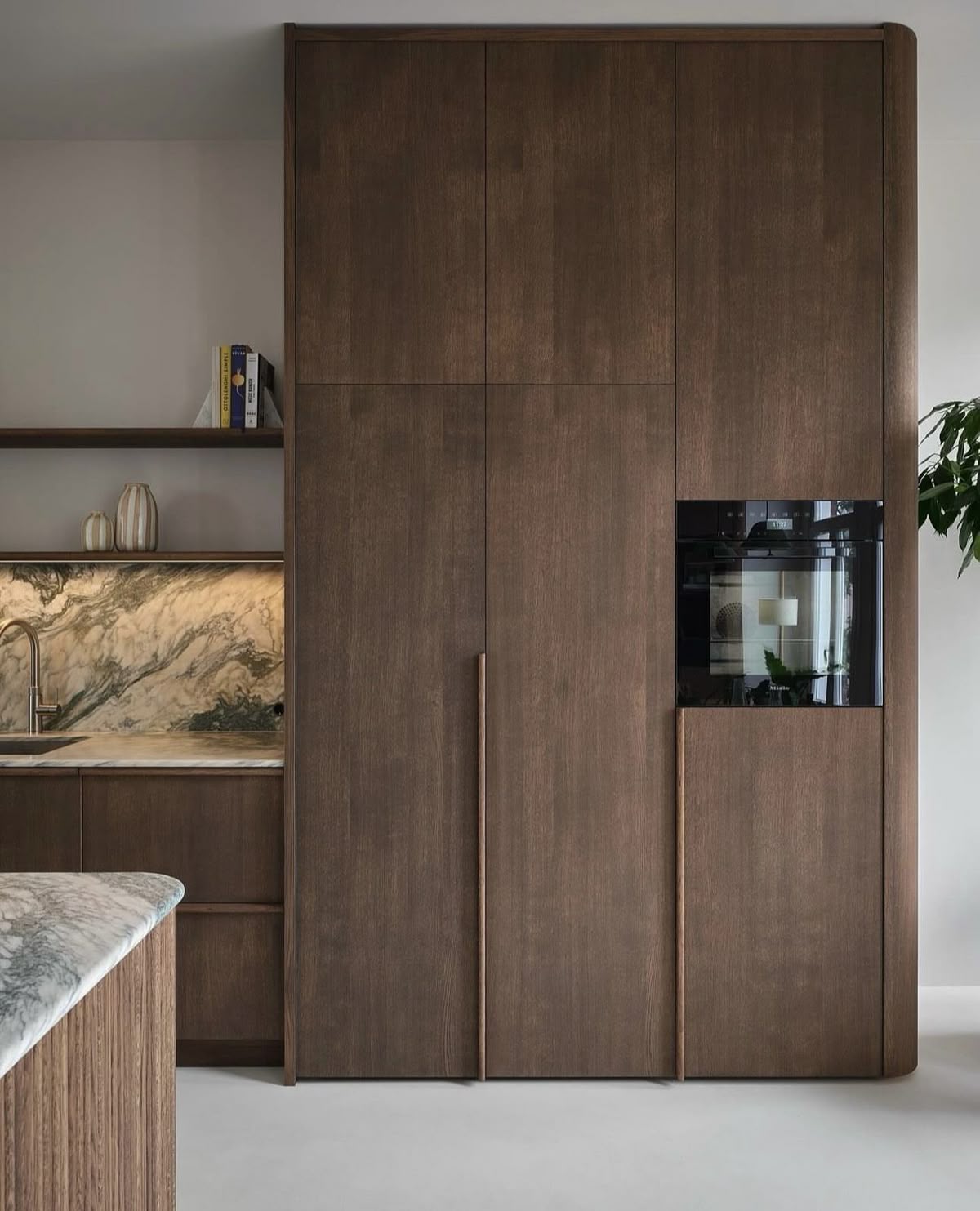
Storage, despite how often it is discussed in renovation conversations, is rarely the real issue. Most homes already have space. The challenge lies in how that space is planned, positioned, and integrated into daily living.
Which is why good custom carpentry Singapore projects are not simply about adding more cabinets. They are about understanding routines, anticipating habits, and creating systems that feel natural to use over time.
Because ultimately, the best storage solutions are not the ones that hold the most. They are the ones that make living feel easier. Contact our design team at our Contact Us page, at our main line +65 63451730 or speak to our studio directors directly at +65 97386690 (Alicia)/+65 81234411 (Eugene) today!