
Space, in a landed home, is rarely the issue. It is what you do with it that defines everything.
Whereas landed house interior Singapore projects offer more generous proportions than apartments or condos, the challenge shifts. It is no longer about maximising space, but about shaping it: giving it rhythm, intention, and depth.
This is where layering comes in. Not as a decorative concept, but as a spatial one. Because a well-designed home is not experienced all at once. It reveals itself gradually, one threshold at a time.
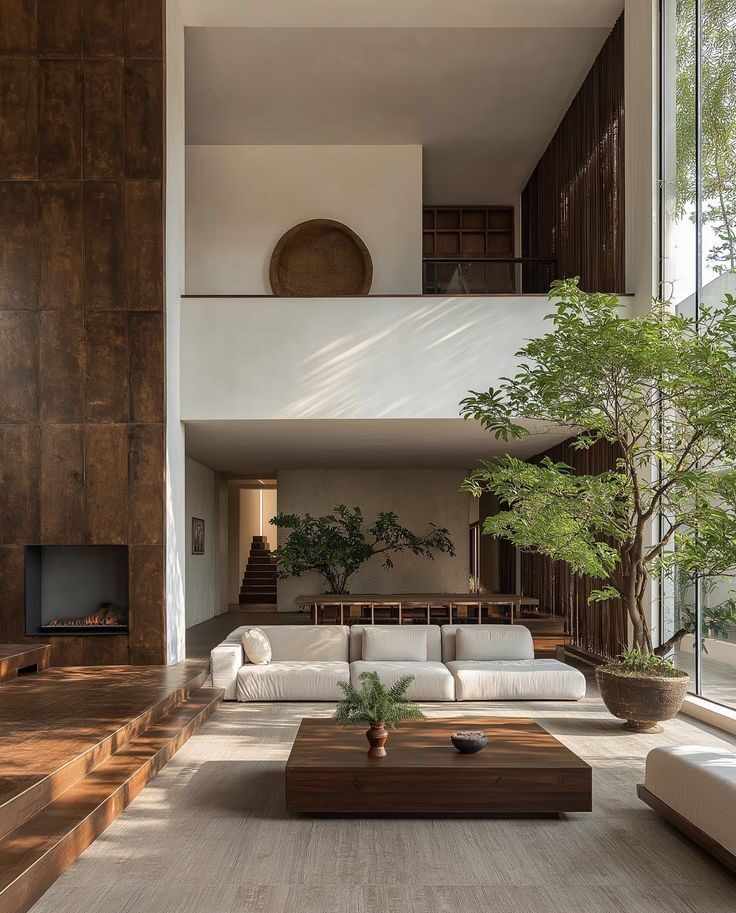
Why Space Needs Structure
Open layouts have long been associated with luxury. Fewer walls mean longer sightlines and create a sense of visual calm. But without structure, openness can feel undefined. In larger homes especially, a purely open plan often results in spaces that look expansive but lack distinction. Living, dining, and circulation zones begin to blur into one continuous field, with little sense of hierarchy.
Layering introduces subtle divisions without relying on full enclosure. It might take the form of a lowered ceiling plane, a shift in material, or a carefully positioned partition that filters rather than blocks. These interventions do not interrupt space. They articulate it.
The result is a home that feels both open and composed. The goal is to be expansive, yet clearly defined.
Designing Through Thresholds, Not Just Rooms
One of the most understated elements of luxury spatial design is the idea of transition.
Rather than moving abruptly from one room to another, layered homes guide movement through a sequence of thresholds. These are not always doors (I know, I know that’s the general feeling ). More often, they are moments – a change in flooring, a narrowing of passage, a subtle shift in light.
This creates a sense of progression, just like details in movies or levels in a game. A living space does not simply begin; it is arrived at. A private area is not just separated with erected walls but gradually withdrawn from the more social zones of the home.
In landed homes, where space allows for more deliberate planning, these transitions become opportunities. They introduce pacing, contrast, and a sense of quiet anticipation. It is less about defining rooms, and more about choreographing how they are experienced.
Working With Volume, Not Against It
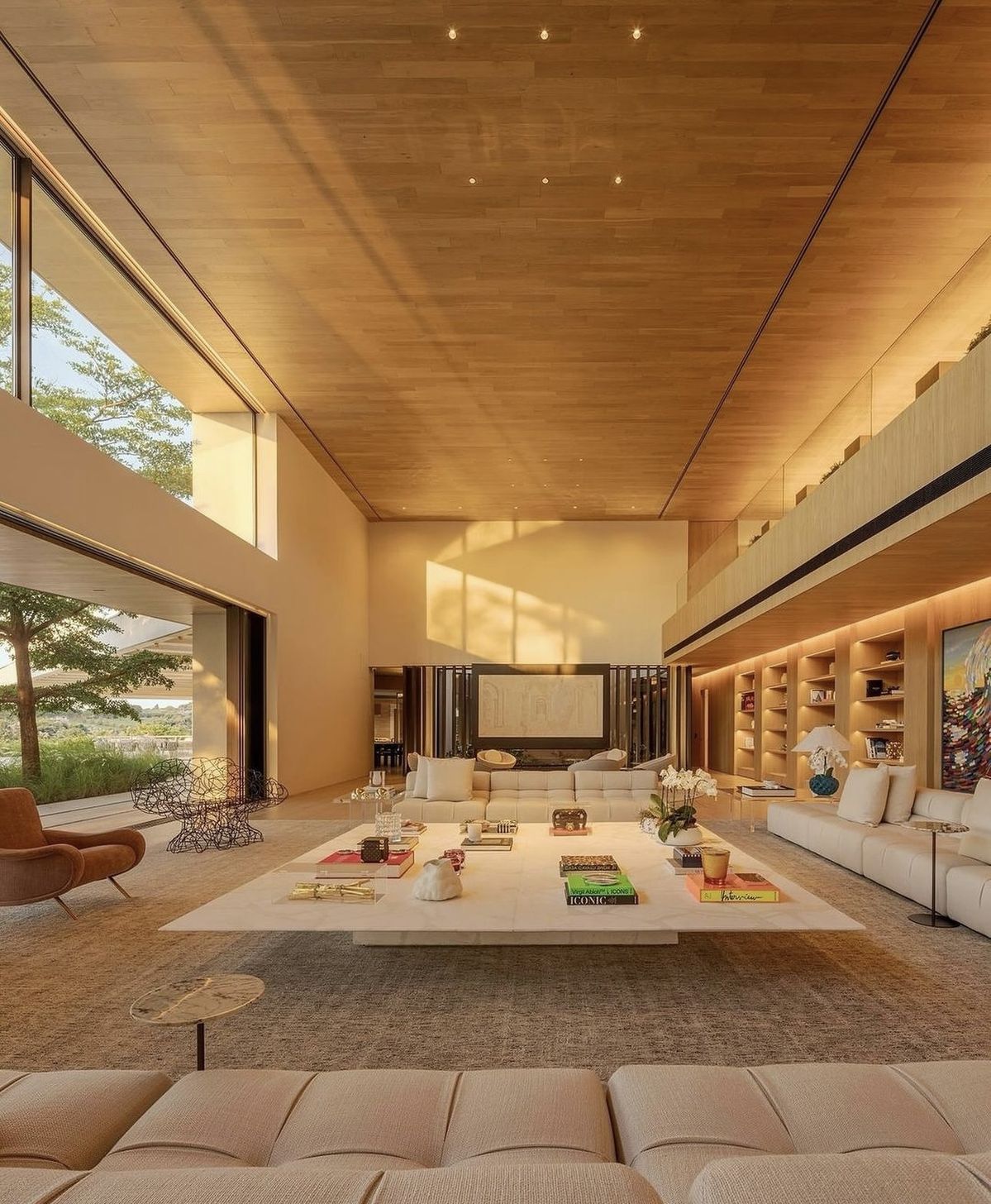
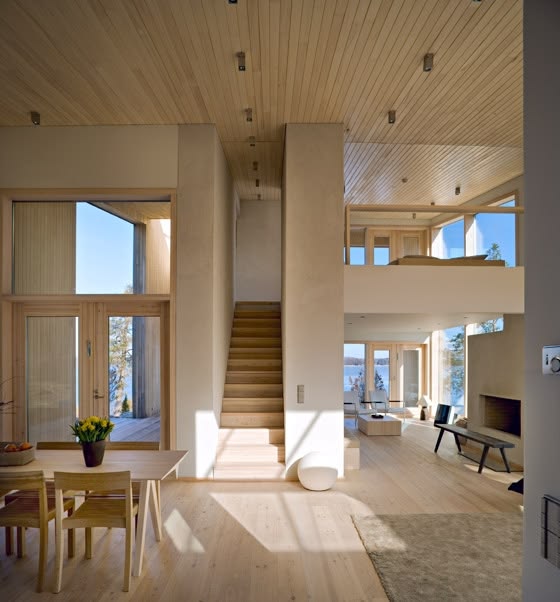
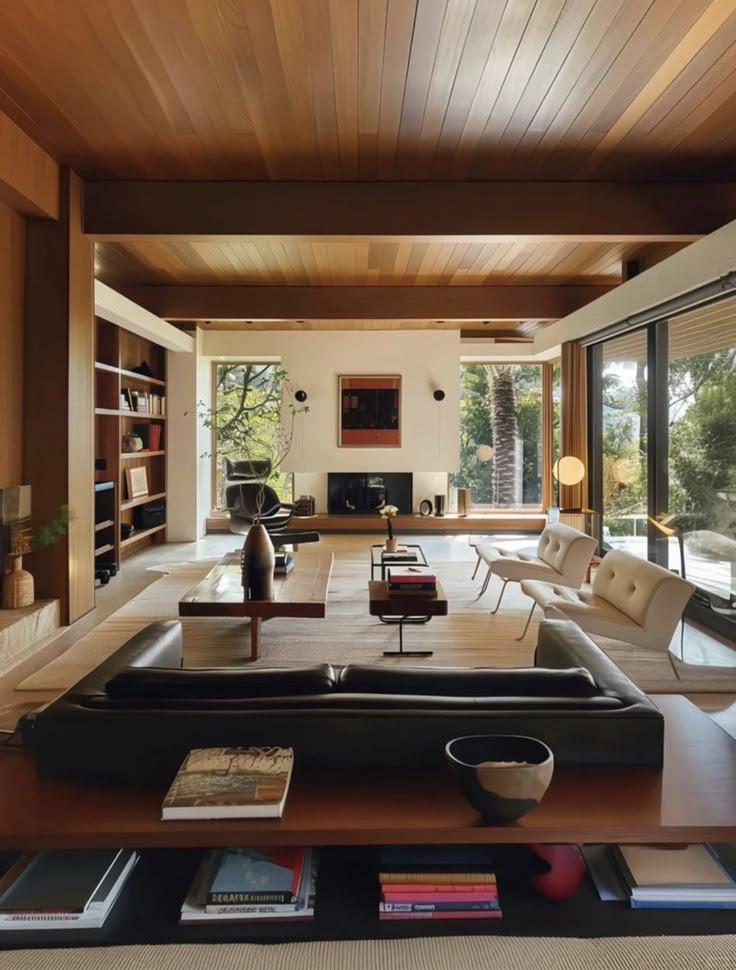
Height is often an underutilised asset. Double-volume ceilings, stair voids, and split levels are common in landed house interior Singapore projects, yet they are sometimes treated as purely architectural features rather than experiential ones. Things put there by the architect with no “true purpose” to you.
Instead, layering vertically transforms these volumes into something more intentional. A double-volume living area, for instance, can be anchored with suspended lighting that draws the eye downward, while upper-level walkways create visual connections across floors. Split levels can introduce subtle zoning, allowing spaces to feel distinct without full separation. These can even be done with your own personal collections, making the house into a place that really speaks about you.
When handled thoughtfully, vertical space does not just add scale, it adds dimension.
Materiality as a Layering Tool
Materials, when used intentionally, do more than define surfaces. They define transitions. A shift from stone to timber underfoot can signal a move from public to private space. As us Asians say – Shoes OFF in the house. Textured wall finishes may soften areas meant for relaxation, while more refined, polished materials anchor formal zones.
In luxury spatial design, these transitions are rarely abrupt, they are calibrated deliberately for your enjoyment. The palette remains cohesive, but variation is introduced through tone, texture, and finish. That’s the way to introduce depth without visual noise.
Layering through materiality allows spaces to feel connected, yet distinct — part of a whole, but not indistinguishable within it.
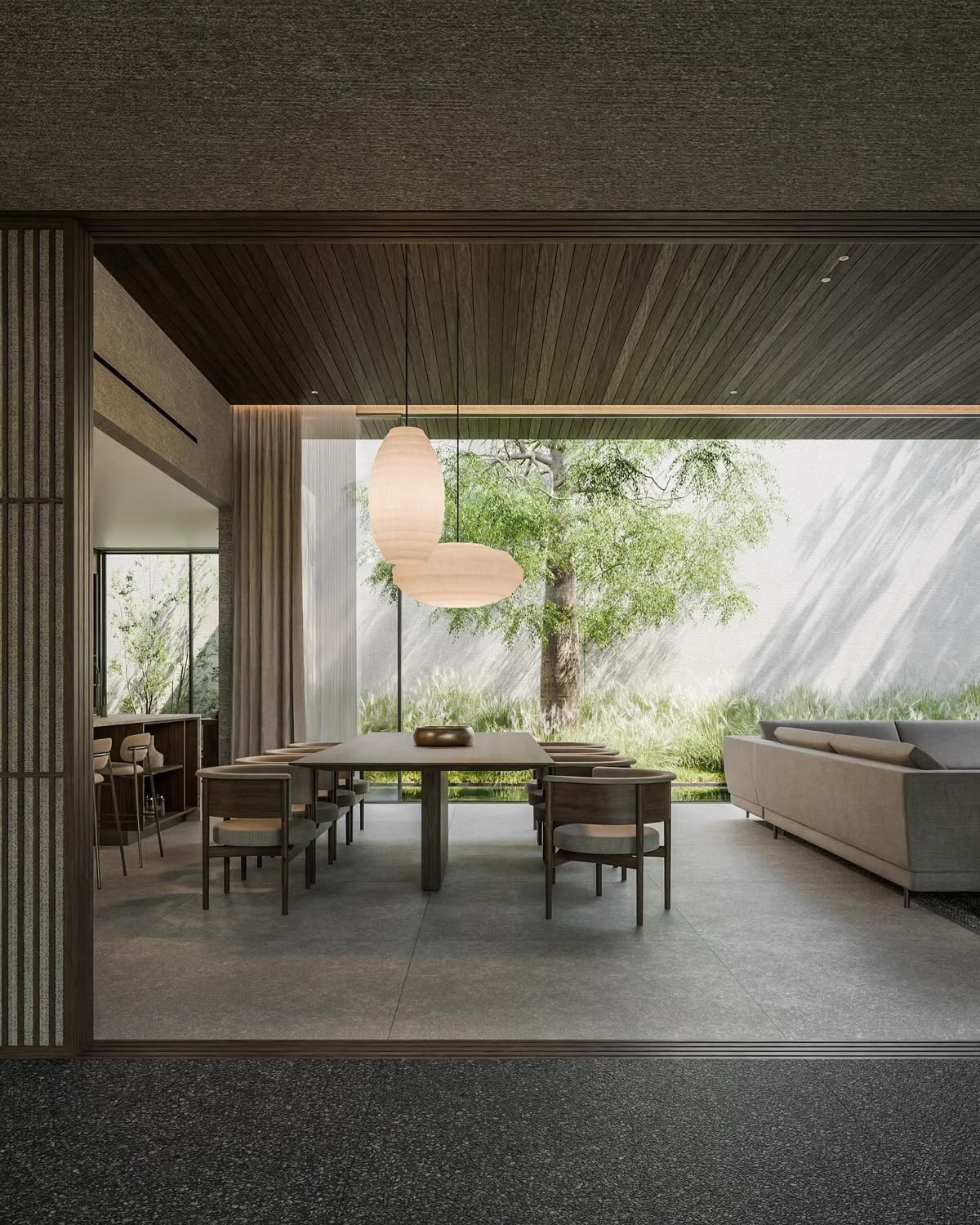
Furniture as Spatial Architecture
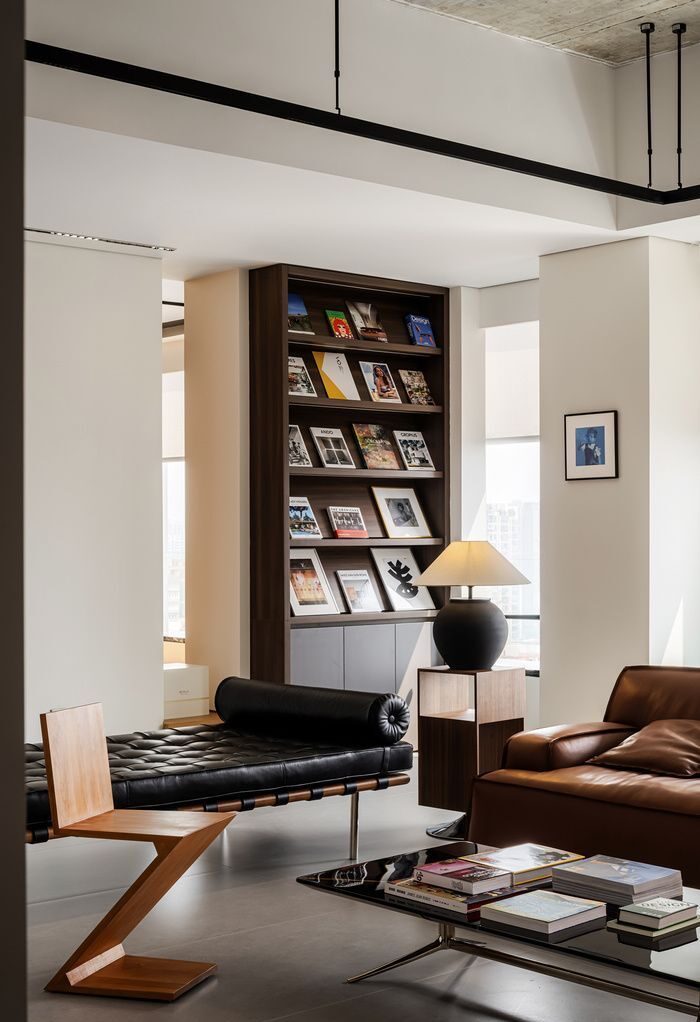
In larger homes, furniture does more than fill space, it helps to define it. A well-placed sofa can establish the boundary of a living area. A console or shelving system can act as a subtle divider, creating separation without enclosure. Even rugs contribute, anchoring zones within a larger open plan.
This is where restraint becomes important.
Overfilling a space can disrupt its clarity, while underfurnishing leaves it unresolved. The balance lies in placing just enough to define function, without overwhelming the architecture. When done well, furniture feels less like an addition, and more like an extension of the space itself.
The Final Layer: Lighting
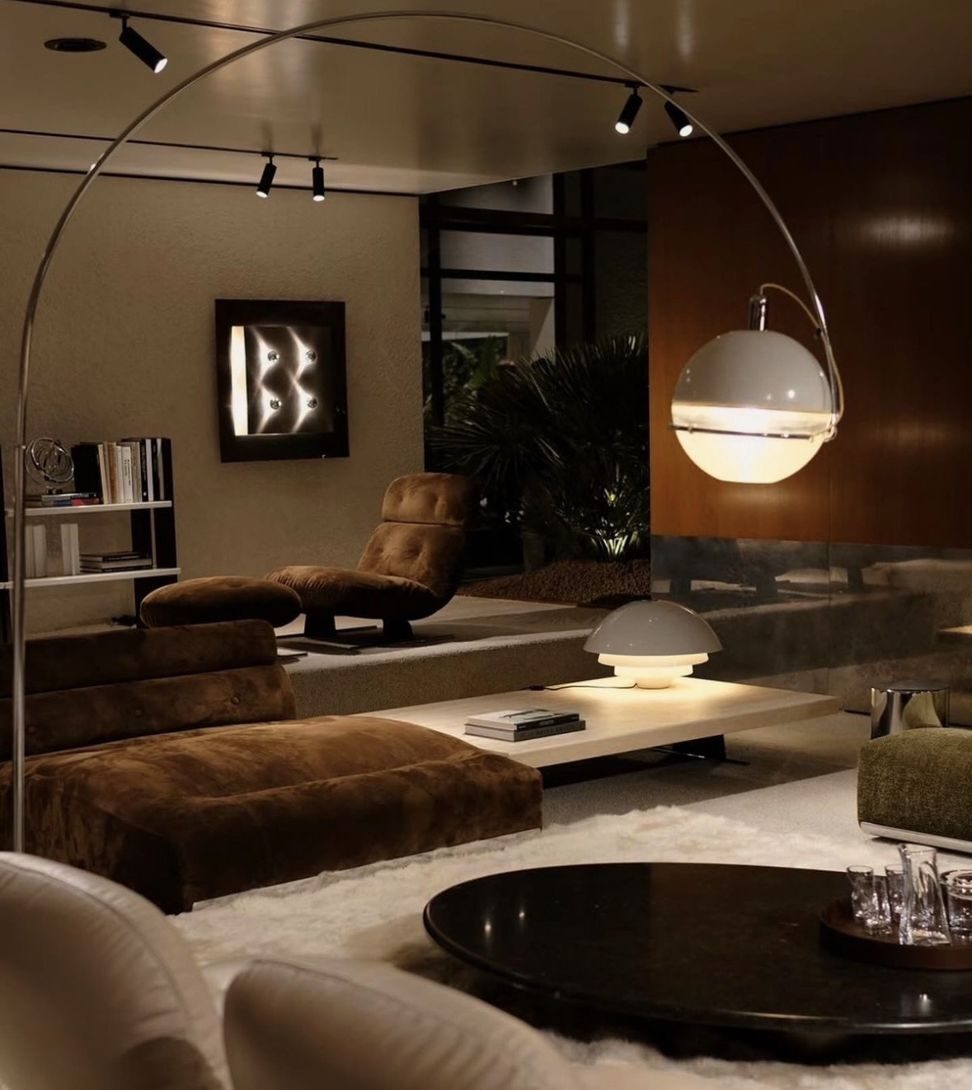
Lighting is often introduced at the end of a project, but it is one of the most powerful tools for layering. In a well-composed home, lighting is never singular. It is built in layers: ambient, task, and accent, each serving a different purpose.
Soft, indirect lighting can define circulation paths. Focused lighting highlights key elements, drawing attention where it is intended. Decorative fixtures, when used sparingly, add moments of visual interest without dominating the space. In the evening, lighting reshapes the home entirely. Spaces that felt open during the day become more intimate, more contained.
This ability to transform atmosphere is what makes lighting not just functional, but architectural.
Why Layering Defines Luxury
Luxury, in spatial terms, is rarely just about size alone. It is about how a space is experienced.
A large, open home may impress initially, but without layering, it can feel flat. Visually expansive, yet emotionally neutral. Layering introduces nuance. It creates moments of compression and release, openness and enclosure, light and shadow.
These contrasts are what give a home depth.
In landed house interior Singapore projects, where scale allows for more ambitious design, layering becomes the difference between a space that simply looks generous, and one that feels considered.
In landed homes, where the opportunity for spatial design is greater, this approach becomes even more relevant. It moves design beyond layout and into something more deliberate, more intuitive.
In the end, the art of layering is not about adding more. It is about knowing where to pause, where to transition, and where to let space speak for itself.
Contact our design team at our Contact Us page, at our main line +65 63451730 or speak to our studio directors directly at +65 97386690 (Alicia)/+65 81234411 (Eugene) today!