
Renovating a condo can feel deceptively straightforward. Especially after seeing the show flat, it feels like a dream. A built unit, perfect layout, and supplementing facilities. You’re led to think the renovation process will be simpler than renovating an older home.
Then the renovation handbook arrives.
Suddenly, there are MCST approvals, renovation deposits, working-hour restrictions, lift bookings, loading arrangements, noise limitations and a surprisingly detailed list of things you cannot simply hack, drill or move. For homeowners planning a condo renovation Singapore project, understanding these restrictions before the design stage can save a lot of frustration later.

Your Condo Comes With a Rulebook
One of the first things homeowners should understand is that renovating a condo is not just a conversation between you and your interior designer.
There is another party involved: the management corporation, or MCST.
Each development can have its own renovation guidelines covering matters such as permitted renovation hours, hacking, drilling, disposal of debris, protection of common areas and use of service lifts. Some developments may require renovation deposits or advance approvals before works can begin. There may also be specific requirements for contractors entering the premises or transporting materials through common areas.
This means the first step should not be choosing your favourite marble or deciding where the TV wall goes. It should be understanding the building’s requirements. A design that looks perfect on paper is considerably less useful if half of it requires approvals that cannot be obtained.
Renovation Restrictions Can Shape the Design
MCST restrictions are not limited to administrative matters. They can directly influence what can and cannot be changed within your home.
Want to hack a wall to create a larger living area? First, you need to establish whether the wall can actually be removed. Thinking about relocating the kitchen? Plumbing and drainage requirements may affect whether the proposed location is practical. Planning to install something that requires drilling into certain surfaces? There may be restrictions depending on what sits behind them.
This is where an experienced designer becomes particularly valuable. Instead of developing a design first and discovering limitations later, the renovation should be planned with the building’s physical and regulatory conditions in mind from the beginning.
Sometimes the best design solution is not about getting around a restriction. It is about finding a better way to achieve the same outcome.
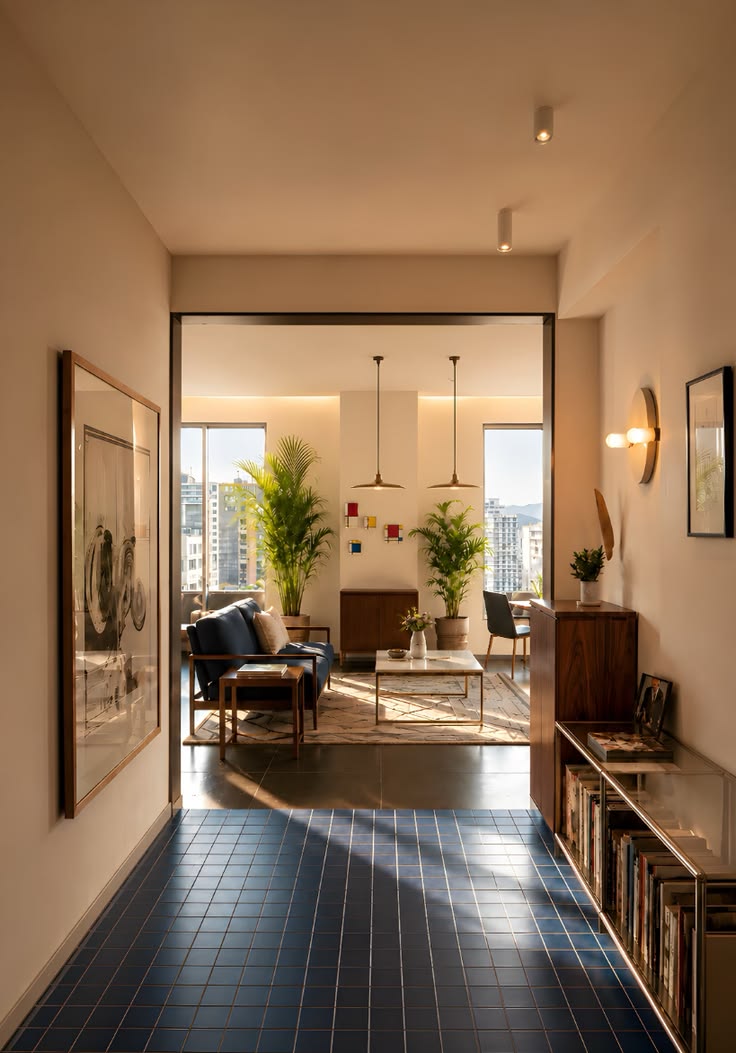

Your Contractor Can’t Work Whenever They Want
For homeowners who are excited to get started, renovation working hours can come as an unpleasant surprise. Condominiums generally have designated periods during which noisy renovation works are permitted. And… This matters because renovation schedules are interconnected.
If certain noisy works can only happen during limited periods, they need to be carefully coordinated with other trades. Delays in one stage can affect carpentry, electrical works, painting and installation further down the line.
It also means homeowners should be realistic about renovation timelines. A project that might physically require a certain number of working days can take longer when the available working hours are restricted. Good project planning accounts for this from the beginning rather than treating it as an unexpected delay.
The Service Lift Is More Important Than You Think
It is easy to focus on the interior of the unit and forget that materials need to physically get there. Tiles, carpentry panels, appliances, sanitary fittings and construction materials do not magically appear inside your condo.
They need to enter through the building. It’s not something you can tell designers to “just get it done”. While we generally work magic in your design, some practicalities don’t go away. Many condominiums have specific loading areas, service lifts and booking procedures for renovation deliveries. There may be size or weight restrictions, designated delivery windows, and requirements for protecting common areas. Even debris needs to leave somehow.
These logistics might sound mundane, but they can have a real impact on the renovation schedule. That is one of the less glamorous parts of condo renovation Singapore, but it is also one of the things that good project coordination handles quietly in the background.
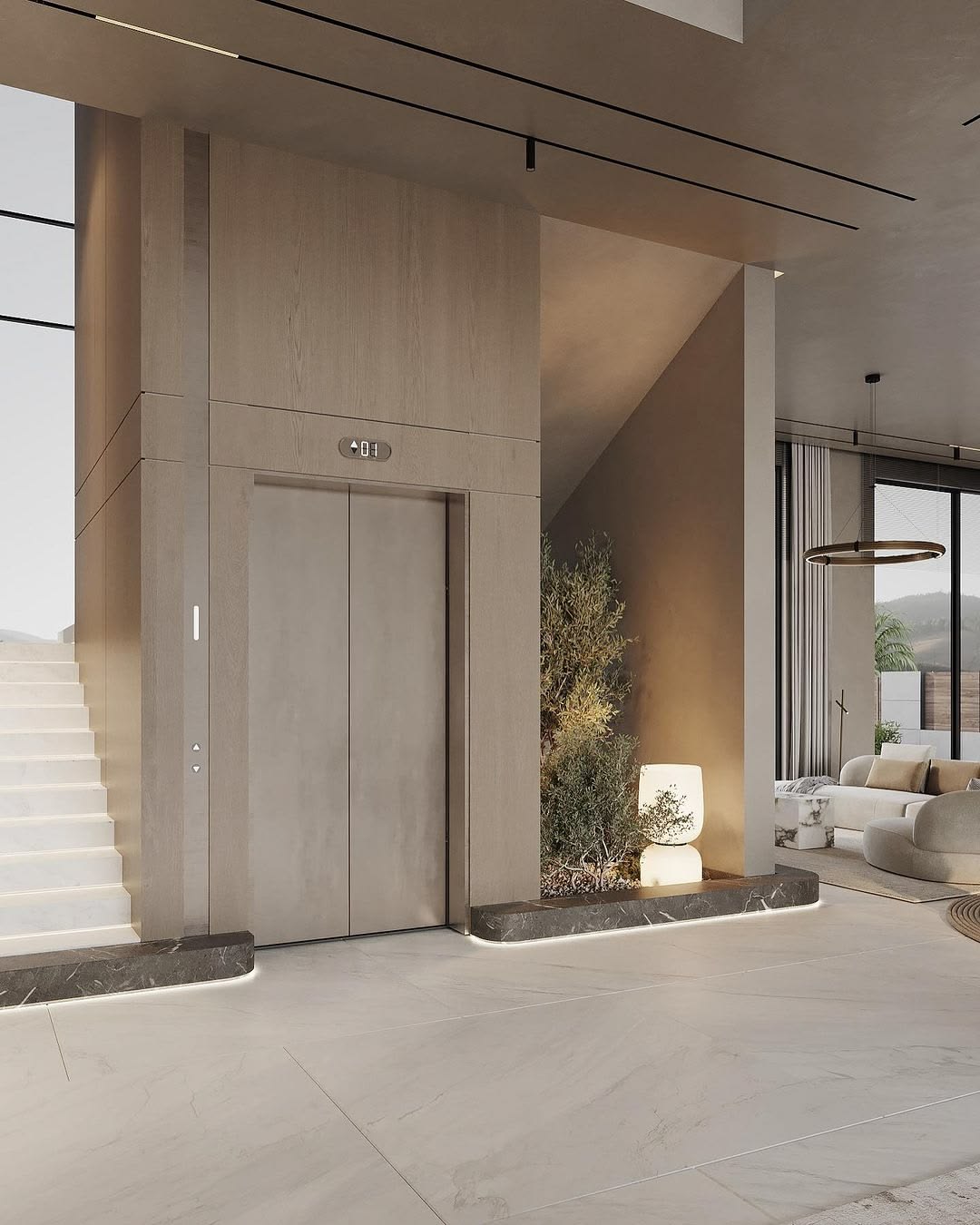

The Existing Layout Is Not Necessarily Your Enemy
One of the biggest mistakes homeowners make is assuming that a condo needs to be completely reconfigured to feel new.
Sometimes it does, sometimes it really doesn’t. Condo units often come with established plumbing points, structural elements, windows, columns, air-conditioning ledges and other fixed features. Working with these elements can sometimes produce a more efficient and cost-effective renovation than trying to relocate everything.
The question is not simply, “What can we change?” It is, “What should we change?”
A thoughtful designer looks at the existing layout and identifies which elements are worth retaining and which are genuinely restricting the homeowner’s lifestyle. A structural column, for example, may not be removable. But it can potentially become part of a feature wall, storage unit or architectural detail. Restrictions can sometimes become design opportunities.
Plumbing and Electrical Points Can Limit More Than You Expect
Behind every beautiful bathroom and kitchen are systems that make them function. Water supply, drainage, electrical points and other building services all need to be considered before major layout changes are made.
Relocating a sink may appear simple until drainage falls become an issue. Besides, if you’d have considerations for a sink, what more a shower or a toilet? This is why floor plans should be examined from more than an aesthetic perspective. A layout can look perfect visually while creating unnecessary complications behind the walls.
The best condo renovation Singapore designs balance what looks good with what is technically practical. Because nobody wants their dream kitchen to become a plumbing puzzle.
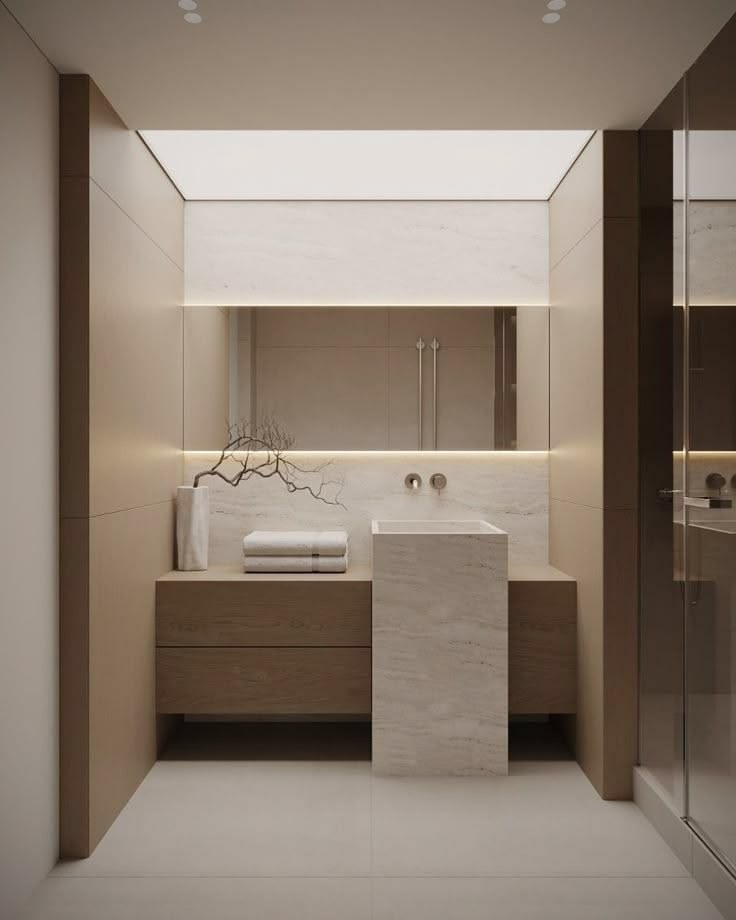
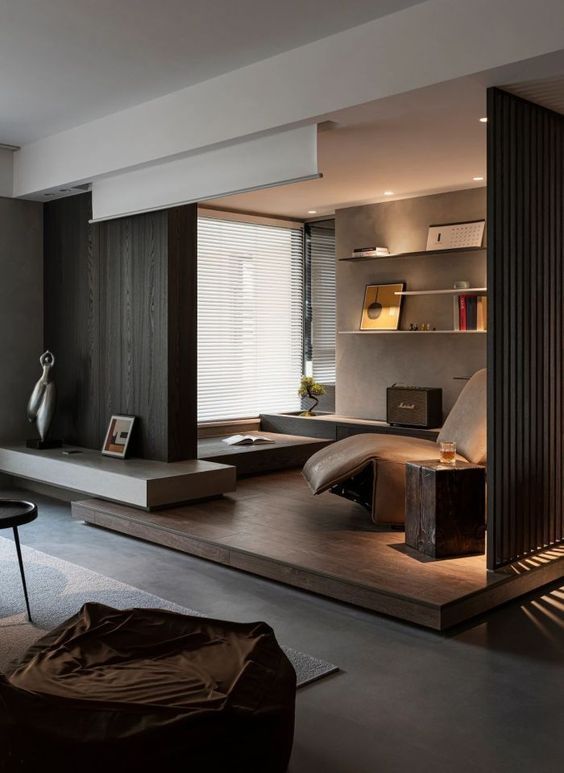
Renovation Timelines Are About More Than Construction
When homeowners ask how long a condo renovation will take, it is tempting to think only about the actual construction.
But there are several stages before anyone starts hacking. Many forget that they themselves are part of that process. Apart from design development that takes time, material selection takes time. Whilst you’re pondering on which shade of blue you love, we’re processing the MCST applications and approvals that take time too.
Some materials may have longer lead times, especially any international imports or custom carpentry features tailored for you. And if an approval is required before a particular work can begin, that needs to be factored into the programme.
A realistic timeline therefore begins before renovation day one. The more decisions that are resolved early, the fewer surprises are likely to appear halfway through the project.
Good Condo Design Works With the Building
The best condo renovations do not necessarily involve the most dramatic transformations. Often, they involve making the right changes while respecting the realities of the existing unit. This approach can produce homes that feel completely different without requiring every part of the original unit to be demolished.
That is where thoughtful design becomes particularly valuable. The goal is not to erase everything that came before. It is to understand what is there, identify what is worth changing, and make the house work better for the people living in it.

For homeowners planning a condo renovation Singapore project, the most important thing is not simply finding a design they love. It is finding a design that works beautifully within the home, the building and the realities of everyday living. Contact our design team at our Contact Us page, at our main line +65 63451730 or speak to our studio directors directly at +65 97386690 (Alicia)/+65 81234411 (Eugene) today!