
Renovating a landed home is a little different from renovating an apartment. There is more space, more freedom, and usually a much longer list of things to consider.
And that is exactly where things can get tricky. When there are so many areas to renovate, homeowners often ask the same question: where should we actually spend more?
The answer is not necessarily the most expensive marble, the biggest kitchen island or the fanciest light fixture.
A well-planned landed house renovation cost Singapore budget should prioritise the things that are difficult to change later, affect daily living, or genuinely improve the longevity and performance of the home.
In other words, spend more where it matters, not simply where it looks impressive.
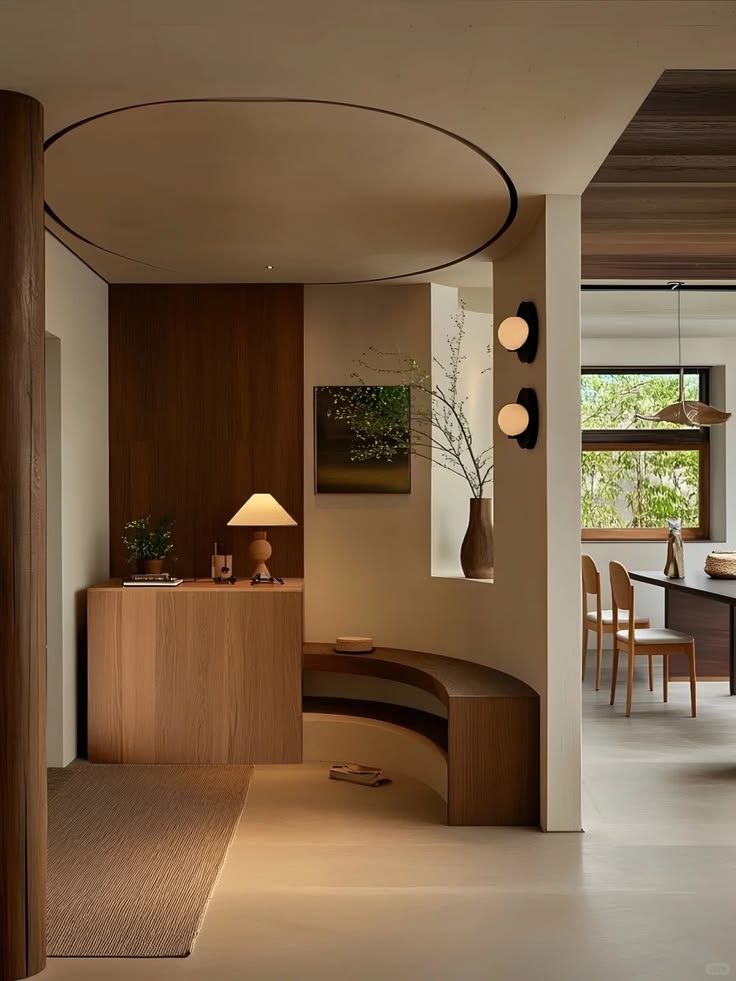
Start With What You Cannot Easily Change
Before choosing finishes, consider the parts of the house that are difficult, disruptive or expensive to revisit later. Structural works are one of them.
Changes to walls, staircases, floor levels, extensions and other structural elements can have a significant impact on the overall renovation. These decisions affect the way the house functions, so they deserve careful planning rather than being treated as just another line item in the quotation.
This is where it can make sense to invest. A beautifully designed staircase that improves circulation between floors, for example, may contribute more to the home than an expensive decorative feature that simply looks good in photographs. The same applies to spatial planning. If the layout is wrong, no number of beautiful finishes will make the home feel right.
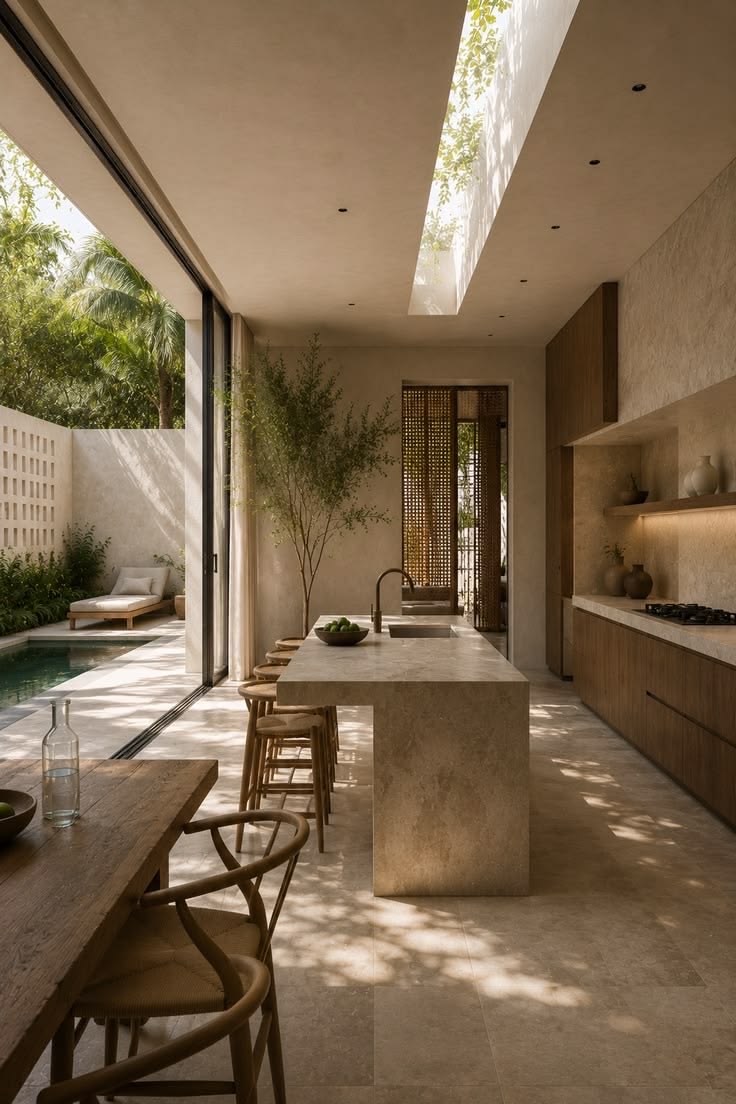
The Kitchen Is Worth Spending On, If You Actually Use It
The kitchen is often one of the hardest-working areas in a landed home. For families who cook regularly, entertain frequently or spend a lot of time together in the kitchen, this is an area where investing in quality can make a noticeable difference.
But the priority should not simply be choosing the most expensive materials, instead think about the parts you interact with every day. Cabinet hardware, hinges, drawer systems, countertop materials, ventilation, appliance placement and storage planning can all affect the experience of using the kitchen.
A premium countertop may be worthwhile if it suits the homeowner’s cooking habits and is durable enough for daily use. Better hardware may be worthwhile when drawers and cabinets are opened dozens of times a day. The point is simple: spend on performance before decoration.
A kitchen that looks beautiful but has poor workflow will become frustrating surprisingly quickly.
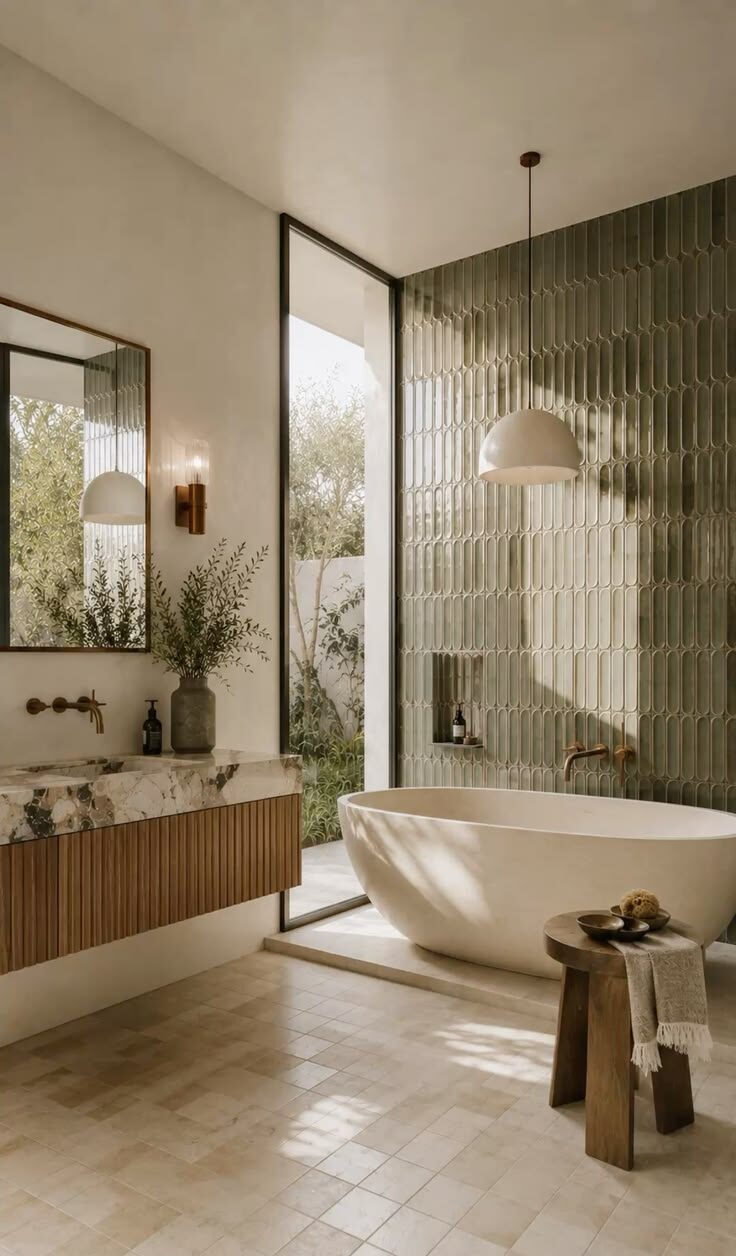
Bathrooms: Small Spaces With Big Responsibilities
Bathrooms may occupy less floor area than living rooms and kitchens, but they have a lot going on. Water, humidity, cleaning, ventilation and constant daily use all put materials and fittings through their paces.
This is one area where cutting corners can become expensive later. Waterproofing and proper installation should take priority over decorative upgrades. Quality sanitary fittings, appropriate hardware and durable surfaces can also make a difference over time.
Once the essentials are right, then consider where premium finishes are genuinely worth it. Perhaps a natural stone feature wall creates the atmosphere you want. Maybe a better vanity system gives you more storage. Or upgraded lighting makes the bathroom feel considerably more comfortable. Now we’re just listing things to entice you.
Luxury works best when it improves the experience, not when it simply increases the material bill.
Carpentry Is Where Good Planning Pays Off
Landed homes often have more storage requirements than smaller apartments making custom carpentry an important part of the renovation. But more carpentry does not automatically mean better design.
The goal should be to create storage that is proportionate to the room and suited to what actually needs to be stored. This is where spending a little more on thoughtful customisation can be worthwhile. Good carpentry should make the home easier to live in. It should not simply give you more doors to open.
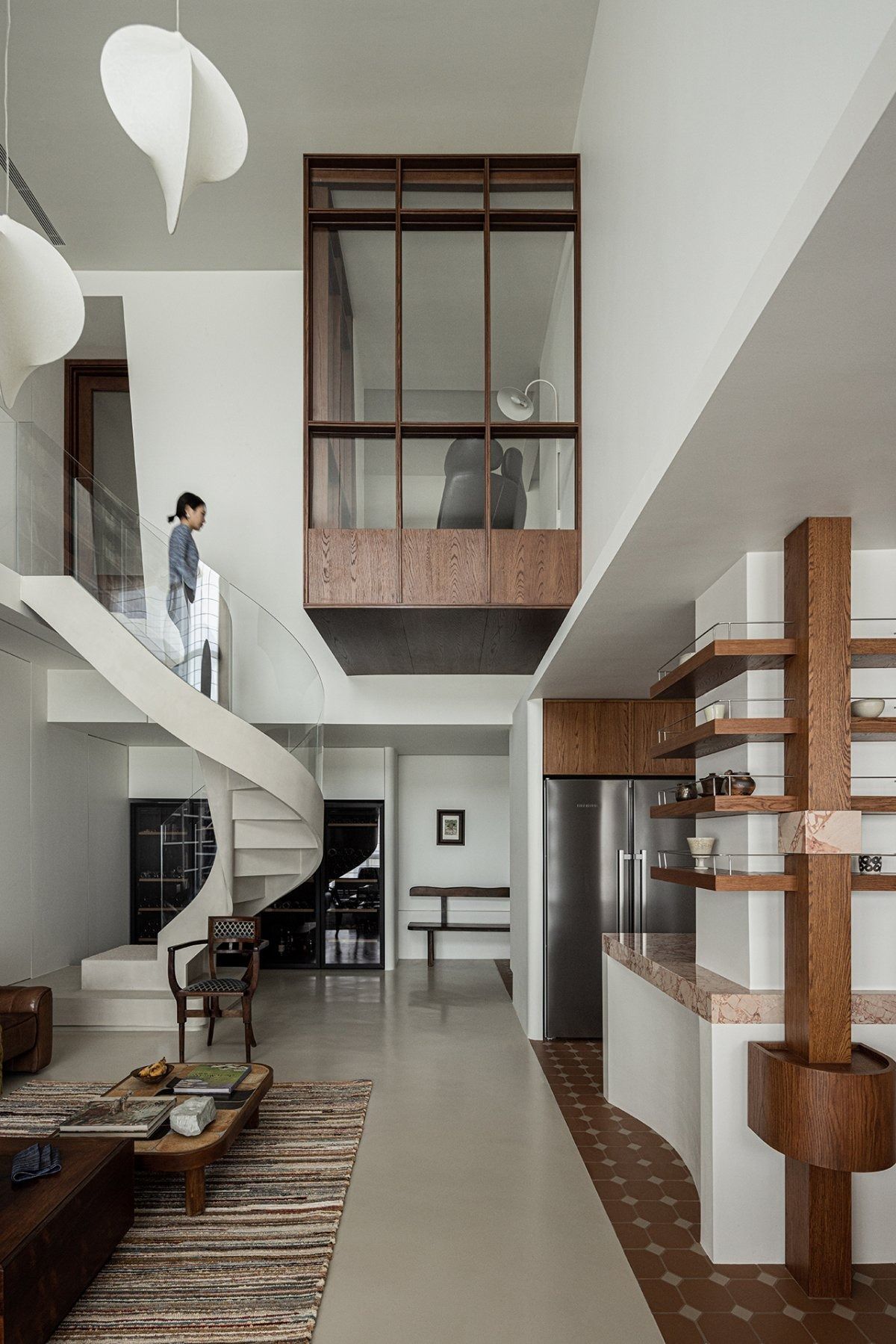
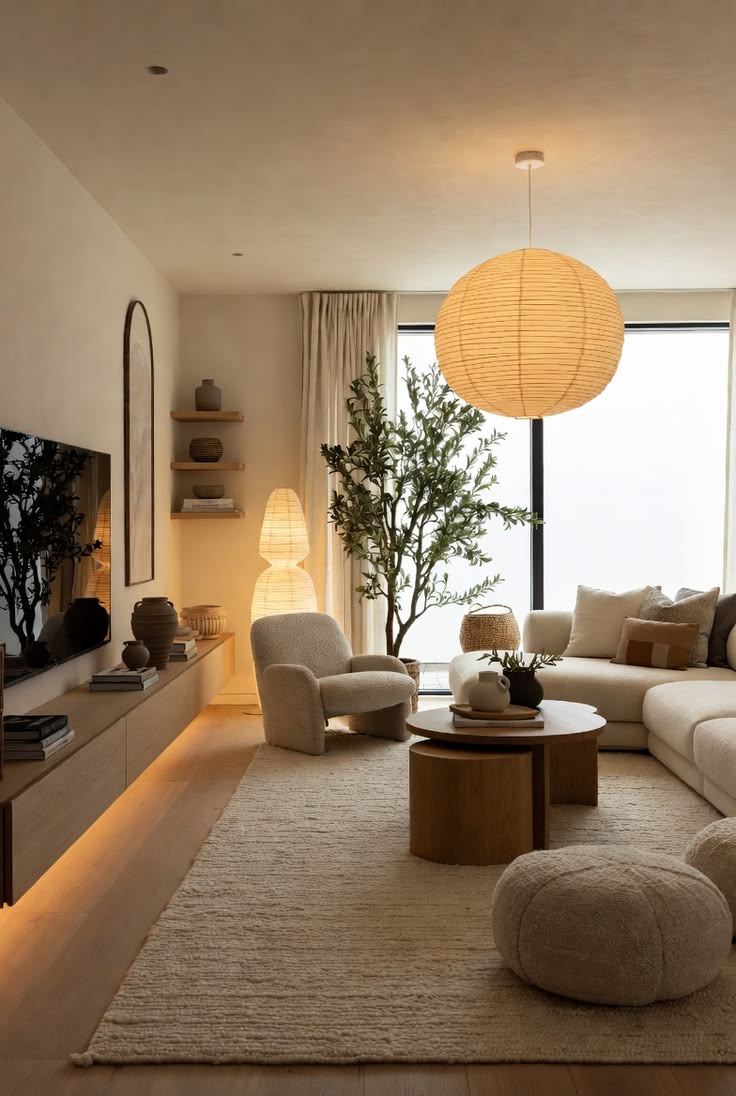
Lighting Deserves More Attention Than It Usually Gets
Lighting is often treated as a finishing touch. In a landed home, it can have a much bigger impact.
Larger spaces naturally require more considered lighting. A single ceiling light may not be enough to create a comfortable atmosphere across an open living area, dining space or double-volume zone.
Layered lighting can help define different areas and moods, making planning early matter. Electrical points, concealed wiring, lighting controls and ceiling details all need to be considered before the renovation progresses too far.
You can always change a cushion, but moving concealed electrical infrastructure later is a very different conversation.
Don’t Treat Outdoor Areas as Leftover Space
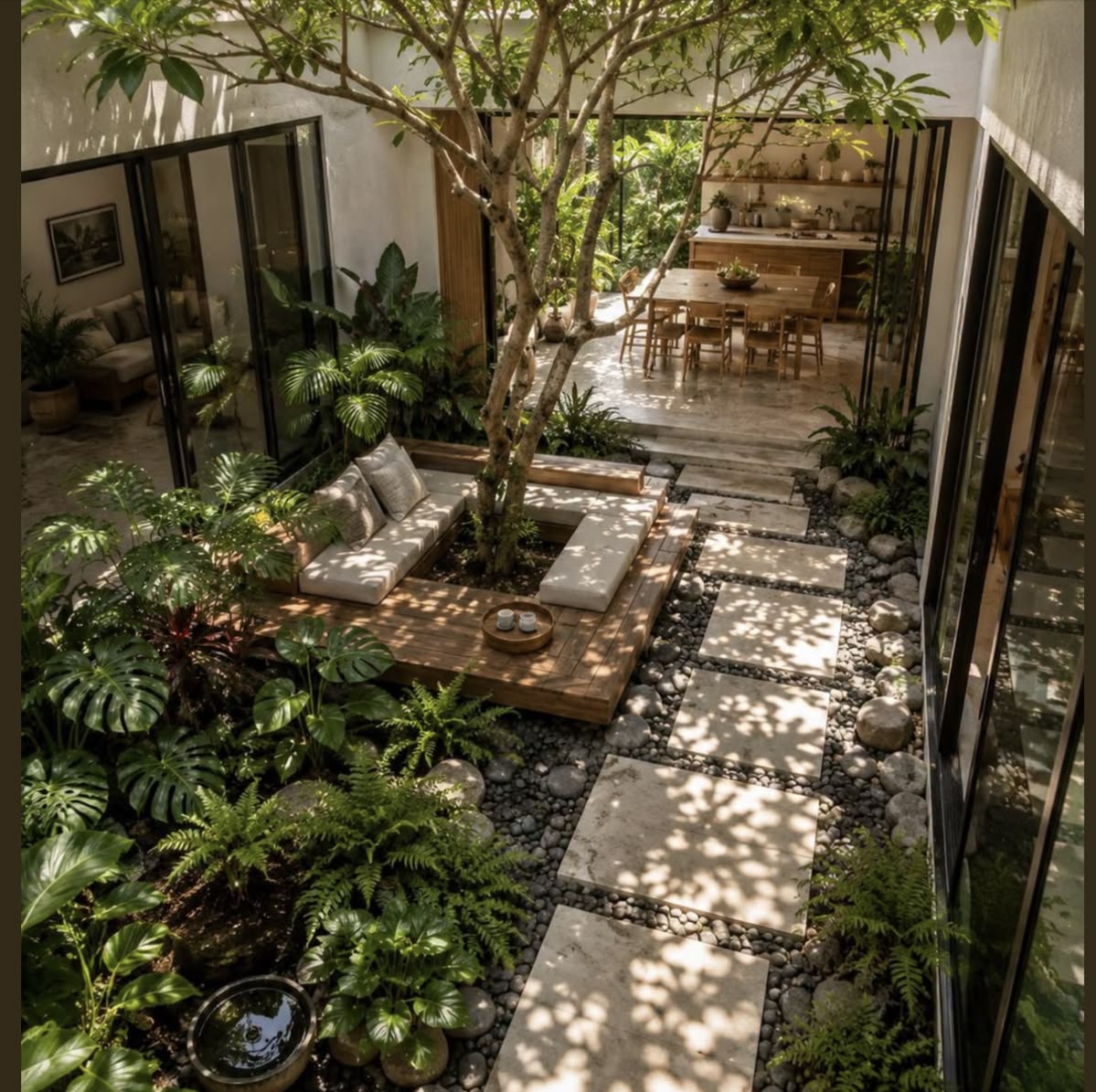
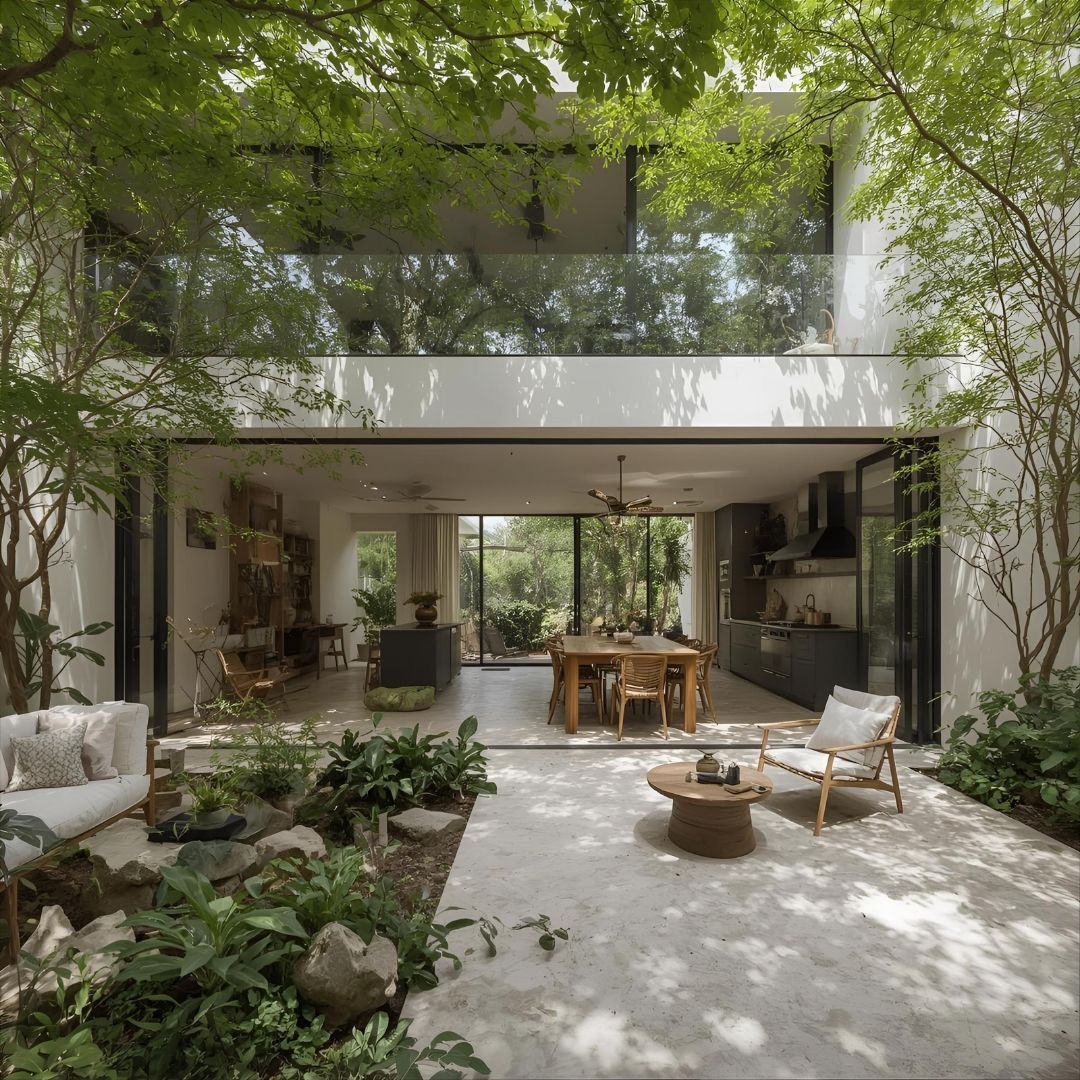
One advantage of a landed home is having outdoor space, whether that means a garden, terrace, balcony, courtyard or rooftop area. Yet outdoor spaces are sometimes left until the very end of the renovation.
By then, the budget may be tired, and the outdoor area becomes a collection of whatever remains. That is a missed opportunity.
A well-designed outdoor space can effectively extend the living area of the home. It can become a dining area, garden, play space, entertaining zone or quiet retreat. The investment should depend on how the family intends to use it. If outdoor entertaining is a major part of the lifestyle, durable flooring, comfortable furniture, lighting and appropriate shelter may be worth prioritising. If the space is mainly for greenery and relaxation, the investment might instead go towards landscaping, planting and a thoughtful seating area.
A Bigger Home Does Not Mean You Need to Spend Everywhere
One of the biggest misconceptions about landed renovations is that a larger home automatically requires premium finishes throughout. It doesn’t. In fact, larger homes often benefit from greater restraint.
The additional space already creates a sense of scale. Good proportions, thoughtful lighting, cohesive materials and carefully selected focal points can often create a more sophisticated result than filling every room with expensive finishes.
The budget should follow the lifestyle.
- A family that entertains every weekend may benefit from investing heavily in the kitchen and outdoor areas.
- A homeowner who works from home may prioritise a dedicated study and acoustic comfort.
- Someone who values rest and privacy might place more emphasis on the master suite and bathroom.
There is no universal formula for a landed home, only the right formula for the people living in it.
The smartest approach is to separate the things that are worth paying for from the things that simply look expensive. Because when the renovation is finished, homeowners do not live inside a quotation. They live inside the decisions that quotation helped make.
And the best investment is usually the one that still feels like a good decision years later. Contact our design team at our Contact Us page, at our main line +65 63451730 or speak to our studio directors directly at +65 97386690 (Alicia)/+65 81234411 (Eugene) today!